

In modern industrial automation and electrical control systems, reliable wiring connections are essential for ensuring stable equipment operation, reducing downtime, and improving maintenance efficiency. A Screw Connection Terminal Block is one of the most widely used electrical connection solutions because it provides secure wire fixation, excellent conductivity, and flexible installation options.
From industrial control panels and PLC automation systems to power distribution equipment and manufacturing machinery, screw terminal blocks play an important role in organizing complex wiring networks. Their simple screw clamping structure allows technicians to create strong electrical connections while supporting easy inspection, replacement, and troubleshooting.
For industrial applications requiring durability and long-term performance, selecting the right Screw In Terminal Block, Din Rail Screw Terminal Block, or Terminal Screw Connector is critical. Factors such as current capacity, voltage rating, wire compatibility, mounting method, and environmental conditions directly affect system safety and reliability.
As a professional terminal block manufacturer, Westlec provides high-quality electrical connection solutions designed for industrial automation, control cabinets, power distribution systems, and OEM applications. With reliable manufacturing processes and customized solutions, Westlec supports global customers looking for dependable Screw Block Terminal products for various industrial projects.
This article explains the major applications of Screw Connection Terminal Blocks in industrial control systems and provides practical guidance for selecting the right terminal solution.
Screw Connection Terminal Block Applications In Industrial Control Systems
A Screw Connection Terminal Block is designed to simplify electrical wiring by connecting multiple conductors safely within industrial systems. Compared with direct wire connections, terminal screw blocks improve wiring organization, reduce installation time, and provide easier maintenance access.
Because of their reliability and versatility, screw terminal blocks are commonly used in automation factories, electrical cabinets, energy systems, and industrial equipment.
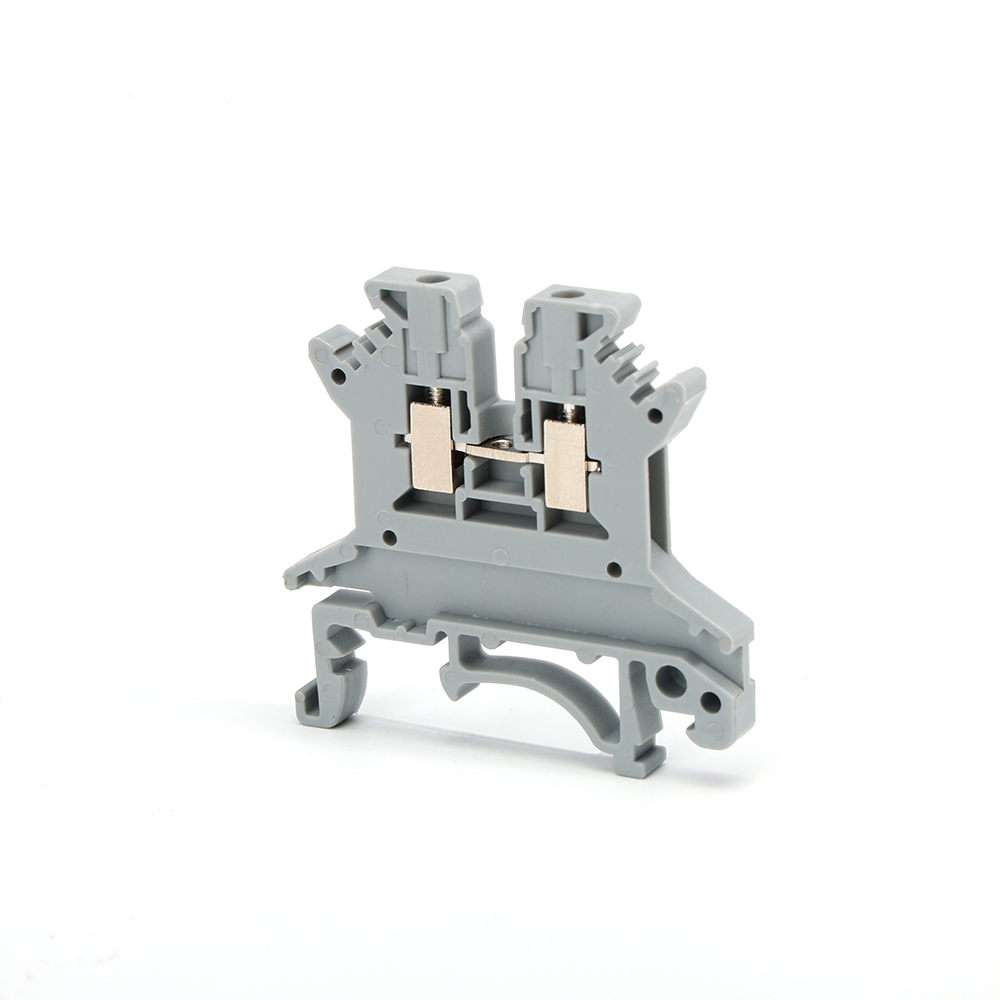
The following are the main application areas where Screw In Terminal Blocks provide significant advantages.
Industrial Control Panels And Electrical Cabinets
Industrial control panels and electrical cabinets contain complex wiring systems that require organized and secure connections. A Din Rail Screw Terminal Block is commonly installed inside control cabinets to connect incoming power lines, control signals, sensors, and output devices.
In industrial environments, control cabinets often include components such as:
- Programmable logic controllers (PLCs)
- Circuit breakers
- Relays
- Contactors
- Power supplies
- Industrial communication modules
- Motor control devices
Without proper wiring management, electrical cabinets can become difficult to maintain and troubleshoot. Terminal screw blocks provide a structured connection method that allows engineers to identify circuits quickly and perform maintenance efficiently.
Key benefits of screw terminal blocks in control panels include:
- Clear wire organization
- Reduced wiring errors
- Improved electrical safety
- Faster installation and repair
- Flexible circuit expansion
For panel builders and electrical contractors, choosing reliable Terminal Screw Connector products helps improve the overall quality and service life of control systems.
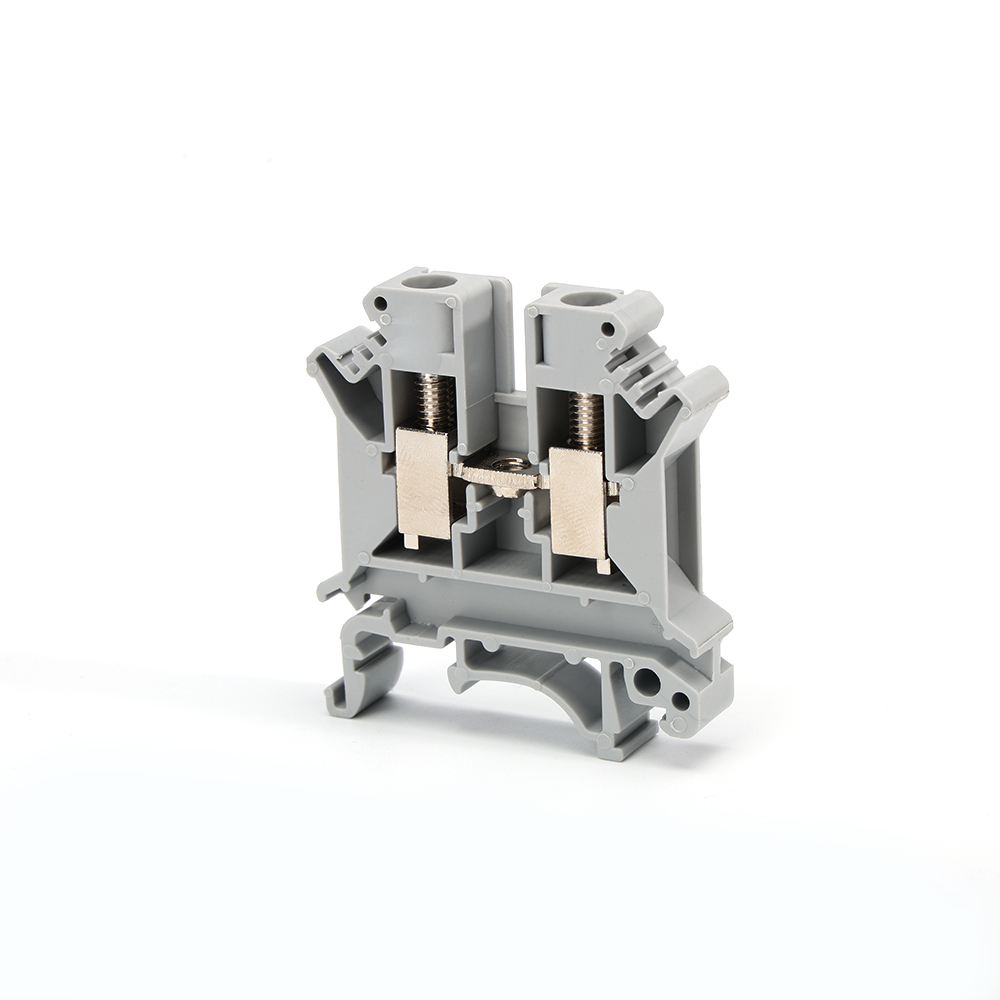 Westlec’s screw connection terminal block solutions are designed for industrial cabinet applications, offering stable mechanical performance and compatibility with different wire sizes and installation requirements.
PLC And Automation Systems
Programmable Logic Controllers (PLCs) are widely used in industrial automation to control production lines, robotic systems, and intelligent equipment. Since PLC systems require numerous input and output connections, reliable wiring solutions are essential.
A Screw In Terminal Block is frequently used for connecting:
- Digital input signals
- Digital output signals
- Analog sensors
- Actuators
- Emergency stop circuits
- Industrial communication interfaces
The screw clamping mechanism ensures that wires remain firmly connected even under vibration or continuous operation conditions.
In automation applications, loose connections can cause:
- Signal interruptions
- Equipment failures
- Unexpected production downtime
- Safety risks
A properly selected Screw Terminal Block minimizes these problems by providing stable electrical contact between conductors and terminal contacts.
For automation equipment manufacturers, terminal blocks also simplify equipment assembly. Engineers can separate control circuits, power circuits, and signal circuits, making future upgrades easier.
 Power Distribution Systems
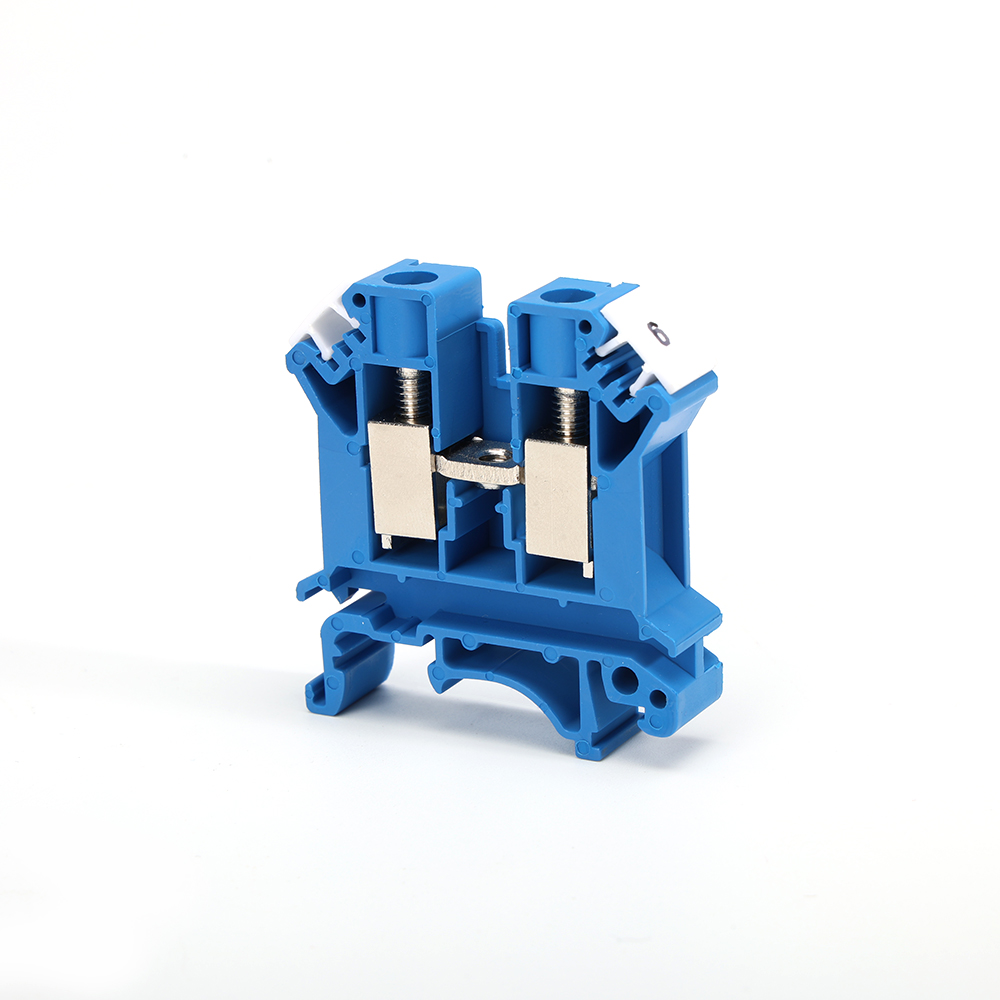
Power distribution systems require terminal solutions capable of handling high electrical loads while maintaining safe operation. Terminal Screw Blocks are widely used in low-voltage distribution applications to connect power cables, branch circuits, and electrical equipment.
Typical applications include:
- Industrial power distribution cabinets
- Motor control centers
- Building electrical systems
- Renewable energy equipment
- Machine power supply systems
A suitable Screw Connection Terminal Block must provide:
- High current carrying capacity
- Strong mechanical connection
- Heat resistance
- Flame-retardant housing materials
- Long-term electrical stability
The screw tightening structure creates a reliable connection by applying consistent pressure between the conductor and the conductive metal component.
For industrial power applications, selecting a terminal block with the correct electrical rating is essential. An undersized terminal screw connector may result in overheating, voltage loss, or potential equipment damage.
Westlec manufactures industrial terminal solutions with different specifications to meet diverse power distribution requirements, helping customers build safer and more efficient electrical systems.
Industrial Machinery And Equipment
Modern industrial machinery depends on reliable electrical connections to ensure continuous operation. From CNC machines and packaging equipment to assembly lines and automated production systems, terminal blocks are essential components inside machine control systems.
A Screw Block Terminal is commonly applied in:
- Manufacturing equipment
- Injection molding machines
- Conveyor systems
- Industrial robots
- Testing equipment
- HVAC control systems
Industrial machinery often operates in demanding environments involving:
- Mechanical vibration
- Temperature changes
- Dust exposure
- Long operating hours
The robust construction of screw terminal blocks helps maintain stable electrical connections under these conditions.
Compared with traditional wire splicing methods, terminal screw connectors provide easier maintenance because technicians can disconnect and reconnect wires without replacing the entire wiring section.
For machine builders and OEM manufacturers, using high-quality Din Rail Screw Terminal Blocks can improve product reliability and simplify electrical assembly.
Field Wiring Applications
Field wiring refers to electrical connections installed outside factory control cabinets, usually between equipment, sensors, and external devices.
In these applications, wiring systems must withstand environmental challenges while maintaining reliable performance.
Common field wiring applications include:
- Sensors and measurement devices
- Outdoor electrical equipment
- Industrial monitoring systems
- Remote control stations
- Building automation systems
A Screw In Terminal Block provides several advantages for field installation:
Easy Installation
Technicians can quickly connect wires using standard tools, reducing installation time.
Secure Connection
The screw clamping mechanism prevents wires from loosening due to vibration or movement.
Simple Maintenance
Field technicians can easily inspect or replace individual wires without affecting the entire system.
For industrial projects requiring flexible wiring solutions, selecting the right Terminal Screw Connector helps improve system reliability and reduce maintenance costs.
Key Factors For Selecting Screw Connection Terminal Blocks
Selecting the correct Screw Connection Terminal Block is essential for ensuring electrical safety, system reliability, and long-term performance in industrial control applications. Different industrial environments have different requirements regarding current capacity, installation space, wire type, and operating conditions.
For engineers, electrical contractors, and OEM manufacturers, choosing a suitable Screw In Terminal Block requires evaluating several technical factors rather than simply selecting a standard model.
The following factors should be considered when choosing a Terminal Screw Block for industrial applications.
Current Rating And Voltage Requirements
The first consideration when selecting a Screw Connection Terminal Block is whether its electrical specifications match the requirements of the application.
Every terminal block has a rated current and voltage range. Selecting a terminal block with insufficient capacity may lead to:
- Excessive heat generation
- Voltage drop
- Contact failure
- Reduced equipment lifespan
- Potential safety hazards
For industrial control systems, engineers should evaluate:
Rated Current
The rated current indicates the maximum continuous electrical load that the terminal block can safely handle.
Applications with higher power requirements, such as motor control systems and industrial machinery, typically require terminal blocks with higher current ratings.
Rated Voltage
The terminal block voltage rating must meet or exceed the system operating voltage. This ensures proper insulation performance and reduces the risk of electrical breakdown.
Application Load Characteristics
Different systems may experience different electrical conditions:
- Continuous loads
- Starting current surges
- Inductive loads from motors
- Switching operations
A properly selected Terminal Screw Connector should provide sufficient electrical margin to maintain stable performance.
For industrial buyers, working with an experienced Screw Connection Terminal Block manufacturer helps ensure the selected product meets international electrical standards and application requirements.
Terminal Block Material And Durability
Material quality directly affects the reliability and service life of a Screw In Terminal Block.
Industrial environments often expose electrical components to vibration, temperature fluctuations, humidity, and chemical conditions. Therefore, terminal blocks must use durable materials that can withstand long-term operation.
Important material considerations include:
Conductive Materials
The conductive parts of a Terminal Screw Block are usually manufactured from materials such as:
- Copper
- Brass
- Copper alloy
High-quality conductive materials provide:
- Better electrical conductivity
- Lower contact resistance
- Reduced heat generation
- Improved current transmission
Housing Materials
The insulating housing protects internal conductive components and prevents accidental contact.
Common insulation materials include:
- PA66 nylon
- Flame-retardant engineering plastics
- High-temperature resistant materials
A quality housing should provide:
- Good mechanical strength
- Flame resistance
- Temperature stability
- Long-term insulation performance
Mechanical Durability
Industrial equipment often operates continuously for many years. The screw structure, clamping components, and housing design must withstand repeated installation, vibration, and environmental stress.
Westlec focuses on manufacturing durable terminal connection solutions designed for industrial applications where reliability and safety are critical.
Wire Compatibility And Connection Design
Another important factor when selecting a Screw In Terminal Block is compatibility with different wire types and sizes.
Industrial systems often use various conductor specifications depending on power requirements and equipment design.
A suitable terminal block should match:
- Wire cross-sectional area
- Solid or stranded conductors
- Flexible wires
- Wire insulation thickness
- Cable termination methods
For example, industrial control systems may require connections ranging from small signal wires to larger power cables.
A well-designed Terminal Screw Connector provides:
Secure Wire Clamping
The screw mechanism applies pressure evenly to hold the conductor securely inside the terminal.
This reduces:
- Wire movement
- Contact instability
- Connection failure caused by vibration
Easy Installation
Technicians can install wires using common tools, making screw terminal blocks suitable for various industrial projects.
Maintenance Convenience
During equipment inspection or upgrades, wires can be disconnected and reconnected easily without replacing the entire connection system.
For applications requiring frequent maintenance, Screw Block Terminal solutions offer practical advantages compared with permanent connection methods.
Din Rail Mounting And Installation Flexibility
In industrial control panels, installation space is often limited. A Din Rail Screw Terminal Block provides a flexible mounting solution that allows electrical components to be organized efficiently.
DIN rail mounting systems are widely used in:
- Control cabinets
- Automation panels
- Power distribution boxes
- Industrial electrical systems
Advantages of DIN rail screw terminal blocks include:
Space Optimization
Terminal blocks can be arranged neatly on standard DIN rails, helping engineers maximize cabinet space.
Modular Installation
Different terminal block types can be combined based on system requirements, including:
- Feed-through terminal blocks
- Ground terminal blocks
- Disconnect terminal blocks
- Multi-level terminal blocks
Easy Expansion
When electrical systems need upgrades, additional terminal blocks can be installed quickly without redesigning the entire cabinet layout.
For control panel manufacturers and system integrators, choosing flexible Din Rail Screw Terminal Block solutions improves wiring efficiency and simplifies future maintenance.
Westlec provides DIN rail terminal solutions designed for industrial control applications, supporting customized configurations for different customer requirements.
Advantages Of Terminal Blocks For Industrial Applications
Industrial electrical systems require connection components that provide safety, reliability, and efficient maintenance. Compared with direct wiring methods, Screw Connection Terminal Blocks offer multiple advantages for industrial control systems.
From factory automation to electrical cabinets, terminal screw blocks help improve wiring quality and reduce operational risks.
Reliable And Secure Electrical Connections
The primary advantage of a Screw Connection Terminal Block is its ability to provide a stable and secure electrical connection.
The screw clamping structure creates strong mechanical contact between the wire conductor and conductive terminal part.
This design helps prevent:
- Loose connections
- Intermittent electrical signals
- Unexpected equipment shutdowns
- Excessive contact resistance
In industrial environments where equipment operates continuously, connection reliability directly affects production efficiency.
A high-quality Terminal Screw Connector ensures consistent electrical performance even under vibration, temperature changes, and long operating cycles.
For industries such as manufacturing, automation, and energy systems, reliable wiring connections are essential for maintaining safe and stable operations.
Easy Maintenance And Troubleshooting
Industrial systems require regular inspection, maintenance, and troubleshooting. A Screw In Terminal Block makes these processes faster and more efficient.
Compared with traditional wire connections, terminal blocks allow technicians to:
- Identify circuits easily
- Disconnect individual wires
- Replace components quickly
- Modify electrical layouts efficiently
Clear wiring organization reduces troubleshooting time when equipment problems occur.
For example, in an industrial control panel, engineers can quickly locate signal lines, power connections, or sensor wiring through clearly arranged terminal blocks.
This improves:
- Maintenance efficiency
- Equipment uptime
- Production reliability
For OEM equipment manufacturers, using organized Terminal Screw Blocks also improves the serviceability of finished machines.
Cost-Effective Solution For Industrial Projects
A Screw Block Terminal provides a cost-effective connection solution for many industrial applications.
Although advanced connection technologies such as spring terminals and push-in terminals are available, screw terminal blocks remain popular because they offer an excellent balance between:
- Performance
- Reliability
- Installation simplicity
- Cost efficiency
Benefits include:
Lower Installation Costs
Screw terminals are easy to install and do not require specialized tools.
Reduced Maintenance Expenses
Reliable connections reduce failures and minimize repair costs.
Long Service Life
High-quality terminal blocks can operate reliably for many years in industrial environments.
For distributors, contractors, and equipment manufacturers, selecting a dependable Screw Connection Terminal Block supplier helps achieve better project value and long-term customer satisfaction.
FAQ
Screw Terminal Block Vs Spring Terminal Block
Both Screw Terminal Blocks and spring terminal blocks are widely used in industrial electrical systems, but they have different connection mechanisms and application advantages.
A Screw Connection Terminal Block uses a screw clamping structure to secure the wire conductor. It provides strong mechanical fixing force and is suitable for applications requiring high reliability, flexible maintenance, and compatibility with various wire sizes.
A spring terminal block uses a spring mechanism to maintain constant pressure on the conductor. It is often preferred in applications where vibration resistance and fast installation are priorities.
The main differences include:
| Comparison | Screw Terminal Block | Spring Terminal Block |
|---|---|---|
| Connection method | Screw tightening | Spring clamp |
| Installation | Requires screwdriver | Faster tool-free installation |
| Maintenance | Easy inspection and adjustment | Low maintenance |
| Wire compatibility | Suitable for various wire types | Best with specific wire ranges |
| Vibration resistance | Good when properly tightened | Excellent |
For industrial control panels, power distribution systems, and equipment requiring flexible maintenance, Screw In Terminal Blocks remain a reliable and widely adopted solution.
What Wire Sizes Can Be Used With A Terminal Screw Block?
The compatible wire size of a Terminal Screw Block depends on the product specification, rated current, and terminal design.
Common wire sizes supported by industrial screw terminal blocks include:
- Small control wires for sensors and PLC signals
- Medium-sized wires for automation circuits
- Larger conductors for power distribution applications
Before selecting a Terminal Screw Connector, engineers should check:
- Wire cross-sectional area (mm²)
- AWG wire size
- Solid or stranded conductor type
- Maximum current requirement
Using a wire size that matches the terminal specification ensures proper clamping force, stable electrical contact, and safe operation.
Westlec provides different terminal block models designed for various wire ranges to meet industrial automation, control cabinet, and power connection requirements.
How Do I Choose The Right Screw Block Terminal For My Project?
Choosing the correct Screw Block Terminal requires evaluating the electrical and mechanical requirements of the application.
Important selection factors include:
Electrical Requirements
Consider:
- Rated voltage
- Rated current
- Load characteristics
- Insulation requirements
Installation Requirements
Evaluate:
- DIN rail mounting compatibility
- Available cabinet space
- Number of connection points
- Wiring direction
Environmental Conditions
Consider whether the terminal block will be exposed to:
- Heat
- Humidity
- Dust
- Vibration
- Industrial chemicals
For large-scale industrial projects, selecting a reliable Screw Connection Terminal Block manufacturer ensures consistent product quality and technical support.
How Does Screw In Terminal Block Ensure Secure Wire Connections?
A Screw In Terminal Block ensures secure wire connections through a mechanical screw clamping system.
When the screw is tightened, the clamp applies pressure to the conductor, creating stable contact between the wire and conductive metal components.
This design provides:
- Strong wire retention
- Low contact resistance
- Stable current transmission
- Resistance against mechanical movement
Proper installation is important. Technicians should tighten screws according to recommended torque specifications to avoid:
- Loose connections caused by insufficient tightening
- Wire damage caused by excessive tightening
With correct installation, a high-quality Screw Terminal Block can provide reliable performance in demanding industrial environments.
Can Screw Connection Terminal Blocks Handle High Current Applications?
Yes, many Screw Connection Terminal Blocks are designed for high-current industrial applications.
High-current models are commonly used in:
- Power distribution cabinets
- Motor control systems
- Industrial machinery
- Energy equipment
- Electrical control systems
When selecting a high-current terminal block, users should consider:
- Rated current capacity
- Conductor size compatibility
- Contact material quality
- Heat resistance
- Installation environment
A properly selected Terminal Screw Connector helps prevent overheating, voltage loss, and electrical connection failures.
For demanding applications, working with an experienced terminal block manufacturer helps ensure the product meets required electrical performance standards.
How Does Westlec Ensure The Quality Of Screw Connection Terminal Blocks?
Westlec focuses on providing reliable electrical connection solutions for industrial customers worldwide.
The quality control process includes multiple stages:
Material Inspection
Raw materials are checked to ensure proper conductivity, insulation performance, and mechanical strength.
Production Control
Manufacturing processes are monitored to maintain consistent dimensions, assembly quality, and product performance.
Electrical Testing
Products are tested for important parameters including:
- Electrical conductivity
- Insulation performance
- Mechanical reliability
- Connection stability
Application-Based Development
Westlec develops terminal block solutions according to industrial requirements, supporting different specifications and customization needs.
Through strict quality management, Westlec helps global distributors, OEM manufacturers, and industrial customers obtain dependable Screw Connection Terminal Block products.
Are Din Rail Screw Terminal Blocks Suitable For Industrial Control Panels?
Yes. Din Rail Screw Terminal Blocks are one of the most common connection solutions used in industrial control panels.
They are widely applied in:
- PLC cabinets
- Automation control panels
- Machine control systems
- Electrical distribution cabinets
Their advantages include:
- Easy DIN rail installation
- Modular configuration
- Efficient wiring organization
- Simple maintenance
By using DIN rail mounting systems, engineers can create cleaner and more structured electrical layouts.
For industrial control panel builders, Din Rail Screw Terminal Blocks provide a practical solution for managing complex wiring systems.
Are Screw Terminal Connectors Suitable For Industrial Automation Equipment?
Yes. Screw Terminal Connectors are widely used in industrial automation equipment because they provide reliable and service-friendly electrical connections.
Typical applications include:
- PLC systems
- Industrial sensors
- Control modules
- Robotic equipment
- Automated production lines
Automation equipment often operates continuously under vibration and temperature variations. A properly installed Terminal Screw Connector helps maintain stable electrical contact and reduces unexpected system interruptions.
For machine builders, screw terminal connections also simplify assembly, inspection, and future upgrades.
What Is The Difference Between Terminal Screw Connector And Wire Connector?
A Terminal Screw Connector and a traditional wire connector both join electrical conductors, but they have different designs and application purposes.
A wire connector is usually designed for simple wire joining or termination applications, while a terminal screw connector provides a structured connection point for industrial electrical systems.
Key differences include:
| Feature | Terminal Screw Connector | Wire Connector |
|---|---|---|
| Main application | Industrial wiring systems | General wire connection |
| Installation | Mounted on terminal systems | Direct wire connection |
| Maintenance | Easy access and replacement | Usually less convenient |
| Organization | Excellent wiring management | Limited |
For industrial automation, control cabinets, and electrical equipment, Terminal Screw Connectors provide better organization, flexibility, and maintenance advantages.
Conclusion
A Screw Connection Terminal Block remains one of the most reliable and widely used electrical connection solutions in industrial control systems. From control panels and PLC automation systems to power distribution equipment and industrial machinery, screw terminal blocks provide secure connections, efficient wiring management, and convenient maintenance.
When selecting a suitable Screw In Terminal Block, industrial buyers should consider critical factors including current rating, voltage requirements, material quality, wire compatibility, and DIN rail installation options.
For manufacturers, contractors, and distributors, choosing a reliable terminal block supplier is essential for ensuring long-term system performance and customer satisfaction.
Westlec provides professional terminal connection solutions designed for industrial applications, supporting customers with reliable products, manufacturing expertise, and customized electrical connection options.
Whether for automation systems, electrical cabinets, or industrial equipment, Westlec’s Screw Connection Terminal Block solutions help businesses build safer, more efficient, and more reliable electrical systems.
 EN
EN  PT
PT