


Quick Connect Terminal Block is an essential electrical connection component widely used in industrial control systems, automation equipment, power distribution panels, and electrical wiring applications. By providing fast and secure wire connections without complicated installation procedures, these terminal blocks help improve wiring efficiency, reduce installation time, and maintain reliable electrical performance.
Compared with traditional screw terminal blocks, a Terminal Block Quick Connect design allows faster wire insertion and removal while maintaining stable electrical contact. Many manufacturers use Quick Connect Wire Connectors and Quick Connect Electrical Connectors in applications where frequent maintenance, space limitations, and high wiring efficiency are required.
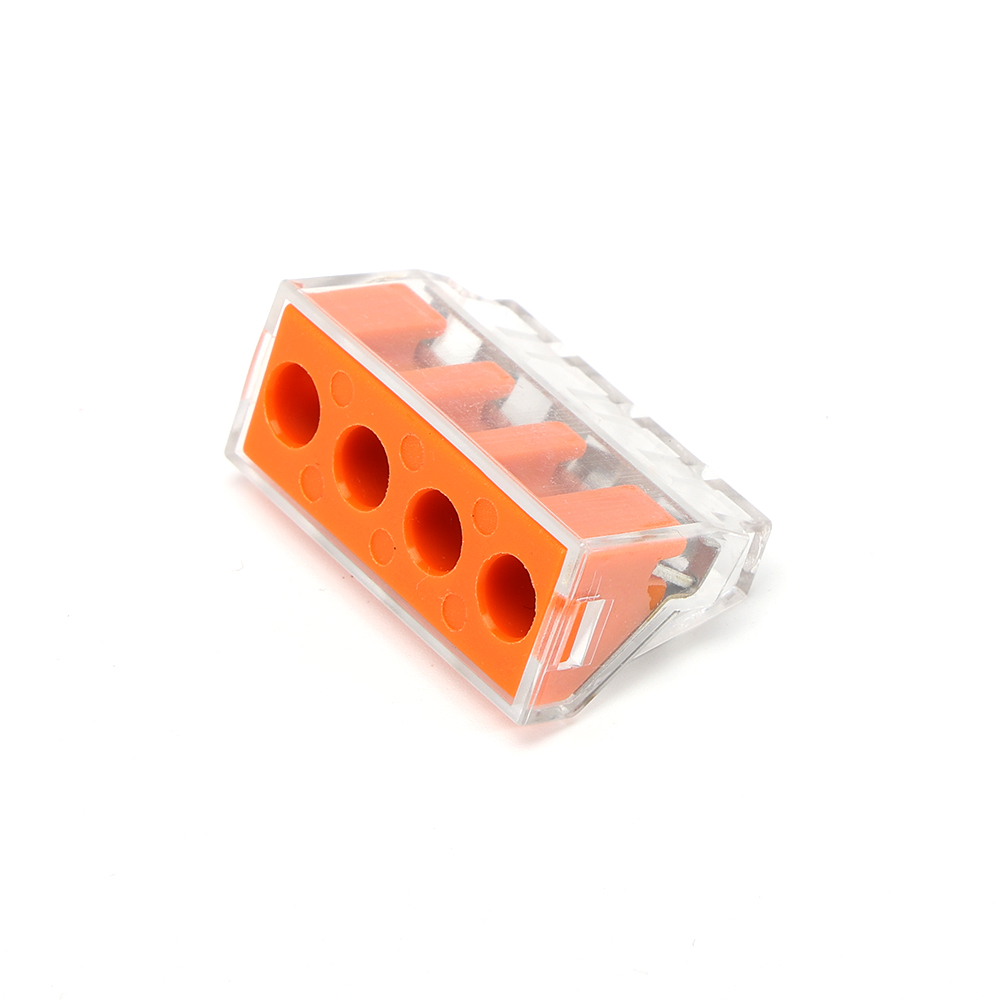 However, like all electrical components, quick connection terminals can experience performance degradation over time. Mechanical stress, excessive current, poor installation practices, environmental exposure, and material aging can reduce the reliability of a Quick Connect Block, potentially causing overheating, intermittent connections, or even electrical system failures.
Recognizing the early warning signs of terminal block failure is important for preventing unexpected downtime and improving electrical safety. Replacing a damaged Quick Connect Terminal Block at the right time can help maintain stable circuit performance and avoid costly equipment repairs.
This article explains the common signs that indicate a quick connect terminal block needs replacement, the main causes of failure, how to replace faulty terminals, and how to select a reliable quick connection terminal supplier for industrial applications.
Signs That A Quick Connect Terminal Block Needs Replacement
A failing Quick Connect Terminal Block does not always stop working immediately. In many cases, performance problems develop gradually before complete failure occurs. Identifying these warning signs allows maintenance teams and electrical engineers to replace damaged components before they affect the entire electrical system.
The following conditions indicate that a quick connect terminal block may require inspection or replacement.
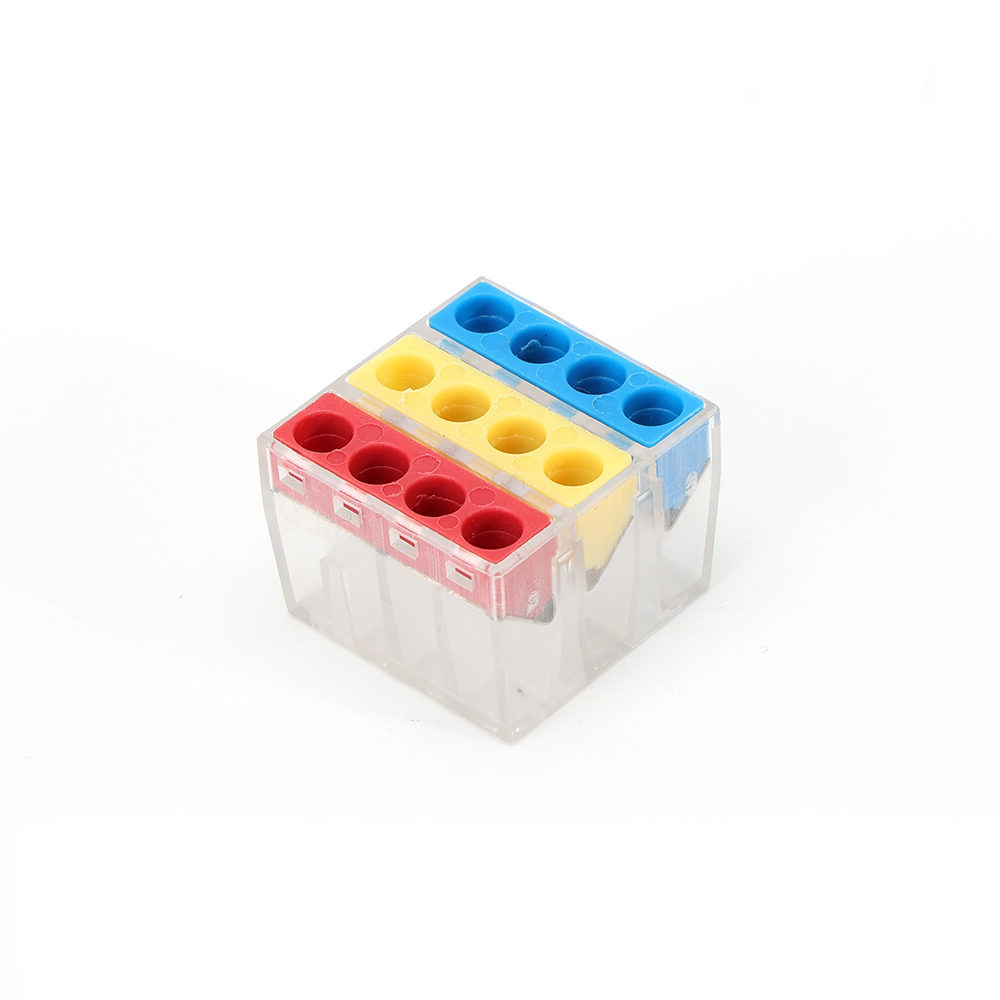
Visible Damage, Cracks, Or Deformation On Housing
The first sign of a damaged Quick Connect Block is often physical deterioration of the terminal housing.
The insulation housing of a quick connection terminal is designed to protect conductive parts and maintain proper spacing between electrical contacts. When the housing becomes cracked, melted, deformed, or broken, the terminal may lose its mechanical strength and electrical protection capability.
Common causes of housing damage include:
- Excessive operating temperature
- Mechanical impact during installation
- Chemical exposure
- Poor-quality insulation materials
- Long-term aging under harsh conditions
A damaged housing can create several risks:
- Reduced insulation performance
- Increased possibility of short circuits
- Loose internal contact structures
- Reduced protection against dust and moisture
For industrial applications, terminal block damage should not be ignored. Even minor cracks may expand over time due to vibration or temperature changes.
When visible deformation appears on a Quick Connect Terminal Block, replacing the component is usually the safest solution to restore reliable electrical performance.
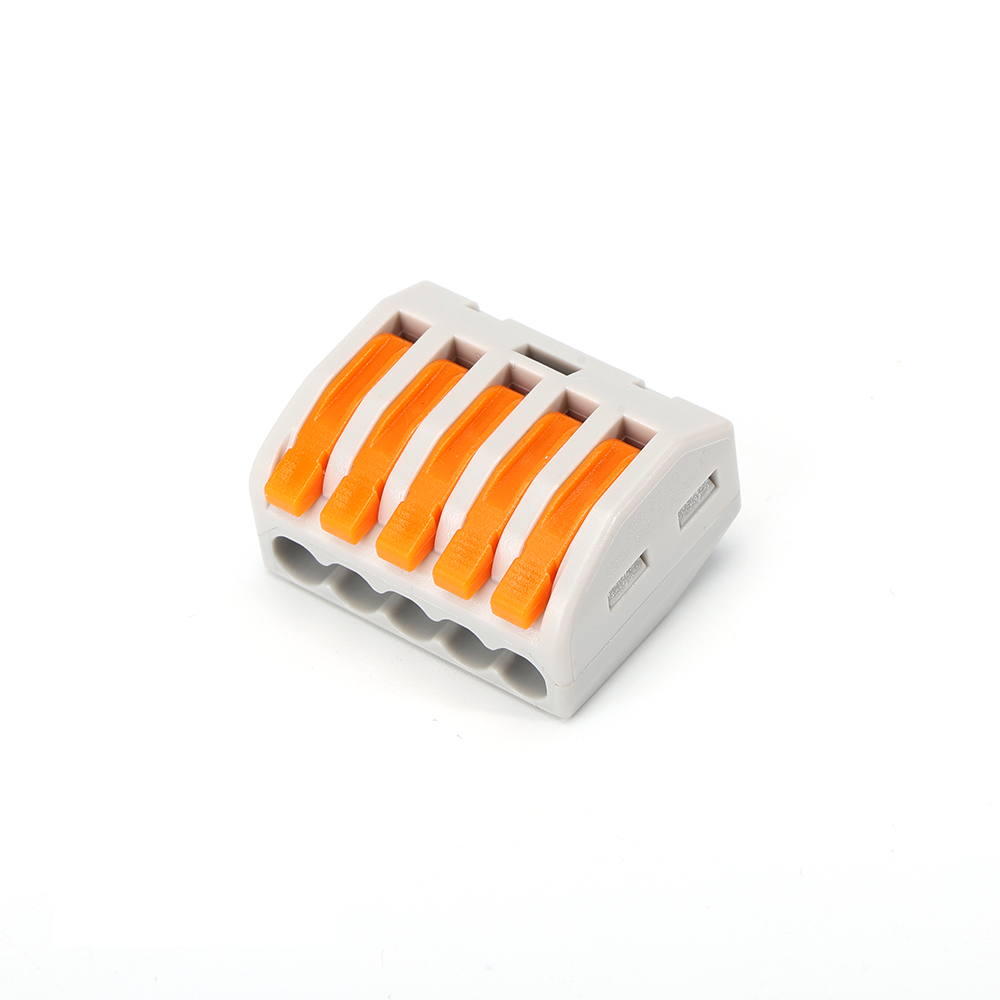 Loose Wire Connections Or Poor Clamping Performance
A secure wire connection is the primary function of any electrical terminal. If a Quick Connection Terminal cannot firmly hold the conductor, the electrical connection may become unstable.
Unlike traditional screw terminals, quick connect designs rely on spring mechanisms, locking structures, or push-in contact systems to maintain conductor pressure. Over time, these internal components may weaken due to repeated use, vibration, or excessive electrical stress.
Signs of poor clamping performance include:
- Wires easily pulling out from the terminal
- Intermittent electrical contact
- Increased resistance at the connection point
- Equipment shutdown caused by loose wiring
- Need for frequent wire adjustments
A loose connection increases contact resistance, which generates additional heat during operation. This can accelerate terminal aging and eventually lead to complete failure.
If a Quick Connect Wire Connector no longer provides reliable conductor retention, replacing the terminal block is recommended instead of repeatedly reconnecting the wire.
Overheating, Burn Marks, Or Discoloration
Overheating is one of the most serious indicators that a Quick Connect Electrical Connector may be failing.
During normal operation, terminal blocks should maintain stable electrical conductivity with minimal heat generation. Excessive temperature usually indicates increased resistance, poor contact pressure, incorrect wire sizing, or operation beyond the rated current capacity.
Typical overheating symptoms include:
- Brown or black marks on the terminal housing
- Melted plastic insulation
- Burn smell near the electrical panel
- Discolored metal contacts
- Deformed connector structure
Overheating can damage both the terminal block and connected equipment. In severe cases, it may create fire hazards in electrical cabinets or control systems.
Common reasons for overheating include:
Incorrect Current Rating Selection
Selecting a terminal block with insufficient current capacity can cause excessive heat buildup. Engineers should always match terminal specifications with the application’s voltage, current, and cable requirements.
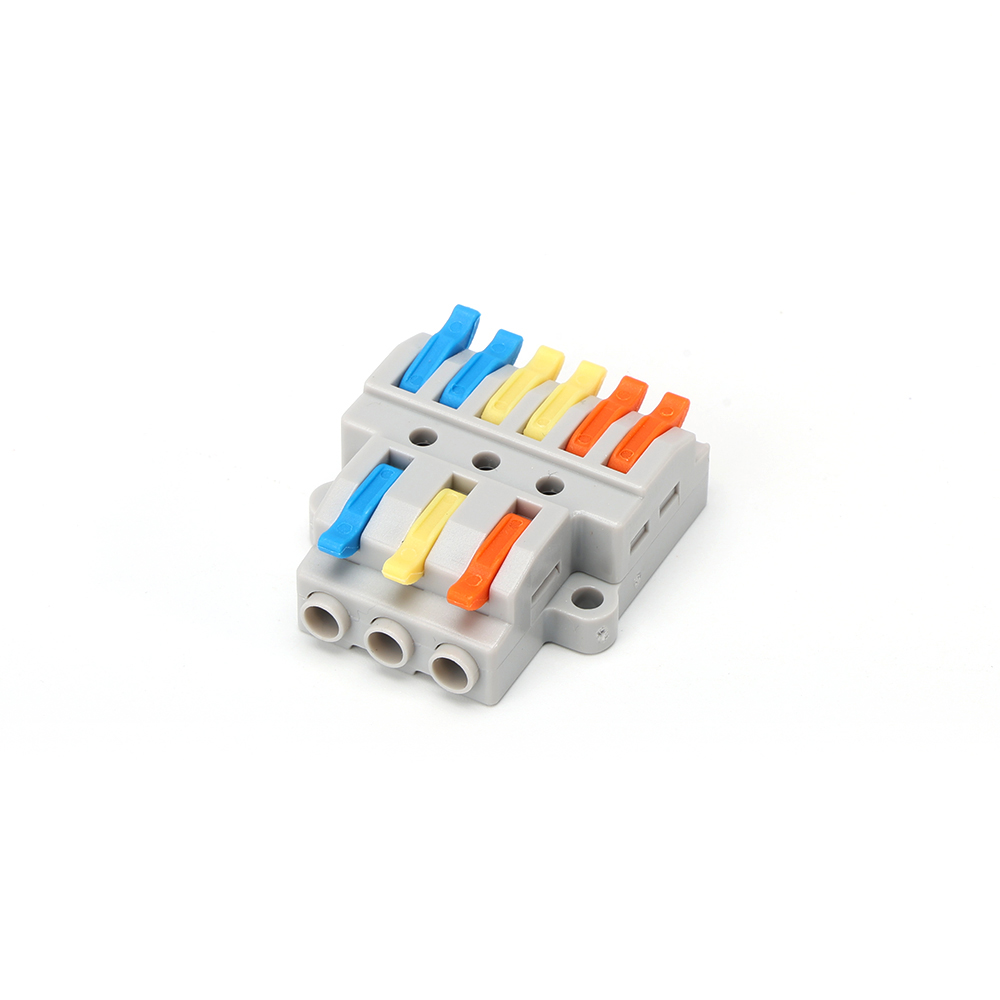
Poor Contact Quality
A weak connection between the conductor and contact element increases electrical resistance. Higher resistance produces more heat according to electrical principles.
Overloaded Electrical Circuits
When equipment operates beyond the designed load, the terminal block may experience continuous thermal stress.
If any overheating signs appear, the affected Terminal Block Quick Connect should be inspected immediately and replaced when necessary.
Frequent Electrical Failures Or Intermittent Circuit Problems
Repeated electrical interruptions are another common indication that a Quick Connect Terminal Block is no longer performing correctly.
A failing terminal connection may cause:
- Equipment starting and stopping unexpectedly
- Signal transmission interruptions
- Control system errors
- Voltage fluctuations
- Unstable machine operation
In industrial automation environments, even brief connection interruptions can affect production efficiency and increase maintenance costs.
Intermittent failures are often difficult to diagnose because the circuit may appear normal during inspection but fail under vibration, temperature changes, or operational load.
Possible causes include:
- Damaged internal contact springs
- Loose conductor retention
- Oxidized contact surfaces
- Mechanical wear from repeated maintenance
Replacing a defective quick connect block can eliminate unstable connection problems and improve overall system reliability.
Corrosion, Oxidation, Or Contamination On Connection Points
Electrical contact surfaces must remain clean and conductive to ensure stable current transmission. Corrosion or contamination can significantly reduce the performance of a Quick Connect Terminal Block.
Common contamination sources include:
- Moisture exposure
- Industrial chemicals
- Dust accumulation
- Oil or grease contamination
- High-humidity environments
Corrosion creates a layer between the conductor and contact surface, increasing electrical resistance. This can lead to:
- Poor electrical conductivity
- Increased temperature
- Signal loss
- Premature component failure
For outdoor equipment, manufacturing facilities, and harsh industrial environments, selecting terminals with appropriate material protection is essential.
If corrosion has damaged the internal conductive parts of a quick connection terminal, cleaning may only provide a temporary solution. Replacement is usually required to restore long-term reliability.
Difficulty During Installation Or Frequent Connection Failures
A properly designed Quick Connect Block should provide simple and efficient installation. If installers experience repeated connection problems, the terminal may have reached the end of its service life or may not be suitable for the application.
Common installation-related warning signs include:
- Wire insertion becomes difficult
- Locking mechanism does not function properly
- Conductors cannot be secured correctly
- Frequent installation errors occur
- Terminal components break during wiring
These issues may result from:
- Internal mechanical damage
- Poor manufacturing quality
- Incorrect terminal selection
- Excessive mechanical wear
For production environments where wiring efficiency is critical, unreliable quick connection terminals can increase labor costs and reduce assembly productivity.
Replacing damaged components with high-quality Quick Connect Wire Connectors helps ensure faster installation and more dependable electrical connections.
Common Causes Of Quick Connect Terminal Block Failure
Understanding why a Quick Connect Terminal Block fails helps engineers and purchasing teams prevent recurring electrical problems. Although these components are designed for long-term operation, improper selection, installation mistakes, and harsh operating conditions can significantly reduce their service life.
The following are the most common causes of quick connection terminal failure in industrial and commercial applications.
Improper Wire Selection And Installation
Incorrect wire selection and improper installation are among the most common reasons for Quick Connect Terminal Block failure.
Every terminal block is designed for specific conductor sizes, current ratings, and installation requirements. Using an unsuitable wire can prevent the terminal from achieving proper electrical contact.
Common installation problems include:
- Using wires outside the recommended conductor range
- Incorrect wire stripping length
- Damaged wire strands during preparation
- Incomplete conductor insertion
- Incorrect installation direction
For example, if the stripped wire length is too short, the conductor may not fully contact the internal conductive element. This creates higher resistance and may cause overheating.
On the other hand, if too much insulation is removed, exposed conductor sections may increase the risk of accidental contact between adjacent terminals.
When installing Quick Connect Wire Connectors, technicians should always follow manufacturer specifications regarding:
- Wire cross-sectional area
- AWG size compatibility
- Stripping length requirements
- Conductor type compatibility
Proper installation ensures that the spring mechanism or locking structure inside the Terminal Block Quick Connect maintains stable pressure on the conductor.
Electrical Overload And High Current Conditions
Operating a Quick Connect Electrical Connector beyond its rated electrical capacity can lead to premature failure.
Each terminal block has defined specifications, including:
- Rated voltage
- Rated current
- Maximum conductor size
- Temperature resistance
When the actual electrical load exceeds these limits, excessive current flows through the conductive components. This creates additional heat, which can gradually damage the housing and internal contact structure.
Typical overload situations include:
- Connecting equipment with higher power requirements
- Expanding electrical systems without upgrading terminals
- Continuous operation near maximum current ratings
- Incorrect circuit design
Long-term overload may result in:
- Contact surface degradation
- Loss of spring force
- Housing deformation
- Electrical insulation failure
For industrial control panels and automation systems, selecting a Quick Connect Terminal Block with sufficient current capacity is essential for maintaining operational reliability.
Engineers should consider both normal operating conditions and possible future load increases when selecting terminal components.
Environmental Factors
Environmental conditions can significantly affect the lifespan of a Quick Connection Terminal.
Although many modern terminal blocks are manufactured using durable insulation materials, exposure to extreme environments may still cause performance degradation.
Common environmental factors include:
High Temperature
Continuous exposure to elevated temperatures can accelerate aging of plastic insulation materials and reduce the mechanical strength of terminal components.
Humidity And Moisture
Moisture can cause oxidation of conductive parts, resulting in increased contact resistance and unstable electrical performance.
Dust And Contaminants
Industrial environments may contain dust, oil, chemicals, or particles that enter electrical cabinets and affect connection reliability.
Vibration And Mechanical Shock
Equipment such as motors, industrial machines, and transportation systems often experience vibration. Continuous mechanical stress can weaken internal clamping structures.
For applications in harsh environments, choosing a properly rated Quick Connect Block with suitable material protection and environmental resistance can greatly improve service life.
Low-Quality Terminal Components
The quality of materials and manufacturing processes directly affects the reliability of a Quick Connect Terminal Block.
Low-quality terminal blocks may use inferior insulation materials, weak conductive metals, or unreliable connection mechanisms. These products may appear cost-effective initially but often create higher maintenance costs over time.
Common quality problems include:
- Poor electrical conductivity
- Weak mechanical strength
- Inconsistent manufacturing tolerances
- Low-temperature resistance
- Reduced contact reliability
High-quality quick connection terminals typically feature:
- Durable insulating materials
- Reliable conductive components
- Accurate manufacturing processes
- Stable mechanical performance
- Compliance with international electrical standards
For industrial applications, selecting a professional terminal block manufacturer helps ensure consistent quality and long-term reliability.
How To Replace A Faulty Quick Connect Terminal Block
Replacing a damaged Quick Connect Terminal Block requires careful inspection and proper installation procedures. Incorrect replacement can introduce new electrical risks, including loose connections, overheating, or equipment malfunction.
The following steps explain the general replacement process.
Disconnect Power And Inspect The Existing Connection
Before replacing any terminal component, always disconnect the electrical power supply.
Safety procedures should include:
- Turning off the main power source
- Confirming that no voltage is present
- Following lockout/tagout procedures when required
- Checking the condition of connected wires
After power isolation, inspect the existing Quick Connection Terminal for:
- Burn marks
- Loose conductors
- Physical damage
- Corrosion
- Signs of overheating
A complete inspection helps determine whether only the terminal block requires replacement or whether connected wiring components are also damaged.
Select The Correct Replacement Terminal Block
Choosing the correct replacement is critical for maintaining electrical performance.
When selecting a new Terminal Block Quick Connect, consider the following specifications:
Current And Voltage Rating
The replacement terminal must support the electrical requirements of the application.
Wire Size Compatibility
The terminal should match the conductor size, including:
- AWG rating
- Cable cross-section area
- Solid or stranded wire type
Installation Method
Ensure the new terminal matches the existing mounting requirements, such as:
- DIN rail mounting
- Panel mounting
- PCB installation
Environmental Requirements
Consider operating conditions such as:
- Temperature range
- Humidity exposure
- Vibration levels
- Industrial contamination
Using a properly matched Quick Connect Wire Connector ensures reliable performance and reduces future maintenance requirements.
Remove The Damaged Terminal And Install The New One
After selecting the correct replacement terminal, carefully remove the damaged component.
The general replacement process includes:
- Disconnecting wires from the damaged terminal
- Removing the old quick connect block
- Checking wire condition
- Preparing conductors if necessary
- Installing the new terminal
- Securing wires according to manufacturer instructions
During installation, technicians should ensure:
- Conductors are fully inserted
- Connection points are properly locked
- No loose wire strands remain exposed
- Terminal positioning is correct
A high-quality Quick Connect Block should provide smooth installation and stable conductor retention.
Test Electrical Performance After Replacement
After installing a new Quick Connect Terminal Block, electrical testing should be performed before returning the system to normal operation.
Recommended checks include:
Visual Inspection
Confirm that:
- Wires are correctly positioned
- Terminal connections are secure
- No physical damage exists
Electrical Testing
Depending on the application, testing may include:
- Continuity testing
- Voltage measurement
- Current verification
- Insulation resistance testing
Operational Testing
Run the connected equipment and observe:
- Stable operation
- No overheating
- No intermittent failures
- No abnormal electrical noise
Proper testing ensures that the replacement Quick Connect Electrical Connector performs safely and reliably.
How To Choose Reliable Quick Connect Terminal Block Supplier
Selecting a reliable supplier is an important step for companies purchasing Quick Connect Terminal Block products for industrial applications. The quality of terminal components directly affects electrical safety, equipment reliability, and long-term maintenance costs.
For manufacturers, system integrators, distributors, and electrical contractors, a qualified supplier should provide not only high-quality products but also technical support, customization capabilities, and consistent supply performance.
When evaluating a quick connection terminal supplier, consider the following key factors.
Check Product Quality And Material Standards
Product quality is the foundation of reliable electrical connections.
A professional Quick Connect Terminal Block manufacturer should use high-quality materials and strict production processes to ensure stable electrical and mechanical performance.
Important quality factors include:
High-Performance Insulation Materials
The housing material should provide:
- Excellent electrical insulation
- High temperature resistance
- Mechanical durability
- Flame-retardant performance
Common insulation materials used in industrial terminal blocks include engineering plastics such as PA66, which offer good thermal stability and mechanical strength.
Reliable Conductive Materials
The conductive components inside a Quick Connect Block should provide:
- Low electrical resistance
- Excellent conductivity
- Strong corrosion resistance
- Stable contact performance
Copper alloys are commonly used because they provide a balance between electrical conductivity and mechanical strength.
Strict Manufacturing Control
A reliable supplier should implement quality control throughout the production process, including:
- Incoming material inspection
- Precision manufacturing
- Assembly inspection
- Electrical performance testing
- Final product verification
Consistent manufacturing quality ensures that every Terminal Block Quick Connect delivers stable performance in industrial environments.
Evaluate Technical Specifications And Certification
Before purchasing Quick Connect Electrical Connectors, buyers should carefully evaluate product specifications and compliance standards.
A professional supplier should provide detailed technical information, including:
- Rated voltage
- Rated current
- Wire size range
- Operating temperature
- Insulation material
- Mounting method
- Mechanical endurance
These specifications help engineers confirm whether the terminal block is suitable for their application.
Certifications and testing standards are also important indicators of product reliability.
Depending on the target market and application requirements, buyers may look for products that comply with relevant international standards, such as:
- IEC standards
- UL requirements
- RoHS compliance
- CE requirements
Certified Quick Connection Terminal products provide greater confidence for industrial users, especially in applications where electrical safety and system reliability are critical.
Consider OEM And Customization Capabilities
Different industries often have unique wiring requirements. Therefore, choosing a supplier with OEM and customization capabilities can provide significant advantages.
A professional Quick Connect Terminal Block manufacturer should be able to support customization services such as:
- Customized terminal designs
- Special wire connection configurations
- Different colors for circuit identification
- Customized packaging
- Customer-specific labeling
OEM capability is particularly valuable for:
- Industrial equipment manufacturers
- Automation system suppliers
- Electrical panel builders
- Distributor brands
By working with an experienced supplier, companies can develop Quick Connect Wire Connectors that match their specific application requirements while improving installation efficiency.
A supplier with strong engineering support can also help customers optimize terminal selection based on:
- Current requirements
- Installation environment
- Space limitations
- Cost considerations
Why Choose Westlec Quick Connect Solutions
For industrial electrical applications, Westlec provides reliable Quick Connect Terminal Block solutions designed to meet the needs of global customers.
With professional manufacturing experience and a focus on electrical connection technology, Westlec supplies terminal products that support various industrial applications, including:
- Industrial control cabinets
- Automation equipment
- Power distribution systems
- Electrical control panels
- Machinery wiring systems
Westlec quick connection terminals are developed with attention to:
Reliable Electrical Performance
High-quality conductive materials and precision manufacturing help maintain stable electrical contact and reduce connection failures.
Efficient Installation
The quick connection design allows faster wiring operations compared with traditional connection methods, helping reduce installation time and labor costs.
Industrial Application Support
Westlec understands the requirements of B2B customers, including OEM manufacturers, distributors, and engineering companies.
The company can provide support for:
- Product selection guidance
- Customized solutions
- Bulk orders
- Technical communication
By choosing a professional supplier like Westlec, customers can improve electrical system reliability while reducing maintenance risks caused by poor-quality terminal components.
FAQ
How Long Does A Quick Connect Terminal Block Usually Last?
The service life of a Quick Connect Terminal Block depends on factors such as material quality, operating conditions, electrical load, and installation methods.
Under normal industrial conditions, high-quality terminal blocks can operate reliably for many years. However, exposure to excessive heat, vibration, moisture, or electrical overload may shorten their lifespan.
Regular inspection and proper maintenance can help identify early signs of degradation and prevent unexpected failures.
What Causes Overheating In Quick Connect Electrical Connectors?
Overheating in Quick Connect Electrical Connectors is usually caused by increased electrical resistance or excessive current flow.
Common causes include:
- Loose wire connections
- Incorrect wire size
- Overloaded circuits
- Poor-quality conductive materials
- Damaged internal contact mechanisms
Selecting a properly rated terminal block and ensuring correct installation can significantly reduce overheating risks.
Can Damaged Quick Connect Terminal Block Cause Electrical Failures?
Yes. A damaged Quick Connect Terminal Block can cause various electrical problems, including:
- Intermittent connections
- Equipment shutdowns
- Signal interruptions
- Voltage instability
- Overheating issues
In industrial systems, replacing damaged terminal components quickly helps prevent larger equipment failures.
How Do I Choose The Right Quick Connection Terminal For My Project?
Choosing the correct Quick Connection Terminal requires evaluating several factors:
- Required current rating
- Operating voltage
- Wire size compatibility
- Installation environment
- Mounting requirements
- Certification requirements
It is important to select a terminal block that matches both the electrical specifications and mechanical requirements of the application.
Are Quick Connect Wire Connectors Suitable For Industrial Applications?
Yes. Quick Connect Wire Connectors are widely used in industrial applications because they provide:
- Faster installation
- Reliable conductor connection
- Reduced wiring time
- Easy maintenance
They are commonly used in automation systems, control cabinets, machinery, and electrical distribution equipment.
Can I Replace Terminal Block Quick Connect Without Changing The Wiring?
In many cases, a Terminal Block Quick Connect can be replaced without changing the existing wiring if the replacement product has the same electrical and mechanical specifications.
However, engineers should confirm:
- Wire size compatibility
- Current rating
- Mounting method
- Terminal dimensions
Using an incompatible replacement may create safety issues or reduce system reliability.
Why Choose Westlec Quick Connect Terminal Blocks For Industrial Applications?
Westlec Quick Connect Terminal Blocks are designed for industrial users who require reliable electrical connections, efficient installation, and consistent product quality.
With professional manufacturing capabilities and customization support, Westlec helps customers select suitable terminal solutions for different applications.
What Is The Difference Between Quick Connect Block And Traditional Terminal Block?
The main difference is the connection method.
A Quick Connect Block typically uses push-in, spring clamp, or quick locking mechanisms, allowing faster wire installation.
Traditional terminal blocks often require screw tightening, which may take more installation time.
Advantages of quick connect designs include:
- Faster wiring
- Reduced installation labor
- Easier maintenance
- Consistent connection pressure
However, the best choice depends on application requirements, current capacity, and environmental conditions.
Conclusion
A reliable Quick Connect Terminal Block plays an important role in maintaining safe and efficient electrical systems. However, factors such as overheating, loose connections, corrosion, mechanical damage, and improper installation can gradually reduce terminal performance.
Recognizing early warning signs allows maintenance teams to replace faulty components before they cause equipment downtime or electrical hazards.
When selecting replacement terminals or sourcing products for new projects, companies should consider product quality, technical specifications, certification requirements, and supplier capabilities.
Working with an experienced manufacturer like Westlec ensures access to dependable Quick Connect Wire Connectors, Quick Connect Electrical Connectors, and customized terminal solutions designed for industrial applications.
By choosing high-quality terminal connection products and following proper installation practices, businesses can improve electrical reliability, reduce maintenance costs, and achieve safer long-term operation.
 EN
EN  PT
PT 