


When creating reliable electrical connections, engineers, electricians, and manufacturers often face a common question: Is crimping terminals better than soldering?
Both crimping and soldering have been used for decades in electrical and electronic applications. However, with the rapid growth of industrial automation, automotive wiring, renewable energy systems, and electrical control panels, crimping terminals have become the preferred connection method in many industries.
The choice between a crimped connection and a soldered connection can significantly affect reliability, conductivity, maintenance costs, and overall system performance. Understanding the strengths and limitations of each method helps professionals select the most suitable solution for their applications.
In this article, we’ll compare crimping terminals vs soldering, examine their advantages and disadvantages, and explain why most manufacturers now favor crimped connections for industrial and commercial electrical systems.
What Are Crimping Terminals?
Crimping terminals are electrical connectors designed to create a secure mechanical and electrical connection between a conductor and a terminal by applying pressure with a crimping tool.
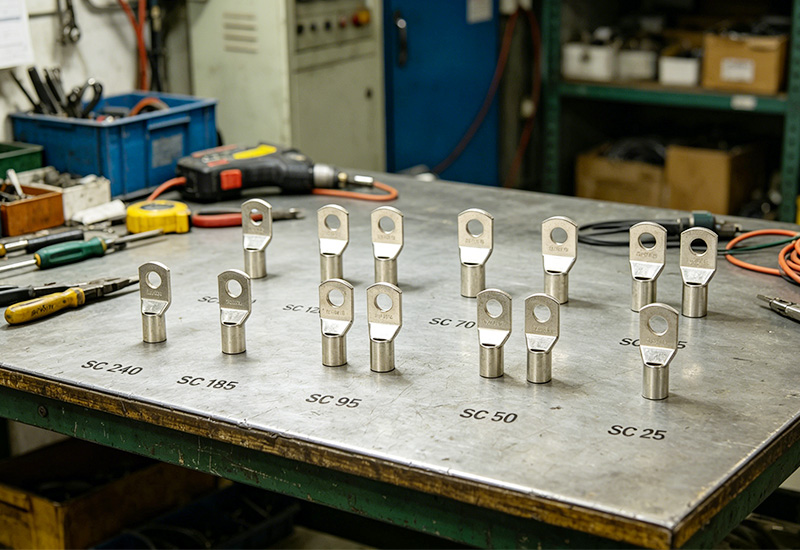
During the crimping process, the terminal barrel is compressed around the wire strands, forming a gas-tight connection often referred to as a cold weld.
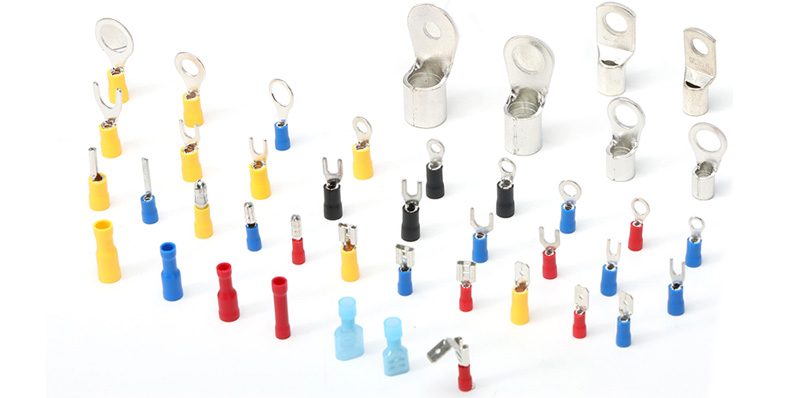
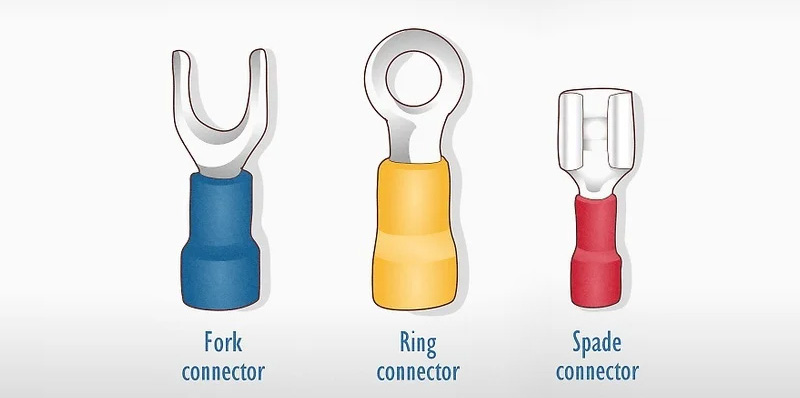
Common types of crimp terminals include:
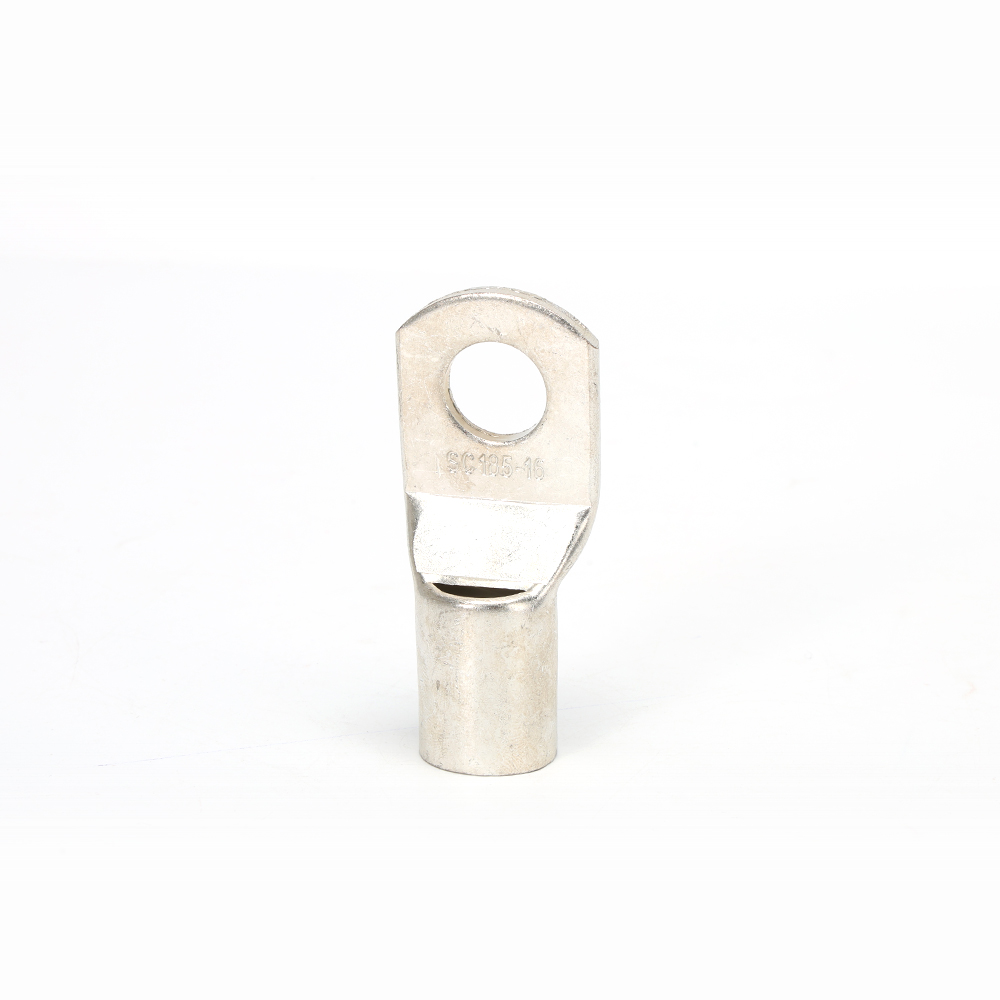
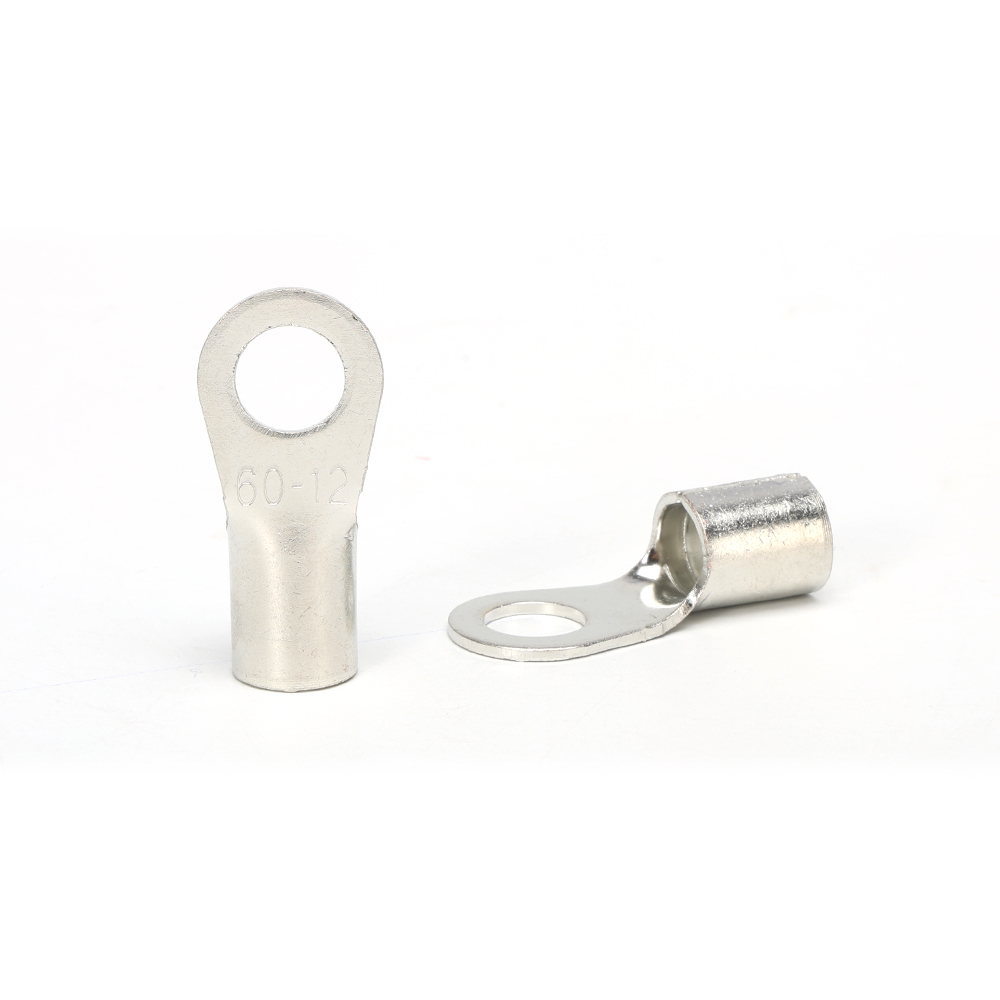
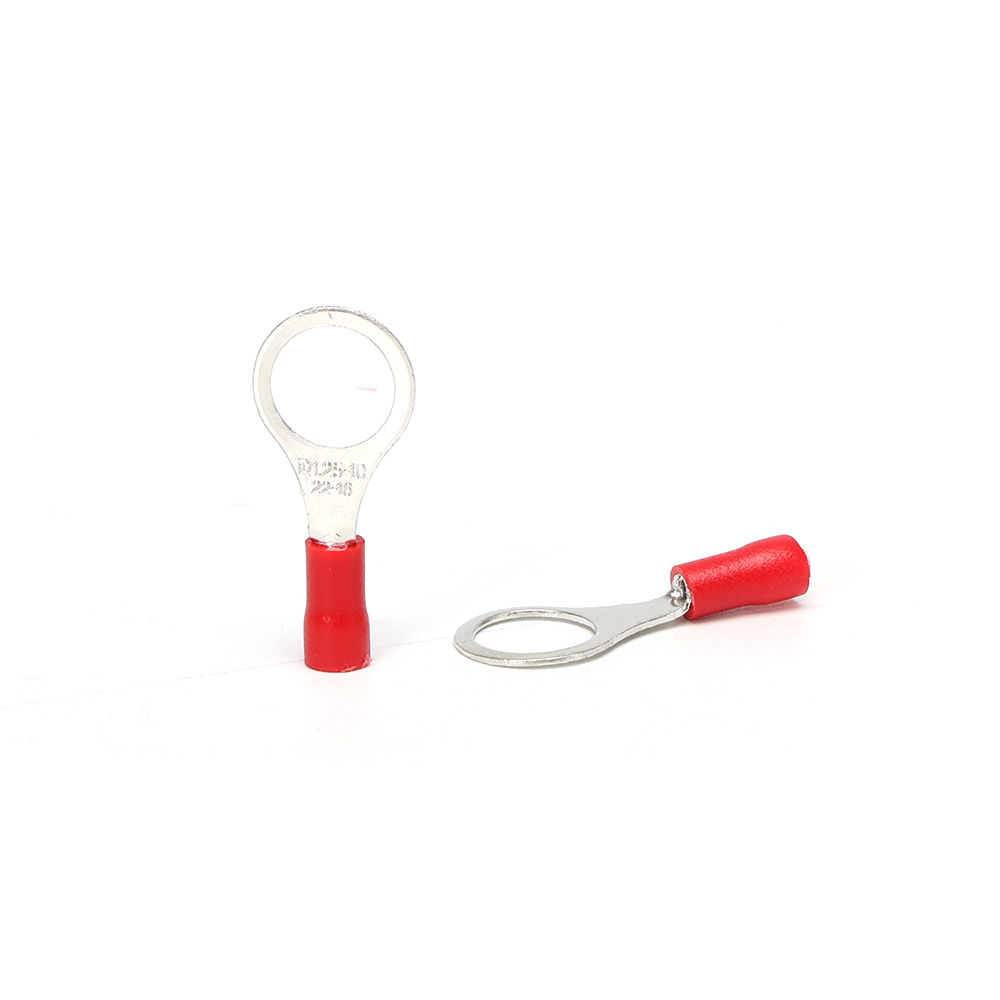
● Ring terminals
● Fork terminals
● Pin terminals
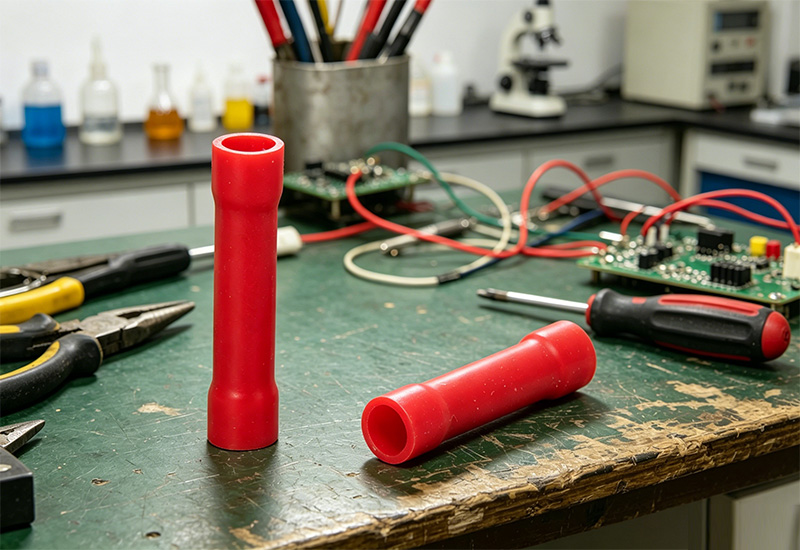
● Butt connectors
● Quick disconnect terminals
● Ferrules
● Spade terminals
Crimping terminals are widely used in:
● Industrial control panels
● Power distribution systems
● Automotive wiring harnesses
● Renewable energy systems
● Telecommunications equipment
● Railway electrical systems
● Aerospace applications
A properly executed crimp connection can provide excellent electrical conductivity and long-term reliability without requiring heat.
What Is Soldering?
Soldering is a process that joins wires or components by melting a filler metal (solder) into the joint.
The solder flows between the conductors and solidifies as it cools, creating both mechanical and electrical bonding.
Typical soldering applications include:
● Printed circuit boards (PCBs)
● Electronic assemblies
● Prototype development
● Small signal circuits
● Consumer electronics repair
While soldering remains essential in electronics manufacturing, it is increasingly less common for industrial wire termination applications where vibration resistance and field installation efficiency are critical.
Crimping Terminals vs Soldering: Key Differences
Installation Process
Crimping
Crimping requires:
● Wire stripping
● Terminal selection
● Crimping tool application
The entire process can be completed within seconds.
Benefits include:
● Fast installation
● Consistent quality
● No heat required
● Minimal operator skill
Soldering
Soldering requires:
● Surface preparation
● Flux application
● Heating
● Solder application
● Cooling time
The process takes longer and requires greater skill to achieve consistent results.
Winner: Crimping
For production environments and field installations, crimping is significantly faster and more efficient.
Mechanical Strength
Mechanical strength is critical in environments exposed to movement, vibration, or shock.
Crimped Connections
A properly crimped terminal compresses wire strands together to create a highly durable mechanical bond.
Advantages include:
● Excellent pull-out resistance
● High vibration tolerance
● Reduced fatigue failure
● Long service life
Soldered Connections
Although soldered joints can initially be strong, solder often wicks into wire strands.
This creates a rigid section that becomes vulnerable to:
● Bending stress
● Vibration damage
● Wire fatigue
Over time, repeated movement may cause conductor breakage near the solder joint.
Winner: Crimping
Crimped terminals generally provide superior mechanical performance in industrial environments.
Electrical Conductivity Comparison
One common misconception is that soldering always provides better conductivity.
In reality, a properly executed crimp connection can perform just as well—or even better.
Crimped Connections
Professional crimping creates:
● Gas-tight contact
● Low contact resistance
● Stable conductivity
● Excellent current-carrying capability
The compressed metal surfaces eliminate air gaps and reduce oxidation.
Soldered Connections
Solder joints also provide good conductivity, but conductivity depends heavily on:
● Solder quality
● Joint preparation
● Heat control
● Operator skill
Poor soldering can create:
● Cold joints
● Voids
● Increased resistance
Winner: Tie
When correctly executed, both methods provide excellent electrical performance.
However, crimping tends to produce more consistent results in large-scale manufacturing.
Vibration Resistance
Industrial systems frequently experience vibration from:
● Motors
● Pumps
● Compressors
● Vehicles
● Rail equipment
● Wind turbines
Crimping Performance
Crimped terminals maintain flexibility in the wire strands while providing secure retention.
Advantages include:
● Superior vibration resistance
● Lower risk of conductor fatigue
● Reduced maintenance requirements
Soldering Performance
Soldered joints create rigid sections within the conductor.
Repeated vibration may eventually lead to:
● Cracked solder joints
● Wire breakage
● Connection failure
Winner: Crimping
This is one of the primary reasons automotive and aerospace industries heavily favor crimped terminals.
Corrosion Resistance
Environmental conditions significantly affect connection lifespan.
Crimped Connections
A correctly crimped terminal creates a gas-tight seal that helps prevent:
● Moisture intrusion
● Oxidation
● Corrosion
When combined with heat-shrink tubing, protection becomes even more effective.
Soldered Connections
Improper soldering can leave gaps where moisture accumulates.
Over time, corrosion may develop, particularly in outdoor environments.
Winner: Crimping
Especially for harsh industrial applications.
Cost Comparison
Crimping Costs
Initial investments include:
● Crimping tools
● Applicators
● Crimp dies
However, operating costs remain low due to:
● Fast processing
● Minimal training
● High productivity
Soldering Costs
Soldering requires:
● Soldering stations
● Solder wire
● Flux
● Cleaning materials
● Skilled labor
Production speed is slower, increasing labor costs.
Winner: Crimping
For high-volume production, crimping offers lower overall costs.
Why Most Manufacturers Prefer Crimping Terminals
Today, many industries have standardized on crimping technology.
Key reasons include:
Higher Production Efficiency
Manufacturers can process thousands of wire terminations per day with automated crimping equipment.
Consistent Quality
Automated crimping machines deliver repeatable results with minimal variation.
Improved Reliability
Crimped connections perform exceptionally well under:
● Vibration
● Temperature changes
● Mechanical stress
Lower Maintenance
Reliable connections reduce downtime and maintenance expenses.
Industry Compliance
Many international standards favor crimped wire terminations for critical applications.
Applications Where Crimping Terminals Are Preferred
Automotive Industry
Modern vehicles contain hundreds of electrical connections.
Crimp terminals are preferred because they:
● Resist vibration
● Support mass production
● Improve long-term reliability
Industrial Automation
Control cabinets and PLC systems require dependable wire terminations.
Crimping terminals help maintain stable electrical performance.
Renewable Energy Systems
Solar farms and wind turbines rely on crimped connections due to their durability and weather resistance.
Telecommunications
Communication systems require low-resistance connections capable of operating for years without failure.
Aerospace and Railways
Safety-critical systems depend on crimp technology because of its proven reliability under extreme operating conditions.
When Soldering May Be the Better Choice
Although crimping dominates industrial wiring applications, soldering remains valuable in specific situations.
Examples include:
PCB Assembly
Electronic circuit boards require soldering for component mounting.
Fine Electronic Work
Small conductors and delicate components may be easier to solder.
Prototyping
Engineers often use soldering during development and testing stages.
Low-Vibration Environments
Fixed electronic equipment may not require the mechanical advantages of crimping.
In these cases, soldering remains an effective solution.
How to Achieve Reliable Crimp Connections
Even the best crimp terminal can fail if installed incorrectly.
Follow these best practices:
Choose the Correct Terminal
Select terminals based on:
● Wire gauge
● Current rating
● Voltage rating
● Environmental conditions
Use Professional Crimping Tools
Avoid generic pliers or improper tools.
Use manufacturer-approved crimping equipment.
Inspect Every Crimp
Check for:
● Proper compression
● Wire retention
● Correct conductor insertion
Perform Pull Testing
Verify mechanical strength through pull-out testing when required.
Use Quality Materials
High-quality copper terminals with appropriate plating provide superior performance.
Common Myths About Crimping Terminals
Myth 1: Soldering Is Always Stronger
In reality, properly crimped terminals often exceed soldered joints in mechanical strength.
Myth 2: Crimping Has Higher Resistance
Modern crimp technology produces extremely low-resistance connections.
Myth 3: Crimping Is Only for Low-Cost Applications
Crimping is used extensively in aerospace, military, and industrial systems where reliability is critical.
Myth 4: Anyone Can Crimp Correctly
Proper tooling and training remain essential for achieving consistent results.
How to Choose a Reliable Crimp Terminal Manufacturer
When sourcing crimping terminals, consider:
Material Quality
Look for:
● High-conductivity copper
● Tinned copper options
● Corrosion-resistant plating
Manufacturing Standards
Verify compliance with:
● UL
● CE
● RoHS
● ISO 9001
Product Range
A reliable manufacturer should offer:
● Ring terminals
● Fork terminals
● Pin terminals
● Ferrules
● Butt connectors
Customization Capability
Industrial projects often require customized terminal solutions.
Technical Support
Experienced suppliers can recommend the best terminal design for your application.
Conclusion
So, is crimping terminals better than soldering?
For most industrial, automotive, telecommunications, renewable energy, and power distribution applications, the answer is yes.
Crimped connections offer superior vibration resistance, faster installation, greater consistency, lower production costs, and excellent long-term reliability. These advantages explain why modern manufacturers increasingly rely on crimping terminals instead of soldered wire connections.
Soldering still plays an important role in PCB assembly and electronics manufacturing, but when it comes to wire termination in demanding environments, crimping remains the industry standard.
By selecting high-quality crimp terminals and using proper installation techniques, businesses can achieve safer, stronger, and more reliable electrical connections for years to come.
Looking for High-Quality Crimping Terminals?
As a professional Crimp Terminal Manufacturer, we provide reliable crimping terminals, wire connectors, ferrules, and customized electrical connection solutions for industrial, automotive, and power distribution applications. Contact us today to find the right terminal products for your project.
 EN
EN  PT
PT 