


When it comes to Quick Connect Terminal Blocks, understanding their lifespan is crucial for anyone managing industrial wiring or control systems. You might think all terminal blocks are the same, but in reality, factors like material, environment, and usage can dramatically affect how long they last. In this guide, we’ll explore what influences their durability and how you can make informed choices to avoid unnecessary downtime.
Lifespan Of Quick Connect Terminal Blocks: What Affects It?
The lifespan of Quick Connect Terminal Blocks depends on several key factors, including the materials used, the quality of construction, and the electrical load they handle. High-quality metals and plastics can significantly extend durability, while overloading or exposure to harsh conditions can shorten it. If you want to understand what specifically affects the longevity of these terminals and how to make them last longer, read on below.
Material and Build Quality
Why Material Matters
The lifespan of Quick Connect Terminal Blocks often starts with the material used. High-quality metals like copper and tinned brass resist corrosion and provide stable electrical conductivity, whereas cheaper alloys can degrade faster, especially in humid or corrosive environments.
Key Points:
- Copper terminals maintain consistent conductivity over time.
- Tinned finishes help resist oxidation and corrosion.
- Plastic housings vary; high-grade polyamide resists heat better than cheaper plastics.
- Mechanical strength of the housing impacts repeated connections and disconnections.
- Avoid low-quality terminals in high-current or outdoor environments.
Electrical Load and Current Rating
How Current Affects Lifespan
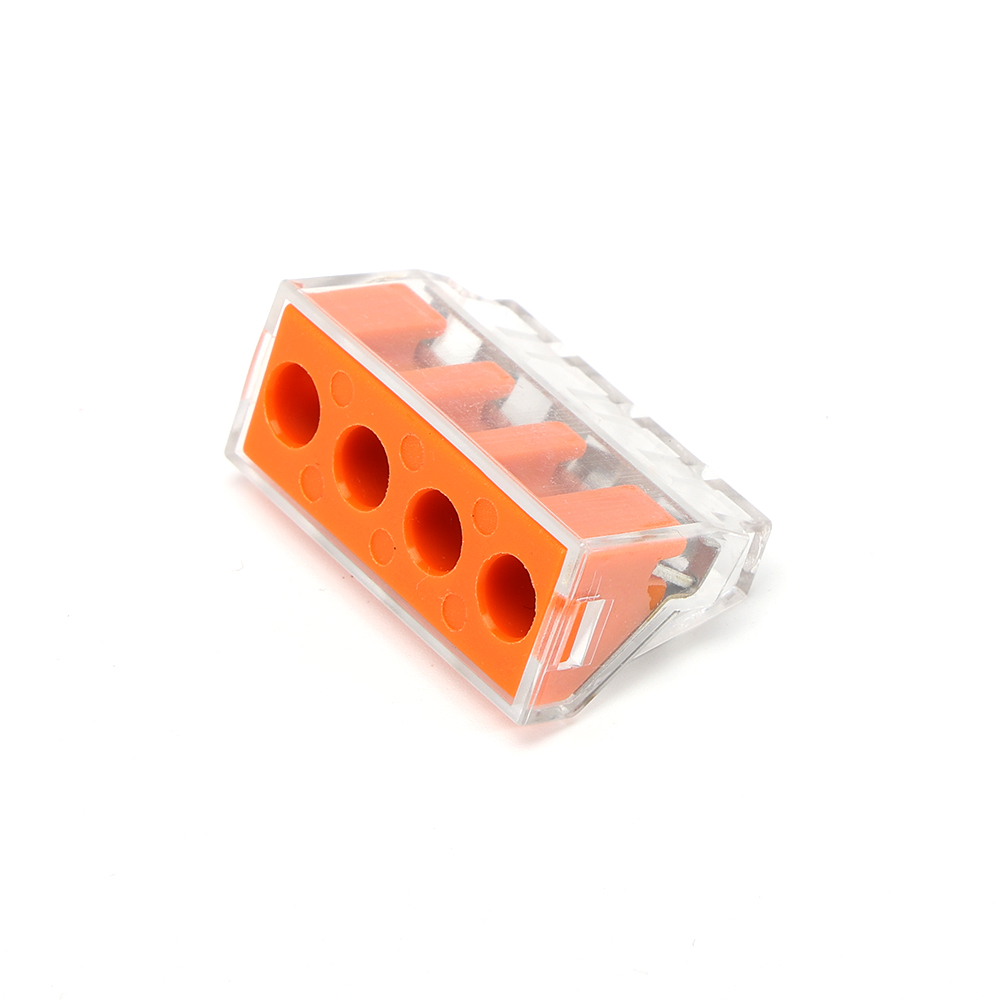
Every Quick Connect Wire Terminal Block is rated for a maximum current. Exceeding that can lead to overheating, deformation, or even failure. It’s tempting to use a block across multiple circuits, but each terminal has a designed load.
 Key Points:
- Always check the rated current and voltage.
- Overloading shortens terminal life and risks fire hazards.
- High-frequency switching can accelerate wear.
- Using blocks within rated parameters extends their lifespan significantly.
- Voltage spikes and electrical surges can damage insulation and connectors.
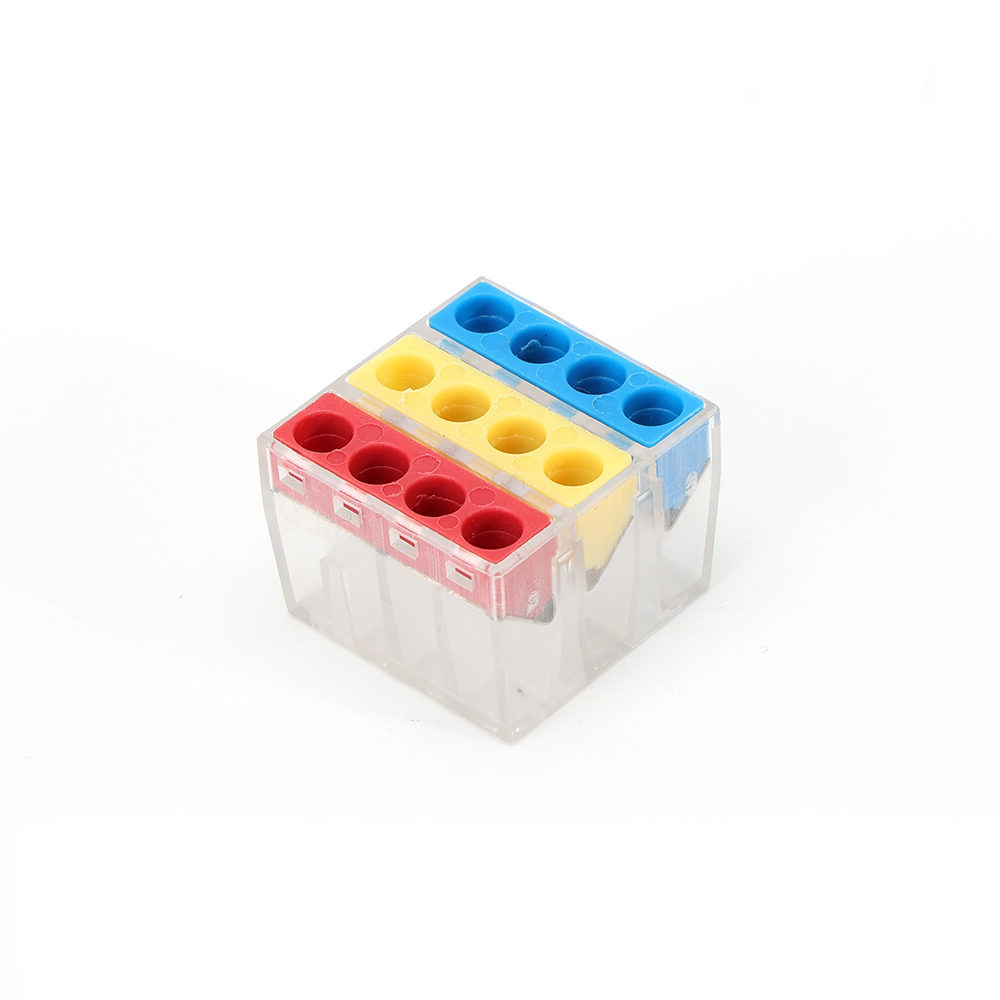
Table: Common Current Ratings vs Lifespan Impact
| Terminal Block Type | Rated Current (A) | Typical Lifespan | Environment | Material | Notes |
|---|---|---|---|---|---|
| Quick Connect PCB | 10-15 | 5-7 years | Indoor | Copper/Tinned | Frequent reconnections reduce life |
| Quick Connect Wire | 20-30 | 6-8 years | Indoor/Outdoor | Brass/Plastic | High load reduces lifespan |
| Quick Connect Electrical | 5-10 | 7-10 years | Controlled | Copper/Polyamide | Stable environment prolongs life |
| Quick Connect High Voltage | 30-50 | 4-6 years | Industrial | Alloy/High-grade Plastic | Requires regular inspection |
| Cable Quick Connector | 15-25 | 6-9 years | Industrial | Copper/Plastic | Moisture protection recommended |
 Environmental Factors
Heat, Moisture, and Corrosion
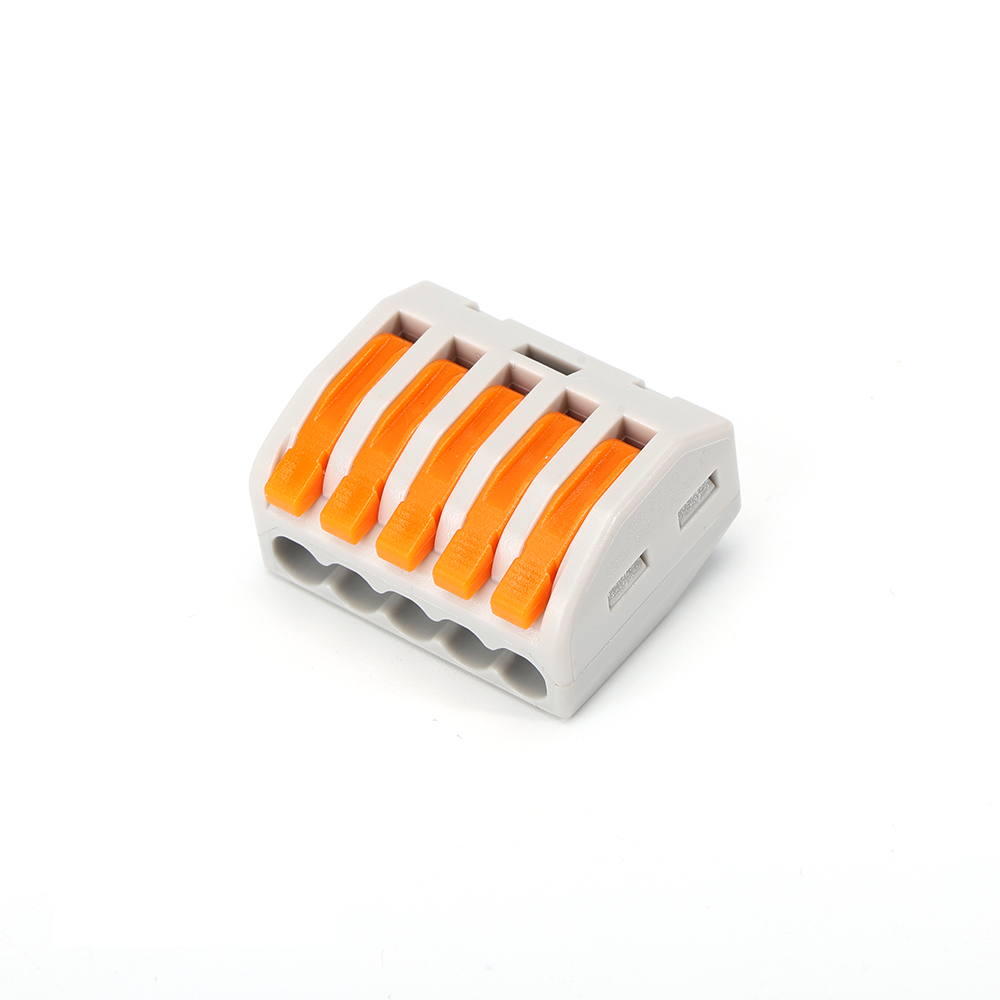
Environmental exposure can make or break your Quick Connect Electrical Connectors. Even the best materials can fail if subjected to extreme conditions.
Key Points:
- High humidity accelerates corrosion of metal contacts.
- Temperature fluctuations can warp housings or insulation.
- UV exposure affects plastic terminals outdoors.
- Dust and chemical exposure can impair connectivity.
- Regular inspection helps identify early wear and extend lifespan.
 Usage Patterns and Maintenance
How Frequent Handling Impacts Lifespan
Even a durable terminal block can suffer if it’s frequently disconnected and reconnected. Maintenance habits play a surprisingly large role.
Key Points:
- Frequent disconnections wear down contact springs.
- Tightening screws too much can crack the housing.
- Periodic cleaning removes dust, grease, and oxidation.
- Using compatible tools prevents accidental damage.
- Training staff on proper handling reduces failure rates.
Installation Practices and Compatibility
Selecting the Right Terminal Block
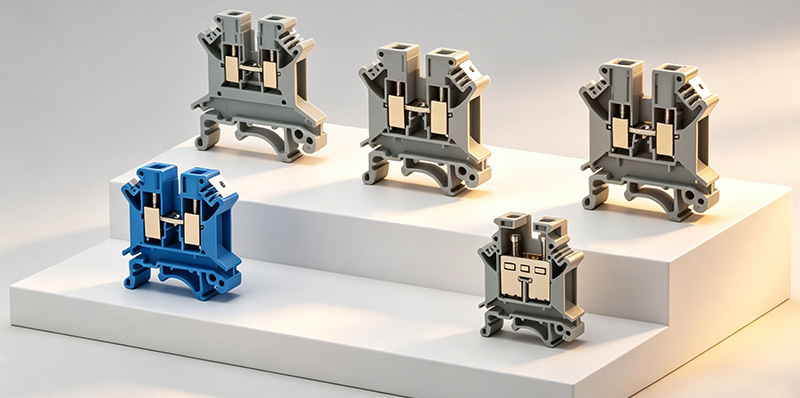
Choosing the right Quick Connect Terminal Block Manufacturer matters, but correct installation is equally important. Improper mounting can lead to premature failure.
Key Points:
- Match block size with wire gauge.
- Ensure DIN rail compatibility for secure mounting.
- Avoid excessive bending of wires entering the block.
- Use insulation sleeves if needed to prevent short circuits.
- Follow manufacturer torque specifications for screw-type connectors.
Tip:
Combining high-quality blocks with proper installation can almost double lifespan compared to poor-quality blocks installed incorrectly.
How long do Quick Connect Terminal Blocks last?
Quick Connect Terminal Blocks typically last between 5 and 10 years. Their actual lifespan depends on several factors, including the electrical load they carry, the operating environment, and the quality of the materials used. Proper selection and usage can help maximize their durability, while harsh conditions or overloading can shorten their service life.
How can I extend their lifespan?
Use them within rated parameters, ensure proper installation, and perform regular maintenance.
FAQ
Are all Quick Connect Terminal Blocks interchangeable?
No, you must consider voltage, current rating, and DIN rail compatibility.
Do different manufacturers offer different durability?
Yes, high-quality manufacturers like Westlec provide better materials and stricter testing standards.
What is the effect of frequent disconnection?
It wears down contact springs and may loosen the connection over time.
Is it important to match wire gauge?
Absolutely, mismatched gauges can cause overheating and poor connections.
Can overload damage them immediately?
Yes, exceeding the rated current or voltage can deform contacts or melt insulation.
How do I inspect Quick Connect Terminal Blocks?
Look for corrosion, loose connections, discoloration, or signs of overheating.
Do temperature fluctuations matter?
Yes, repeated heating and cooling cycles can warp the plastic housing.
Are there special tools for installation?
Some blocks require torque-controlled screwdrivers or insertion tools for reliability.
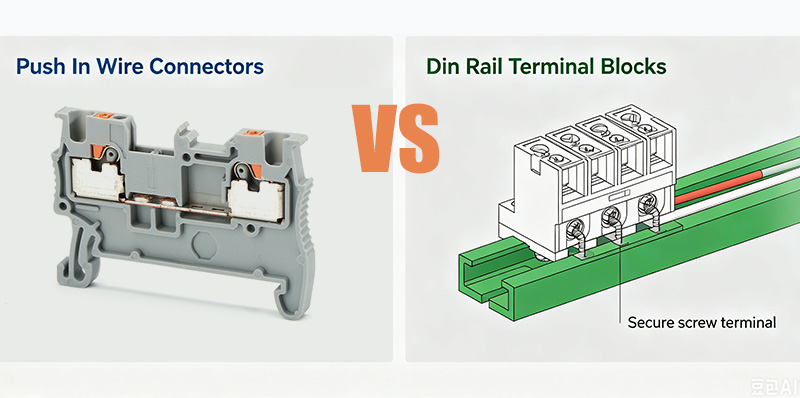
What is the difference between screw and push-in types?
Push-in types offer faster installation but may have slightly shorter lifespan under heavy load.
How does chemical exposure affect them?
Acidic or caustic environments can corrode metals or degrade plastics.
Can voltage spikes damage the block?
Yes, high-voltage surges can deteriorate insulation or melt contacts.
Should I clean them?
Yes, periodic cleaning with non-corrosive agents extends lifespan.
What certifications should I look for?
Look for UL, CE, and RoHS certifications for safety and reliability.
Do Westlec blocks differ from generic brands?
Yes, Westlec emphasizes high-quality materials, rigorous testing, and longer durability.
Conclusion
The lifespan of Quick Connect Terminal Blocks depends on material, electrical load, environment, usage, and installation. By choosing high-quality blocks, following manufacturer guidelines, and maintaining proper practices, you can maximize durability and avoid costly downtime. For reliable industrial wiring solutions, trust Westlec’s expertise and quality-tested Quick Connect Terminal Blocks—your circuits deserve the best.
Take action today by reviewing your current terminal blocks and upgrading to long-lasting, reliable options that save time and maintenance costs.
 EN
EN  PT
PT 