


When purchasing electrical connection components for industrial automation, control panels, power distribution systems, or electrical cabinets, understanding the factors that influence Spring Cage Terminal Block price is essential for making cost-effective sourcing decisions.
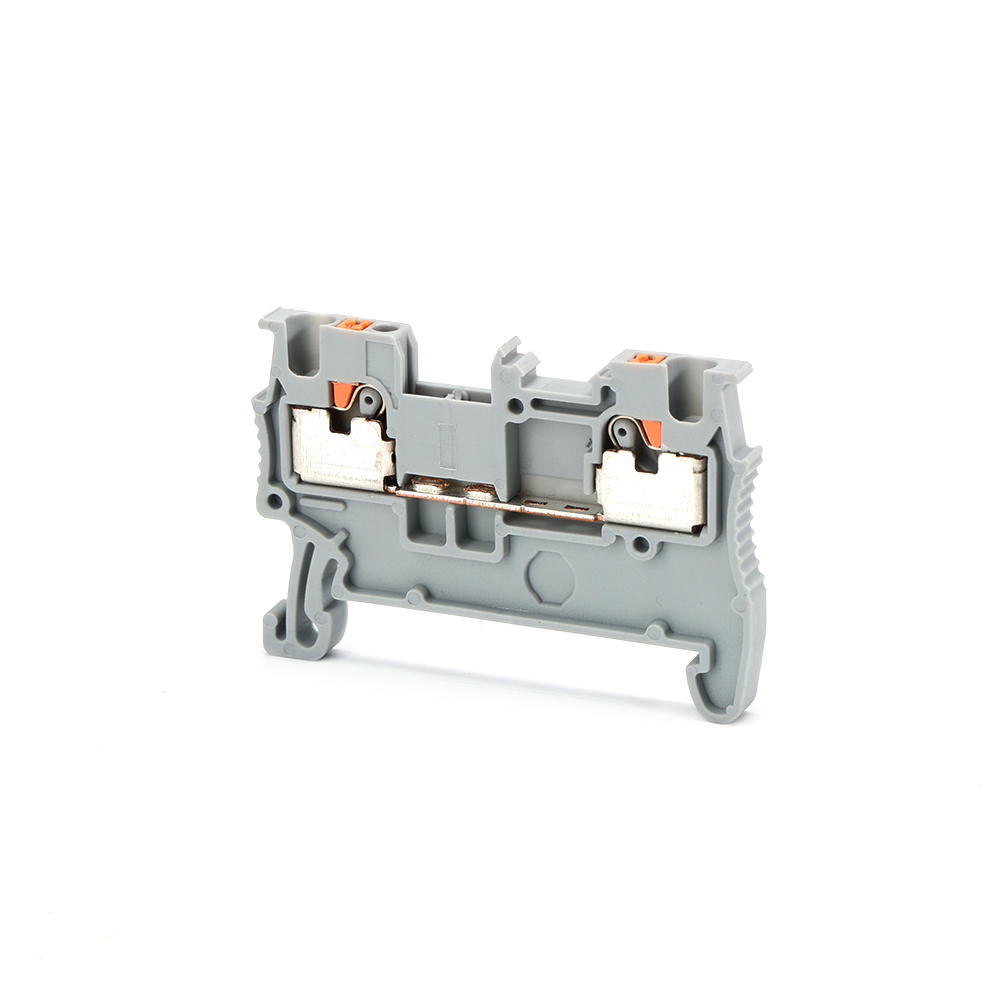
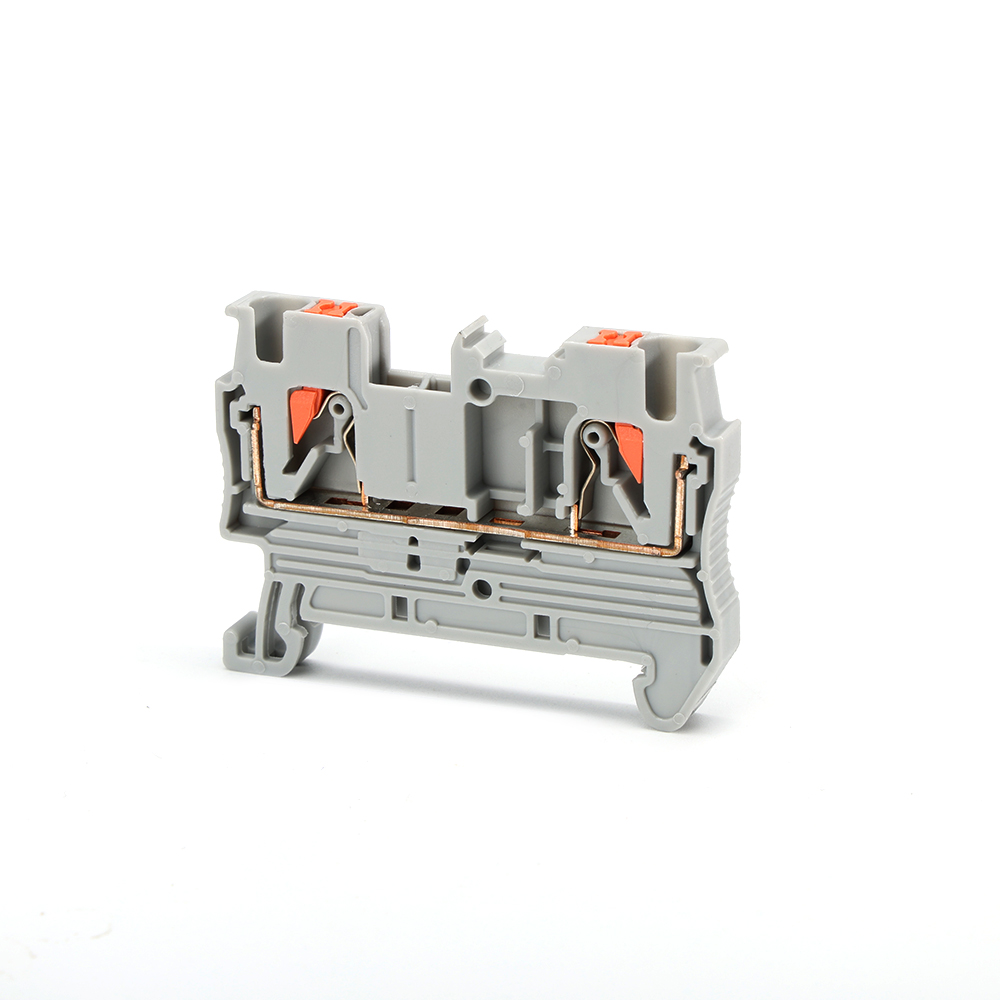
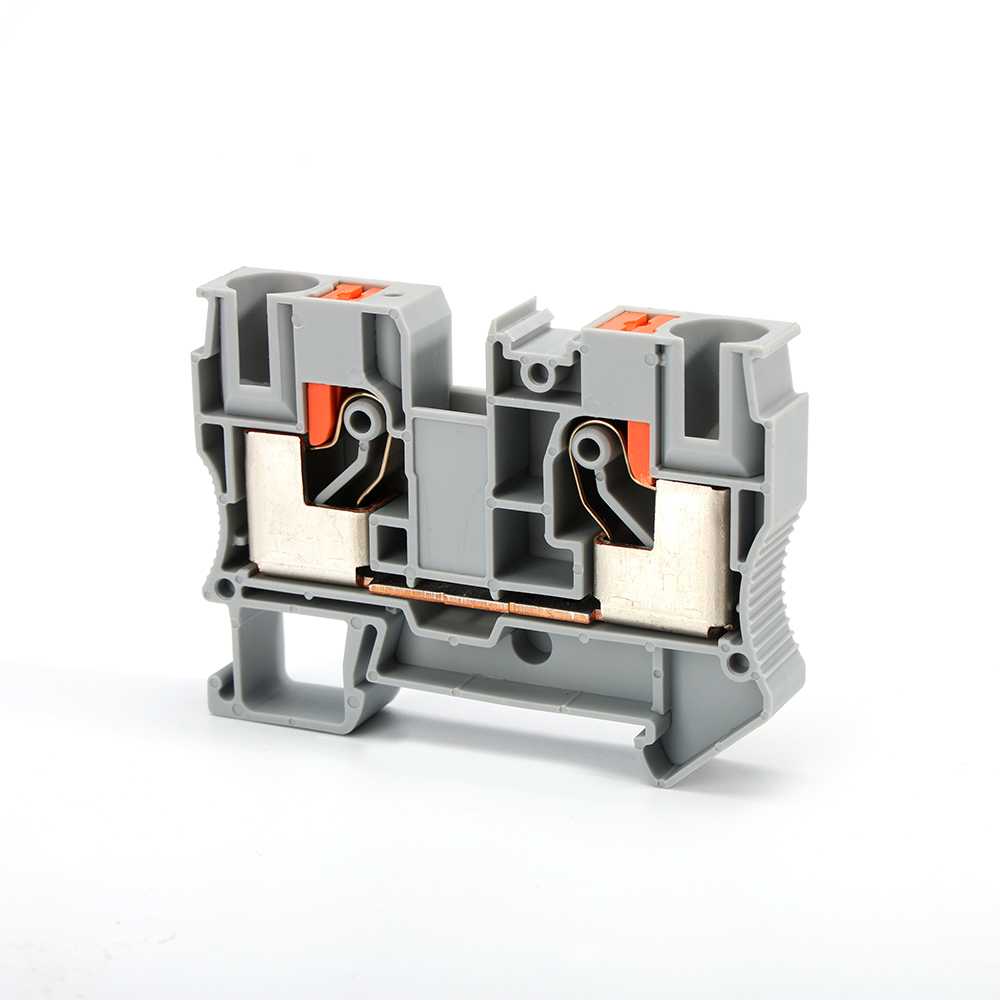
Spring Cage Terminal Block is a maintenance-free electrical connection solution that uses a spring clamp mechanism to secure wires without traditional screw tightening. Compared with conventional screw terminal blocks, spring cage designs provide stable electrical performance, faster installation, and better resistance against vibration and temperature changes.
For industrial buyers, the actual Spring Cage Terminal Block cost is affected by multiple factors, including material selection, current capacity, design complexity, certification requirements, customization options, and supplier capabilities. The lowest unit price does not always represent the best purchasing value. Reliability, service life, compliance standards, and long-term maintenance costs should also be considered.
As a professional terminal block manufacturer, Westlec provides a wide range of industrial connection solutions, including Spring Terminal Connector, Spring Clamp Terminal Block, and customized terminal block solutions for global customers. By combining manufacturing experience, quality control systems, and OEM capabilities, Westlec helps distributors, electrical contractors, and equipment manufacturers obtain reliable products with competitive pricing.
This guide explains the key factors that affect Spring Cage Terminal Block Price, how to select the right product, and how businesses can reduce procurement costs while maintaining electrical performance and reliability.
Spring Cage Terminal Block Price Guide: Factors That Affect Cost
Material Selection And Manufacturing Quality
Material selection is one of the most important factors affecting Spring Cage Terminal Block Cost.
A high-quality spring terminal block requires reliable conductive materials, durable insulation housing, and corrosion-resistant metal components. Different material choices can significantly influence production costs and electrical performance.
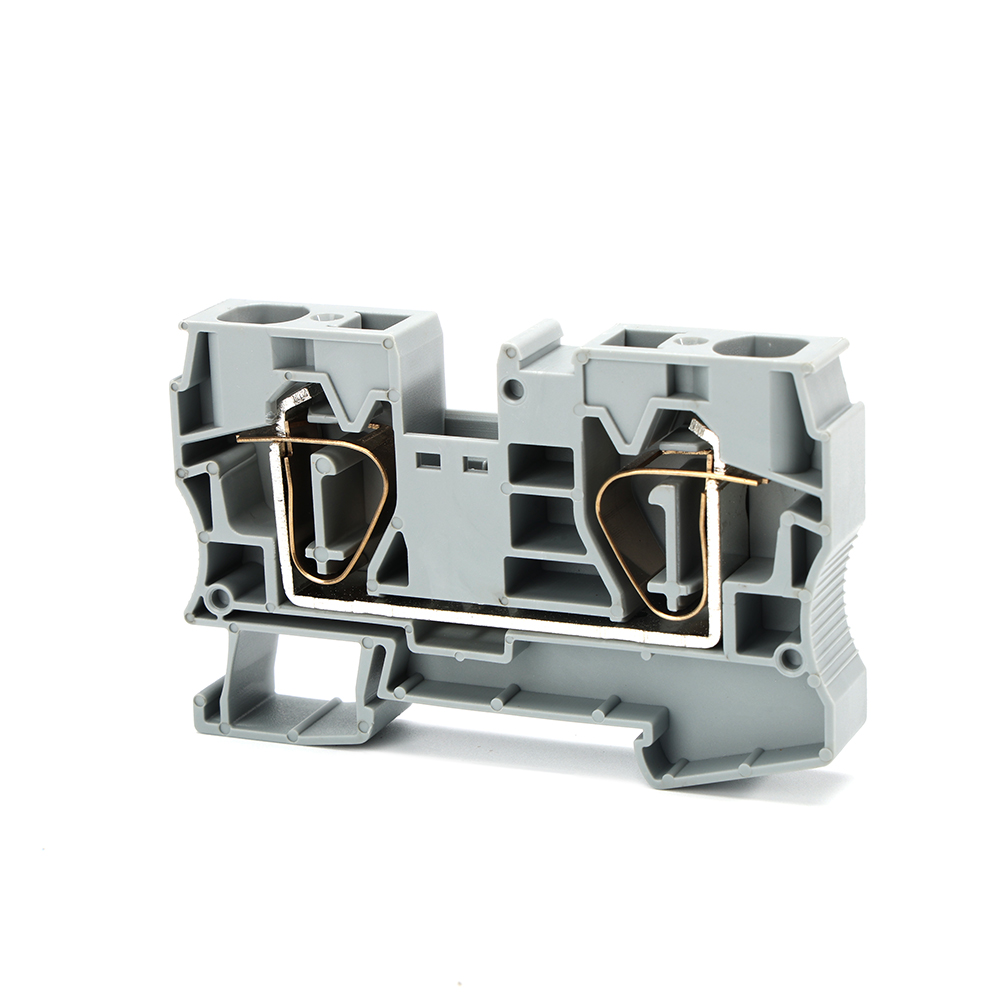 Conductive Material Quality
The conductive parts inside a Spring Cage Terminal Block are usually made from copper alloys or other conductive metals. High-quality copper materials provide:
- Lower electrical resistance
- Better current transmission efficiency
- Reduced heat generation
- Longer service life
Some low-cost terminal blocks use inferior conductive materials, which may increase contact resistance and create overheating risks during long-term operation.
For industrial applications requiring continuous operation, investing in better conductive materials can reduce maintenance requirements and improve system reliability.
Insulation Housing Material
The insulation body is another important cost factor.
High-performance Spring Clamp Terminal Blocks typically use engineering plastics such as:
- PA66 (Polyamide 66)
- Flame-retardant thermoplastic materials
- UL94 V-0 rated insulation materials
These materials provide:
- Excellent mechanical strength
- Heat resistance
- Flame resistance
- Long-term electrical insulation performance
For applications in industrial control cabinets, automation equipment, and power distribution systems, insulation quality directly affects safety performance.
Manufacturing Precision And Quality Control
The manufacturing process also impacts the final Spring Terminal Block price.
Professional manufacturers invest in:
- Precision molds
- Automated assembly equipment
- Electrical performance testing
- Material inspection systems
- Production traceability
A reliable manufacturing process ensures consistent clamping force, accurate dimensions, and stable electrical performance.
For B2B buyers, choosing an experienced manufacturer may result in a slightly higher initial cost but provides better product consistency and fewer field failures.
 Current Rating And Electrical Performance Requirements
Electrical performance requirements have a direct impact on Spring Cage Terminal Block Price.
Terminal blocks designed for higher current applications require stronger conductive structures, larger contact areas, and improved heat dissipation designs.
Current Capacity
A low-current Spring Cage Terminal Block used for signal wiring generally has a simpler structure and lower material requirements.
However, power applications require:
- Larger conductor capacity
- Higher conductivity materials
- Stronger spring mechanisms
- Improved thermal performance
For example, a terminal block designed for industrial power distribution will typically cost more than a small signal terminal block because it requires enhanced electrical capability.
Voltage Rating Requirements
Voltage rating is another important pricing factor.
Higher voltage applications require:
- Increased insulation distance
- Improved dielectric strength
- Enhanced safety design
Industrial buyers should select terminal blocks according to actual voltage requirements instead of choosing the lowest-priced option.
Using an under-rated product may result in:
- Electrical failures
- Equipment downtime
- Safety risks
- Higher replacement costs
Contact Reliability And Spring Performance
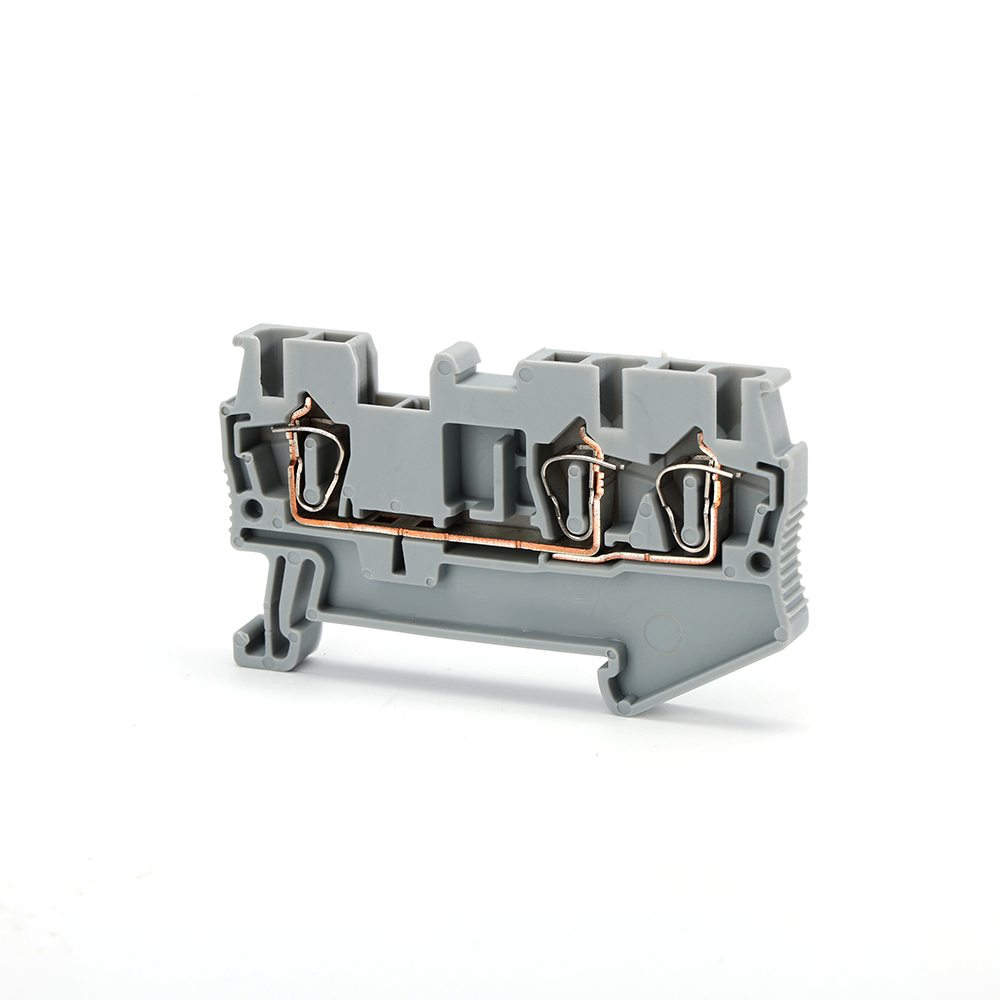
The spring mechanism is the core component of a Spring Cage Terminal Block.
A high-quality spring system provides:
- Stable contact pressure
- Vibration resistance
- Maintenance-free connections
- Long-term electrical reliability
The quality of the spring material and manufacturing precision directly affects product cost.
Premium spring designs maintain consistent pressure even after years of operation, making them suitable for demanding industrial environments.
Terminal Block Design Structure And Function Options
The structural design and additional functions of a Spring Terminal Connector also influence pricing.
Different applications require different terminal block configurations, which can change manufacturing complexity and cost.
Number Of Poles And Connection Positions
The number of connection points affects material usage and production complexity.
Common configurations include:
- Single-position terminal blocks
- Multi-position terminal blocks
- Modular terminal blocks
- DIN rail mounted terminal blocks
A multi-position Spring Terminal Block usually requires more materials and assembly processes, resulting in a higher unit price.
Additional Functional Designs
Some industrial applications require special terminal block features, such as:
- Grounding connection
- Fuse protection
- Disconnect functions
- LED indicators
- Test points
- Shielding functions
Additional functions improve system flexibility but also increase manufacturing costs.
DIN Rail Mounting Design
Many industrial control systems use DIN rail installation.
DIN rail Spring Cage Terminal Blocks require:
- Precise mounting structures
- Standardized dimensions
- Mechanical locking performance
Products designed for professional industrial installation may have higher costs compared with simple wiring connectors due to stricter mechanical requirements.
Certification Standards And Testing Requirements
Certification requirements are another important factor influencing Spring Cage Terminal Block Price. For industrial buyers, especially distributors and OEM manufacturers serving international markets, compliance with safety standards is often a necessary purchasing condition.
Products with comprehensive certifications usually require additional investment in raw material verification, product testing, quality management systems, and production control.
International Safety Certifications
Different markets and industries may require different certification standards for electrical terminal blocks, including:
- UL certification for North American markets
- CE compliance for European markets
- RoHS compliance for environmental requirements
- IEC standards for international electrical applications
Obtaining these certifications requires manufacturers to conduct strict testing related to:
- Electrical insulation performance
- Temperature resistance
- Mechanical durability
- Flame retardancy
- Current-carrying capability
Therefore, certified Spring Clamp Terminal Blocks may have a higher initial cost compared with non-certified alternatives.
However, certified products help buyers reduce risks related to:
- Import compliance issues
- Project approval delays
- Product replacement costs
- Electrical safety failures
For global B2B procurement, certification should be considered an investment rather than simply an additional expense.
Product Testing And Quality Inspection
Professional terminal block manufacturers implement multiple testing procedures before shipment.
Typical quality inspections include:
Electrical Performance Testing
Manufacturers test:
- Rated voltage
- Rated current
- Contact resistance
- Insulation resistance
- Dielectric strength
These tests ensure that the Spring Cage Terminal Block can maintain stable performance under actual operating conditions.
Mechanical Reliability Testing
Spring terminal systems must maintain reliable clamping force during long-term operation.
Mechanical tests may include:
- Wire insertion and removal tests
- Terminal retention tests
- Vibration resistance tests
- Mechanical strength testing
These procedures increase production costs but significantly improve product reliability.
Why Certification Matters For B2B Buyers
For wholesalers, system integrators, and equipment manufacturers, purchasing certified terminal blocks provides several advantages:
- Easier market approval
- Higher customer confidence
- Reduced technical risks
- Better compatibility with industrial projects
When comparing suppliers, buyers should evaluate not only the Spring Cage Terminal Block Cost, but also whether the product meets the required industry standards.
Order Quantity And Customization Requirements
Order volume and customization requirements have a significant impact on the final Spring Cage Terminal Block Price.
For industrial buyers, purchasing strategy plays an important role in controlling procurement costs.
Effect Of Order Quantity On Unit Price
Manufacturers usually offer better pricing for larger quantities because production efficiency improves with higher-volume manufacturing.
Large orders can reduce:
- Mold preparation costs
- Production setup costs
- Packaging costs
- Logistics expenses
For example, distributors purchasing thousands of units typically receive more competitive pricing compared with customers ordering small batches.
However, buyers should balance inventory requirements with purchasing volume to avoid unnecessary stock pressure.
OEM And Customization Requirements
Customization is another factor affecting Spring Cage Terminal Block Cost.
Standard products usually have lower production costs because manufacturers already have:
- Existing molds
- Standard materials
- Established production processes
- Regular quality inspection procedures
Customized products may require additional investment in:
- New tooling
- Product redesign
- Special materials
- Customized labeling
- Packaging solutions
- Prototype testing
Common customization requirements include:
- Customized terminal block colors
- Customer logos
- Special wire sizes
- Modified mounting structures
- Unique electrical specifications
For OEM customers, working with a manufacturer that provides flexible customization capabilities can help create application-specific solutions while maintaining cost efficiency.
Supplier Experience And After-Sales Support
The supplier’s experience and service capability also influence the overall value of a Spring Terminal Block purchase.
Although supplier support may not directly appear in the product quotation, it can significantly affect long-term procurement costs.
Manufacturing Experience And Technical Capability
Experienced manufacturers usually have better control over:
- Product design
- Material selection
- Production consistency
- Quality management
- Delivery reliability
A professional Spring Cage Terminal Block Manufacturer can help customers select suitable specifications based on:
- Current requirements
- Installation environment
- Wire size
- Application conditions
This technical support reduces the risk of incorrect product selection.
Stable Supply Chain And Production Capacity
For distributors and OEM customers, supply stability is essential.
Reliable suppliers provide:
- Consistent product quality
- Stable production capacity
- Predictable delivery schedules
- Long-term cooperation support
Choosing an experienced supplier helps prevent issues such as:
- Production delays
- Quality fluctuations
- Sudden product changes
After-Sales Technical Support
Industrial electrical projects often require technical assistance after purchase.
Professional suppliers can provide support including:
- Product selection guidance
- Installation recommendations
- Technical documentation
- Custom solution consultation
Although suppliers with stronger support systems may not always offer the lowest initial price, they often provide better total value over the product lifecycle.
How To Choose The Right Spring Cage Terminal Block
Selecting the correct Spring Cage Terminal Block requires evaluating electrical performance, installation conditions, wiring requirements, and compliance standards.
A suitable terminal block should match the application requirements rather than simply focusing on the lowest purchase price.
Electrical Requirements
The first consideration is electrical performance.
Buyers should evaluate:
Rated Current
Choose a terminal block that can safely handle the expected operating current.
Important factors include:
- Continuous current load
- Peak current conditions
- Heat generation requirements
Selecting a product with insufficient current capacity may lead to:
- Excessive temperature rise
- Contact failure
- Equipment damage
Rated Voltage
The terminal block voltage rating should exceed the system operating voltage.
Higher voltage applications require stronger insulation performance and greater safety margins.
Wire Size Compatibility
Different Spring Terminal Connectors support different conductor ranges.
Before purchasing, confirm:
- Wire cross-sectional area
- Solid or stranded conductor type
- Wire diameter compatibility
Incorrect wire matching may reduce connection reliability.
Installation Environment
The operating environment directly affects terminal block selection.
Different industrial applications may require different product characteristics.
Indoor Industrial Applications
For standard electrical cabinets and control panels, buyers usually focus on:
- Compact design
- Easy installation
- Reliable electrical connection
- DIN rail compatibility
Spring Cage Terminal Blocks are widely used in:
- PLC control cabinets
- Automation equipment
- Industrial machinery
- Electrical distribution panels
Harsh Environment Applications
For environments with vibration, humidity, or temperature fluctuations, buyers should prioritize:
- Strong mechanical stability
- Corrosion resistance
- High-quality insulation materials
- Reliable spring mechanisms
Spring clamp technology performs well in applications where traditional screw connections may require frequent maintenance.
Space Limitations
Control cabinets often have limited installation space.
Compact Spring Terminal Blocks can help:
- Reduce cabinet size
- Improve wiring organization
- Increase installation efficiency
For OEM equipment manufacturers, customized compact designs can improve overall product competitiveness.
Wiring Requirements
Selecting the correct Spring Cage Terminal Block also depends on wiring requirements. Different wiring methods, conductor types, and installation processes can influence both product selection and overall purchasing cost.
Solid Wire And Stranded Wire Compatibility
Industrial electrical systems commonly use different conductor types, including:
- Solid wires
- Stranded wires
- Flexible wires with ferrules
A high-quality Spring Clamp Terminal Block should provide reliable clamping performance for different conductor types.
For stranded wires, spring cage technology provides consistent pressure distribution, helping prevent:
- Loose connections
- Wire damage
- Contact instability caused by vibration
When selecting a product, buyers should confirm whether the terminal block supports the required conductor type.
Push-In Wiring Efficiency
One advantage of spring terminal technology is faster installation compared with traditional screw connections.
Spring Cage Terminal Blocks allow installers to:
- Insert wires quickly
- Reduce wiring time
- Minimize maintenance requirements
- Improve installation efficiency
For large-scale projects such as automation systems, electrical cabinets, and industrial equipment production, faster wiring can significantly reduce labor costs.
Although the initial Spring Cage Terminal Block Price may be slightly higher than traditional alternatives, the reduced installation time can lower total project costs.
Wire Entry Design And Accessibility
Terminal block design also affects installation convenience.
Important design considerations include:
- Wire insertion direction
- Space between connection points
- Visibility of wiring positions
- Tool accessibility
A well-designed Spring Terminal Block improves installation accuracy and reduces wiring errors.
For OEM manufacturers producing control equipment, choosing user-friendly terminal blocks can improve assembly efficiency and product reliability.
Compliance Requirements
For international industrial projects, compliance requirements are an essential factor when choosing a Spring Cage Terminal Block.
Different industries and regions may have specific requirements regarding electrical safety, environmental protection, and product quality.
Industry Standards
Before purchasing, buyers should confirm whether the terminal block meets applicable standards, such as:
- IEC electrical standards
- UL safety requirements
- CE requirements
- RoHS environmental regulations
Compliance helps ensure that products can be successfully integrated into global markets.
For distributors, supplying compliant terminal blocks reduces risks associated with customer approval processes.
Application-Specific Requirements
Different industries may require different performance levels.
For example:
Industrial Automation
Automation systems typically require:
- Stable electrical connections
- Vibration resistance
- Long service life
- Compact installation
Renewable Energy Systems
Solar and energy storage applications may require:
- High current capacity
- Weather-resistant materials
- Long-term reliability
Transportation Equipment
Transportation-related applications often require:
- Mechanical durability
- Shock resistance
- Strict safety compliance
Understanding application requirements helps buyers select the most suitable Spring Terminal Connector while controlling unnecessary costs.
Spring Cage Terminal Block Vs Other Terminal Block Types
When evaluating Spring Cage Terminal Block Cost, buyers often compare spring clamp technology with other terminal connection solutions.
The most common comparisons include:
- Spring Cage Terminal Block vs Screw Terminal Block
- Spring Cage Terminal Block vs Push-In Terminal Block
Each technology has different advantages depending on the application.
Spring Cage Terminal Block Vs Screw Terminal Block
Screw terminal blocks are one of the most traditional electrical connection solutions.
They use a screw mechanism to secure wires through mechanical tightening.
Installation Method Comparison
Spring Cage Terminal Block
Advantages:
- Faster wire installation
- Maintenance-free connection
- No retightening required
- Better vibration resistance
Screw Terminal Block
Advantages:
- Familiar installation method
- Suitable for many general applications
- Often lower initial purchase price
However, screw connections may require periodic inspection because vibration and thermal cycling can gradually reduce screw tightness.
Reliability Comparison
Spring cage technology maintains constant contact pressure through the spring mechanism.
This provides:
- Stable electrical contact
- Improved vibration resistance
- Reduced maintenance requirements
Screw terminals depend on manual tightening force, meaning installation quality can vary between operators.
For industrial environments where reliability is critical, Spring Cage Terminal Blocks often provide better long-term performance.
Spring Cage Terminal Block Vs Push-In Terminal Block
Push-in terminal blocks are another modern connection technology designed for fast wiring.
Although both solutions improve installation efficiency, their structures are different.
Connection Principle
Spring Cage Terminal Block
Uses a spring clamp mechanism that applies continuous pressure to the conductor.
Benefits:
- Strong vibration resistance
- Reliable long-term contact
- Suitable for demanding environments
Push-In Terminal Block
Uses direct insertion technology where wires are pushed into the terminal opening.
Benefits:
- Extremely fast installation
- Reduced wiring time
- Simple operation
Application Differences
Spring Cage Terminal Blocks are commonly selected for:
- Industrial control systems
- Machinery equipment
- Electrical cabinets
- Automation applications
Push-in terminal blocks are often preferred for:
- Fast assembly projects
- High-volume panel production
- Applications with frequent wiring changes
The best choice depends on project requirements rather than simply comparing unit prices.
Cost Considerations
When comparing terminal block options, buyers should evaluate total ownership cost rather than only the initial purchase price.
The total cost includes:
- Product purchase price
- Installation labor cost
- Maintenance requirements
- Downtime risks
- Replacement expenses
Initial Purchase Cost
In many cases:
- Screw terminal blocks have lower upfront costs
- Spring terminal blocks have moderate costs
- Advanced connection solutions may have higher costs
However, the cheapest option may not always provide the best economic value.
Installation And Maintenance Costs
Spring Cage Terminal Blocks can reduce labor costs because they simplify wiring installation.
They also minimize maintenance requirements because:
- No screw retightening is needed
- Contact pressure remains stable
- Connection quality is more consistent
For industrial users operating equipment for many years, these advantages can significantly reduce lifecycle costs.
Why Choose Westlec Spring Cage Terminal Blocks?
Choosing the right manufacturer is an important part of controlling Spring Cage Terminal Block Cost while ensuring product reliability.
Westlec provides professional terminal block solutions designed for industrial applications, helping global customers achieve reliable electrical connections and efficient procurement.
Reliable Product Quality
Westlec focuses on manufacturing terminal blocks with consistent quality control throughout the production process.
Quality management includes:
- Material inspection
- Precision manufacturing
- Electrical performance testing
- Product reliability evaluation
These processes help ensure stable performance in industrial environments.
For distributors and OEM customers, reliable quality reduces product returns and improves customer satisfaction.
Wide Product Range
Different applications require different terminal block specifications.
Westlec provides various terminal block solutions to meet different requirements, including:
- Spring Cage Terminal Blocks
- Spring Terminal Connectors
- DIN rail terminal solutions
- Industrial wiring connection products
A wide product range allows customers to select suitable products based on:
- Current requirements
- Wire size
- Installation method
- Application environment
OEM And Customization Capability
For industrial buyers, standard terminal blocks may not always meet specific equipment requirements. OEM and customization capability is an important factor when selecting a Spring Cage Terminal Block Manufacturer.
Westlec supports customized terminal block solutions for customers with different application requirements, helping businesses develop products that match their electrical and mechanical specifications.
Customized Electrical Specifications
Different industries may require different electrical performance parameters.
Customization options may include:
- Rated current adjustment
- Voltage rating requirements
- Wire size compatibility
- Number of connection positions
- Special conductor configurations
For OEM equipment manufacturers, customized Spring Terminal Blocks can improve system integration and simplify installation processes.
Customized Mechanical Design
Industrial equipment often has limited installation space or unique structural requirements.
Westlec can support customization related to:
- Terminal block dimensions
- Mounting methods
- Terminal arrangement
- Housing design
- Product labeling
Customized designs allow customers to optimize cabinet layouts and improve assembly efficiency.
Private Label And Packaging Support
For distributors and wholesalers, branding requirements are also important.
Professional manufacturers can provide:
- Customer logo printing
- Customized packaging
- Product identification labels
- Technical documentation support
This helps distributors build their own product portfolio while maintaining stable supply from experienced manufacturers.
Competitive Pricing
A reliable Spring Cage Terminal Block Supplier should provide competitive pricing without compromising product quality.
Westlec achieves cost efficiency through:
- Professional manufacturing processes
- Optimized production management
- Stable supply chain cooperation
- Efficient quality control systems
Balance Between Price And Quality
Choosing a terminal block supplier based only on the lowest quotation can create long-term risks.
Low-cost products may result in:
- Higher failure rates
- Increased replacement costs
- Customer complaints
- Project delays
A professional manufacturer focuses on providing the best balance between:
- Product reliability
- Manufacturing cost
- Delivery capability
- Technical support
For B2B buyers, the goal should be achieving the lowest total ownership cost rather than simply purchasing the cheapest component.
Tips To Reduce Spring Cage Terminal Block Purchasing Costs
Managing procurement costs requires more than selecting a low-price supplier.
Businesses can reduce Spring Cage Terminal Block Cost through proper product selection, purchasing strategies, and supplier cooperation.
Select The Correct Specification
Choosing the correct specification is one of the easiest ways to avoid unnecessary costs.
Some buyers select products with excessive performance ratings that are not required for their applications.
For example:
- Using a high-current terminal block for low-power signal wiring
- Selecting oversized terminal blocks when compact solutions are sufficient
- Purchasing advanced features that are not needed
A proper specification analysis helps reduce purchasing expenses while maintaining safety and performance.
Before ordering, buyers should confirm:
- Rated current
- Rated voltage
- Wire range
- Number of poles
- Installation method
- Operating environment
Purchase In Bulk
Bulk purchasing is an effective way to reduce the average unit cost of Spring Cage Terminal Blocks.
Large-volume orders allow manufacturers to optimize:
- Production scheduling
- Material purchasing
- Labor efficiency
- Packaging processes
Benefits of bulk purchasing include:
- Lower unit price
- More stable supply
- Reduced logistics costs
- Better supplier cooperation
For distributors and wholesalers, establishing long-term purchasing plans can create additional cost advantages.
Work With An Experienced Manufacturer
Selecting an experienced supplier can help reduce hidden costs during the procurement process.
A professional manufacturer provides:
- Accurate product recommendations
- Stable product quality
- Reliable delivery schedules
- Technical support
Working with an experienced Spring Cage Terminal Block Manufacturer can help prevent problems caused by:
- Incorrect product selection
- Quality inconsistency
- Supply interruptions
- Lack of technical support
Long-term cooperation with a reliable supplier often creates greater value than changing suppliers based only on price.
Consider Total Ownership Cost
When evaluating Spring Cage Terminal Block Price, buyers should consider the complete lifecycle cost.
Total ownership cost includes:
- Initial purchasing cost
- Installation labor
- Maintenance requirements
- Downtime risks
- Replacement expenses
A slightly higher-priced terminal block may provide better long-term value through:
- Longer service life
- Reduced maintenance
- Improved electrical reliability
- Faster installation
For industrial applications, reliability and efficiency often have a greater impact on overall cost than the initial purchase price.
FAQ
How Does A Spring Cage Terminal Block Work?
A Spring Cage Terminal Block uses a spring clamp mechanism to secure electrical conductors.
When a wire is inserted, the internal spring applies continuous pressure against the conductor and conductive metal part, creating a stable electrical connection.
Compared with screw terminals, spring cage technology provides:
- Constant contact pressure
- Better vibration resistance
- Reduced maintenance requirements
- Faster installation
Can Spring Cage Terminal Blocks Be Customized?
Yes. Spring Cage Terminal Blocks can be customized according to different industrial requirements.
Customization options may include:
- Terminal size
- Current rating
- Voltage rating
- Number of positions
- Housing design
- Branding and packaging
Professional manufacturers like Westlec provide OEM solutions for customers requiring customized electrical connection products.
How Long Do Spring Terminal Blocks Typically Last?
The service life of a Spring Terminal Block depends on:
- Product quality
- Operating environment
- Electrical load
- Installation conditions
High-quality spring terminal blocks can provide many years of reliable operation when used within their rated specifications.
Proper material selection and manufacturing quality are key factors affecting product lifespan.
What Materials Are Used In Spring Clamp Terminal Blocks?
Spring Clamp Terminal Blocks typically consist of:
- Copper alloy conductive components
- Stainless steel or high-strength spring elements
- Flame-retardant insulation housing
Common insulation materials include engineering plastics such as PA66, which provide:
- Heat resistance
- Mechanical strength
- Electrical insulation performance
Why Choose Westlec As Spring Cage Terminal Block Supplier?
Westlec provides industrial terminal block solutions with a focus on:
- Reliable product quality
- Manufacturing capability
- OEM customization
- Competitive pricing
With professional production experience and quality control processes, Westlec supports distributors, wholesalers, and equipment manufacturers worldwide.
What Certifications Should Industrial Terminal Blocks Have?
Depending on the target market and application, industrial terminal blocks may require certifications such as:
- UL
- CE
- RoHS
- IEC-related compliance
The required certifications depend on the industry, installation environment, and regional regulations.
Buyers should confirm certification requirements before purchasing.
How Can I Reduce Spring Cage Terminal Block Cost For Bulk Orders?
To reduce bulk purchasing costs, buyers can:
- Purchase higher quantities
- Select standard specifications
- Plan orders in advance
- Work directly with manufacturers
- Avoid unnecessary customization
Building long-term cooperation with a reliable supplier can also improve pricing stability.
Are Spring Cage Terminal Blocks More Expensive Than Screw Terminal Blocks?
The initial price of Spring Cage Terminal Blocks may be higher than some traditional screw terminal blocks.
However, they can provide advantages including:
- Faster installation
- Reduced maintenance
- Better vibration resistance
- More stable long-term performance
When considering total ownership cost, Spring Cage Terminal Blocks can provide better economic value for many industrial applications.
Conclusion
The price of a Spring Cage Terminal Block depends on many factors, including material quality, electrical performance, structural design, certification requirements, order quantity, customization needs, and supplier capability.
For industrial buyers, selecting the right terminal block requires more than comparing unit prices. A reliable connection solution should provide stable electrical performance, long service life, easy installation, and compliance with industry requirements.
Compared with traditional connection technologies, Spring Cage Terminal Blocks offer advantages such as maintenance-free operation, vibration resistance, and efficient wiring, making them suitable for automation systems, electrical cabinets, machinery, and industrial control applications.
As an experienced terminal block manufacturer, Westlec provides reliable Spring Terminal Connector, Spring Clamp Terminal Block, and customized electrical connection solutions for global B2B customers. By combining manufacturing expertise, quality control, and OEM capabilities, Westlec helps customers achieve reliable products with competitive Spring Cage Terminal Block Cost.
For distributors, wholesalers, and industrial equipment manufacturers looking for a dependable Spring Cage Terminal Block supplier, choosing an experienced manufacturer is the key to achieving long-term value and stable supply.
 EN
EN  PT
PT 