

For industrial electrical systems, terminal blocks play an important role in ensuring safe and stable wire connections. However, the reliability of terminal blocks depends largely on the manufacturing process, material selection, and quality control procedures implemented by professional Terminal Block Manufacturers.
For manufacturers, engineering teams, and procurement managers, selecting a qualified Terminal Block Supplier requires more than evaluating product appearance or pricing. A reliable supplier should have a complete quality management system covering raw material inspection, precision production, electrical testing, mechanical verification, and final shipment inspection.
Experienced terminal block manufacturers use advanced production equipment, standardized manufacturing processes, and strict inspection procedures to reduce potential failures and maintain consistent product performance. Understanding these quality control steps helps industrial buyers evaluate supplier capabilities and build long-term cooperation with dependable partners.
2. What Quality Control Steps Reliable Terminal Block Manufacturers Follow
Quality control is a continuous process throughout terminal block manufacturing. Reliable manufacturers do not only inspect finished products but also monitor every production stage, from incoming materials to final delivery.
A professional Terminal Block Factory typically establishes quality checkpoints at each critical step to ensure that products meet electrical performance requirements, mechanical durability standards, and customer specifications.
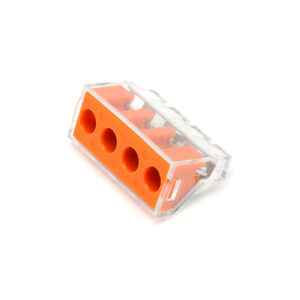 2.1 Inspecting Raw Materials Before Terminal Block Manufacturing
Raw materials directly affect the performance and service life of terminal blocks. Before production begins, reliable manufacturers conduct detailed inspections on materials such as copper conductors, insulating housings, metal components, and surface treatment materials.
Copper materials are commonly tested for conductivity, purity, and dimensional accuracy to ensure stable current transmission. The insulation materials used for terminal block housings are also evaluated for flame resistance, mechanical strength, and temperature resistance.
Many professional Terminal Block Manufacturers implement incoming quality control (IQC) procedures to verify supplier materials before they enter production. This helps prevent material defects from affecting manufacturing efficiency and final product reliability.
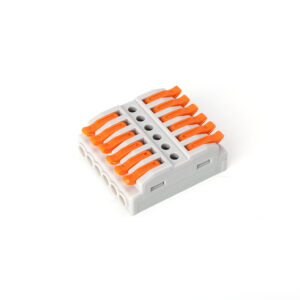 2.2 Ensuring Precision During The Terminal Block Production Process
Precision manufacturing is essential because terminal blocks require accurate dimensions and consistent assembly performance. Small deviations in component size, connection structure, or assembly accuracy may affect electrical contact reliability.
Reliable manufacturers use automated production equipment, precision molds, CNC processing systems, and standardized assembly procedures to maintain product consistency. Automated inspection tools can monitor key parameters during production, reducing human errors and improving manufacturing efficiency.
During the production process, manufacturers usually control factors such as:
- Terminal block component dimensions and tolerances
- Metal part forming accuracy
- Injection molding quality of insulating materials
- Screw or connection component assembly accuracy
- Product appearance and structural consistency
For industrial customers, precise production processes provide more stable product quality, easier installation, and reduced maintenance risks in electrical applications.
2.3 Performing Electrical Performance Tests For Terminal Blocks
Electrical testing is one of the most important quality control steps for terminal blocks because these components are designed to provide secure and efficient electrical connections.
Reliable terminal block manufacturers perform various electrical tests before products are approved for shipment. These tests help confirm that terminal blocks can maintain stable performance under different operating conditions.
Common electrical tests include:
- Voltage withstand testing to verify insulation safety
- Contact resistance testing to ensure efficient current flow
- Current carrying capacity testing to evaluate electrical performance
- Insulation resistance testing to prevent leakage risks
By applying strict electrical inspection procedures, manufacturers can identify potential defects before delivery. This provides procurement teams and engineering departments with greater confidence when integrating terminal blocks into industrial equipment and electrical systems.
2.4 Conducting Mechanical Reliability Tests Before Shipment
In addition to electrical performance, terminal blocks must withstand mechanical stress during installation and long-term operation. Mechanical testing ensures that products maintain structural integrity in demanding industrial environments.
Professional manufacturers typically perform mechanical reliability tests such as screw tightening tests, terminal insertion and removal tests, vibration resistance tests, and housing strength inspections.
These evaluations help confirm that terminal blocks can maintain secure connections during transportation, installation, and continuous operation. For industrial buyers, mechanical reliability testing reduces the risk of connection failures caused by vibration, repeated installation, or environmental stress.
2.5 Implementing Quality Control Throughout Terminal Block Production
Effective quality control should cover the entire manufacturing workflow instead of focusing only on final inspection. Reliable Terminal Block Manufacturers establish a complete quality management system that monitors every stage of production.
This process usually includes incoming material inspection, production process monitoring, finished product testing, packaging inspection, and traceability management.
Many experienced manufacturers also use digital production management systems to record inspection data and track product batches. This allows them to quickly identify production issues and provide consistent quality for large-volume orders.
For procurement managers and industrial project buyers, a supplier with comprehensive quality control procedures can provide better production stability, predictable delivery performance, and long-term supply reliability.
3. How Terminal Block Manufacturers Ensure Reliable Electrical Connections
Reliable electrical connections are essential for industrial equipment, control systems, power distribution applications, and automation projects. A professional Terminal Block Supplier must ensure that every terminal block can maintain stable conductivity, secure mechanical contact, and long-term operating performance.
To achieve this goal, experienced manufacturers focus on several key areas during design and production. These include conductor material selection, contact structure optimization, connection mechanism design, and strict performance testing.
High-quality conductive materials help reduce electrical resistance and improve current transmission efficiency. At the same time, precise contact structures ensure that wires remain firmly connected without loosening during operation. Manufacturers may also optimize screw connections, spring mechanisms, or push-in structures according to different application requirements.
In addition, reliable terminal block manufacturers evaluate product performance under different working conditions, including temperature changes, electrical loads, and mechanical stress. These quality control practices help industrial customers reduce downtime risks and improve the reliability of their electrical systems.
4. Key Factors To Evaluate A Reliable Terminal Block Supplier
Choosing the right supplier is an important decision for manufacturers, equipment builders, and industrial project buyers. A reliable Terminal Block Supplier should not only provide qualified products but also demonstrate strong manufacturing capabilities, technical expertise, and consistent supply performance.
When evaluating potential suppliers, procurement teams should consider several important factors:
- Manufacturing experience: Suppliers with extensive industry experience usually have mature production processes and better quality management systems.
- Production capability: A qualified supplier should have advanced equipment, efficient production lines, and the ability to handle different order volumes.
- Quality control system: Manufacturers should have inspection procedures covering raw materials, production processes, electrical testing, and final inspection.
- Customization capability: Industrial applications often require different specifications, materials, structures, or labeling options. Suppliers should be able to provide customized solutions.
- Technical support: Professional suppliers should provide engineering assistance and product recommendations based on application requirements.
- Certifications and compliance: Products should meet relevant industry standards and certification requirements for different markets.
A capable Terminal Block Factory can provide more than standard products. It should also support customers with reliable production planning, quality consistency, and long-term cooperation throughout different project stages.
5. FAQ
What Causes Terminal Block Failure?
Terminal block failure can be caused by poor material quality, loose connections, excessive current loads, overheating, corrosion, or improper installation. Reliable Terminal Block Manufacturers reduce these risks through strict material inspection and performance testing.
How Are Terminal Blocks Tested For Quality?
Terminal blocks are tested through electrical and mechanical inspections, including voltage withstand tests, insulation resistance tests, contact resistance tests, and mechanical durability evaluations.
What Quality Standards Should Terminal Blocks Meet?
Quality standards depend on application requirements and target markets. Professional terminal block suppliers usually follow relevant international standards for electrical safety, insulation performance, and mechanical reliability.
How To Choose A Reliable Terminal Block Manufacturer?
Buyers should evaluate a manufacturer’s production capability, quality control system, customization experience, testing procedures, and industry certifications before establishing cooperation.
What Certifications Should A Terminal Block Supplier Have?
A qualified Terminal Block Supplier should provide certifications related to product safety, quality management, and market requirements. Common certifications may include compliance with international electrical and manufacturing standards.
What Is The Production Capacity Of Terminal Block Factory?
The production capacity of a Terminal Block Factory depends on manufacturing equipment, automation level, production processes, and workforce capabilities. Buyers should confirm capacity according to order volume and delivery requirements.
6. Conclusion
Quality control is a critical factor that determines the reliability and performance of terminal blocks in industrial applications. Professional Terminal Block Manufacturers establish complete quality management systems covering raw material inspection, precision manufacturing, electrical testing, mechanical verification, and final product inspection.
For industrial buyers, selecting a reliable supplier means evaluating not only product specifications but also manufacturing capability, quality control processes, customization support, and supply stability. A qualified Terminal Block Supplier with strong production experience can help customers achieve consistent product performance and reduce risks throughout their projects.
By working with a trusted Terminal Block Factory, manufacturers and engineering teams can ensure reliable electrical connections, stable production support, and long-term cooperation for industrial applications.
 EN
EN  PT
PT