

In industrial electrical systems, connection stability directly affects equipment safety, operating efficiency, and maintenance costs. A loose connection in a Quick Connect Terminal Block can lead to intermittent signals, increased resistance, overheating, and unexpected equipment downtime.
For manufacturers, suppliers, and engineering teams, selecting reliable terminal solutions requires more than focusing on installation speed. The internal structure, conductive materials, manufacturing precision, and quality control processes all influence long-term connection performance. Understanding the causes of loose connections and effective prevention methods helps procurement managers choose suitable terminal components for industrial applications.
This article explains why loose connections occur in quick connect terminal blocks, how manufacturers improve connection reliability, and what factors buyers should evaluate when selecting a stable Terminal Block Quick Connect solution.
Loose Connections in Quick Connect Terminal Blocks: Causes and Fixes
Loose connections are one of the common challenges affecting electrical terminal performance. Although quick connection designs simplify wiring processes, improper installation, unsuitable components, or harsh operating environments can reduce connection stability.
Reliable manufacturers address these issues through optimized mechanical structures, precise production processes, and strict testing procedures. For industrial buyers, understanding these factors helps identify terminal products that can provide consistent electrical performance throughout their service life.
 Common Causes of Loose Terminal Block Connections
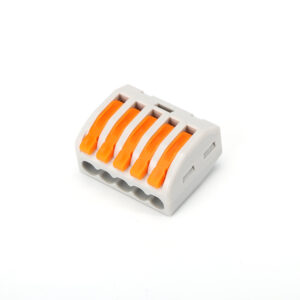
Loose connections in a Quick Connect Terminal Block can occur due to several mechanical and electrical factors. One major cause is insufficient contact pressure between the conductor and the terminal contact point. When the connection force is unstable, electrical resistance may increase over time.
Material selection also affects connection reliability. Low-quality conductive materials may experience oxidation or reduced elasticity, causing the contact area to weaken. Professional terminal block manufacturers typically use suitable copper alloys, surface treatments, and corrosion-resistant materials to maintain stable conductivity.
Other factors such as repeated thermal cycling, vibration, and excessive current loads can gradually affect connection strength. Industrial suppliers need to consider application conditions and select terminal solutions designed for the expected operating environment.
Installation Errors That Cause Connection Failures
Even high-quality terminal components can experience failures if installation procedures are not properly controlled. Common installation issues include incorrect wire stripping length, improper conductor insertion, damaged wire strands, and incompatible wire sizes.
Manufacturers of Quick Wiring Terminal Block solutions often design products with clear wire entry structures and reliable locking mechanisms to reduce installation errors. Some designs also include visual inspection features that help operators confirm proper conductor placement.
For industrial projects, standardized installation procedures and operator training are important to ensure consistent wiring quality. These practices reduce maintenance requirements and improve overall system reliability.
 Effective Ways to Fix Loose Terminal Block Connections
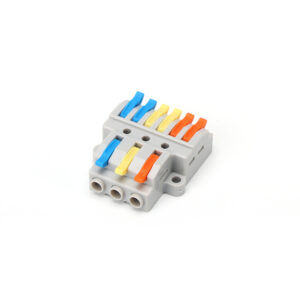
Fixing loose terminal connections requires identifying the root cause instead of only tightening or replacing components. Engineers should first inspect conductor positioning, terminal compatibility, and environmental conditions.
Effective solutions include replacing damaged wires, selecting the correct terminal specification, improving installation methods, and using terminal blocks with enhanced contact structures. A reliable Terminal Block Quick Connect design should provide stable mechanical retention while maintaining efficient electrical conductivity.
For manufacturers and project buyers, working with suppliers that conduct performance testing and quality inspections helps prevent recurring connection problems. Proper product selection can reduce downtime and improve the reliability of electrical systems.
Factors Affecting Quick Connect Terminal Block Reliability
The reliability of a quick connect terminal block depends on multiple design and manufacturing factors. Industrial applications often require terminals to operate continuously under electrical loads, vibration conditions, and temperature variations.
Manufacturers improve reliability through engineering optimization, material control, and production testing. These processes help procurement teams select products that meet application requirements and maintain stable performance during long-term operation.
 Quick Wiring Terminal Block Connection Mechanisms
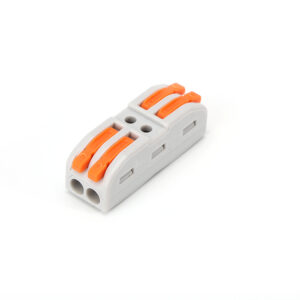
The connection mechanism is a key factor affecting the stability of a quick wiring terminal block. Different designs use various contact structures, such as spring clamps, push-in mechanisms, or locking systems, to maintain conductor pressure.
High-quality manufacturers focus on precise mechanical design to ensure consistent contact force. Accurate molding, metal stamping, and assembly control help maintain the performance of each terminal unit during mass production.
For industrial buyers, a well-designed connection mechanism means faster installation, reduced wiring errors, and improved electrical system reliability.
Material Quality and Design Impact on Connection Stability
Material quality directly influences the durability and electrical performance of terminal components. Conductive parts require materials with good conductivity, corrosion resistance, and mechanical strength to maintain stable connections.
Manufacturers typically evaluate copper alloy selection, plating technology, housing materials, and structural design during product development. These factors help reduce contact degradation and improve resistance to environmental conditions.
For suppliers and engineering teams, choosing a Quick Wire Connector Terminal Block with controlled material quality provides better consistency across different industrial installations.
Effects of Vibration and Current Load on Connections
Industrial equipment often operates under vibration, temperature changes, and continuous electrical loads. These conditions can gradually weaken connections if terminal blocks are not designed for demanding environments.
Reliable manufacturers perform mechanical and electrical testing to evaluate vibration resistance, current carrying capability, and thermal performance. These tests help verify whether products can maintain stable operation under actual working conditions.
For project buyers, selecting terminal blocks designed for specific application environments reduces maintenance frequency and supports long-term equipment reliability.
Choosing Reliable Terminal Block Solutions for Applications
Selecting the right terminal block solution requires evaluating manufacturing capability, product design, and application compatibility. Industrial buyers should consider not only initial installation convenience but also long-term performance and supplier reliability.
A qualified supplier should provide consistent production standards, technical support, and customization options to meet different electrical system requirements.
Terminal Block Manufacturing Quality Control Factors
Manufacturing quality control plays an important role in ensuring terminal block reliability. Production defects, inconsistent dimensions, or poor material control can affect electrical performance and increase failure risks.
Professional manufacturers implement inspection procedures covering raw materials, precision machining, assembly accuracy, and finished product testing. Automated production equipment and quality management systems help maintain consistency across large-volume orders.
For procurement managers, choosing a supplier with strong quality control capabilities helps ensure stable product performance and reliable supply for industrial projects.
Selecting the Right Terminal Block Quick Connect Type
Different industrial applications require different terminal connection structures. Factors such as wire size, installation method, operating environment, and electrical requirements should be considered when selecting a terminal block quick connect type.
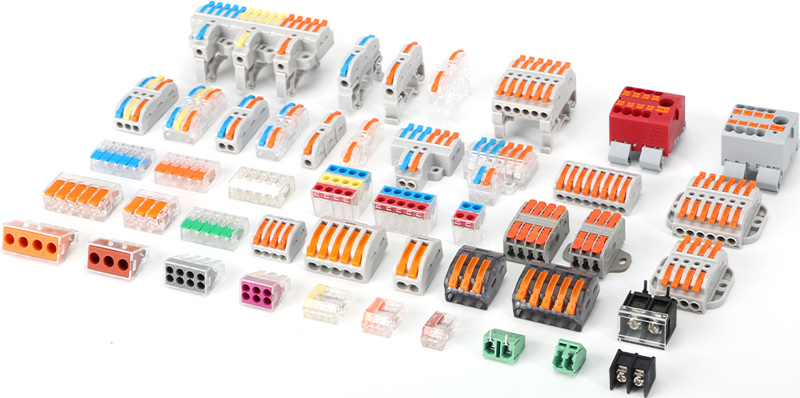
Manufacturers provide different configurations to support applications including control panels, industrial automation equipment, power distribution systems, and electronic assemblies. Proper selection improves wiring efficiency and reduces compatibility issues.
For engineering teams, working with experienced suppliers allows them to choose suitable terminal solutions based on technical requirements rather than selecting products only by appearance or cost.
Quick Wire Connector Terminal Block Performance Factors
The performance of a quick wire connector terminal block depends on electrical conductivity, mechanical strength, temperature resistance, and installation convenience.
Reliable manufacturers optimize terminal structures through engineering analysis, production testing, and continuous improvement. Features such as secure conductor retention, stable contact pressure, and durable housing materials contribute to dependable operation.
For industrial buyers, evaluating these performance factors helps ensure the selected terminal blocks can support application requirements and maintain consistent system operation.
FAQ
Are Quick Connect Terminal Blocks Reliable?
Yes, Quick Connect Terminal Blocks can provide reliable connections when they are manufactured with quality materials, accurate designs, and proper installation procedures.
What Causes Terminal Blocks to Overheat?
Terminal blocks may overheat due to loose connections, excessive current loads, poor contact quality, or unsuitable product selection. Proper design and quality control help reduce these risks.
How Can Terminal Block Failures Be Prevented?
Terminal block failures can be prevented through correct installation, regular inspection, suitable product selection, and choosing reliable manufacturers with strict quality control processes.
Conclusion
Loose connections in a Quick Connect Terminal Block can affect electrical system stability, equipment performance, and maintenance efficiency. Understanding connection mechanisms, material quality, installation practices, and environmental factors helps industrial buyers make more informed sourcing decisions.
Reliable terminal block manufacturers focus on precision manufacturing, strict quality control, and application-oriented designs to deliver stable connection solutions. By selecting suitable terminal products from experienced suppliers, manufacturers, engineering teams, and project buyers can improve wiring reliability and ensure consistent performance in industrial applications.
 EN
EN  PT
PT