

Selecting the correct cable gland size is essential for maintaining reliable cable protection in industrial electrical systems. An improperly sized gland may affect sealing performance, mechanical protection, and long-term equipment reliability. For applications exposed to moisture, dust, and harsh environments, choosing the right IP68 Waterproof Cable Gland helps ensure stable cable entry protection and consistent system performance.
For manufacturers, engineering teams, and industrial procurement managers, cable gland selection involves more than matching a product to a cable. Factors such as cable outer diameter, thread specifications, sealing structure, material quality, and environmental requirements must all be considered during the selection process.
This article explains how to determine the appropriate IP68 Cable Gland size, how to use a Cable Gland PG Size Chart, and what technical factors should be evaluated when selecting waterproof cable glands for industrial applications.
2. How to Choose the Right Size for IP68 Waterproof Cable Gland
2.1 Understand Cable Diameter and Gland Size Matching
The relationship between cable diameter and gland size is one of the most important factors in cable gland selection. A cable gland must provide sufficient clamping force while maintaining a reliable seal around the cable surface.
Manufacturers typically design IP68 Waterproof Cable Gland products with specific cable diameter ranges. During production, precision molding processes and dimensional inspections ensure that sealing components fit different cable sizes accurately.
For industrial buyers, selecting the correct size based on actual cable measurements helps prevent problems such as water ingress, loose cable fixation, or damage caused by excessive compression.
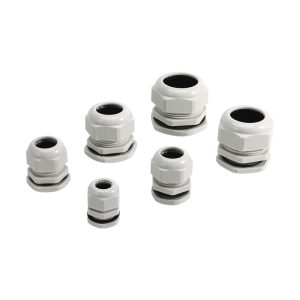
2.2 Use Cable Gland PG Size Chart for Accurate Selection
A Cable Gland PG Size Chart provides a reference for matching PG thread sizes with compatible cable diameter ranges. It helps engineers and procurement teams quickly identify suitable gland models during equipment design and installation planning.
Professional cable gland manufacturers provide detailed size charts that include thread specifications, sealing ranges, and installation parameters. These technical references are created based on standardized manufacturing processes and product testing requirements.
Using a Cable Gland PG Size Chart improves selection accuracy, reduces installation errors, and supports efficient procurement for industrial projects.
2.3 Common Mistakes in Cable Gland Size Selection
Incorrect cable gland sizing is a common issue in industrial installations. Selecting a gland that is too large may reduce sealing effectiveness, while choosing a smaller size may create excessive pressure on the cable jacket.
Common selection mistakes include:
- Choosing a cable gland based only on thread size without checking cable diameter.
- Ignoring cable jacket material and structural differences.
- Failing to consider environmental conditions such as moisture, dust, or vibration.
- Using incorrect sealing components for specific cable applications.
Manufacturers with professional engineering support can help customers avoid these issues through technical guidance, product customization, and application-based recommendations.
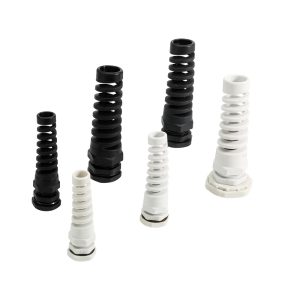
3. Key Factors Affecting IP68 Cable Gland Size Selection
3.1 Cable Outer Diameter and Thread Size Requirements
Cable outer diameter and thread compatibility directly influence the performance of an IP68 Cable Gland. The gland must match both the cable dimensions and the equipment mounting hole to achieve proper mechanical protection.
During manufacturing, cable gland suppliers use precision machining and molding technologies to maintain accurate thread dimensions and sealing tolerances. Common thread standards include PG, Metric, and other customized specifications depending on application requirements.
For engineering teams, considering both cable diameter and thread size ensures easier installation, improved sealing performance, and compatibility with different equipment designs.
3.2 Cable Material, Structure, and Application Conditions
Cable construction varies significantly across industrial applications. Different cable materials, insulation layers, shielding structures, and flexibility levels can affect the selection of a suitable cable gland.
Manufacturers evaluate sealing materials, clamping structures, and mechanical strength according to different cable types. For example, armored cables, flexible cables, and multi-core cables may require different gland designs.
Understanding cable structure allows procurement teams to select products that provide reliable protection while supporting specific industrial operating conditions.
3.3 Waterproof Protection and IP68 Sealing Performance
The IP68 rating represents a high level of protection against dust and continuous water exposure when properly installed. However, achieving reliable waterproof performance depends on correct size selection and sealing design.
Manufacturers improve IP68 sealing performance through advanced sealing rings, precision-designed locking nuts, and high-quality gasket materials. Product testing processes help verify resistance to environmental factors before delivery.
For industrial applications, selecting a properly sized waterproof cable gland reduces the risk of moisture penetration and improves equipment reliability in demanding environments.
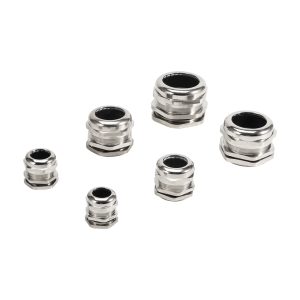
4. Manufacturing and Design Features of Waterproof Cable Glands
4.1 Materials Used for IP68 Waterproof Cable Gland Production
Material selection directly affects the durability, safety, and environmental resistance of an IP68 Waterproof Cable Gland. Industrial cable glands are commonly manufactured using engineering plastics, metal alloys, and specialized sealing materials.
Manufacturers select materials based on requirements such as temperature resistance, chemical resistance, mechanical strength, and outdoor durability. Advanced production methods, including injection molding and surface treatment processes, help maintain consistent product quality.
For buyers, high-quality materials provide better reliability, longer service life, and improved suitability for industrial environments.
4.2 How Sealing Components Ensure Reliable Protection
Sealing components are critical for maintaining waterproof performance. The internal sealing structure must create stable compression around the cable while allowing secure installation.
Manufacturers optimize sealing designs through precision engineering of rubber seals, clamping rings, and protective components. Quality inspection ensures that each component meets dimensional and performance requirements.
For industrial customers, reliable sealing technology helps prevent water and dust penetration, reducing maintenance requirements and improving equipment protection.
4.3 Thread Standards and Installation Compatibility
Thread standards determine whether a cable gland can be correctly installed on specific equipment or control enclosures. Compatibility with existing designs is important for efficient assembly and maintenance.
Cable gland manufacturers produce solutions based on different thread systems, including PG and Metric standards. Accurate thread processing and quality control procedures ensure secure installation and consistent performance.
For equipment manufacturers, selecting compatible thread specifications simplifies production processes and improves assembly efficiency.
5. How to Select the Right Cable Gland for Industrial Applications
5.1 Choosing Cable Gland Sizes for Different Equipment
Different industrial equipment requires different cable gland sizes depending on cable quantity, cable diameter, installation space, and operating environment.
Manufacturers provide multiple size options and customization services to support applications such as control cabinets, automation equipment, outdoor electrical systems, and industrial machinery.
For procurement teams, selecting the appropriate size improves installation efficiency and ensures reliable cable management across different equipment platforms.
5.2 Evaluating Environmental and Safety Requirements
Industrial environments often involve moisture, dust, temperature variations, vibration, and chemical exposure. These conditions influence the required protection level and cable gland design.
Manufacturers evaluate application requirements and develop cable gland solutions with suitable materials, sealing structures, and protection ratings. Compliance testing and quality inspections help ensure product reliability.
For industrial project buyers, evaluating environmental requirements before selection helps reduce operational risks and improve system safety.
5.3 Working with Cable Gland Manufacturers and Suppliers
Choosing the right supplier is an important part of successful cable gland procurement. Experienced manufacturers provide technical support, customization options, and consistent production capabilities.
Professional suppliers typically focus on quality control throughout the manufacturing process, including material inspection, production monitoring, dimensional testing, and final performance checks.
Working with reliable cable gland manufacturers helps industrial customers achieve stable supply, consistent product quality, and efficient project execution.
6. FAQ
What Size Cable Gland Do I Need for My Cable?
The required cable gland size depends on the cable outer diameter, thread specification, and installation environment. Checking the manufacturer’s size guide or Cable Gland PG Size Chart helps determine the correct model.
How Do I Choose the Correct Cable Gland Size?
Correct Cable Gland Size Selection requires evaluating cable diameter, thread type, sealing requirements, and application conditions. Industrial buyers should confirm specifications with suppliers before ordering.
What Is the Difference Between PG and Metric Cable Gland Sizes?
PG and Metric cable glands use different thread standards and sizing systems. The correct choice depends on equipment design requirements and existing installation standards.
How Does IP68 Rating Affect Cable Gland Selection?
An IP68 rating indicates high protection against dust and water, but proper size matching and installation are still required. Selecting the correct IP68 Cable Gland ensures effective sealing performance.
Can One Cable Gland Fit Different Cable Diameters?
Some cable glands support a specific diameter range through flexible sealing designs. However, selecting a gland within the recommended cable range provides more reliable protection.
7. Conclusion
Choosing the correct IP68 Waterproof Cable Gland requires careful evaluation of cable diameter, thread standards, sealing performance, materials, and application conditions. Accurate Cable Gland Size Selection helps industrial systems achieve reliable protection and long-term operational stability.
For manufacturers, suppliers, and procurement teams, working with experienced cable gland manufacturers ensures access to consistent production quality, customized solutions, and stable supply capabilities. Through precise manufacturing processes and strict quality control, reliable waterproof cable gland solutions can support the demanding requirements of modern industrial applications.
 EN
EN  PT
PT