


Crimping is one of the most widely used methods for creating secure electrical and mechanical connections. From automotive wiring and industrial control systems to telecommunications and renewable energy installations, crimped connections provide reliability, conductivity, and long-term performance. But what exactly is the purpose of crimping, and why do manufacturers prefer it over other connection methods such as soldering? In this guide, we’ll explore the fundamentals of crimping, its benefits, applications, and how professional crimp terminal manufacturer ensure high-quality connections.
What Is Crimping?
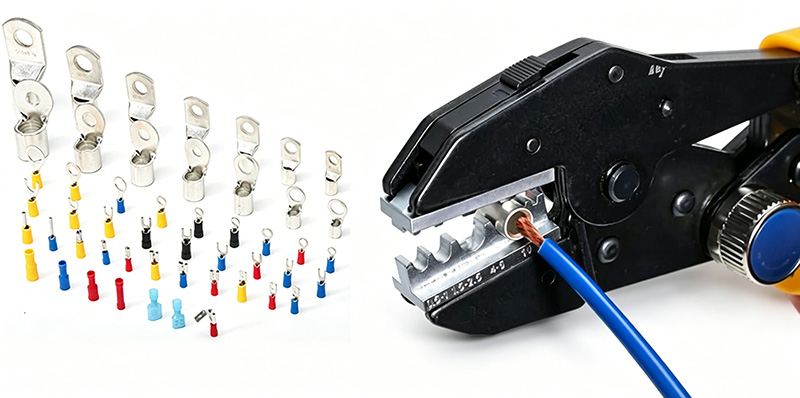
Crimping is a process that joins a wire to a connector or terminal by mechanically deforming the connector around the conductor. Using a specialized crimping tool, pressure is applied to create a tight bond between the wire and terminal.
Unlike soldering, crimping does not require heat. Instead, it creates a gas-tight connection that minimizes electrical resistance and prevents corrosion.
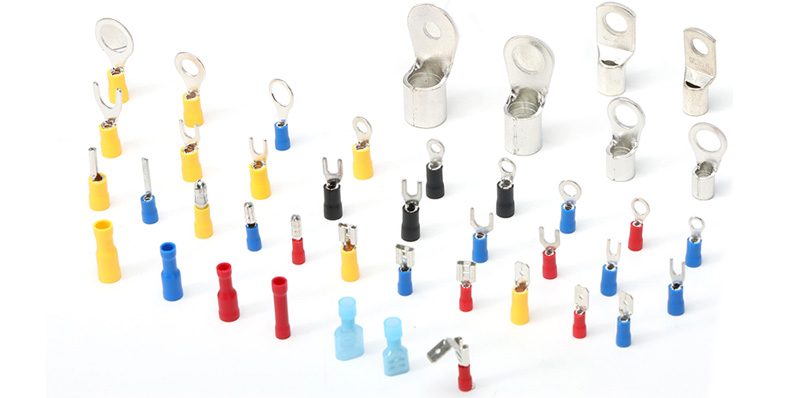
Common products used in crimping include:
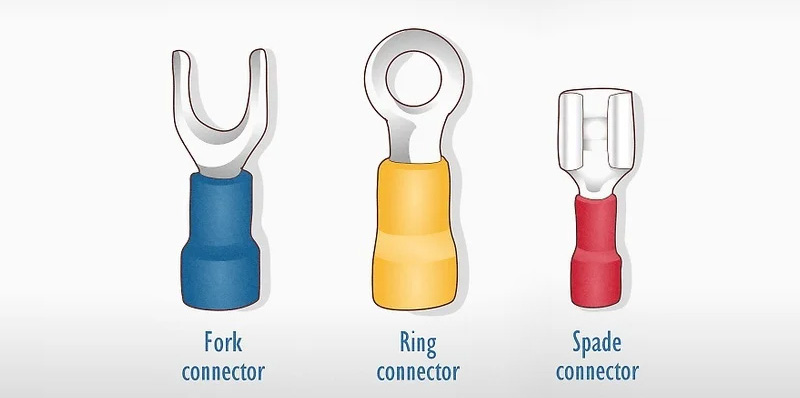
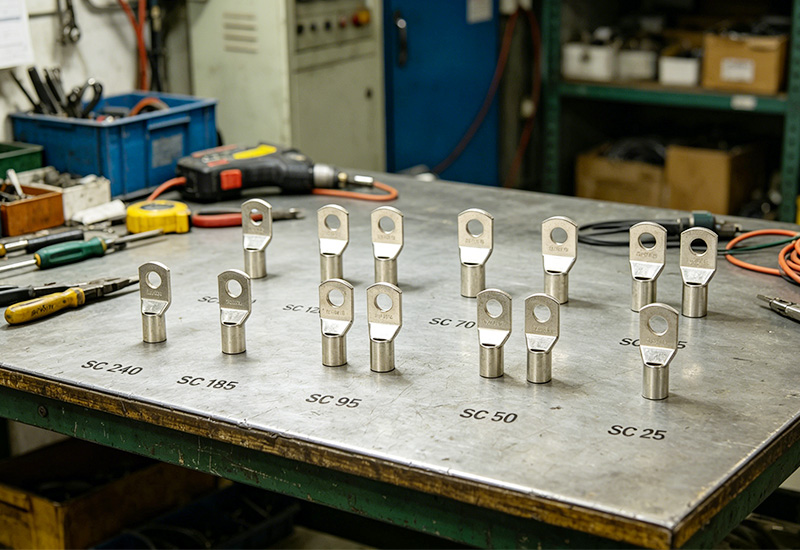
- Ring terminals
- Spade terminals
- Fork terminals
- Butt connectors
- Ferrules
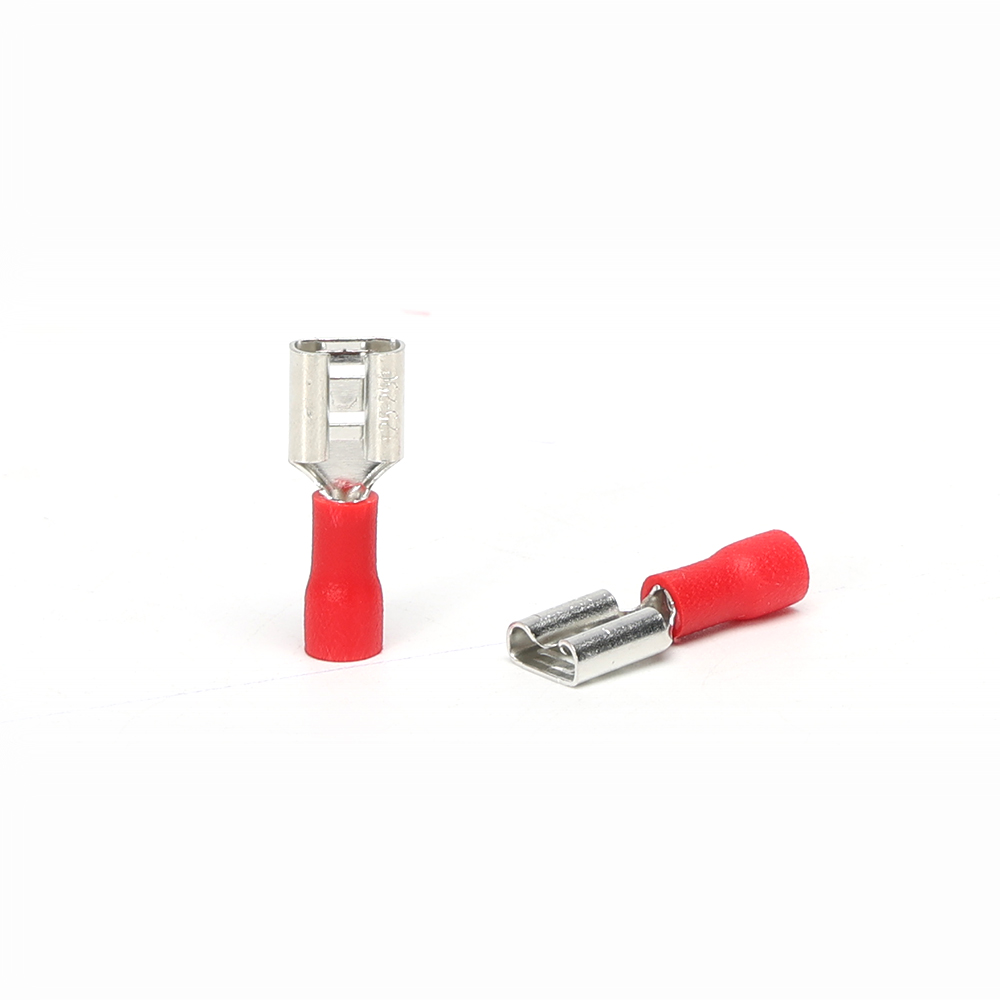
- Quick-connect terminals
The primary purpose of crimping is to create a reliable, durable, and electrically conductive connection between a wire and a terminal. A properly executed crimp connection ensures efficient current flow while maintaining mechanical strength.
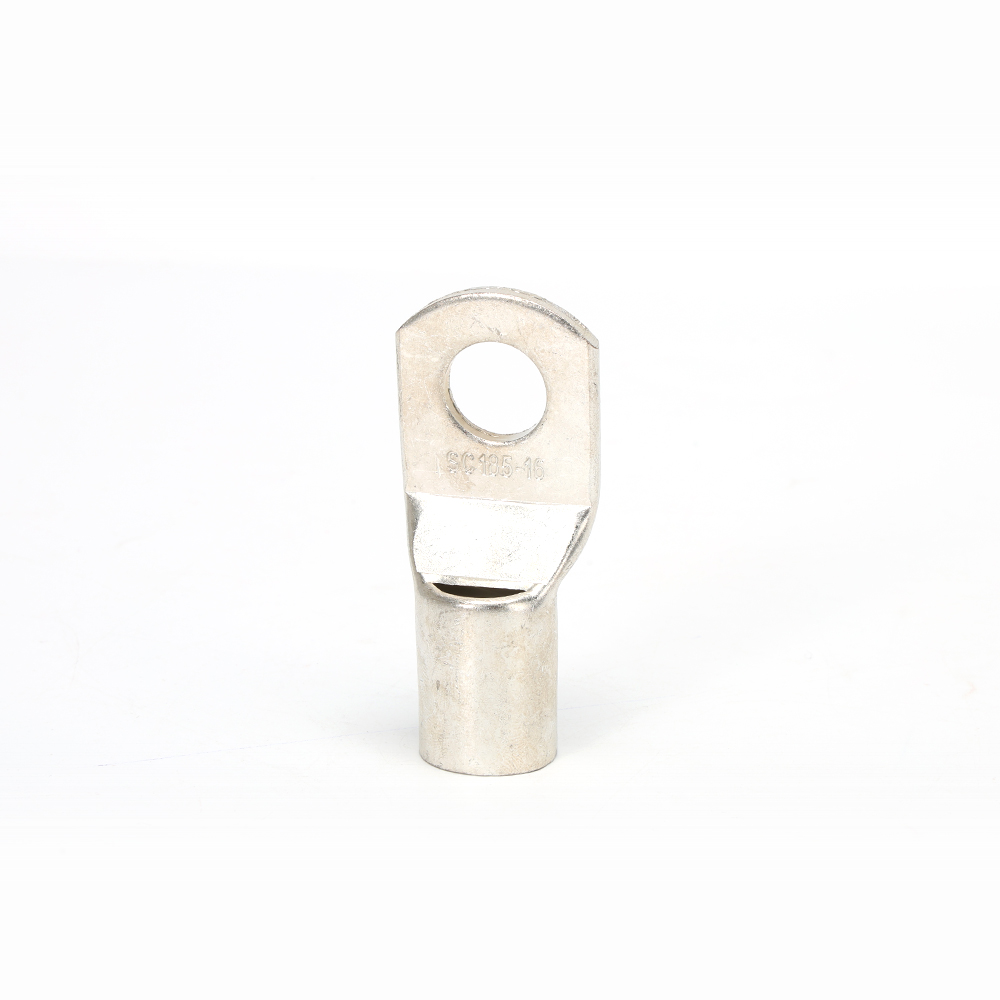 Key Objectives of Crimping
1. Ensure Reliable Electrical Conductivity
A well-crimped connection minimizes contact resistance, allowing electricity to flow efficiently between the conductor and terminal.
Benefits include:
- Reduced voltage drop
- Lower energy loss
- Improved electrical performance
- Consistent conductivity over time
2. Improve Mechanical Strength
Crimped connections are designed to withstand vibration, movement, and mechanical stress.
This makes them ideal for:
- Automotive wiring systems
- Industrial machinery
- Marine applications
- Railway systems
- Aerospace equipment
3. Prevent Corrosion
High-quality crimping creates a gas-tight seal that prevents moisture, air, and contaminants from reaching the conductor.
Advantages include:
- Longer service life
- Reduced oxidation
- Improved reliability
- Lower maintenance requirements
4. Increase Installation Efficiency
Compared with soldering, crimping is significantly faster.
Technicians can:
- Install connections quickly
- Reduce labor costs
- Improve production efficiency
- Ensure consistent results
5. Enhance Safety
Loose electrical connections are a common cause of overheating and electrical failures.
Proper crimping helps:
- Prevent arcing
- Reduce fire risks
- Maintain system integrity
- Improve equipment safety
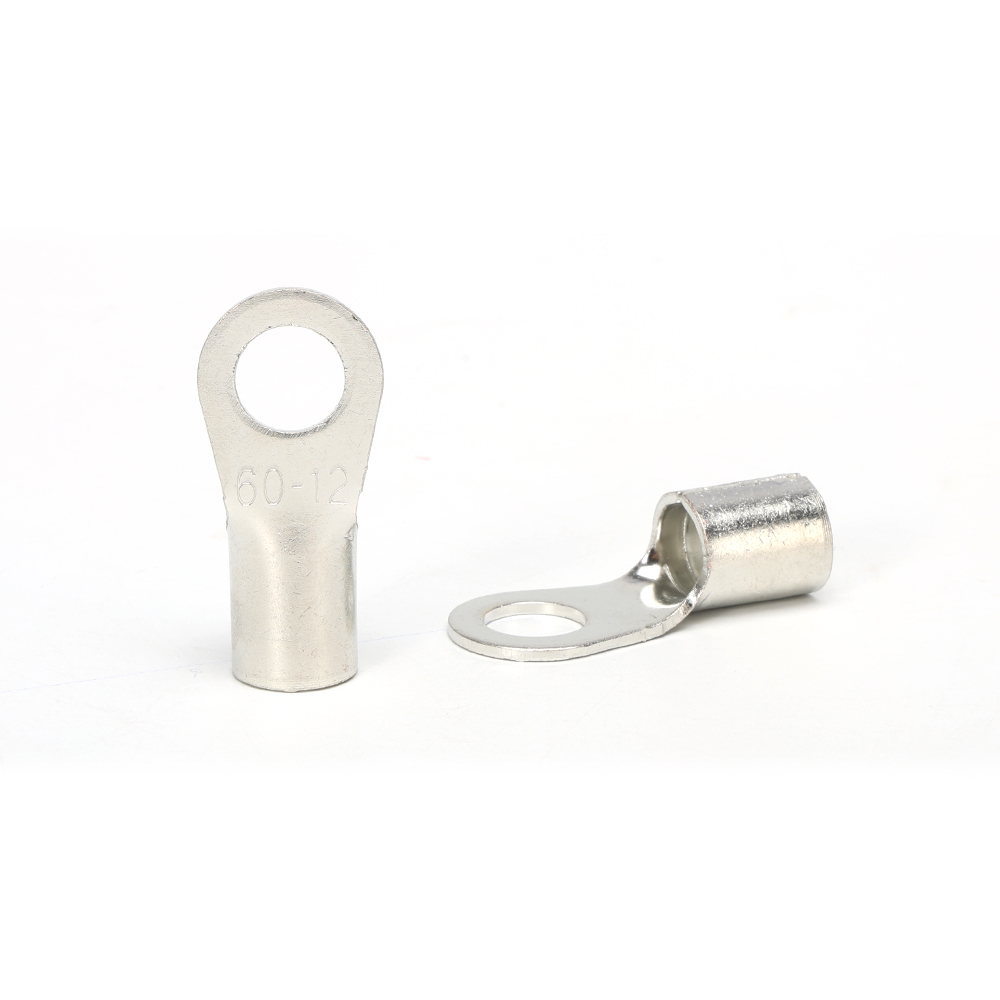
How Does a Crimp Connection Work?
A crimp connection works by compressing the terminal barrel around the wire strands.
The compression:
- Removes air gaps
- Creates metal-to-metal contact
- Forms a gas-tight connection
- Increases mechanical retention
The result is a secure connection capable of carrying electrical current while resisting pull-out forces.
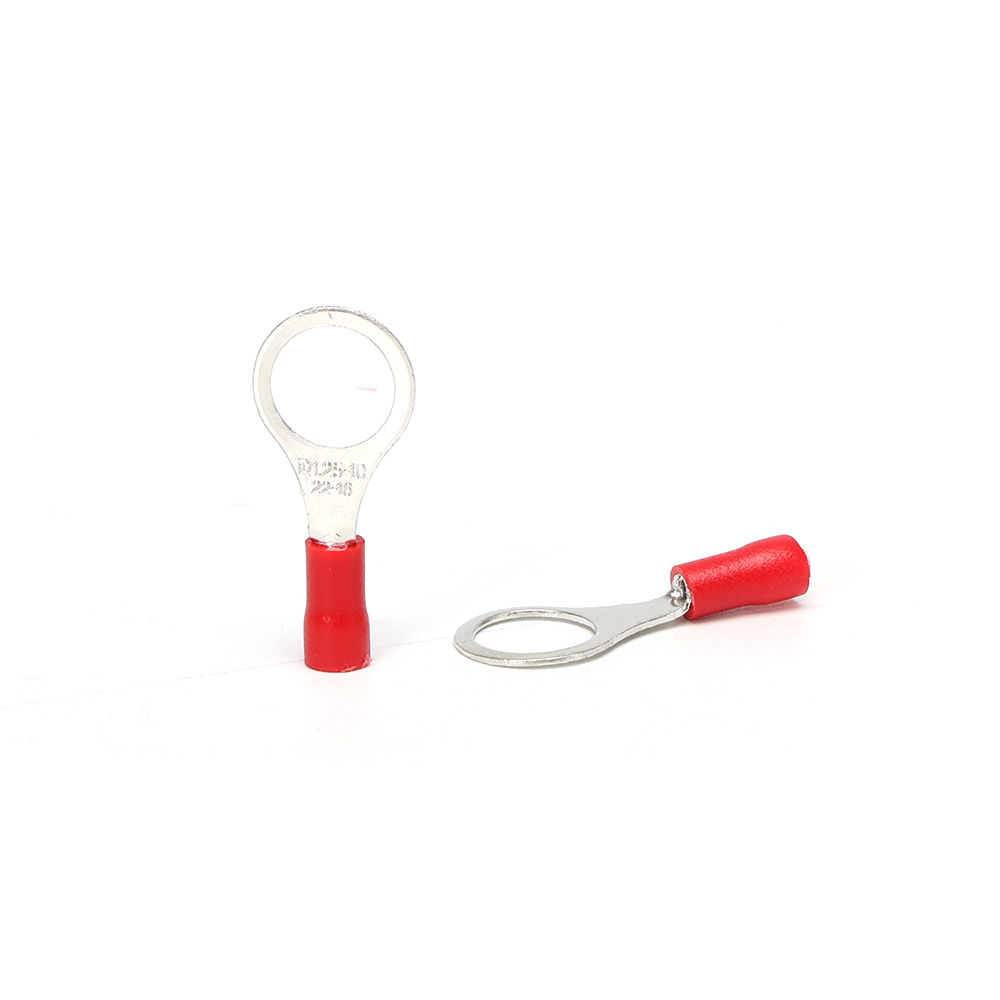
Advantages of Crimped Connections
Advantage 1: High Reliability
Crimped terminals provide stable performance even in harsh environments.
Advantage 2: Excellent Vibration Resistance
Unlike some soldered joints, crimped connections can withstand vibration without becoming brittle.
Advantage 3: Fast Production
Crimping is highly suitable for mass production environments.
Advantage 4: Cost-Effective
The process requires less time and labor than soldering, reducing manufacturing costs.
Advantage 5: Easy Inspection
Quality control personnel can visually inspect crimp quality and perform pull-force testing.
Crimping vs Soldering: Which Is Better?
| Feature | Crimping | Soldering |
|---|---|---|
| Installation Speed | Fast | Slower |
| Heat Required | No | Yes |
| Vibration Resistance | Excellent | Moderate |
| Production Efficiency | High | Lower |
| Maintenance | Easy | More Difficult |
| Automation Capability | Excellent | Limited |
In most industrial and commercial applications, crimping is preferred because it offers greater consistency, faster installation, and better resistance to vibration.
Common Applications of Crimping
Crimping technology is used across numerous industries.
Automotive Industry
Vehicle wiring harnesses rely heavily on crimp terminals because of constant vibration and movement.
Industrial Automation
Control panels and machinery require reliable electrical connections to maintain operational stability.
Renewable Energy
Solar and wind power systems use crimped terminals to ensure dependable electrical transmission.
Telecommunications
Communication equipment uses crimp connectors for secure signal and power connections.
Marine Applications
Marine environments demand corrosion-resistant connections that can withstand moisture and salt exposure.
Types of Crimp Terminals
Ring Terminals
Ring terminals provide secure fastening under screws or bolts.
Applications:
- Grounding systems
- Control panels
- Distribution equipment
Spade Terminals
Spade terminals allow quick installation and removal.
Applications:
- Industrial controls
- Appliance wiring
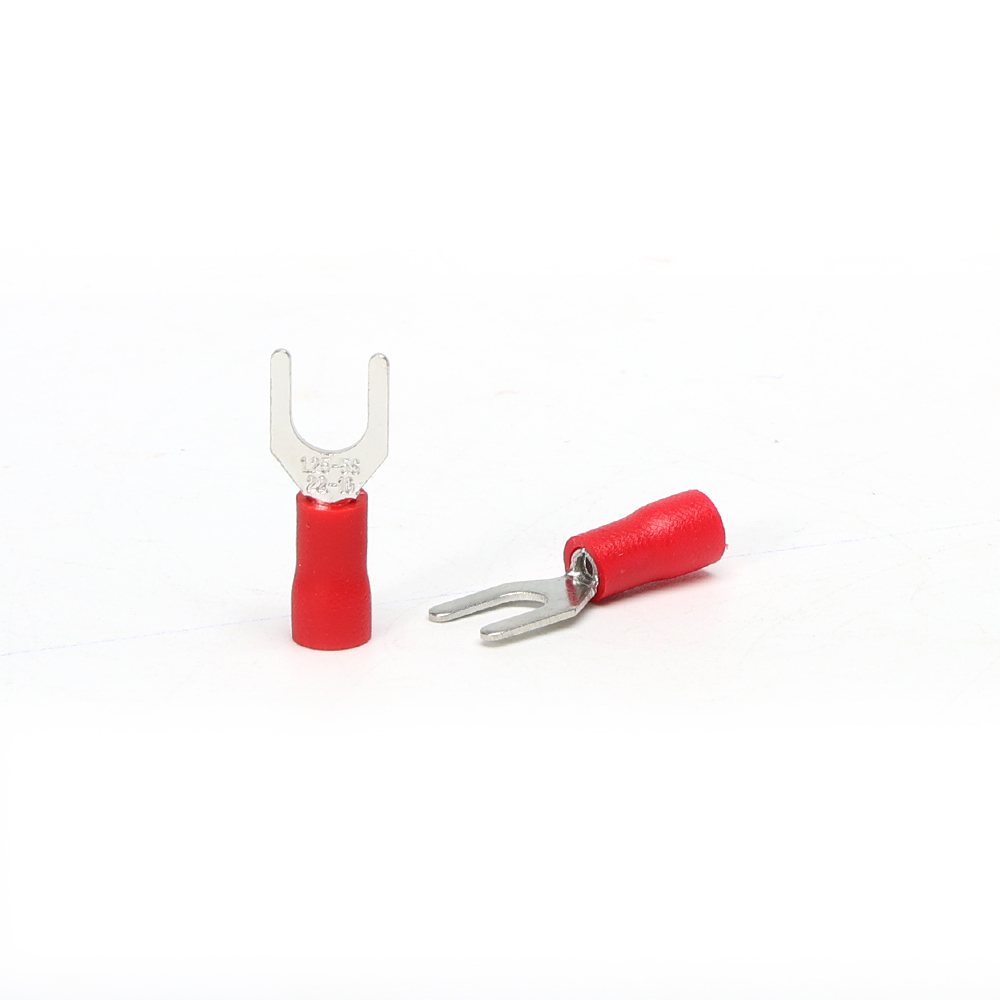
Fork Terminals
Fork terminals simplify maintenance and replacement.
Applications:
- Electrical panels
- Automation systems
Butt Connectors
Used to join two wires together.
Applications:
- Wire repairs
- Harness assembly
Ferrules
Ferrules protect stranded conductors and improve terminal connections.
Applications:
- PLC panels
- Switchgear
- Control cabinets
How Crimp Terminal Manufacturers Ensure Quality
A professional Crimp Terminal Manufacturer follows strict production and testing procedures to guarantee product performance.
Material Selection
High-quality terminals are typically made from:
- Copper
- Tinned copper
- Brass
- Phosphor bronze
These materials provide excellent conductivity and durability.
Precision Manufacturing
Advanced stamping and forming equipment ensure dimensional accuracy and consistency.
Surface Treatment
Manufacturers often apply:
- Tin plating
- Nickel plating
- Silver plating
These coatings improve corrosion resistance and conductivity.
Quality Testing
Reliable manufacturers perform:
- Pull-force testing
- Conductivity testing
- Salt spray testing
- Dimensional inspection
- Crimp cross-section analysis
Compliance with International Standards
Leading manufacturers produce terminals that comply with:
- UL standards
- RoHS requirements
- CE regulations
- IEC standards
How to Choose a Reliable Crimp Terminal Manufacturer
When sourcing crimp terminals, consider the following factors:
Manufacturing Experience
Choose manufacturers with proven industry expertise.
Product Range
Look for suppliers offering:
- Ring terminals
- Spade terminals
- Butt connectors
- Ferrules
- Custom terminals
Certifications
Verify quality certifications and compliance standards.
Customization Capability
OEM and ODM services can help meet specific application requirements.
Technical Support
Reliable manufacturers provide engineering support and product recommendations.
Frequently Asked Questions
Is crimping stronger than soldering?
In many applications, properly crimped connections offer superior mechanical strength and vibration resistance compared to soldered joints.
Why is crimping preferred in automotive wiring?
Crimped connections can withstand continuous vibration, temperature fluctuations, and harsh operating conditions.
Can crimped connections corrode?
A properly executed crimp forms a gas-tight seal that significantly reduces the risk of corrosion.
What tools are used for crimping?
Common tools include manual crimpers, ratchet crimpers, hydraulic crimpers, and automated crimping machines.
How do I know if a crimp is good?
A quality crimp should pass visual inspection, pull-force testing, and electrical conductivity checks.
Conclusion
The purpose of crimping is to create a secure, durable, and highly conductive connection between a wire and a terminal. Compared with soldering, crimping offers faster installation, superior vibration resistance, improved reliability, and lower maintenance requirements. As a result, crimped connections have become the industry standard across automotive, industrial, telecommunications, marine, and renewable energy applications.
When selecting terminals for your projects, working with an experienced Crimp Terminal Manufacturer ensures access to high-quality products, strict quality control, and dependable technical support. Whether you need standard terminals or customized solutions, choosing the right supplier can significantly improve the safety and performance of your electrical systems.
Looking for high-quality crimp terminals for your next project? Contact our team today for OEM/ODM solutions, competitive pricing, and expert technical support.
 EN
EN  PT
PT 