


When it comes to selecting Ring Crimp Connectors, understanding material properties is crucial for ensuring reliable electrical performance. Choosing the wrong material can lead to energy loss, overheating, or even costly downtime. In this guide, we’ll dive into the materials commonly used for ring terminals, compare their conductivity, and help you decide which one is best suited for your applications. Whether you’re a procurement professional or an electrical technician, this article will give you the insight you need to make an informed choice.
Which Material Of Ring Crimp Connectors Offers The Best Conductivity?
The material of a Ring Crimp Connector directly impacts its efficiency, durability, and cost. Let’s explore the most common options.
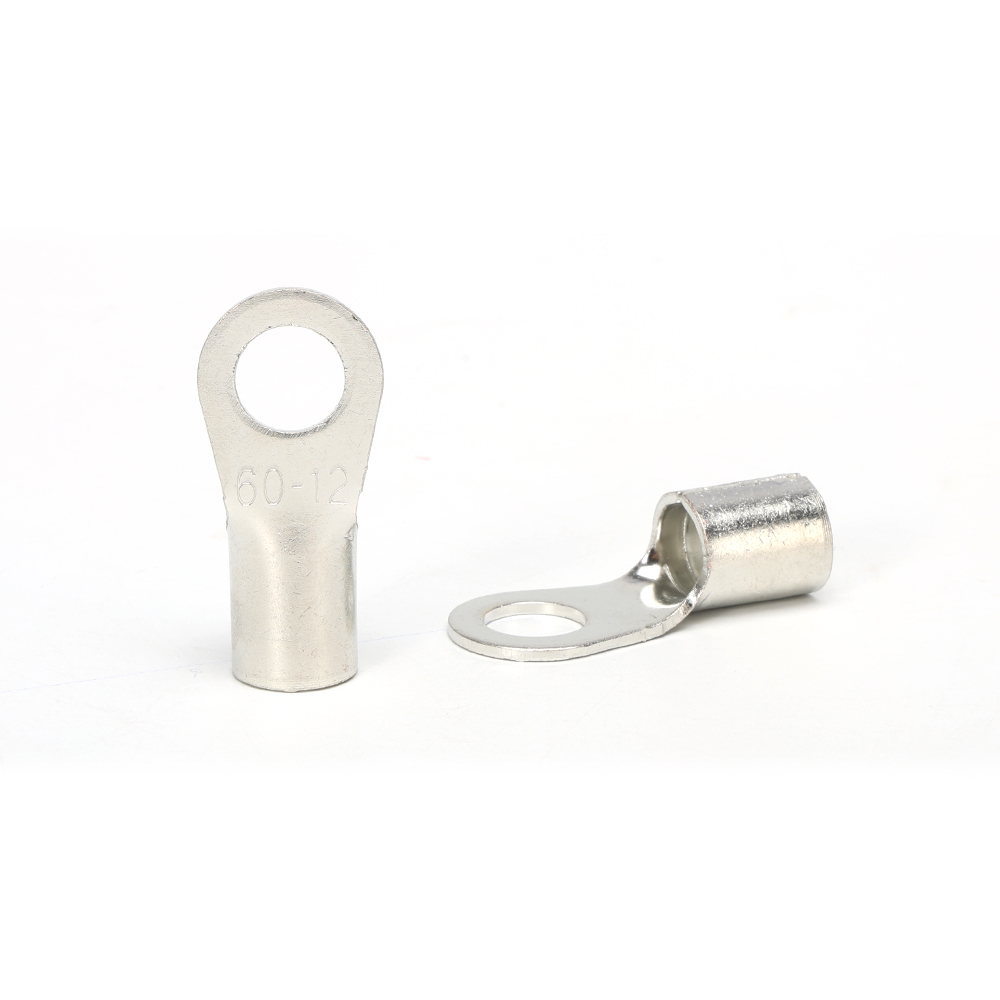 Copper (The Gold Standard)
Copper is widely regarded as the benchmark for electrical conductivity in crimp terminals. Its high conductivity ensures minimal energy loss and stable connections.
● Excellent electrical conductivity
● High thermal tolerance, reducing the risk of overheating
● Corrosion-resistant when properly plated or coated
● Suitable for high-current applications
● Widely available but more expensive than brass or aluminum
Many industrial panels and high-performance applications rely on copper wire crimp connectors for critical circuits. For example, automotive and marine wiring often favors copper for reliability under fluctuating conditions.
Brass (The Cost-Effective Alternative)
Brass combines copper and zinc, offering decent conductivity at a lower cost. It’s a practical alternative for less demanding applications.
● Good electrical conductivity, slightly less than copper
● Resistant to corrosion and mechanical wear
● Easier to manufacture, making it cost-effective
● Commonly used in residential and light industrial wiring
● Often tin-plated to improve corrosion resistance and solderability
Brass crimp terminals strike a balance between performance and price, especially in procurement scenarios where bulk buying matters.
Aluminum (The Lightweight Choice)
Aluminum is lightweight and inexpensive but comes with trade-offs in conductivity and mechanical strength.
● Lower electrical conductivity than copper or brass
● Lightweight, making it suitable for aerospace or portable devices
● Prone to oxidation, which can affect long-term connectivity
● Requires specialized crimping techniques to avoid loose connections
● Less commonly used for high-current applications
While aluminum can reduce overall system weight, you may need to compensate with larger cross-sections to achieve equivalent conductivity.
Copper Vs. Brass Vs. Aluminum
| Material | Conductivity (% IACS) | Corrosion Resistance | Cost | Application Examples | Durability |
|---|---|---|---|---|---|
| Copper | 100 | High (with plating) | High | Automotive, industrial, marine | High |
| Brass | 28–30 | Medium-High | Medium | Residential, light industrial | Medium |
| Aluminum | 61 | Low-Medium | Low | Aerospace, lightweight panels | Low-Medium |
In short, copper dominates for conductivity, brass offers affordability with decent performance, and aluminum provides weight savings but requires careful handling.
Does Plating Affect Conductivity?
Plating, such as tin or nickel, is often applied to ring connector crimps to enhance corrosion resistance and longevity. While plating slightly reduces conductivity, the trade-off is usually negligible compared to the benefits:
● Tin-plated copper retains most conductivity while resisting oxidation
● Nickel plating improves corrosion resistance in harsh environments
● Silver plating can enhance conductivity for high-frequency applications
Always consider the environment: humid or salty conditions make plating essential for reliable connections.
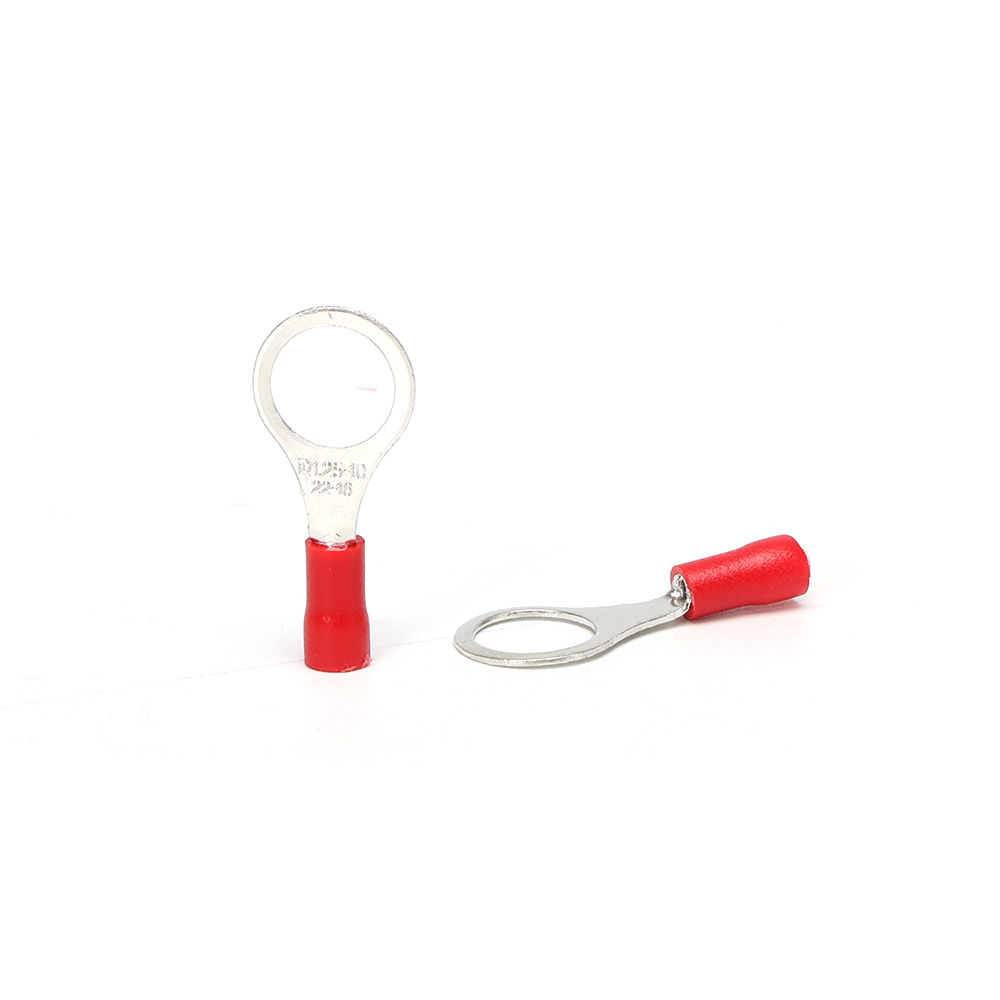 Choosing The Right Material For Specific Applications
When selecting a material, think beyond conductivity alone:
● High-current or critical circuits: Copper crimp terminals are ideal
● Cost-conscious bulk procurement: Brass is a practical choice
● Weight-sensitive or portable devices: Aluminum may be acceptable with careful design
● Harsh environments: Tin-plated copper balances conductivity and corrosion resistance
At Westlec, we ensure that all our ring crimp connectors meet stringent quality standards for both industrial and commercial applications.
FAQ
1. Copper Vs Brass Ring Terminals
Answer: Copper ring terminals generally have better electrical conductivity than brass terminals, meaning they allow current to flow more efficiently. Brass is harder and more corrosion-resistant than pure copper but has higher electrical resistance. For high-current applications, copper is preferred; for mechanical durability and moderate conductivity, brass can be suitable.
2. Are Copper Or Brass Ring Terminals Better?
Answer: “Better” depends on application:
● Copper: Superior conductivity, ideal for high-current or sensitive electronics. Softer, easier to crimp, but more prone to mechanical deformation.
● Brass: Stronger and more resistant to mechanical wear and corrosion, but slightly lower conductivity.
For most electrical applications where conductivity is critical, copper is usually better. For environments where mechanical stress is high, brass can be advantageous.
3. Tin Plated Copper Vs Bare Copper Conductivity
Answer: Tin-plated copper has slightly higher resistance than bare copper due to the thin tin layer, but the difference is minimal for typical electrical uses. The plating mainly prevents oxidation and improves long-term reliability, making it especially useful in humid or corrosive environments. Bare copper has maximum conductivity but can oxidize over time, reducing efficiency.
4. Aluminum Vs Copper Crimp Connectors
Answer: Copper crimp connectors are generally superior in conductivity, mechanical reliability, and long-term stability. Aluminum connectors are lighter and cheaper but are prone to oxidation, which increases resistance over time. Special anti-oxidation treatments or compounds are required for aluminum connections to remain reliable. For most critical electrical systems, copper is preferred.
5. Does Terminal Plating Affect Resistance?
Answer: Yes, terminal plating can affect resistance slightly. Tin or nickel plating protects against corrosion, which maintains low resistance over time. Gold plating is used in low-current signal applications to minimize contact resistance. Bare metals have slightly lower initial resistance but are more susceptible to oxidation, which increases resistance over time.
6. Is Brass A Good Conductor For Ring Terminals?
Answer: Brass is a moderate conductor. Its electrical conductivity is lower than copper (typically 28–30% IACS vs copper’s 100%). It is suitable for low- to medium-current applications where mechanical strength and corrosion resistance are more critical than maximum conductivity. For high-current applications, copper is preferred.
7. How Does Corrosion Affect Crimp Connector Conductivity?
Answer: Corrosion increases contact resistance, reducing current flow and potentially causing heat buildup. Oxidation on metals like aluminum or copper can significantly impair conductivity, sometimes leading to connector failure. Plating (tin, nickel, or gold) and proper sealing prevent corrosion and maintain reliable conductivity over time.
Conclusion
Selecting the right material for your ring crimp connectors can dramatically impact efficiency, durability, and safety. Copper remains the gold standard for conductivity, brass offers a reliable cost-effective alternative, and aluminum suits specific lightweight applications. By considering your current, environment, and budget, you can make informed procurement decisions. Trust Westlec to provide high-quality ring connector crimps that meet your exact requirements—because reliable connections start with the right material. Take action today and choose connectors that ensure both performance and peace of mind.
 EN
EN  PT
PT 