


If you work with electrical systems, you’ve likely come across crimp terminals—small but critical components that ensure secure, long-lasting wire connections. From industrial control panels to automotive wiring, electrical crimp terminals provide a reliable mechanical and electrical link without soldering. In this guide, you’ll learn what they are, how they work, their types, and how to choose the right solution for your application or procurement needs.
What Is a Crimp Terminal?
Basic Definition
A crimp terminal is a type of electrical connector used to join a wire to a device, terminal block, or another wire through mechanical compression. Instead of melting metal like soldering, crimping creates a cold-welded connection by deforming the terminal around the conductor.
This process forms both:
- A mechanical bond that holds the wire firmly
- An electrical connection that allows efficient current flow
For procurement professionals, this dual functionality is exactly why crimp terminals dominate modern electrical assembly.
Structure of a Crimp Terminal
Understanding the structure helps you choose the right product faster.
A standard crimp terminal typically includes:
- Conductor barrel — where the stripped wire is inserted
- Contact area — connects to equipment (ring, fork, pin, etc.)
- Insulation sleeve — protects against short circuits and damage
- Color coding — indicates wire size compatibility
Most high-quality terminals use copper or brass, often tin-plated for corrosion resistance.
How Does a Crimp Terminal Work?
At its core, crimping relies on controlled deformation.
When you apply a crimping tool:
- The metal barrel compresses tightly around the wire strands
- Air gaps are eliminated, reducing oxidation
- A gas-tight connection is formed
This results in a connection that is:
- Highly conductive
- Resistant to vibration
- Durable under thermal cycling
Compared to soldering, crimping avoids brittle joints and heat damage. That’s why industries like automotive and energy strongly prefer it.
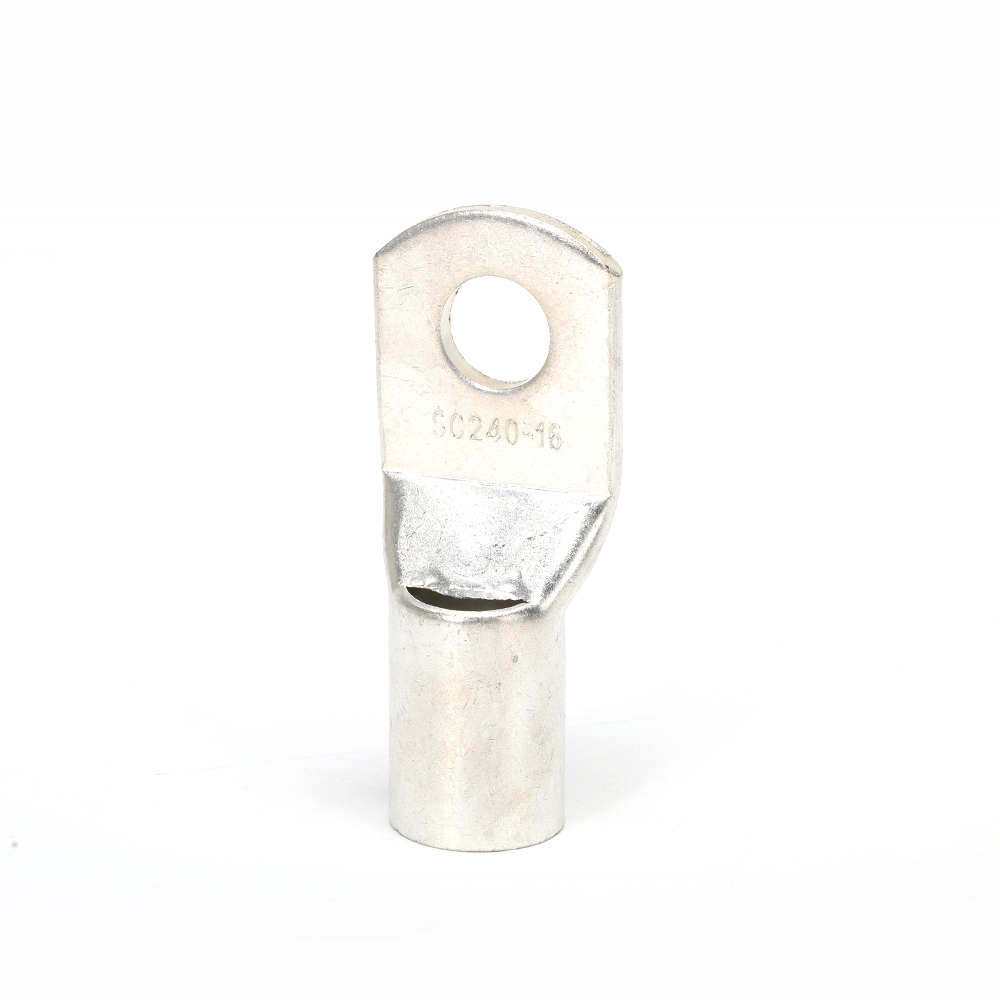
Types of Crimp Terminals
This is where things get practical—choosing the right type directly affects performance and installation efficiency.
Insulated Crimp Terminals
These come with a PVC or nylon sleeve.
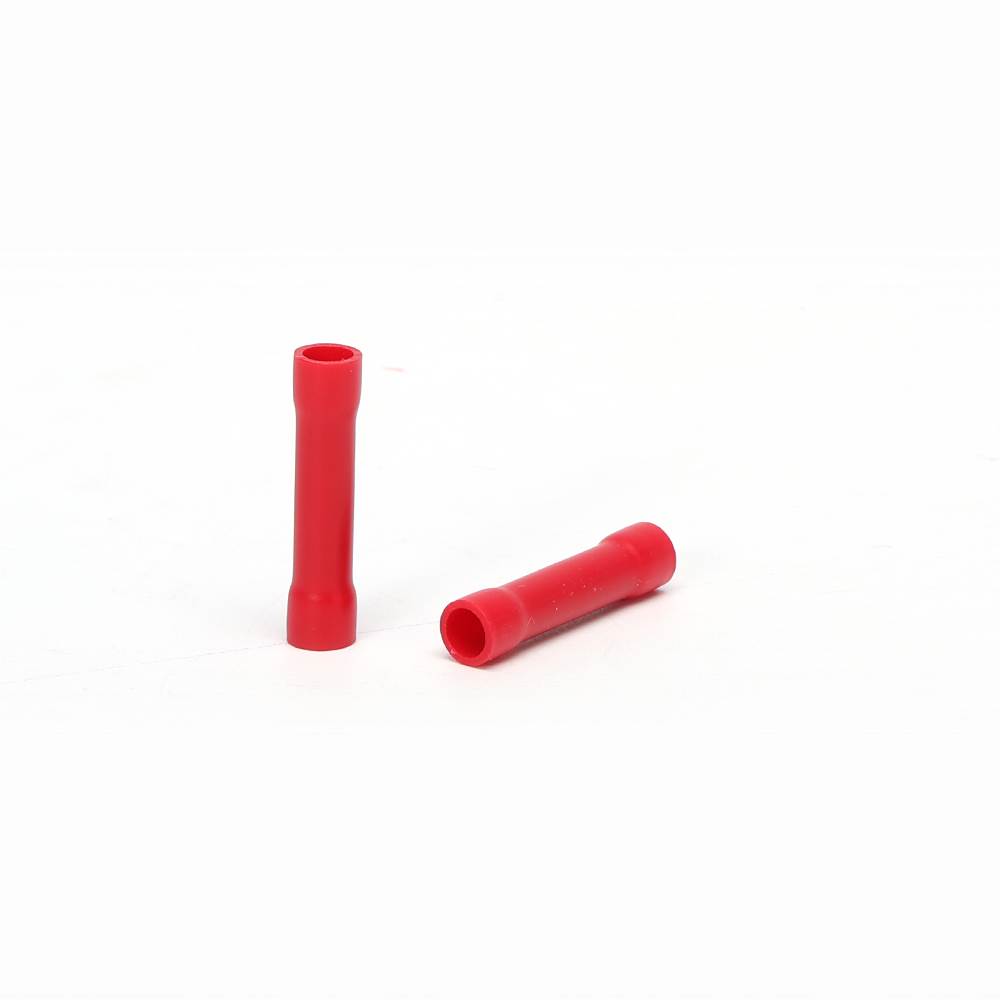
Advantages:
- Prevent accidental short circuits
- Easier handling during installation
- Color-coded for quick identification
They are widely used in commercial and residential wiring.
Uninsulated Crimp Terminals
No insulation—just pure metal.
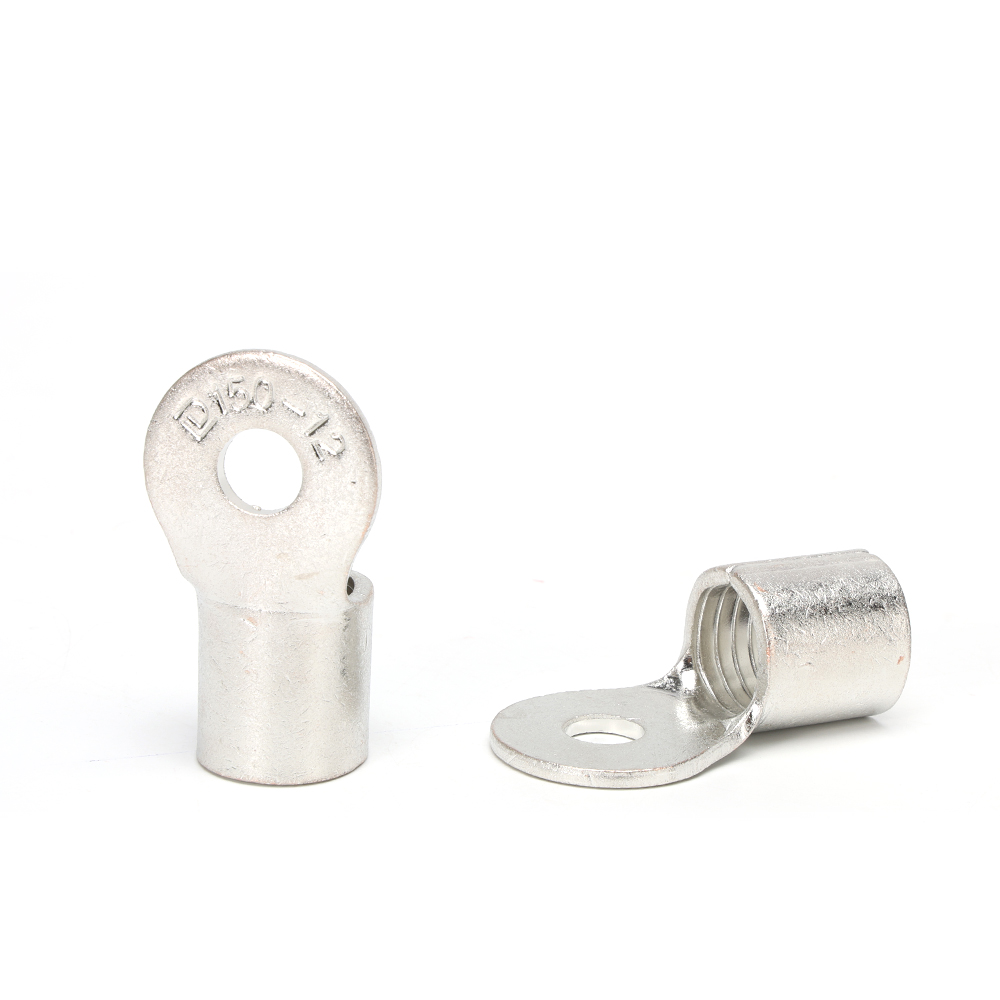 Best suited for:
- Control cabinets
- Industrial machinery
- High-temperature environments
They offer better conductivity and are often paired with heat shrink tubing.
Common Shapes of Crimp Terminals
Different applications require different geometries.
- Ring terminals — secure, permanent connections
- Spade (fork) terminals — quick installation/removal
- Butt connectors — wire-to-wire joining
- Pin terminals — ideal for terminal blocks
- Blade terminals — flat quick-connect systems
For large-scale procurement, selecting the correct shape can significantly reduce installation time.
Crimp Terminal Materials and Color Coding
Materials
Material selection impacts conductivity, durability, and cost.
| Material | Conductivity | Corrosion Resistance | Typical Use Case |
|---|---|---|---|
| Copper | Excellent | Moderate | General wiring |
| Tinned Copper | Excellent | High | Marine, outdoor |
| Brass | Good | Good | Cost-effective industrial use |
Color Coding System
Color coding simplifies wire matching in the field.
- Red — 0.5–1.5 mm²
- Blue — 1.5–2.5 mm²
- Yellow — 4–6 mm²
This system reduces installation errors—especially useful when managing large projects with multiple technicians.
Applications of Crimp Terminals
Crimp terminals are everywhere—and for good reason.
You’ll typically find them in:
- Electrical distribution panels
- Automotive harness systems
- Industrial automation equipment
- Renewable energy installations (solar, wind)
In one real-world scenario, a commercial solar contractor reduced maintenance failures by switching from soldered joints to crimp terminals, improving uptime across multiple installations.
Crimping vs Soldering: Which Is Better?
This is a high-impact decision point for many buyers.
| Factor | Crimping | Soldering |
|---|---|---|
| Strength | High (vibration-resistant) | Medium (can crack) |
| Installation | Fast | Time-consuming |
| Skill Required | Moderate | High |
| Consistency | Very consistent | Operator-dependent |
| Heat Impact | None | Can damage insulation |
Why industries prefer crimping:
- Faster production cycles
- Lower labor cost
- More consistent quality
If you’re sourcing for manufacturing or large-scale installation, crimping is almost always the better investment.
How to Use Crimp Terminals (Step-by-Step Guide)
Even the best terminal fails if installed incorrectly. Here’s a clean workflow:
- Strip the wire to the correct length
- Insert the conductor fully into the barrel
- Use a calibrated crimping tool
- Apply firm, even pressure
- Inspect for tightness and alignment
A properly crimped connection should not pull apart under moderate force.
How to Choose the Right Crimp Terminal
This is where procurement decisions get strategic.
Key Selection Factors
- Wire size compatibility — always match gauge precisely
- Operating environment — consider temperature, moisture, vibration
- Insulation needs — safety vs flexibility
- Terminal shape — based on connection type
- Compliance standards — UL, CE, RoHS
Choosing incorrectly can lead to failure, rework, and increased cost.
Practical Buying Insights
When you’re sourcing at scale, think beyond just price.
- Bulk consistency matters more than unit cost
- Packaging should support efficient installation
- Supplier traceability reduces risk
- Customization may be necessary for OEM projects
- Lead time stability is critical for production planning
Why Choose Westlec As Your Crimp Terminal Manufacturer
When it comes to sourcing high-quality crimp terminals, making the right choice of manufacturer is crucial for ensuring the durability, reliability, and performance of your electrical connections.
By choosing Westlec, you’re ensuring that your electrical connections are in good hands. With an unmatched focus on quality, customization, and customer service, Westlec is the perfect partner for your crimp terminal needs.
FAQs About Buy Crimp Terminals
Are crimp connections reliable?
Yes—when properly installed, they are highly reliable and widely used in industry.
Can crimp terminals be reused?
No, they are designed for single use to maintain integrity.
What tool is used for crimping?
A dedicated crimping tool matched to the terminal type.
How do I choose the right size?
Match the terminal to your wire gauge and color code.
What Is The Difference Between Insulated And Non-insulated Terminals?
Insulated terminals have a protective covering to prevent short circuits, while non-insulated terminals are exposed metal for direct connections.
Are Crimp Terminals Better Than Soldering?
Yes, crimp terminals offer stronger, more reliable connections that resist vibration better than soldering.
Do Crimp Terminals Prevent Short Circuits?
Insulated crimp terminals can help prevent short circuits by isolating the connection from external elements.
What Materials Are Best For Crimp Terminals?
Copper, tinned copper, and brass are the best materials for crimp terminals, offering excellent conductivity and corrosion resistance.
Where Can I Buy High-Quality Crimp Terminals?
You can buy high-quality crimp terminals from reputable suppliers like Westlec or authorized distributors.
Conclusion
By now, you should have a clear understanding of what crimp terminals are, how they work, and how to select the right type for your needs. From material selection to application scenarios, every detail plays a role in ensuring a safe, durable electrical connection.
For procurement professionals, the real value lies in balancing performance, consistency, and supplier reliability. Choosing the right partner—especially one that understands real-world applications like Westlec—can significantly reduce long-term operational risks.
If you’re planning a project or sourcing in bulk, now is the time to act—reach out, request samples, compare specifications, and secure a supplier that aligns with your quality and delivery expectations.


 EN
EN  PT
PT 