


Purchasing professionals and electricians may have questions such as: Are push-in wire connectors reliable? Should you tape push-in wire connectors? How to use a push-in wire connector? This article provides answers to frequently asked questions about push-in connectors and offers purchasing guidance.
Are Push In Wire Connectors Reliable?
In the fast-paced world of electrical procurement, the debate is no longer if you should stock push in wire connectors, but which ones. For decades, the trusty wire nut dominated the junction box, but the shift toward tool-less, efficient, and foolproof terminations is undeniable. At Westlec, we understand that reliability isn’t just about a secure connection; it’s about reducing callbacks, ensuring safety compliance, and speeding up installation times.
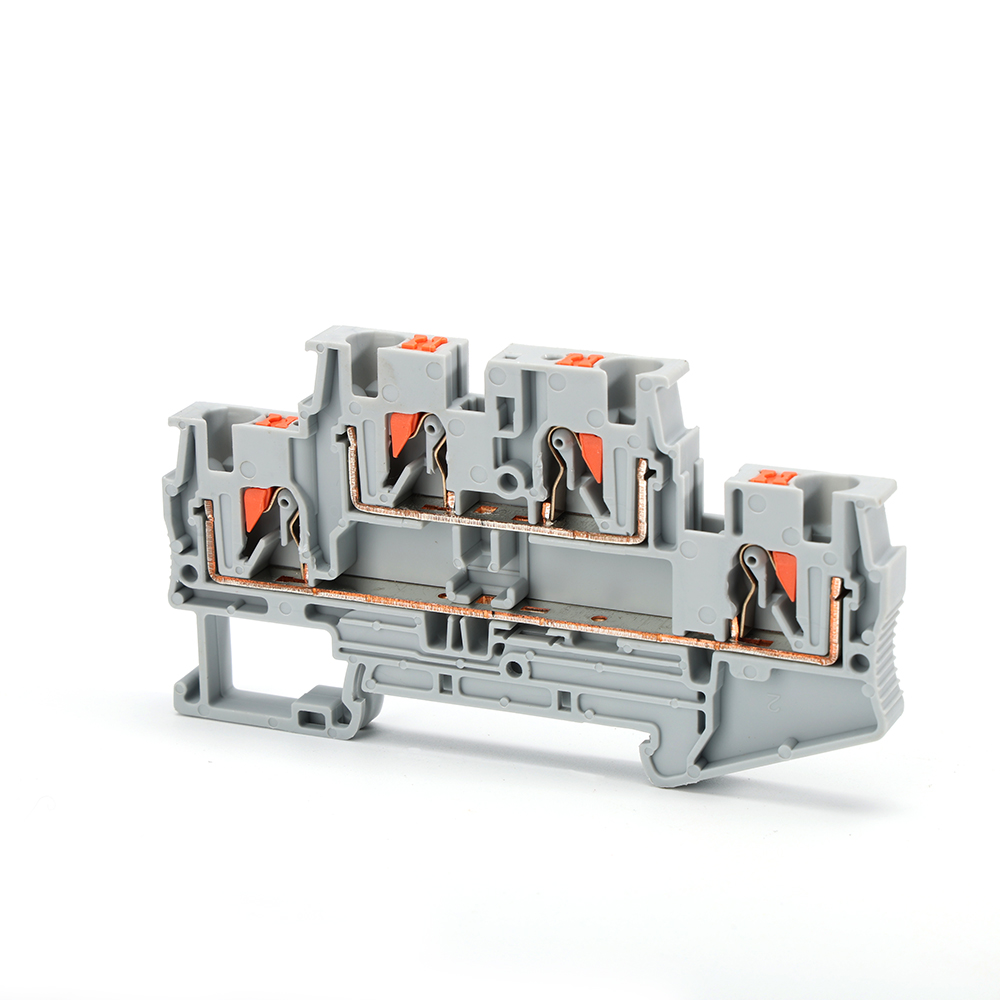
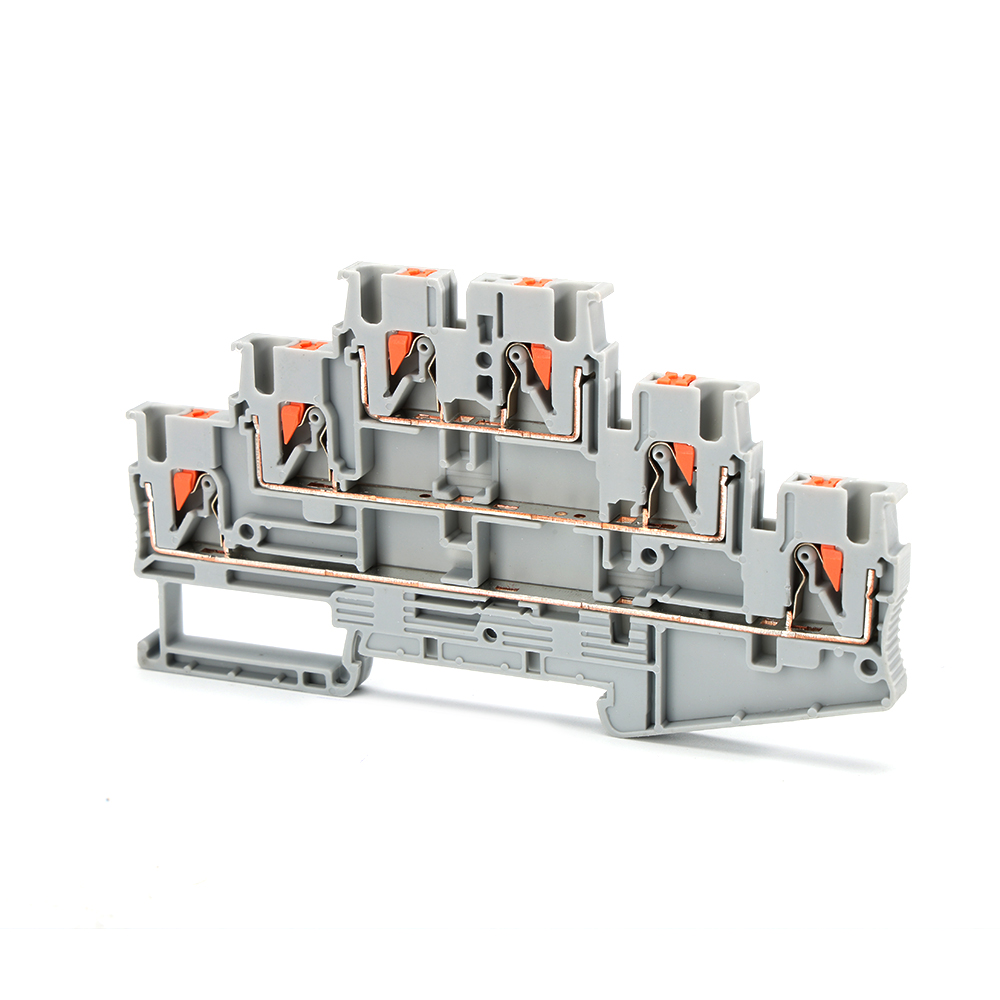
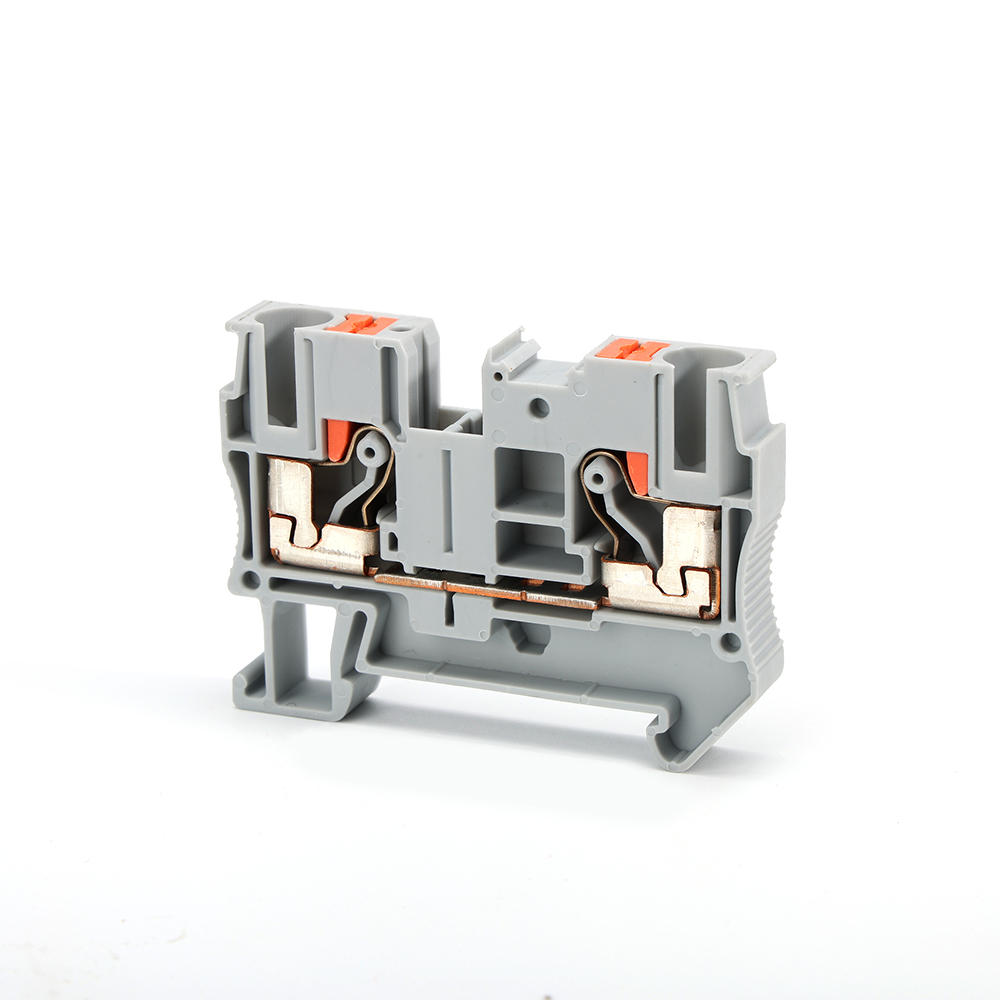 Decoding Push In Connector Technology
When we talk about push in connectors at a procurement level, we need to look beyond the plastic housing and understand the engineering that defines performance.
The Mechanics of a Reliable Connection
Let’s get tactile for a second. Imagine inserting a wire and feeling that solid “click.” That’s the sound of a precision-engineered spring steel mechanism engaging. Unlike screw terminals that can loosen over time due to wire compression (cold flow), the spring in a push in wire connector compensates for changes in temperature and load. It’s constantly gripping. This “maintenance-free” aspect is a game-changer for commercial buildings where access to junction boxes after the drywall goes up is nearly impossible. You want a connection that you can set and forget .
Material: What Makes Them Safe?
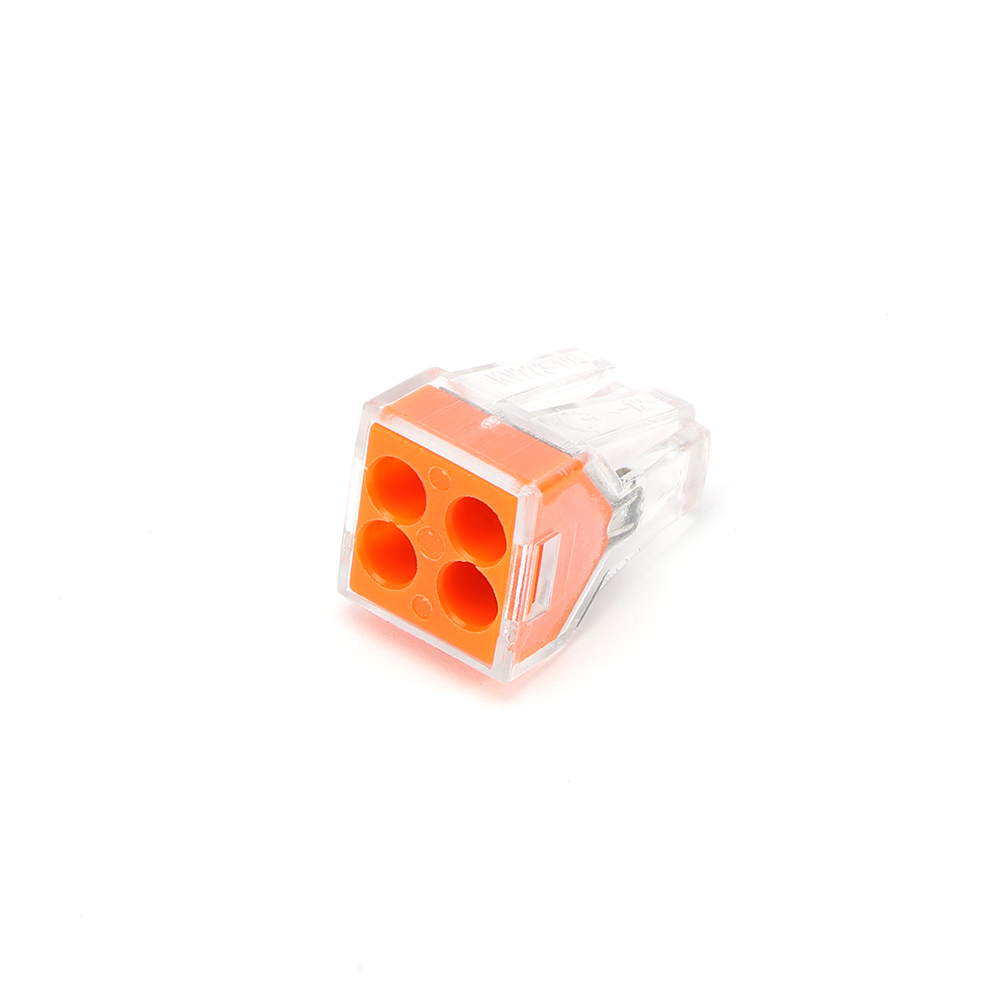
Safety starts with the raw materials. High-quality connectors feature housings made of polycarbonate or PBT (Polybutylene Terephthalate). These materials are not only impact-resistant but also feature UL94 V-0 flammability ratings, meaning they self-extinguish in the event of an electrical fault . Internally, the current-carrying parts are typically a tin-plated copper alloy, offering high conductivity while resisting corrosion. For procurement, this means verifying that the supplier provides material test reports. At Westlec, we prioritize vendors who use optical-grade transparent housings—this isn’t just for looks; it allows for visual confirmation of wire insertion depth, a simple feature that drastically reduces installation errors.
Reliability and Safety
There’s a persistent myth in the industry that all push in connectors are dangerous. This usually stems from bad experiences with the “back-stab” terminals found on the back of standard receptacles. However, modern lever and push-fit connectors are a different beast entirely.
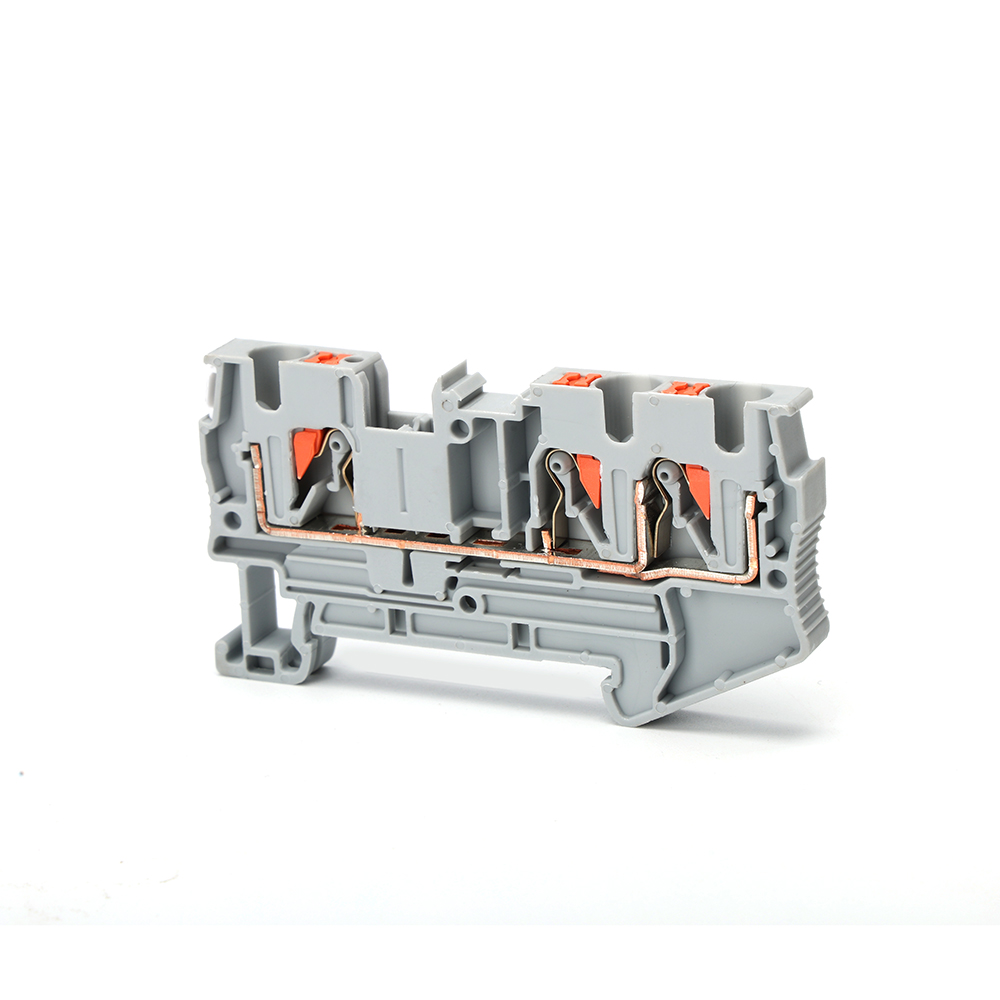
Are Push-In Connectors Safe for Homes?
Absolutely. But context is key. For residential lighting circuits, ceiling fans, and standard outlet boxes, they are not only safe but superior. A case study involving a production home builder found that switching to push in connectors reduced their trimming labor by 35% and virtually eliminated loose neutral callbacks .
However, you must match the connector to the load. While a standard push in wire connector handles 15-20 amps perfectly, high-heat environments (like an oven junction box) or high-amperage continuous loads (like space heaters) might still call for specific high-temperature rated connectors or ceramic options. Always check the maximum operating temperature listed on the datasheet.
Should You Tape Push-In Wire Connectors?
This is a question we get a lot from contractors making the switch. The short answer? No. Push in connectors are designed with a fully insulated housing that protects the connection and maintains creepage and clearance distances required by UL 486C . Adding electrical tape is redundant; it doesn’t improve the mechanical hold and can actually trap heat or make inspections difficult. If you feel the need to tape them, you might be dealing with a connector that isn’t fitting snugly—a sign you should switch to a more reliable brand, like those in the Westlec supply chain.
| Feature | Traditional Wire Nut | Push In Connector (Westlec Focus) |
|---|---|---|
| Installation Time | Moderate to Slow (Twisting required) | Fast (Tool-less, one-second push) |
| Consistency | Varies by installer skill | High (Standardized spring pressure) |
| Reusability | Good (if not over-tightened) | Varies (Lever types are reusable) |
| Vibration Resistance | Moderate (can loosen) | Excellent (Spring maintains tension) |
| Inspection | Visual (hiding the copper) | Visual (Clear housing confirms depth) |
| Wire Compatibility | Solid & Stranded (with technique) | Solid & Stranded (specific models) |
Practical Application and Installation
Theory is great, but the rubber meets the road—or rather, the copper meets the spring—in the field.
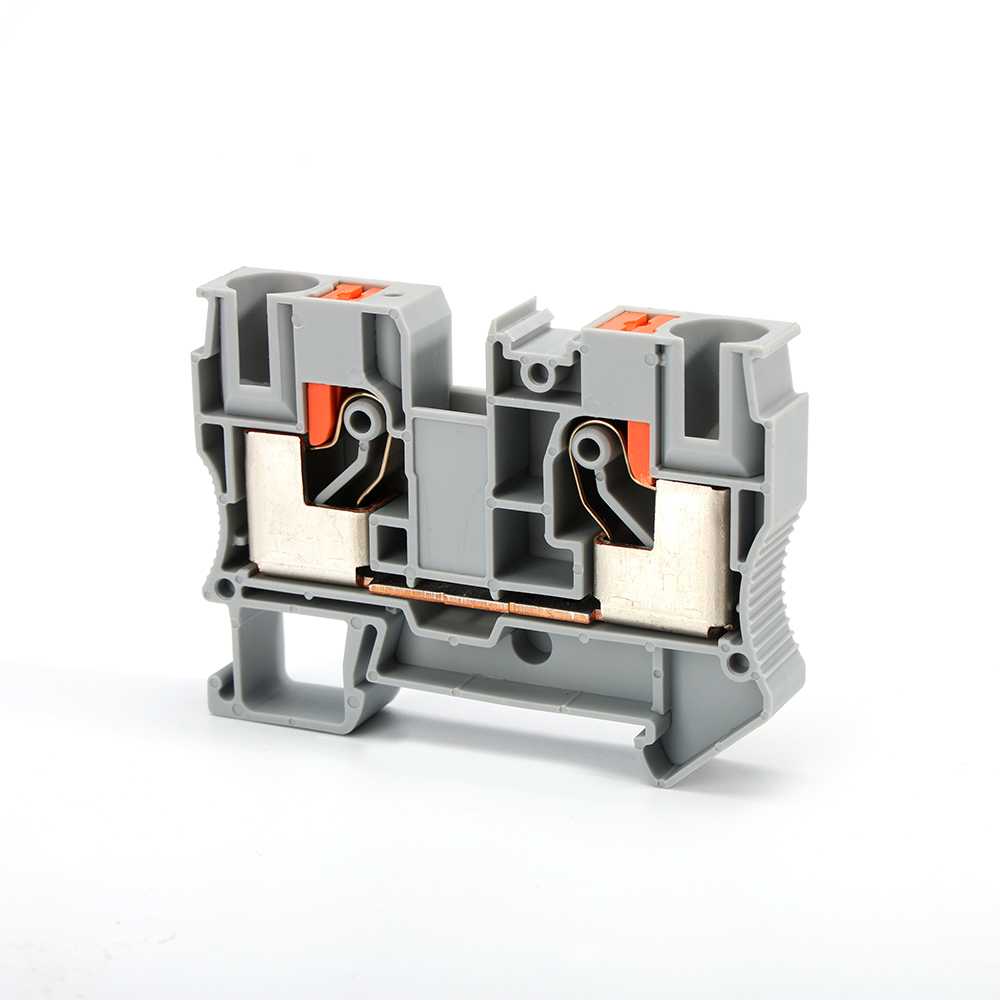 How to Use a Push-In Wire Connector
Using these connectors is intuitive, but there is a “right way” to ensure a perfect electrical connection. Here’s a quick guide for your team or customers:
1. Strip to Perfection: Use a quality stripper to remove insulation. You want exactly 10-12mm of bare copper (check the connector gauge marker). Too little and the wire won’t engage the spring; too much and exposed copper becomes a safety hazard.
2. No Twist Needed: Straighten the strands if using stranded wire. For solid wire, ensure it’s straight.
3. Push and Feel: Push the wire straight into the port. You should feel a slight resistance, then a “click” or stop. Give it a gentle tug to confirm the spring has locked onto the conductor .
4. Visual Check: Look through the clear housing. The wire should be visible past the spring contact.
Can You Remove Wires from Push-In Connectors?
Yes, but the method depends on whether you are using a non-releasable (single-use) or a releasable (lever) type. Most standard push in connectors have a release mechanism. You’ll notice small oval slots next to the wire holes. Insert a small screwdriver or a dedicated release tool into this slot to depress the spring, and simultaneously pull the wire out with a slight twist .
*Caution:* Some non-releasable connectors, often found in cheap lighting fixtures, are designed to be permanent. Removing the wire usually destroys the connector. This is why having a reliable sourcing partner like Westlec is vital—we advocate for connectors that offer maintenance flexibility.
A Buyer’s Guide to Specifications
For the procurement specialists reading this, the “feel” of a connector matters less than the data sheet. Here’s what you need to demand from your suppliers.
Key Specifications to Evaluate
When sourcing push in connectors, don’t just look at the price per unit. Look at the total cost of ownership and reliability metrics.
– Wire Range: Most common connectors handle a combination of 22 to 10 AWG. Ensure the connector explicitly states it handles the wire sizes you use most (e.g., 12 and 14 solid for residential Romex).
– Rated Voltage: Standard is usually 300V or 600V. For lighting fixtures and most residential, 300V is fine. For commercial and industrial, 600V is the benchmark .
– Temperature Rating: Look for at least 105°C (221°F). This ensures the connector can handle the ambient heat inside an attic or a crowded electrical panel.
– Flammability Rating: UL94 V-2 is common, but V-0 is superior. V-0 stops burning within 10 seconds on a vertical specimen .
– Agency Listings: This is non-negotiable. Look for UL Listed (in the US/Canada) or CE marks (for Europe). UL 486C is the standard for wire connectors .
When to Choose Lever vs. Standard Push-In
Your application dictates the style. Standard push in connectors (like the Wago 773 series style) are fantastic for new construction where wires are terminated once and left alone. They are compact and cost-effective.
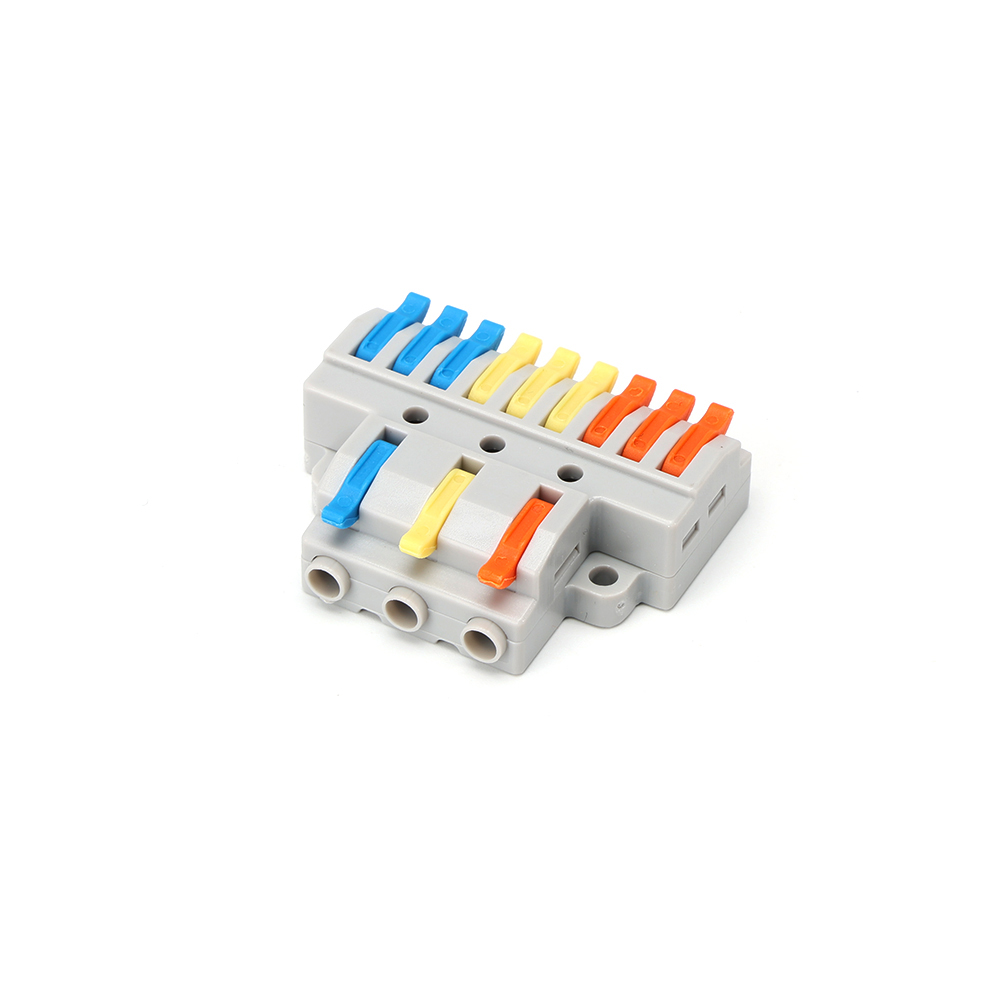
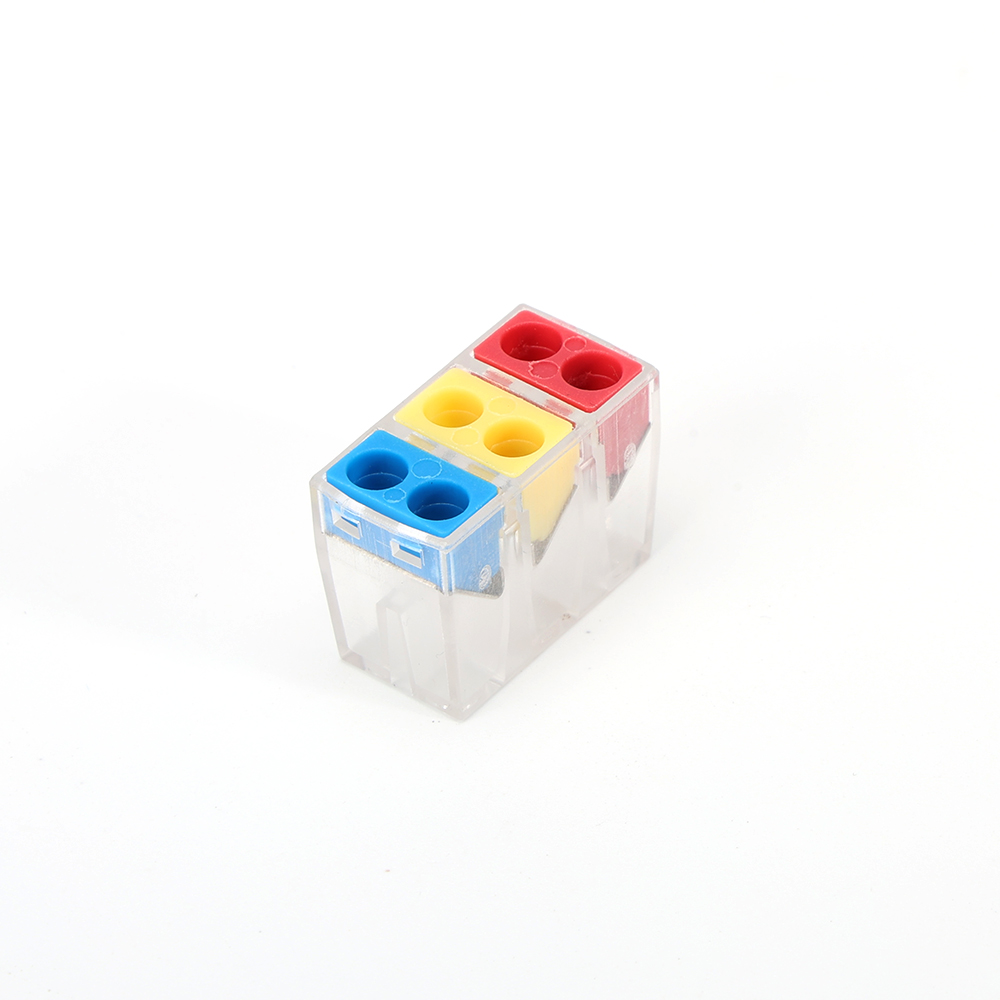
However, for maintenance-heavy environments or applications using stranded wire, lever-nut style connectors (like the Wago 221 series style) are superior. The lever mechanically opens and closes the clamp, making it easy to insert stranded wire without fraying and simple to disconnect for troubleshooting . If your projects involve a lot of lighting retrofits or temporary power setups, the lever style is the MVP.
FAQ
Can you reuse push-in wire connectors?
It depends on the type. Standard non-releasable push in connectors are generally for single-use; removing the wire often weakens the spring grip . However, lever-style connectors are specifically designed for reuse. You can open and close the lever multiple times without damaging the connection, making them ideal for troubleshooting and temporary setups .
Do push-in connectors work with stranded wire?
Many modern push in connectors, especially lever types, are rated for both solid and stranded copper wire. However, you must verify the connector’s specifications. Some basic push-in types are designed only for solid wire. If the wire is finely stranded, using a ferrule is sometimes recommended to bundle the strands, though many high-quality spring clamps can grip them directly .
How do you release wires from a push-in connector?
Look for the release slot. Most connectors have a small opening near the wire port. Insert a small flathead screwdriver or a dedicated release tool into that slot to push against the internal spring clamp. While holding the spring back, gently pull and twist the wire until it slides out .
What is the difference between “Push-In” and “Back-Stab” connectors?
This is critical. “Back-stab” refers to the weak, spring-loaded terminals on the back of cheap receptacles and switches; these are known for failing over time. Push in connectors (like those from Wago, Ideal, or Westlec) are standalone splicing connectors. They use superior stainless steel clamps, offer higher contact force, and are tested to rigorous standards (UL486C) specifically for joining wires, not just for attaching to a device .
Conclusion
The electrical industry is moving toward efficiency without sacrificing safety. Push in wire connectors have proven themselves over millions of installations, from OEM manufacturing to residential smart homes. They save time, reduce installer fatigue, and provide a connection that is mechanically and electrically superior to many outdated methods when used correctly . As a procurement partner, ensuring your inventory is stocked with high-quality, UL-listed connectors from reputable manufacturers is the key to success. Don’t let skepticism based on old technology hold your operations back.
Are you ready to upgrade your electrical supplies? Explore the Westlec range of premium push-in connectors today. Whether you need bulk orders for large-scale commercial builds or reliable components for residential electrical kits, we have the certified solutions you need. [Contact our procurement team] for a quote and discover how Westlec can power your projects with reliability and innovation.
Tags: push in wire connector, electrical connectors, Westlec, wiring solutions, procurement guide, push in connectors, reliable connections

 EN
EN  PT
PT 