


In the design and installation of electrical systems, terminal blocks, though seemingly small components, play a crucial role in connection, transmission, and protection.
For procurement decision-makers, a thorough understanding of terminal blocks is crucial for ensuring project success and effective cost control. This article will delve into six core questions and demonstrate how Westlec, with its exceptional quality, can be your trusted partner.
What Does A Terminal Block Look Like?
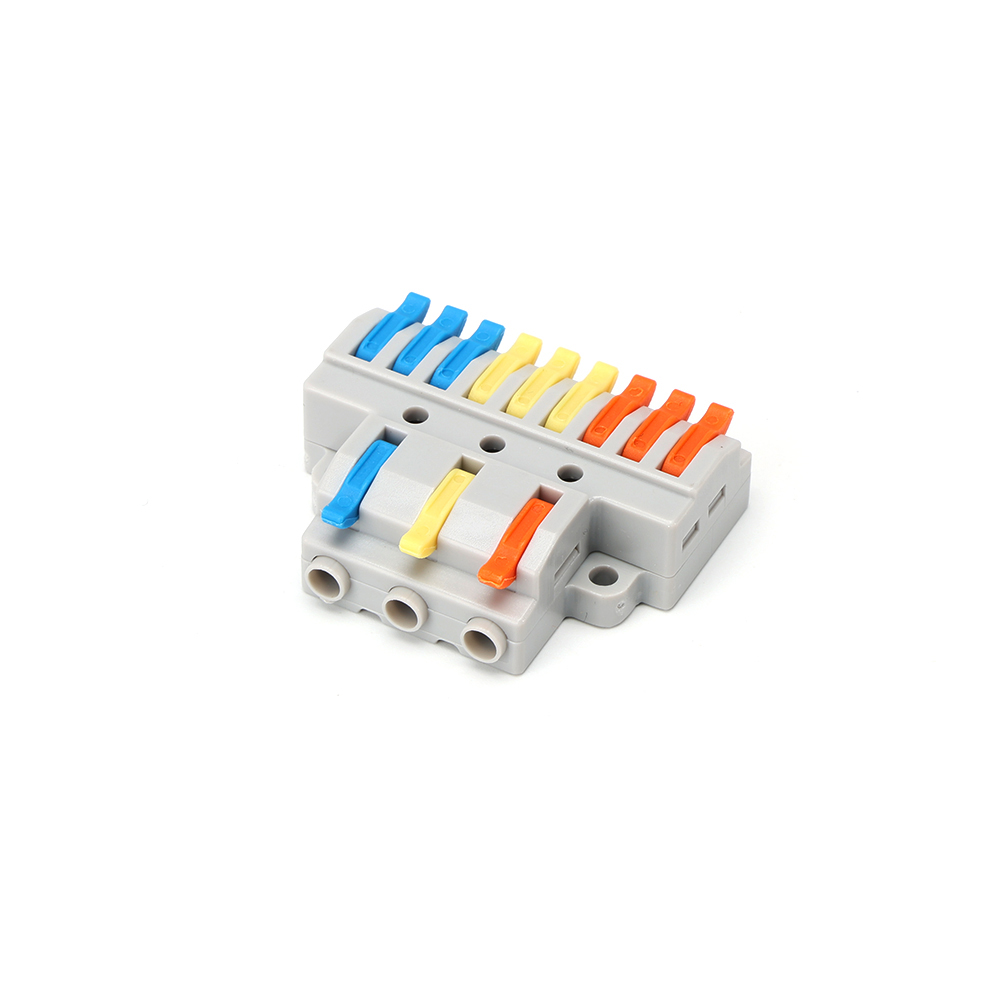
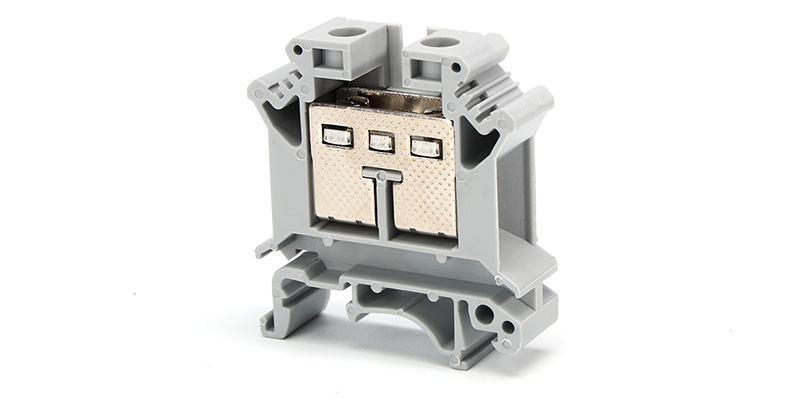
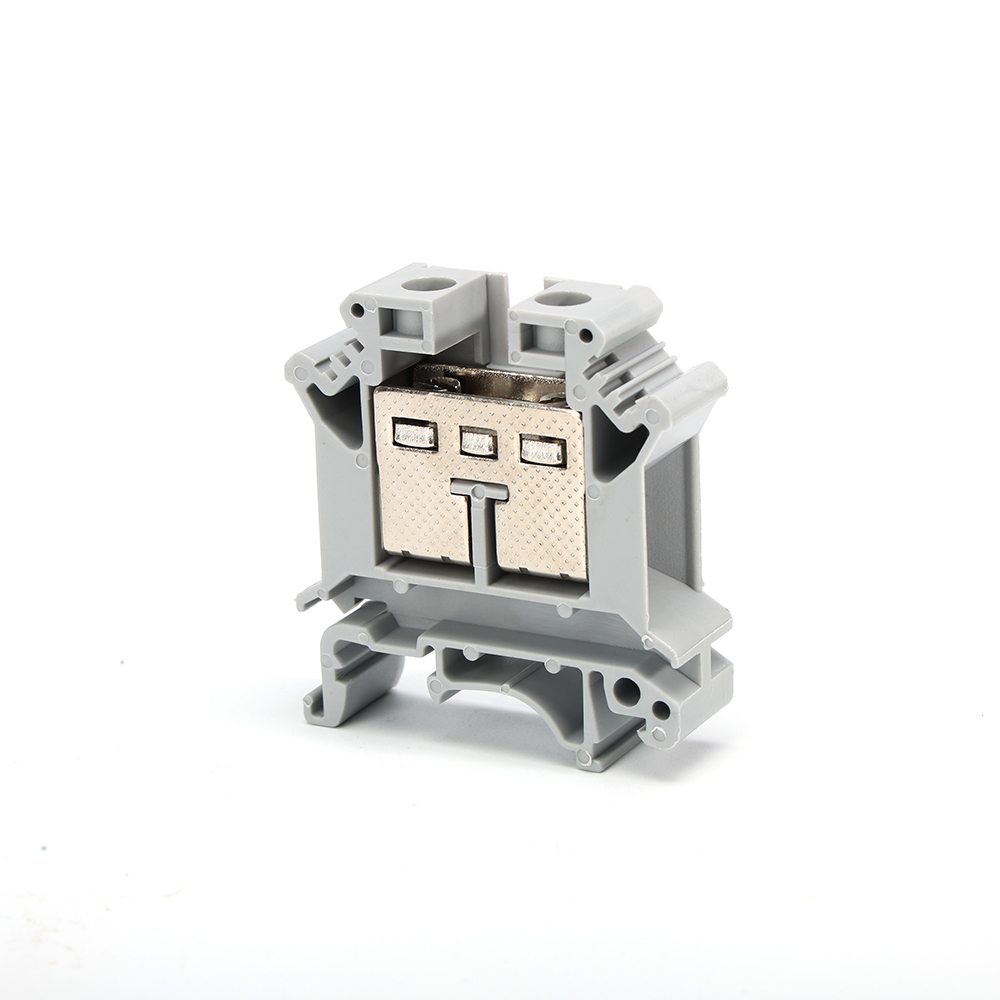
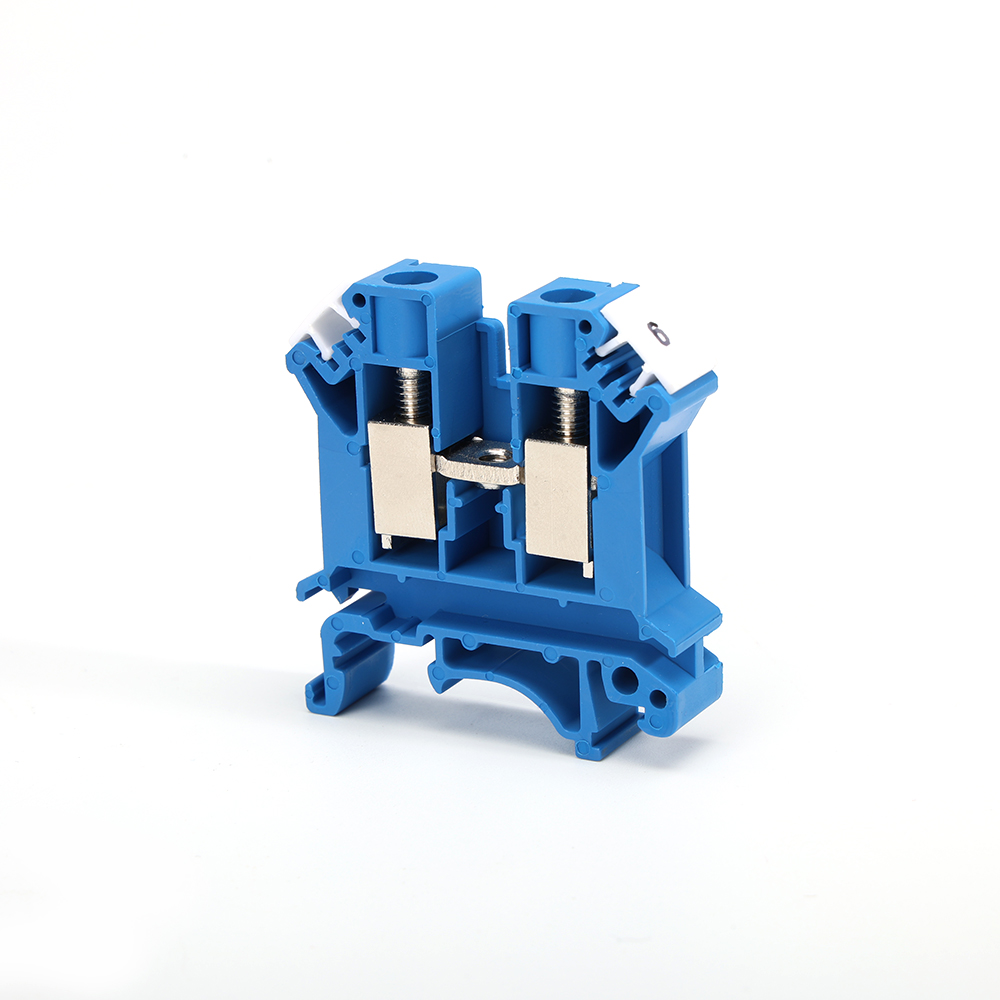
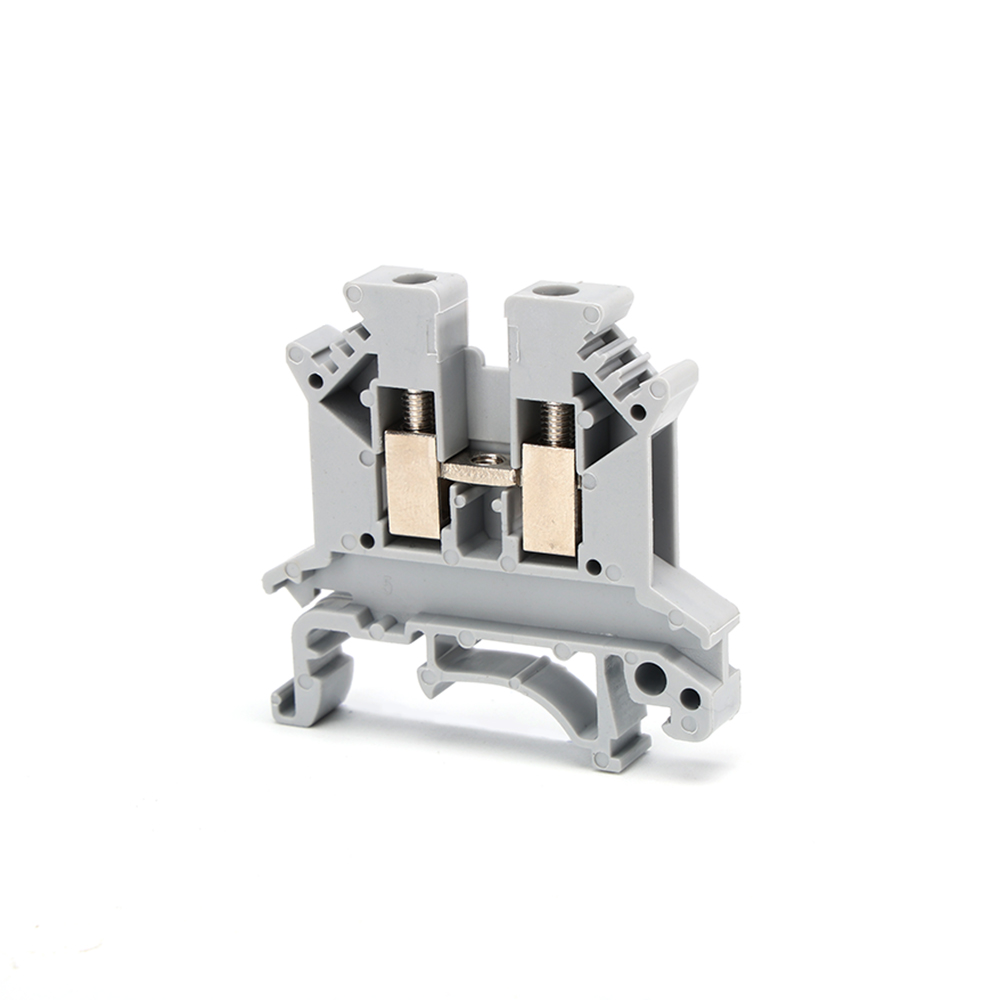
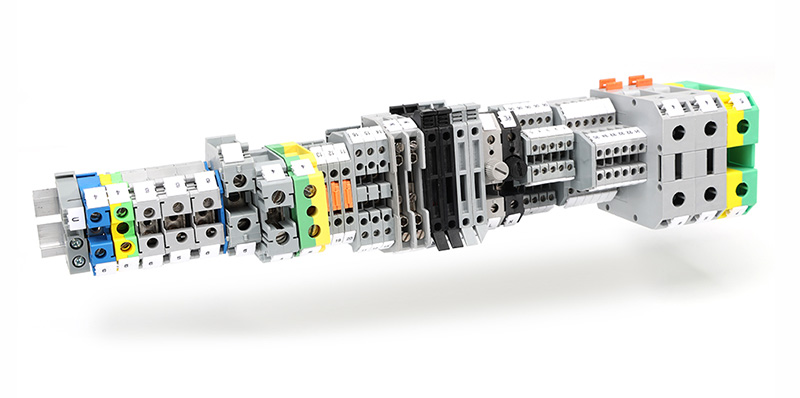
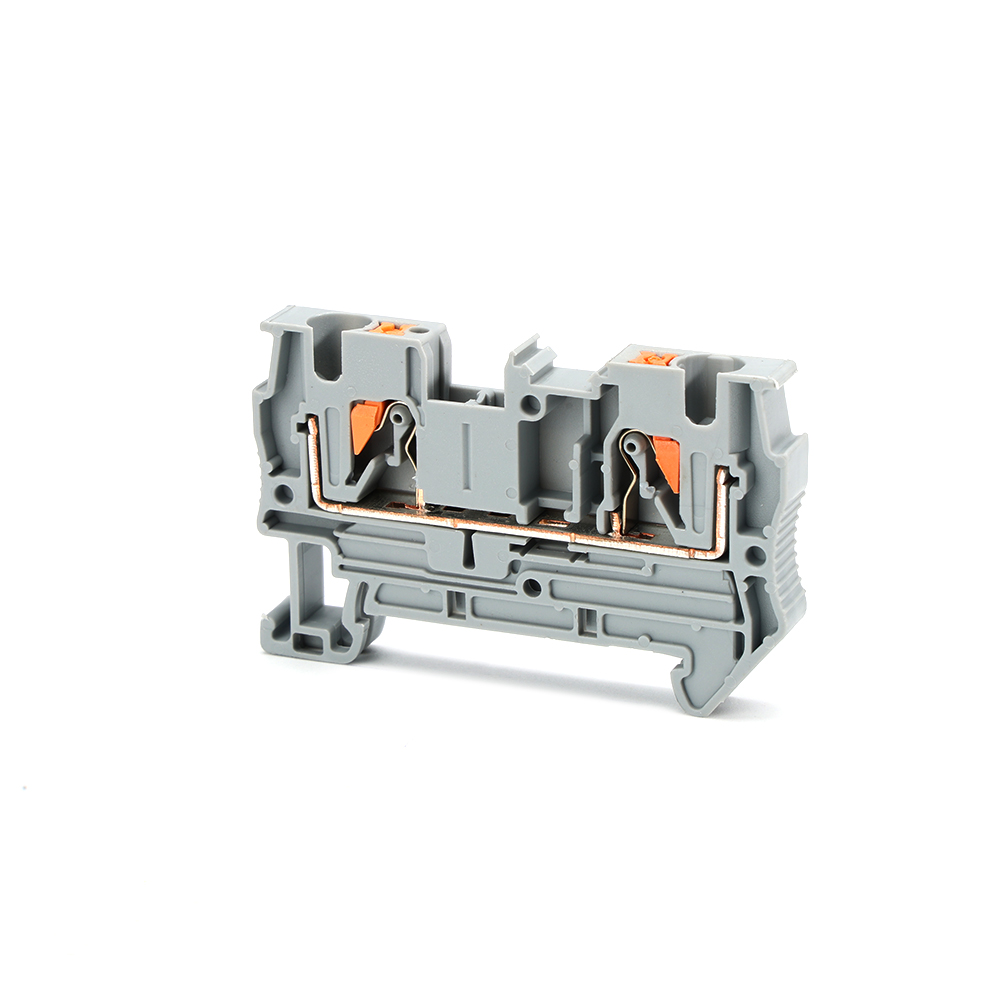
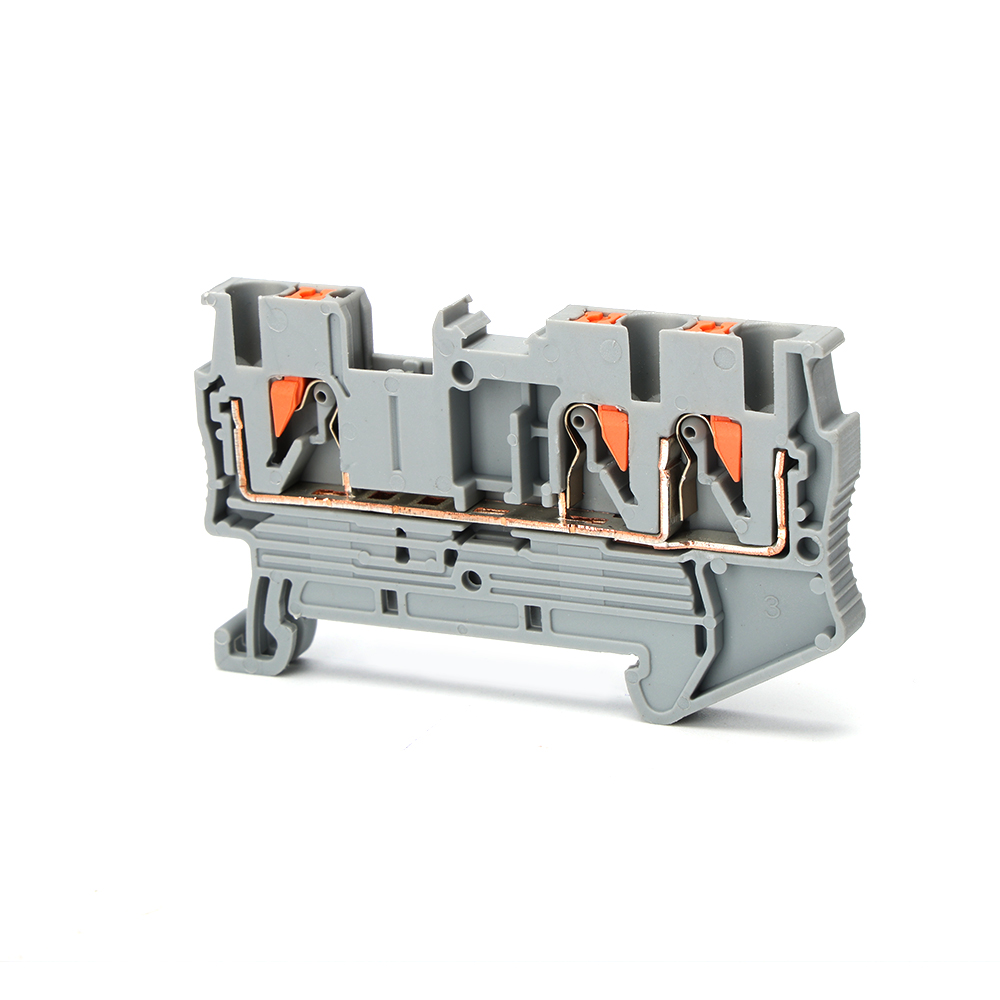
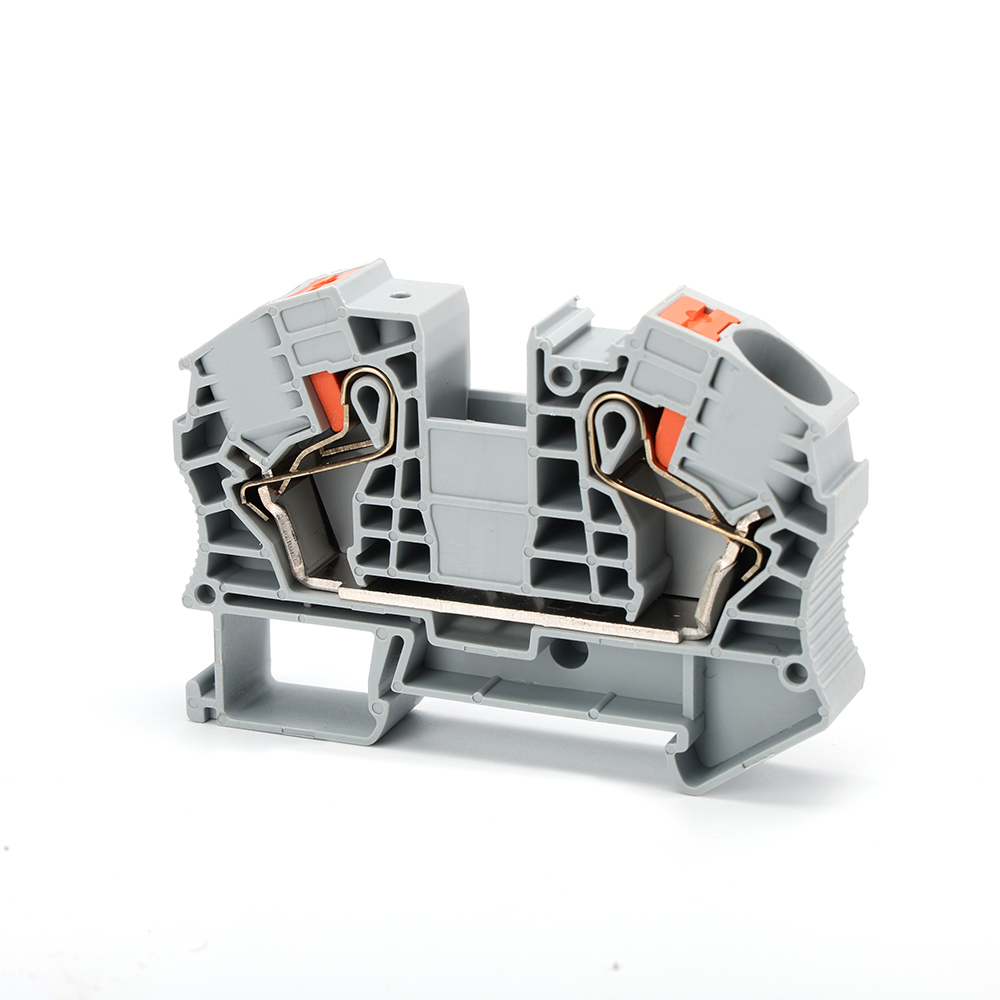
Terminal blocks, also commonly known as terminal strips or connector blocks, are standardized modules in electrical connection systems. Their typical appearance is a strip-shaped base made of insulating material (such as nylon PA66, polycarbonate PC, etc.), with multiple independent connection units arranged in parallel. Each unit contains a metal conductor (such as screws, wire clamps, or spring clips made of high-quality copper alloy) and corresponding connection points.
What Is Another Name For A Terminal Block?
In the field of electrical engineering, terminal blocks have several common names depending on their structure, function, and regional conventions. Besides the most frequently used terms “terminal block” and “terminal strip,” they may also be referred to as:
Terminal post: Emphasizing its function as a connecting point.
Terminal board or connection board: Describing its plate-like form that holds multiple connection points.
Terminal Block (direct English translation): A universally accepted professional term.
Regardless of the name, their core function remains the same.
What Are The Common Applications For Terminal Blocks?
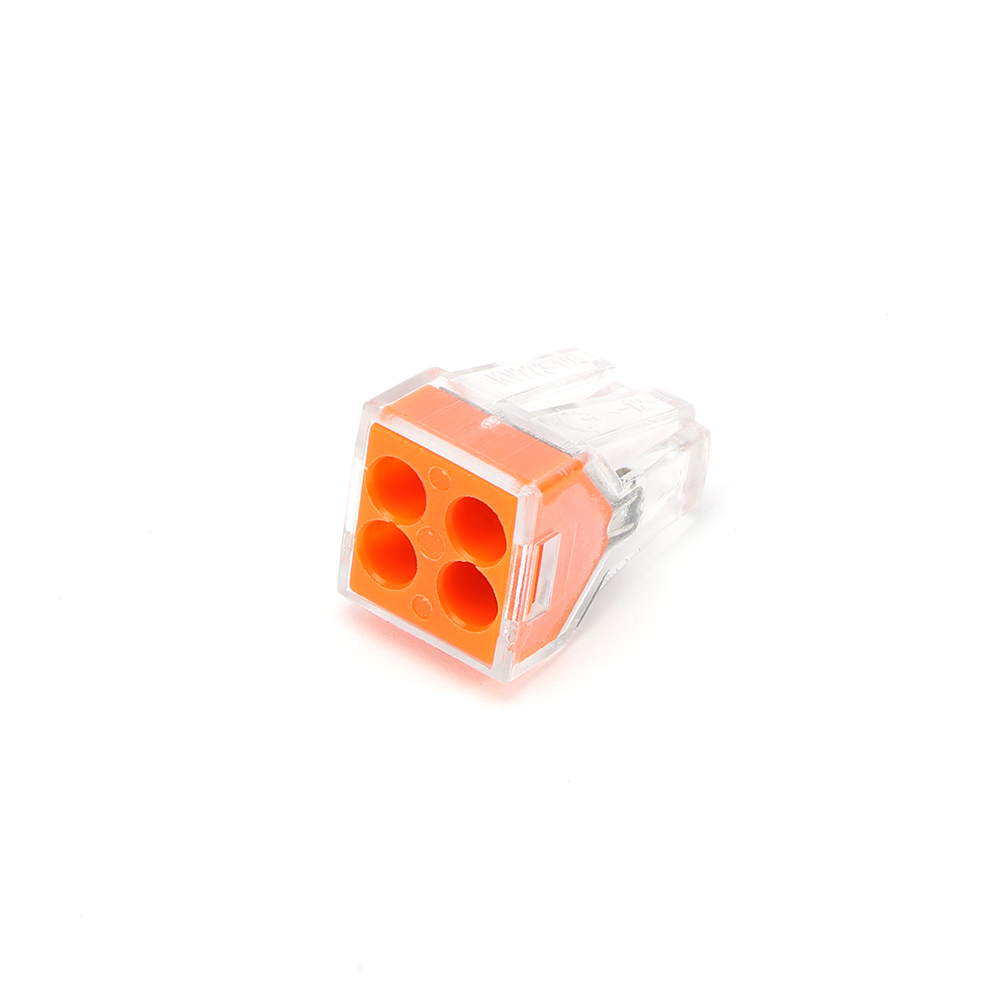
Terminal blocks have extremely wide applications, covering nearly all situations that require safe and orderly electrical connections. Common application areas include:
Industrial Control Cabinets (PLC cabinets, frequency converter cabinets): Used for signal and power distribution between controllers, sensors, and actuators, serving as the “wiring hub” of automation systems. Westlec offers products with various pitches (such as 3.81mm, 5.08mm, 5.0mm, etc.) and current ratings to meet the requirements of dense wiring and high reliability.
Power Distribution Systems: Providing reliable connections between main circuits and branch circuits in distribution panels and switch boxes. Westlec’s high-current terminals, fuse terminals, and disconnect switch terminals offer efficient solutions for these applications.
Building Electrical Installations: Used for the connection of circuits in building lighting, sockets, etc., ensuring safe and neat wiring.
Rail Transit and Marine Electrical Systems: In harsh environments with vibration and humidity, highly vibration-resistant and corrosion-resistant terminals are required. Westlec’s snap-in and rail-mounted terminals, as well as products using special materials, can meet these challenges.
Renewable Energy Systems (such as photovoltaic and wind power): Used for the connection of solar panel arrays and inverters, requiring terminals with excellent weather resistance and flame retardancy. Westlec’s PV-specific terminal series is designed for this purpose.
Equipment Manufacturing and Mechanical Equipment: As interfaces for internal electrical connections in machines, terminals need to be compact and reliable.
With its extensive product line, Westlec can provide customized connection solutions for each of the above application scenarios, helping you improve system integration and reliability.
Can A Terminal Block Go Bad?
Yes. Although terminal blocks are designed to be robust, they can still fail or be damaged under certain conditions. Common causes include:
Electrical overload: Continuous operation exceeding the rated current can lead to overheating, oxidation, or even melting of the metal conductors.
Loose connections: Vibration or insufficient tightening torque can cause screws to loosen, increasing contact resistance and generating heat, creating a vicious cycle.
Corrosion: In harsh environments such as those with high humidity or exposure to acids and alkalis, electrochemical corrosion of metal components can occur, affecting conductivity.
Physical damage: Accidental damage during installation or maintenance, such as cracked insulation housings or stripped threads.
Material aging: Under prolonged exposure to high temperatures or ultraviolet radiation, insulating materials may become brittle and lose their insulating and mechanical strength.
Are Terminal Blocks Reusable?
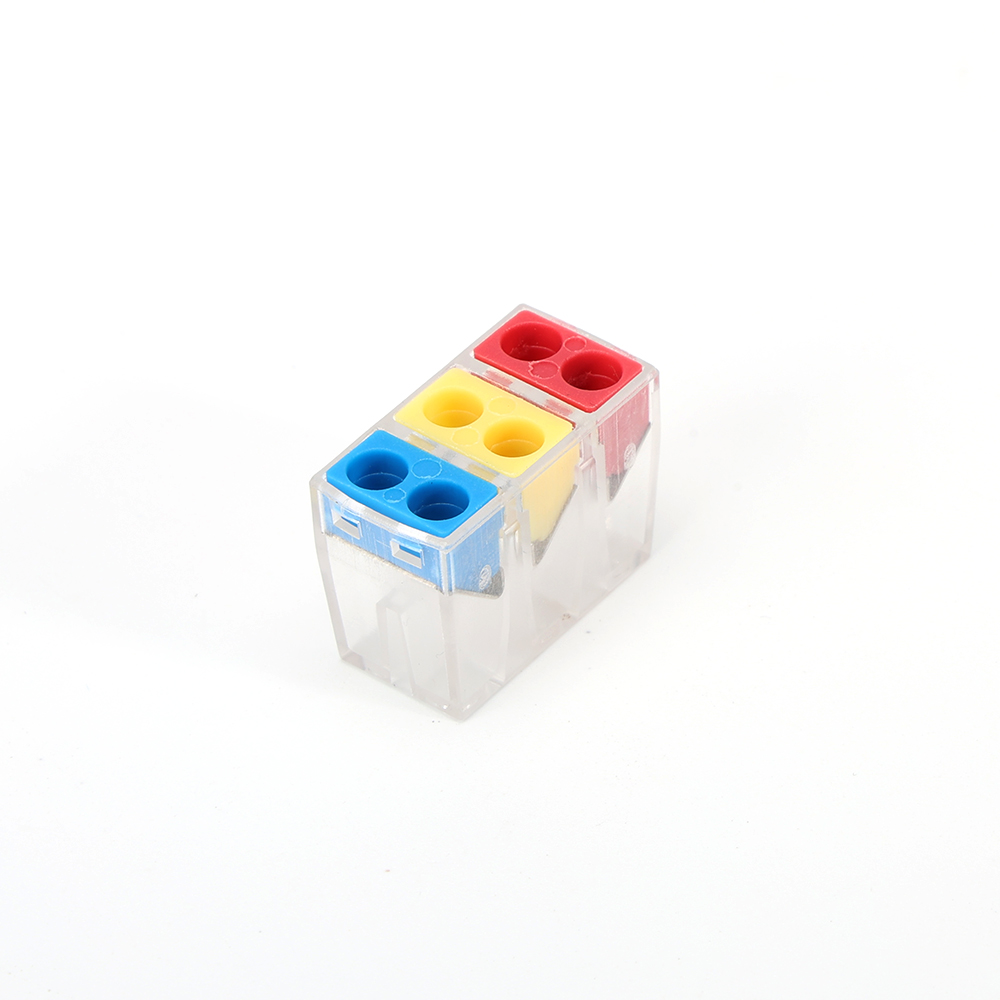
Yes, most screw and spring terminal blocks are designed to be reusable, but this highly depends on product quality and correct operation.
Reusability: High-quality terminal blocks (such as those from Westlec) feature metal clamping frames and thread designs that can withstand multiple tightening and loosening cycles without significant fatigue or deformation. Spring terminals rely on high-performance spring alloys to ensure stable contact force even after multiple insertions and removals.
Precautions: For repeated use, it is essential to carefully inspect the internal metal parts of the terminal after each disassembly for signs of arcing, check the threads for damage, and ensure the spring clips retain their elasticity. Furthermore, when reconnecting, the correct torque must be applied using appropriate tools (such as a calibrated screwdriver), and undamaged wires must be used.
Westlec terminals place particular emphasis on durability and maintainability in their design. Their robust construction and precise torque specifications provide reliable assurance for necessary repeated use during field commissioning and circuit modifications.
Do You Need A Terminal Block?
In the vast majority of industrial and commercial electrical projects, the answer is yes. Terminal blocks are not optional; they are essential for safe, efficient, and standardized wiring. They offer the following core benefits:
Enhanced safety: Effectively isolates different potentials, preventing accidental electric shock, and reduces the risk of short circuits through centralized connections.
Simplified installation and maintenance: Enables modular and neat wiring, facilitating circuit tracing, testing, and troubleshooting, significantly saving labor and time costs.
Increased system flexibility: Facilitates subsequent circuit expansion, modification, or equipment replacement.
Improved reliability: Professional crimping or clamping methods are more stable than simple wire twisting or soldering, and offer greater resistance to vibration and corrosion.
For procurement managers, choosing a brand like Westlec means selecting a proven and reliable connection solution for your project, mitigating potential risks and additional costs arising from connector quality issues from the outset.
FAQ
How Many Times Can A Wiring Terminal Be Reused?
This depends on the type and quality of the terminal block. High-quality Westlec screw terminals can usually be reused multiple times, but it is recommended to regularly check their mechanical and electrical condition.
What Inspections Are Required After Installing Terminal Strip?
All screws must be checked to ensure they are tightened to the recommended torque, that the wires are secure and not loose, and that the wire numbering is clear and correct.
How Tight Should Screw Of Screw Terminal Be Tightened?
The recommended torque values provided by the manufacturer (such as Westlec) must be strictly followed. Too loose a connection can lead to poor contact, while overtightening can damage the wire or threads.
How To Choose The Right Terminal Block For A Project?
Key parameters include: rated current and voltage, wire cross-sectional area, connection method (screw, spring, push-in, etc.), mounting method (DIN rail, panel), spacing, protection rating, and required certifications.
What Should I Do If The Terminal Block Is Loose?
Immediately disconnect the power, and retighten the terminal using the appropriate tool to the recommended torque. If the terminal or wire is damaged, replace it with a new Westlec terminal and rewire.
Conclusion
Terminal blocks, as the cornerstone of electrical connections, are undeniably crucial. From understanding their basic forms and applications to recognizing their potential failure modes and reusability, every electrical engineer and purchasing decision-maker needs to master this knowledge to make informed choices.
When evaluating suppliers, beyond price, attention should be paid to the materials science, manufacturing processes, quality testing, and technical support behind the products. Westlec is deeply rooted in the field of electrical connections, always prioritizing reliability, safety, and customer needs. We not only provide a full range of terminal block products that meet global standards but also offer professional technical selection support and solutions.

 EN
EN  PT
PT 