


For procurement professionals sourcing electrical components, understanding the specifics of screw terminal blocks is crucial for making informed decisions that impact system safety, reliability, and total cost of ownership.
This article delves into the purpose, safety, and pros and cons of screw terminal blocks.
What Is A Screw Terminal Block Used For?
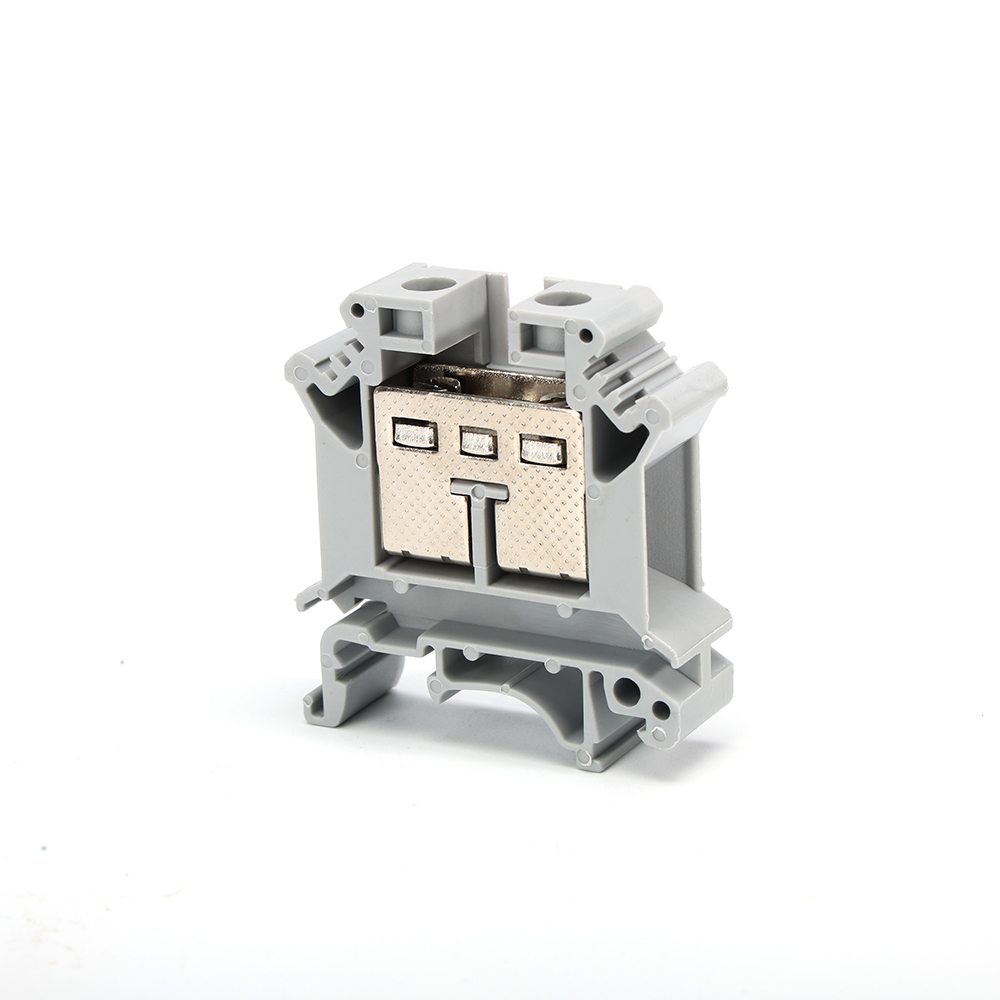
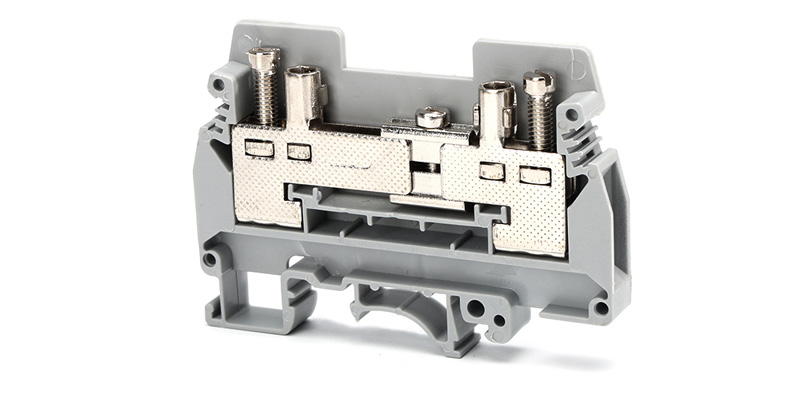
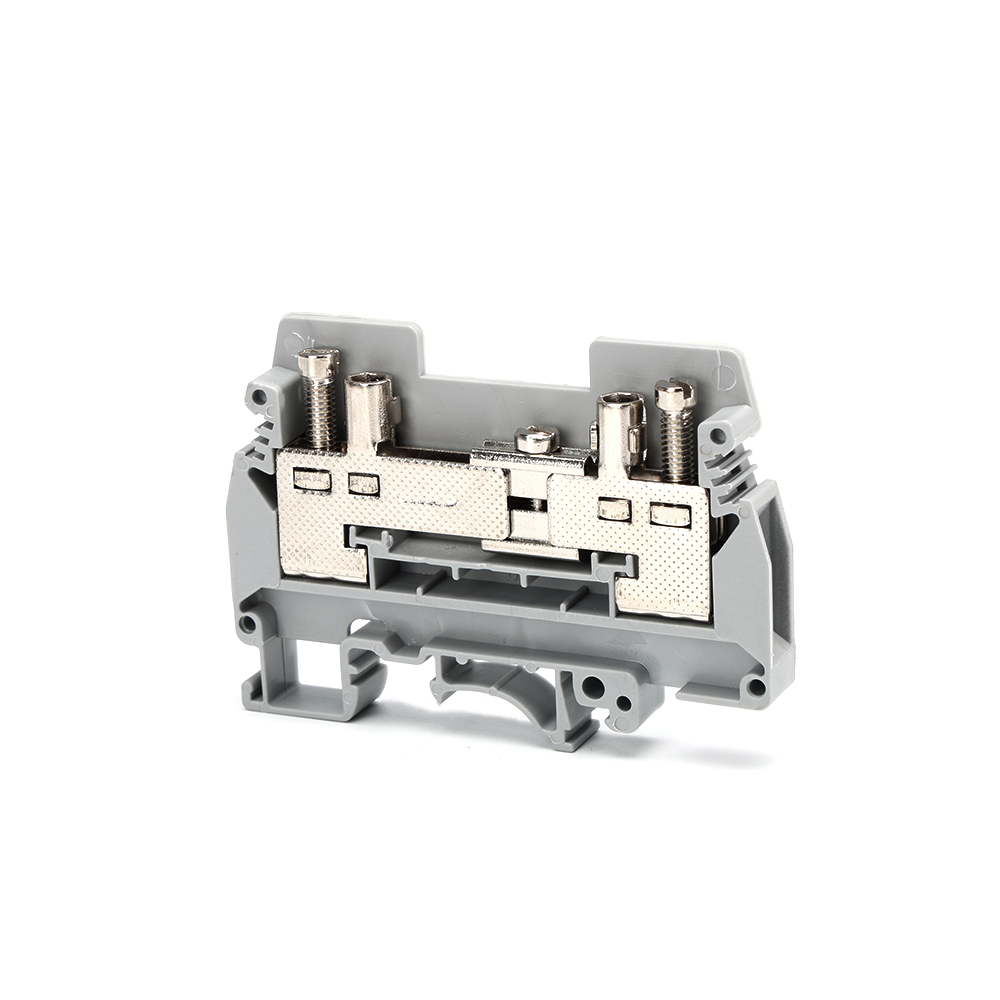
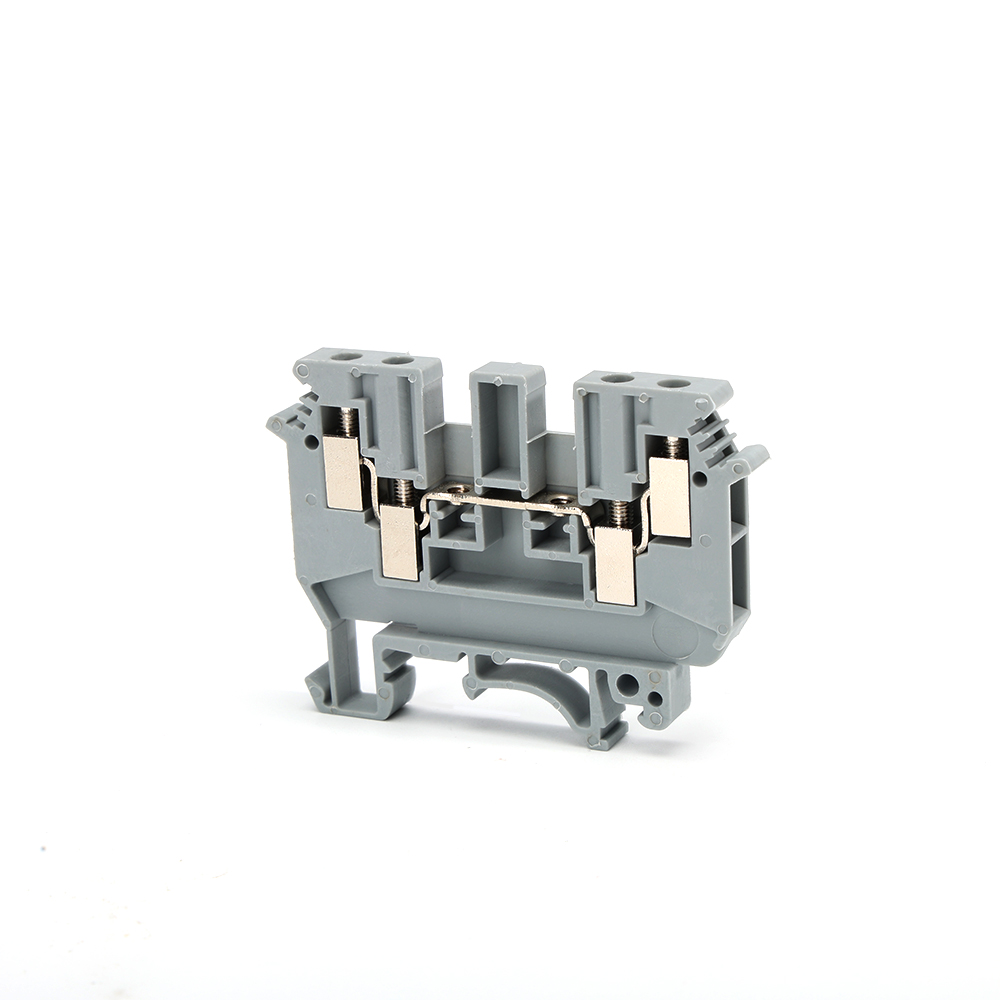
A screw terminal block is an electromechanical device used to create a secure electrical connection and mechanical fixation between two or more wires.
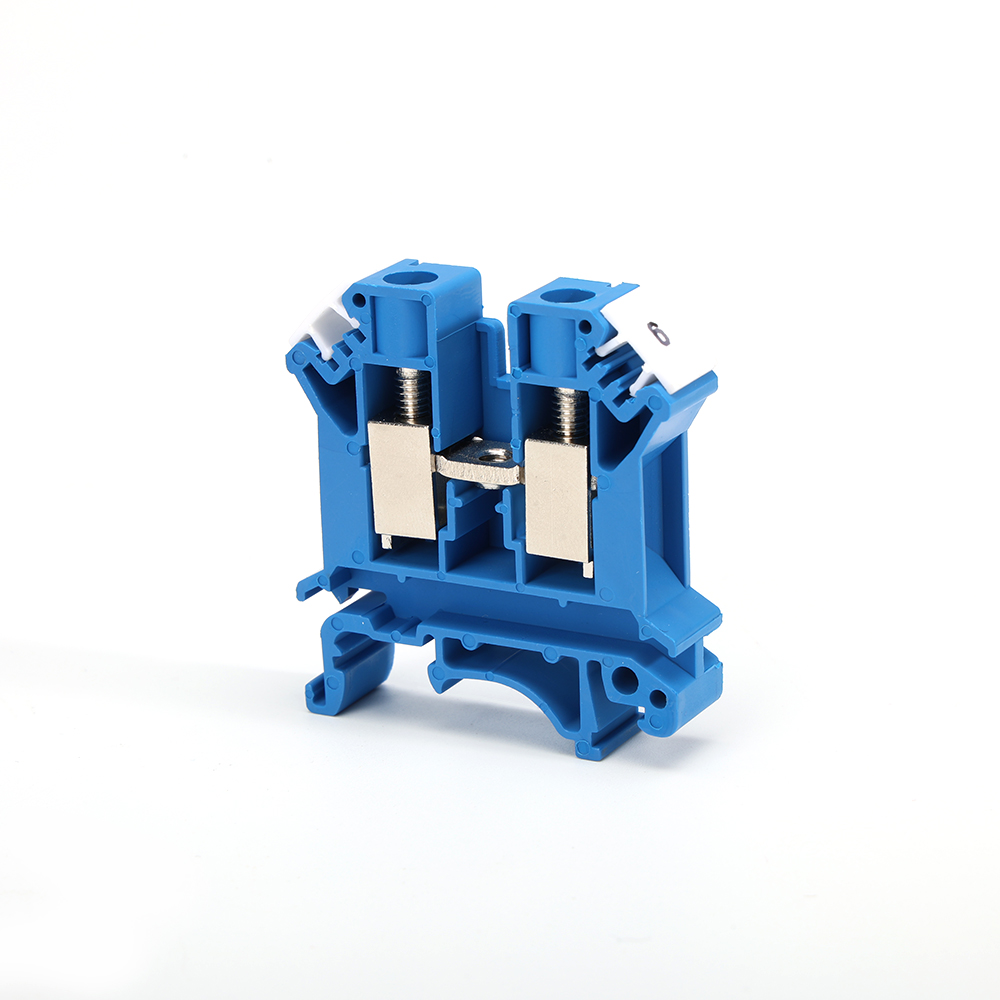
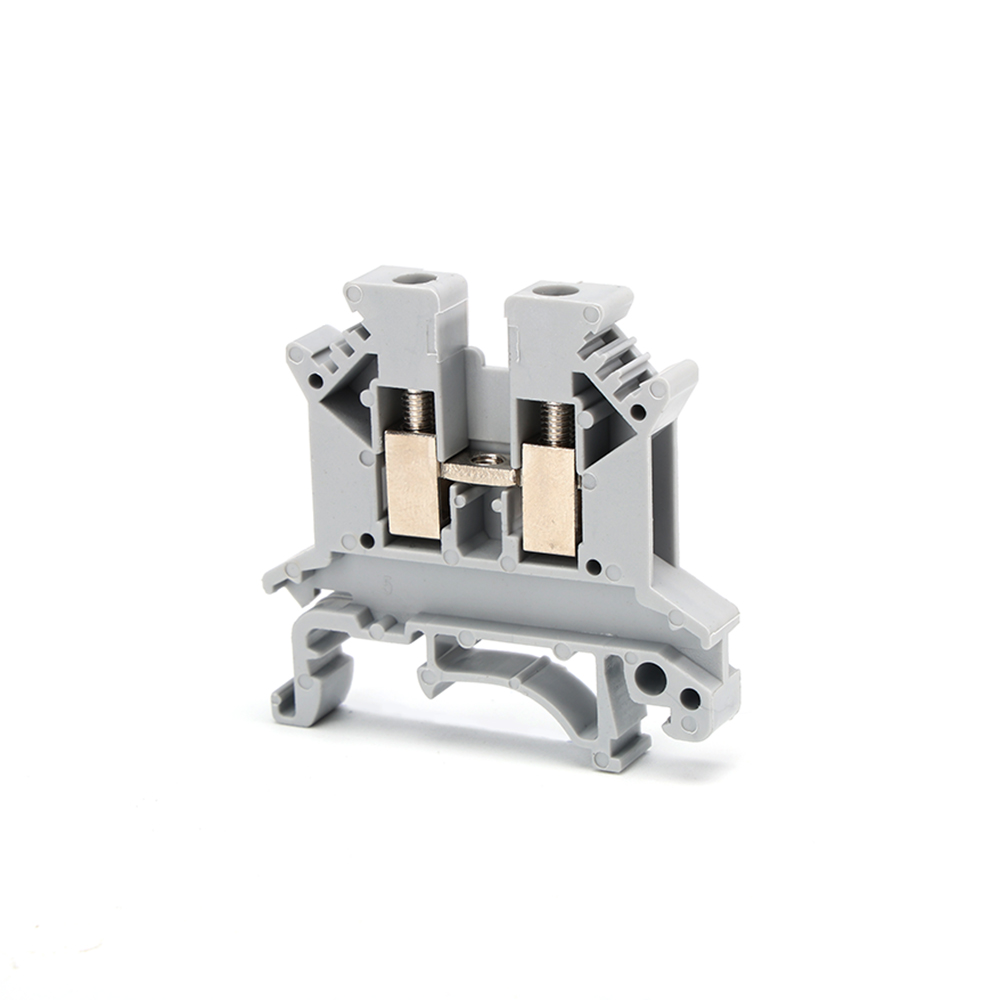
Its core design consists of an insulating housing (typically made from materials like polyamide (PA66), polycarbonate (PC), or thermoset plastics) and one or more metal clamps or terminals.
Each terminal features a screw mechanism that, when tightened, applies direct pressure to the conductor, holding it firmly in place against a conductive metal plate or bar, thereby establishing the electrical path.
Core Function: Electrical Connection And Wire Fixation
The primary function is twofold:
Electrical Connection: It provides a low-resistance, conductive path for current to flow between connected wires or between a wire and a printed circuit board (PCB mount types).
Wire Fixation: It mechanically secures the wire, preventing it from being pulled out or loosening due to incidental tugging or vibration (when properly installed), which is essential for long-term connection integrity.
Main Application Areas
Screw terminal blocks are ubiquitous across industries due to their versatility and reliability.
Industrial Control And Automation
They are extensively used in Programmable Logic Controller (PLC) racks, motor control centers (MCCs), relay and contactor interfaces, sensor and actuator wiring, and inside various control panels. Westlec terminal blocks are engineered to withstand the harsh environments of factories, including dust, moisture, and electromagnetic interference.
Power Distribution And Energy System
Found in distribution cabinets, switchgear, transformer connections, and renewable energy systems (solar combiner boxes, wind turbine control), they handle higher currents and voltages.
Building Automation And Lighting Control
Used in electrical panels for building management systems, HVAC controls, lighting relays, and dimmer panels. Their ease of installation and reconfiguration is highly valued for on-site adjustments.
Home Appliances And Electronic Equipment
Inside white goods, industrial machinery, and test/measurement equipment, screw terminals provide reliable internal wiring points for power entry, heating elements, and control switches.
Are Screw Terminals Safe To Use?
Yes, screw terminals are unequivocally safe to use when selected correctly, installed properly, and maintained according to industry standards and manufacturer specifications. Safety is not an inherent property of the terminal type alone but a result of the entire application chain. Key factors for safe use include:
Proper Selection: Choosing a block rated for the correct voltage, current (ampacity), wire type (stranded or solid), and wire gauge (cross-sectional area). Westlec provides clear, comprehensive specifications for all its products, ensuring you match the component to the application.
Correct Installation: This is the most critical factor. It involves stripping the wire to the correct length, ensuring no stray strands, inserting it fully into the terminal, and tightening the screw to the specified torque using an appropriate screwdriver. Under-tightening can lead to high resistance, arcing, overheating, and fire. Over-tightening can strip the screw threads, damage the wire, or crack the housing.
Environmental Consideration: Using terminal blocks with suitable IP (Ingress Protection) ratings for dusty or damp locations and choosing materials with the correct flammability ratings (e.g., UL94 V-0) for fire safety.
Quality of Product: High-quality terminals from reputable manufacturers like Westlec use superior materials (e.g., phosphor bronze or tin-plated copper alloys for conductors, high-grade insulating plastics) and precision manufacturing. This ensures consistent clamping force, stable contact resistance, and long-term durability, directly contributing to safety.
What Are The Pros And Cons Of Screw Terminal Blocks?
Understanding the advantages and limitations helps in making the optimal choice for your project.
Pros
Connection Is Firm And The Contact Resistance Is Low
When torqued correctly, the metal-to-metal contact under high pressure creates a very stable, low-resistance connection capable of handling high currents with minimal voltage drop and heat generation.
Flexible Installation, No Special Tools Required
Installation typically requires only a standard screwdriver. They can accommodate a range of wire types (fine-stranded with ferrules, solid core) and allow for easy field wiring.
Easy To Inspect And Rewire
The connection point is visually verifiable. Modifications, repairs, or replacements are straightforward by simply loosening and retightening the screw, which is ideal for prototypes and systems expecting changes.
Relatively Low Cost And Strong Universality
They are generally economical and represent a universally understood and accepted connection technology, with parts readily available.
Cons
Installation Speed Is Relatively Slow
Compared to spring-cage or push-in terminals, the process of inserting the wire and tightening each screw takes more time, which can be a factor in large-volume production lines.
There Is A Possibility Of Screw Loosening
In environments with significant thermal cycling (expansion/contraction) or vibration, screws may gradually loosen over time if not properly torqued initially or if not using vibration-resistant designs. Westlec offers solutions like saddle clamps, serrated contact plates, and captive screws to mitigate this risk.
Installation Personnel Meet Certain Skill Requirements
Consistency depends on the operator applying the correct torque. Inconsistent installation is a major source of failure.
Additional Fastening Required In Vibration Environment
As noted, in high-vibration applications, supplemental measures like thread-locking adhesives or the use of specialized vibration-proof terminal blocks are necessary.
FAQ
Screw Terminal Blocks Vs Spring Terminal Blocks
Screw terminals offer higher, adjustable clamping force and are ideal for versatile field wiring, while spring terminals provide faster, tool-less installation and superior vibration resistance.
Does Screw Terminal Block Have A Service Life?
Yes, their mechanical life is defined by the number of reliable tighten/loosen cycles, typically ranging from several hundred to thousands for high-quality blocks like those from Westlec.
Can Multiple Thin Wires Be Connected?
It is not recommended; instead, multiple thin wires should be twisted together and fitted with a ferrule crimp sleeve before insertion into the terminal to ensure a solid, reliable connection.
6. Conclusion
Screw terminal blocks remain a cornerstone of electrical interconnection due to their robust, verifiable, and field-serviceable design, offering an optimal balance of reliability, cost, and flexibility for a vast array of applications.
For procurement specialists seeking to ensure system integrity and longevity, the choice of supplier is as critical as the choice of technology.
Contact the Westlec team today to discuss your specific application needs and discover how our connection solutions can enhance the safety, reliability, and efficiency of your projects. Let us be your trusted partner in building secure electrical foundations.

 EN
EN  PT
PT 