


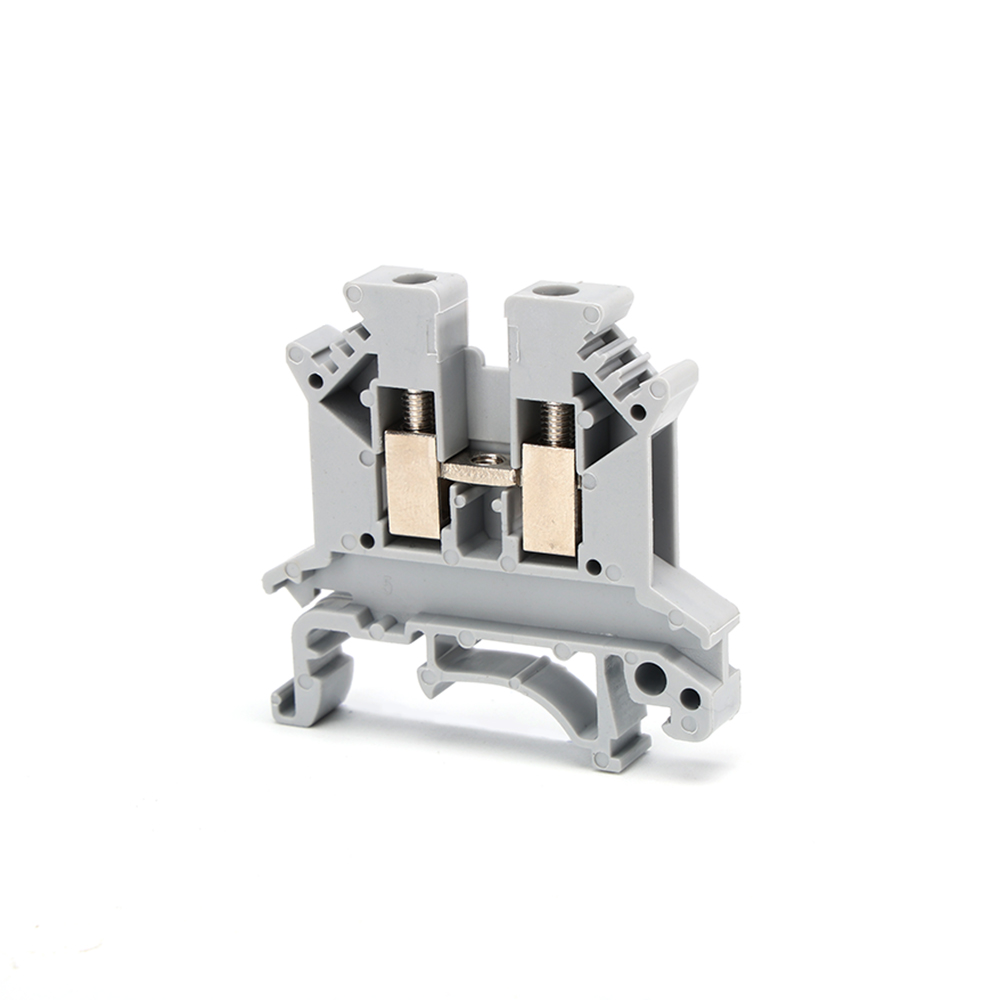
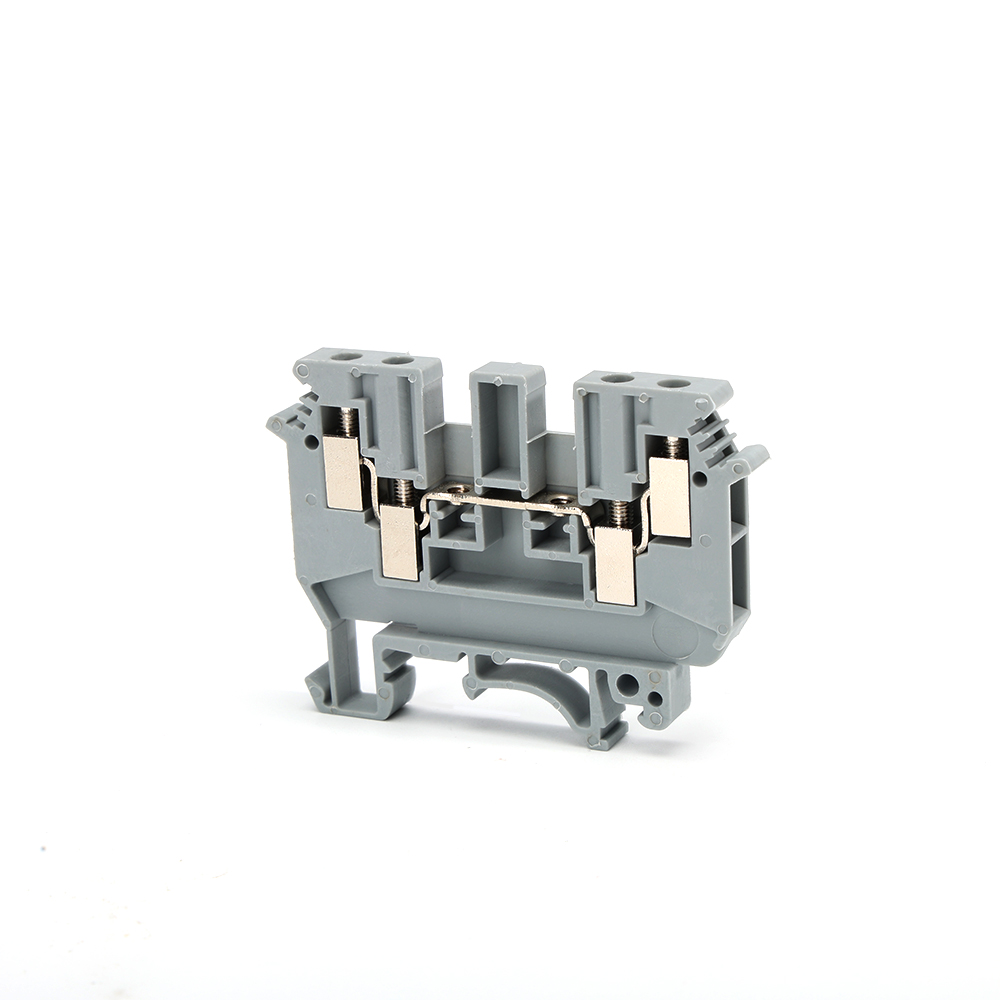
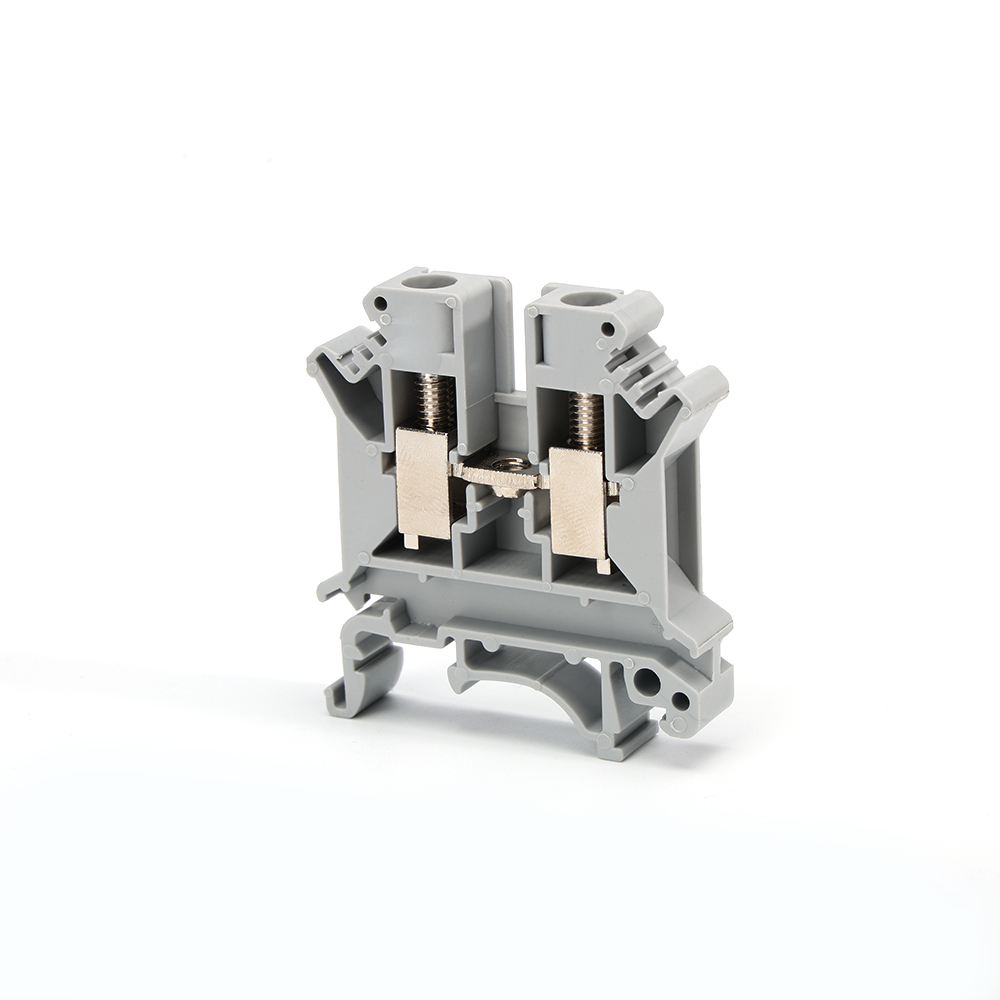
As a procurement expert, your choices directly impact project costs, delivery times, and long-term reliability. Today, let’s delve into din rail terminal blocks and explore how to make the smartest decisions for your project (and your budget). As a trusted industry brand, Westlec is committed to providing comprehensive, reliable, and internationally compliant terminal block solutions, serving as a solid support system for your projects.
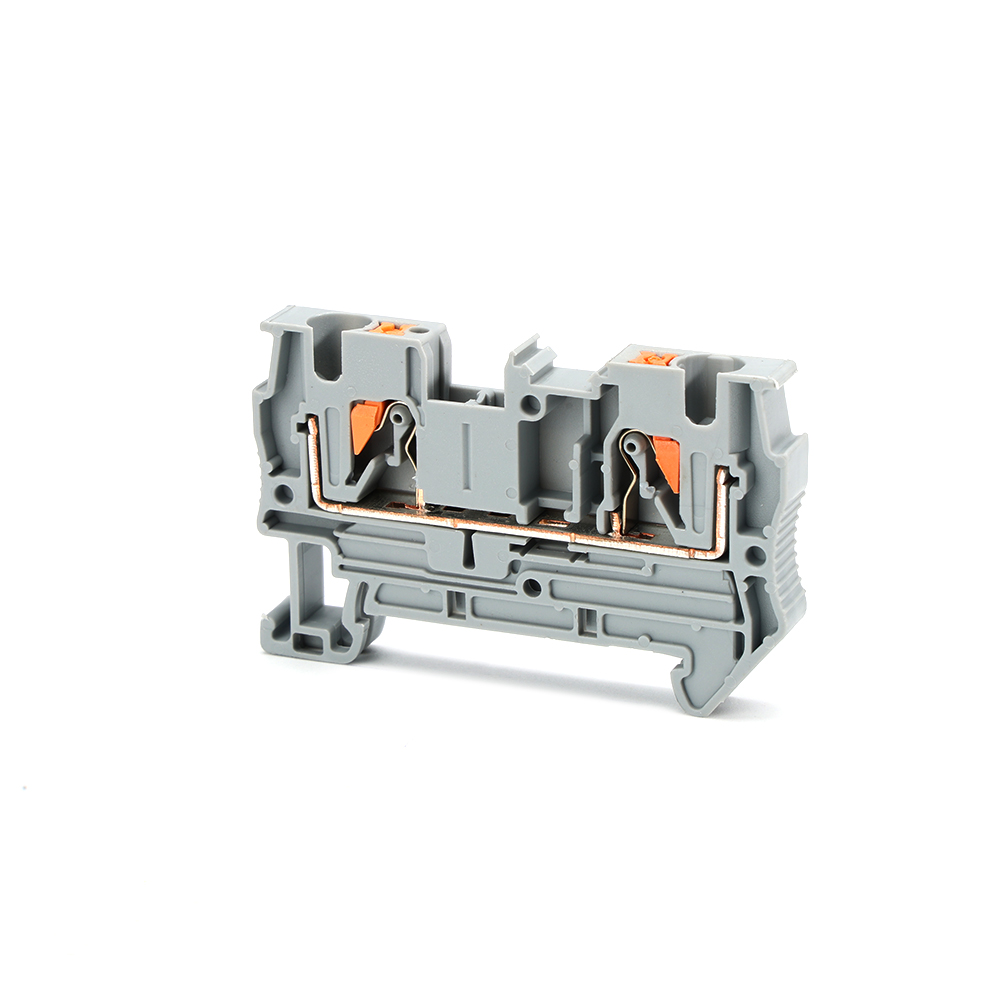
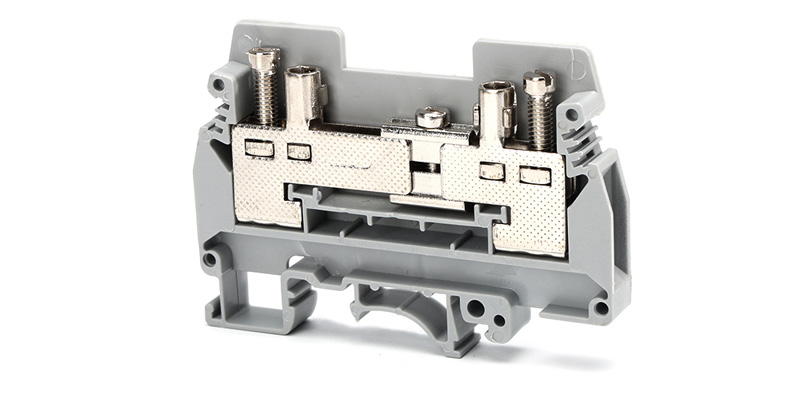
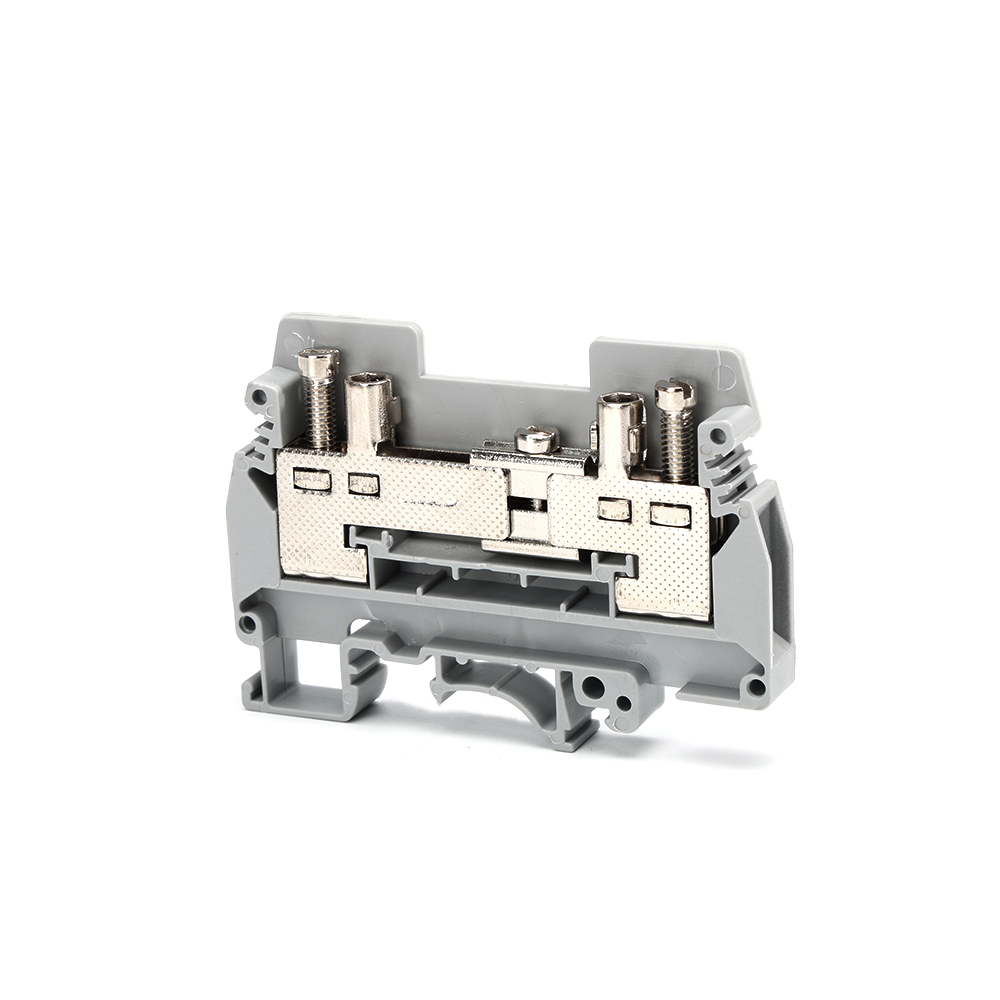
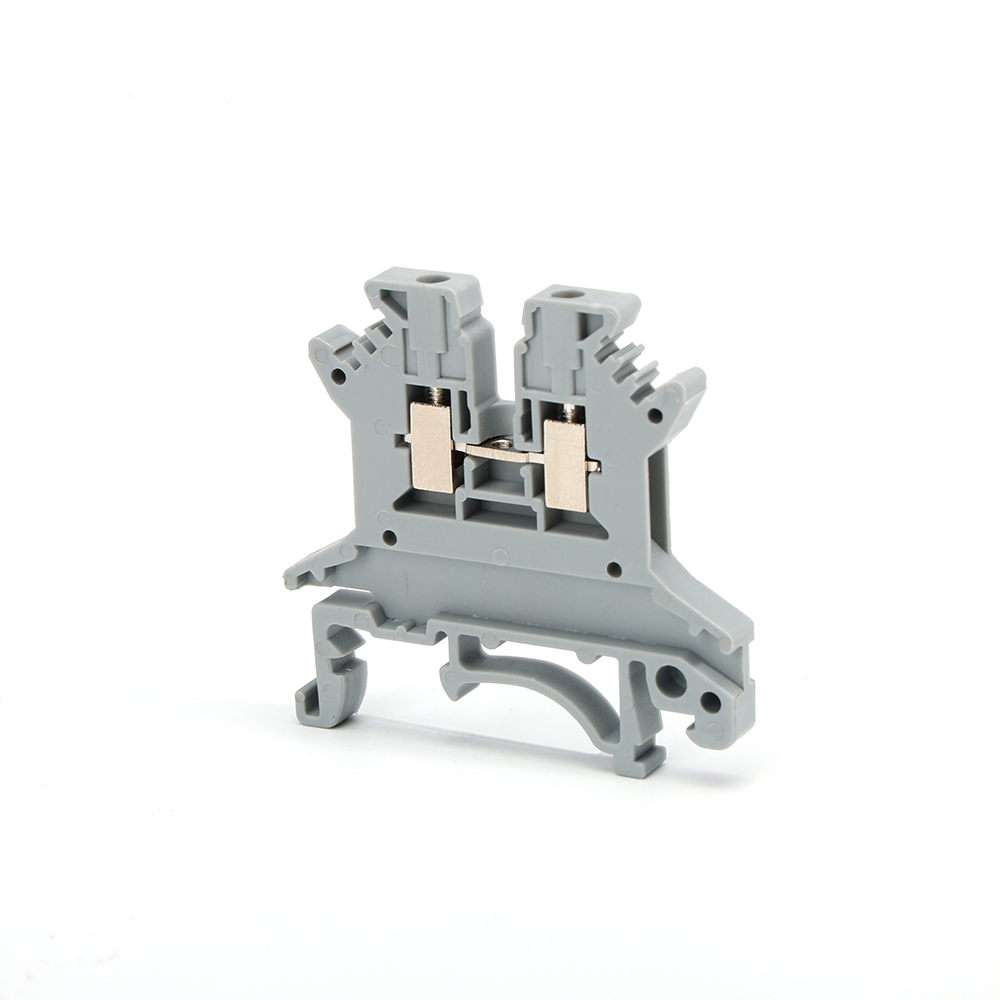
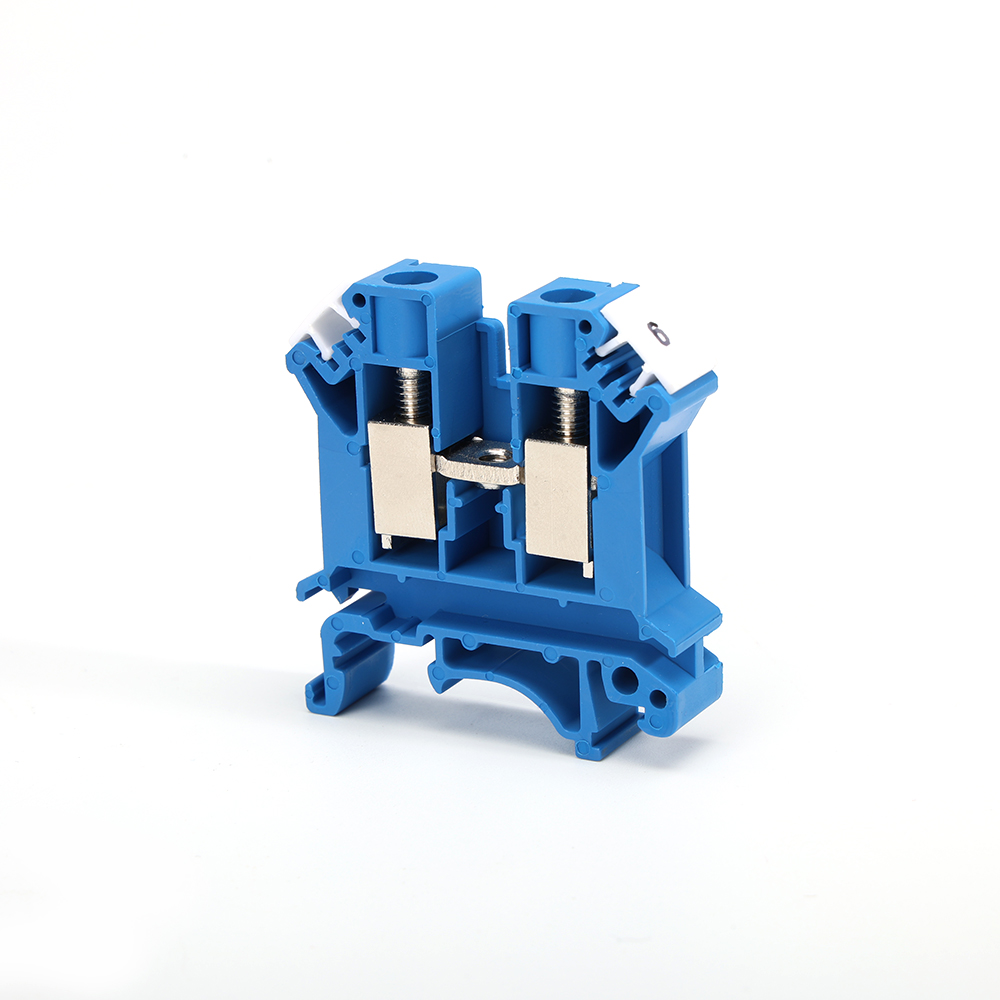
What Are Din Rail Terminal Blocks?
How To Put Terminal Blocks On Din Rail?
The installation process is delightfully simple, but the details and specifications are precisely what differentiate professional from amateur work. Let’s break it down step by step.
Required Tools And Preparations
You don’t need a whole set of expensive tools. Usually, you only need:
A suitable screwdriver (flathead or Phillips, depending on the terminal screw type).
Wire strippers for precisely stripping the cable insulation.
A rail cutter or hacksaw (if the DIN rail needs to be cut).
And of course, the DIN rail itself and Westlec terminal blocks.
Personal recommendation: Prepare a wire marker; marking the wires before connecting them will save you (or maintenance personnel) a lot of trouble in the future.
Step-By-Step Installation Tutorial
Securing the rail: First, securely mount the DIN rail to the back panel of the distribution board or control cabinet using screws. Ensure it is level and stable; this is the foundation for all subsequent work.
Attaching the terminals: Take a Westlec terminal block and align its back (the end with the spring clip) with the upper edge of the rail. Gently press down and then push forward until you hear a clear “click.” This indicates that the terminal block is securely locked onto the rail. You can slide it along the rail to any position.
Wiring: Using wire strippers, remove the insulation from the wire ends according to the stripping length indicated on the terminal block (usually 8-12mm). Insert the exposed conductor into the terminal hole, and then evenly and moderately tighten the pressure plate screw with a screwdriver. Key point: Ensure the wire is fully inserted and that no loose copper strands are exposed.
Arrangement and labeling: Repeat the above process, neatly arranging all the terminal blocks. Don’t forget to label each terminal block or use marking strips on the rail to indicate its function, such as “Power Input L1,” “Motor Control,” “Sensor 24V+”, etc.
Disassembly Method And Precautions
Removal is just as simple! Most Westlec terminal blocks have a flexible plastic tab on the bottom or side. Gently pry this tab outwards with a small screwdriver or your finger (depending on the design), while simultaneously pulling the bottom of the terminal block away from the rail to easily remove it. Remember not to use brute force to pull it straight up, as this may damage the clip.
Inspection And Wiring Specifications After Installation
After installation, taking ten minutes to perform a thorough check is absolutely worthwhile:
Mechanical Inspection: Are all terminal blocks securely fastened to the DIN rail? Are there any loose connections?
Electrical Inspection: Are all screws tightened? Are the wires properly connected? A multimeter can be used to randomly check for continuity.
Wiring Aesthetics: Are the cables neatly bundled? Is there an appropriate bending radius? Clear wiring is not only aesthetically pleasing but also crucial for safety and ease of maintenance.
What Are The Different Types Of Din Rail?
This is a crucial point! If you choose the wrong guide rail, your terminal block might not fit at all.
Top-Symmetrical Guide Rail (Ts-35 / 35Mm)
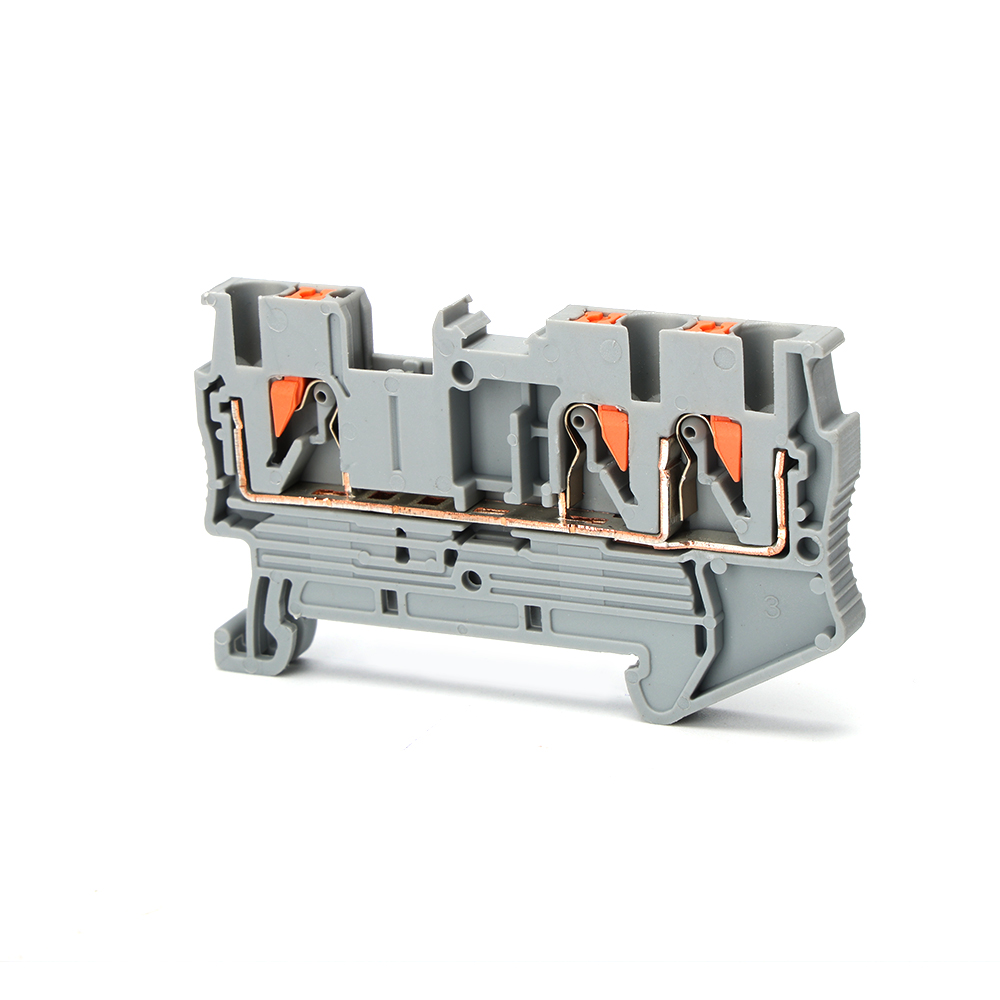
The most commonly used type, with an Ω-shaped cross-section and symmetrical top. Used for mounting most standard relays, contactors, and terminal blocks (including the mainstream Westlec series).
Top Asymmetric Guide Rail (C-30)
One side has a raised edge, while the other side is lower. It is primarily used for installing low-voltage electrical devices such as miniature circuit breakers (MCBs) and residual current devices (RCDs).
G-Type Guide Rail (32Mm)
It is shaped like the letter “G” and has specific mounting slots. It is commonly used for installing certain brands of electrical products or industrial electronic modules.
Mini Guide Rail (15Mm)
Extremely compact, suitable for applications with severely limited space, such as small sensors, miniature relays, or compact terminal blocks.
How To Choose The Right Din Rail Terminal Blocks?
Choosing terminal blocks is far from a simple matter of “just buying one that can connect wires.” As a savvy buyer, you need to weigh multiple factors. Here are the key points you must consider when making your decision:
Electrical parameters are fundamental: Current rating and voltage level are the first screening criteria. A terminal used to connect a 0.5A sensor signal is vastly different from one used to distribute a 63A main power supply, in terms of materials, structure, and price. Never let terminals operate near their rated limits; leaving a margin is the secret to reliability. Westlec’s product catalog clearly displays parameters to help you quickly make an initial selection.
Wiring technology determines efficiency: Do you prefer traditional screw tightening (reliable, universal), or spring-loaded clamping for quick wiring (tool-free, vibration-resistant)? Or do you need pluggable terminals for frequent insertion and removal? Different wiring technologies directly impact on-site installation labor costs. For projects requiring extensive wiring, using Westlec’s spring cage clamping technology terminals can quickly recoup the price difference through saved installation time.
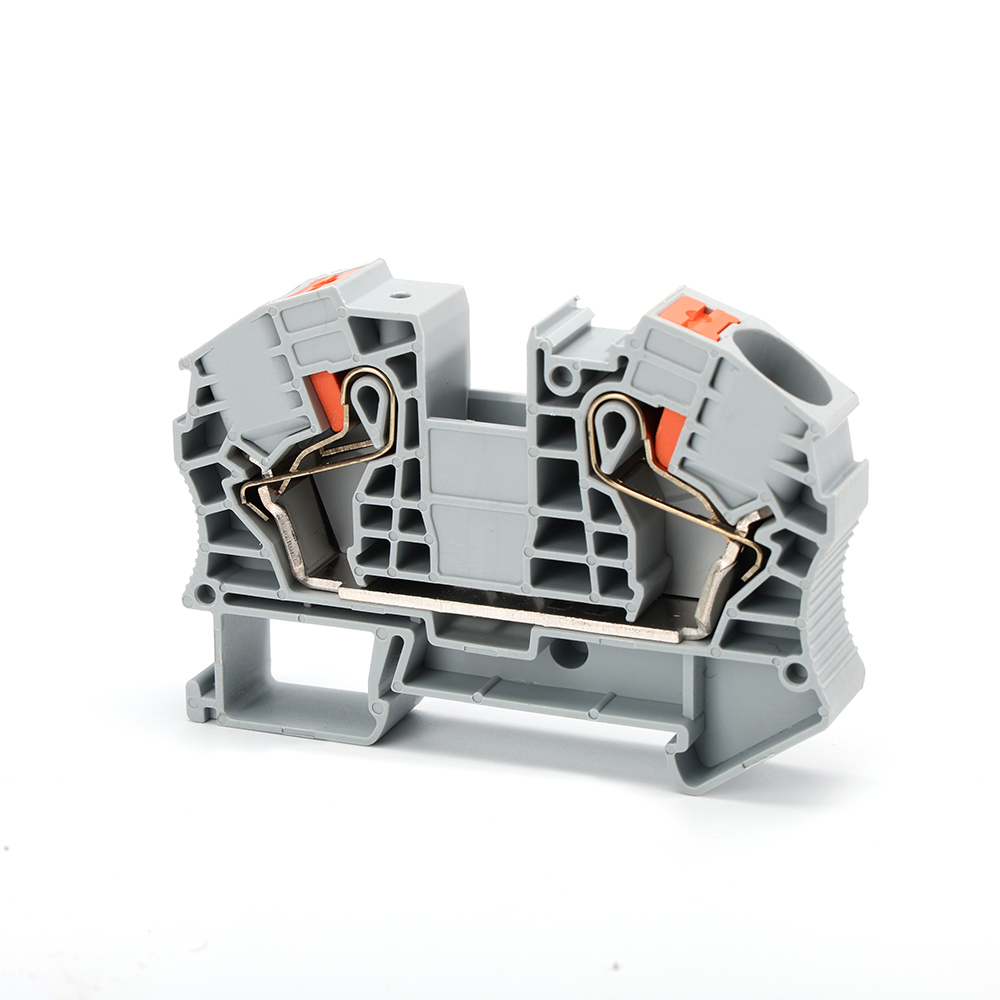
Wire specifications must match: The wire cross-sectional area range supported by the terminal (e.g., 0.2-4mm²) must completely cover all cables used in your project. It must also support the wire type (e.g., solid wire, stranded wire, or wires with crimp terminals). A common pitfall: trying to force a thick, stiff stranded wire into a terminal only suitable for thin, flexible wires, resulting in poor contact and potential hot spots.
Functional modularity is the trend: Today’s terminal blocks are no longer just simple connection points. They can be equipped with fuses (for circuit protection), circuit breakers (for resettable protection), surge protectors, or LED indicators (to display circuit status). Westlec offers a wide range of functional modules, allowing you to integrate protection, indication, and connection functions on a single DIN rail, greatly simplifying system design.
Environmental adaptability cannot be ignored: What environment will the terminals operate in? A normal indoor environment? A workshop full of oil and dust? Or an outdoor cabinet potentially exposed to water spray? This directly relates to the product’s protection rating (IP rating). Are DIN rail terminal blocks waterproof? It depends on the specific model! Standard terminals are not waterproof, but Westlec offers products with high protection ratings (such as IP20 and above, and even specially designed IP67 sealed terminal blocks) to cope with harsh environments.
Brand and certifications are a guarantee of safety: Choosing a brand like Westlec, which holds international certifications (such as UL, cUL, CE, VDE, etc.), is not just buying a product, but also buying a form of liability insurance. These certifications mean that the product has undergone rigorous independent testing and meets safety standards, reducing the overall compliance risk of your project.
FAQ
Are Din Rail Terminal Blocks Waterproof?
Standard, open-type DIN rail terminal blocks are not waterproof and typically have an IP20 protection rating, which only protects against finger contact and the ingress of large particles.
Specialized manufacturers such as Westlec offer terminal blocks with sealing covers, gaskets, or potting encapsulation technology, achieving protection ratings of IP65, IP67, or even higher. These can be completely dustproof and withstand short-term immersion in water. Therefore, it is crucial to confirm the required IP rating based on the installation environment when purchasing.
Can You Use Terminal Blocks In Residential Wiring?
Yes, but there are strict limitations and better alternatives. In permanent household wiring (such as concealed wiring within walls), national electrical codes typically require the use of soldering, wire nuts, or more direct terminal blocks, rather than DIN rail terminals, because the latter require installation in dedicated, enclosed electrical boxes and have specific wiring requirements.
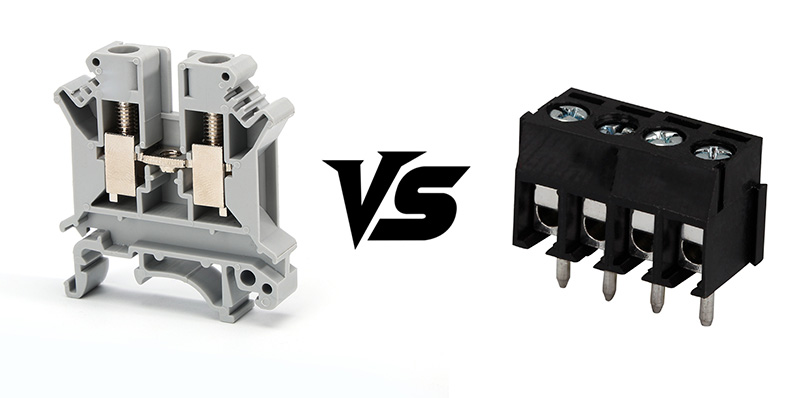
Din Rail Terminals Vs PCB Terminals Vs Bolt Terminals
DIN rail terminals: Used for modular wiring inside cabinets/panels. Advantages include flexibility, scalability, and ease of maintenance. It is a “system-level” connection solution.
PCB terminals: Directly soldered onto the circuit board, used to connect external cables to the board. It is part of the device’s “external interface.”
Bolt terminals (or lug + bolt connection): Commonly used for high-current, high-vibration, or permanent connection points, such as transformer terminals and large circuit breaker input/output lines. It is more “direct,” but less flexible and maintainable than modular terminals.
Can It Be Reused Or Rewired?
Most well-designed DIN rail terminals are reusable and re-wireable. High-quality terminal materials (such as PA66 flame-retardant plastic and tin-plated copper alloy conductors) can withstand multiple clamping and release cycles while maintaining their elasticity and conductivity. This is one of the reasons why their total life cycle cost is superior to single-use connection methods.
Conclusion
Choosing them shouldn’t be based solely on unit price; you need to consider electrical performance, installation efficiency, environmental adaptability, and most importantly—absolute reliability in long-term operation. A well-designed wiring system built with high-quality terminals can significantly reduce commissioning time, troubleshooting difficulties, and maintenance costs. These hidden benefits often far outweigh the initial price difference of the components.
Stop compromising on the small details of electrical connections. Visit the Westlec official website today to download our latest product catalog, or contact our technical sales team directly for free selection advice tailored to your specific project.

 EN
EN  PT
PT 