

Choosing the right connection for your electrical projects can feel like a maze. Whether you’re dealing with industrial wiring, automotive harnesses, or control panels, the debate between crimping and soldering is real. Both methods have loyal fans, but which one actually gives you the most reliable, long-lasting connection? Working with a reputable crimp terminal manufacturer can make all the difference, ensuring high-quality terminals that meet your project’s standards. In this article, we’ll break it down for you, so you can make confident decisions for your projects and procurement.
Crimp Terminal Manufacturer: Which Is Stronger, Crimping Or Soldering?
Definition
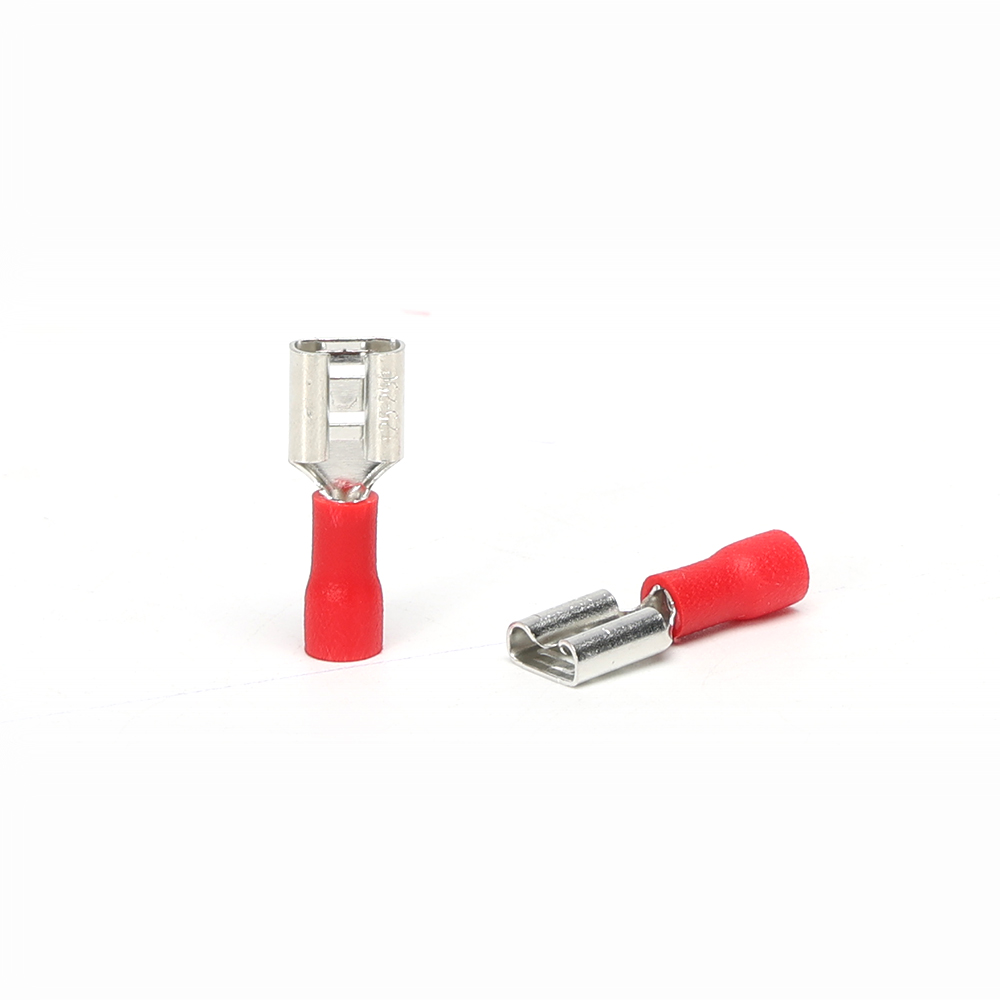
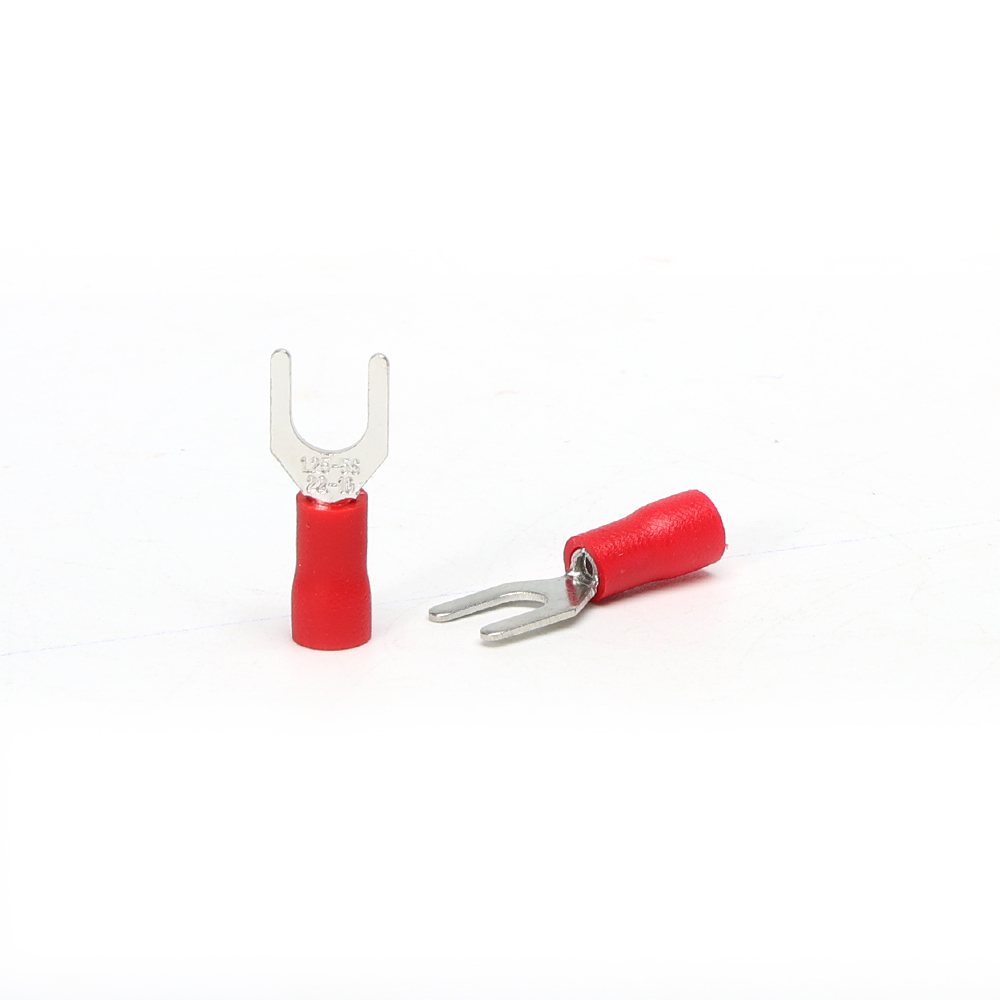
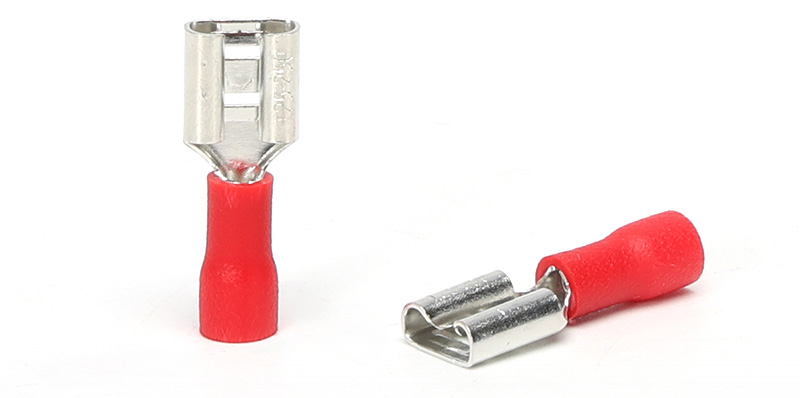
A crimp terminal is a type of connector that attaches to the end of a wire by compressing it with a specialized tool. This creates a mechanical and electrical bond. On the other hand, soldering involves melting solder around the wire to form a strong metallic connection. Both methods aim for secure electrical conductivity, but their approaches differ.
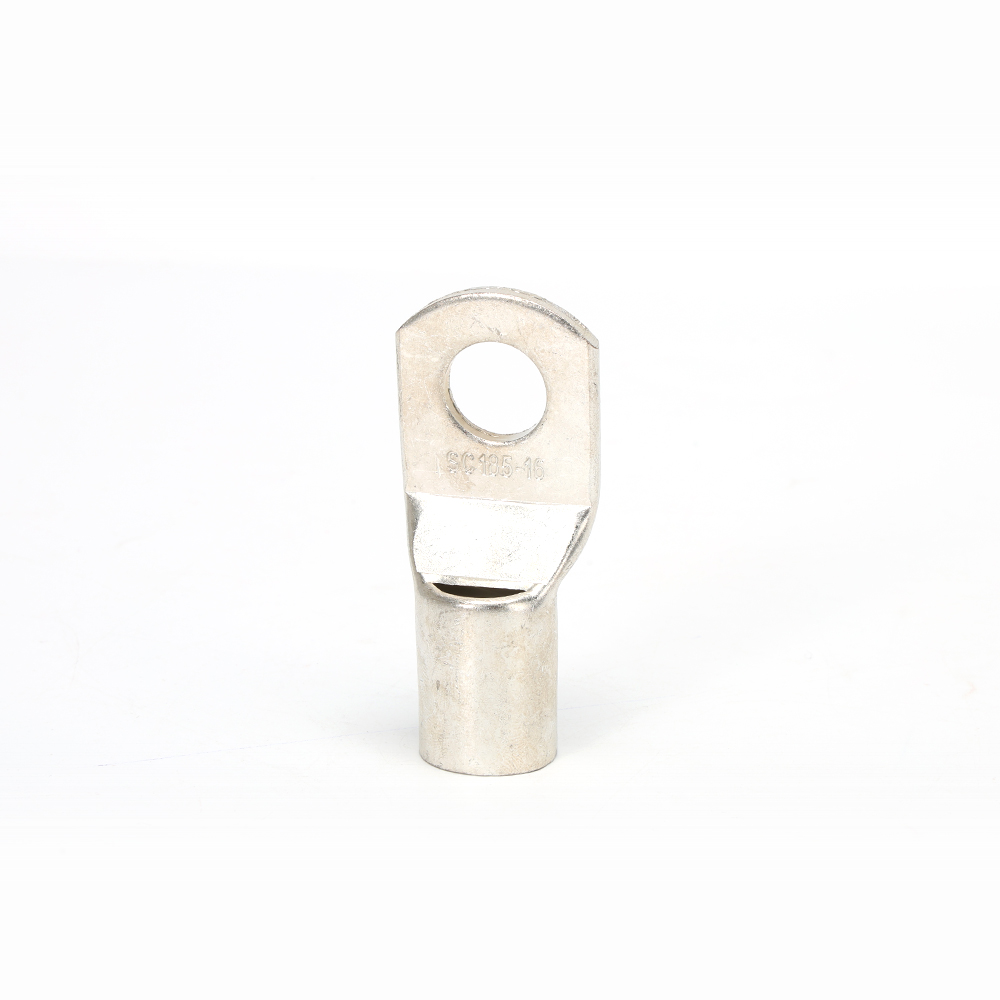
Think about your last industrial panel installation: the crimp terminals probably saved you hours compared to soldering each wire meticulously, right?
Pull Strength
Pull strength is critical for wires in vibration-heavy environments.
● Crimping: Offers excellent pull strength when done correctly with quality terminals and tools.
● Soldering: Can achieve slightly higher tensile strength in static conditions but is more sensitive to overheating.
● Example: Automotive engineers often prefer crimped connections in engine harnesses because vibration can loosen solder joints.
Vibration Resistance
If your wiring is going to be shaken, bumped, or moved frequently, vibration resistance matters.
● Crimp terminals withstand repeated motion without loosening, making them ideal for vehicles and industrial machinery.
● Solder joints are prone to micro-cracks over time under constant vibration.
Installation Time
Time is money, especially if you’re buying in bulk.
● Crimping: Fast and consistent, ideal for production lines and field installations.
● Soldering: Slower, requires preheating and careful solder application.
Reworkability
Sometimes mistakes happen, or wires need adjustments.
● Crimping: Easy to remove and redo without damaging the wire.
● Soldering: Desoldering is tedious and risks insulation damage.
Long-term Reliability
Both methods can last decades if done properly.
● Crimping: Excellent for dynamic environments; the mechanical bond prevents failure under stress.
● Soldering: Superior for static, high-temperature applications where vibration is minimal.
Tools Required
● Crimping: Crimping tool, wire stripper, proper terminal selection.
● Soldering: Soldering iron, flux, solder, heat-shrink tubing.
● Example: Westlec recommends using calibrated crimping tools for high-volume industrial applications to ensure uniform connections.
Pull Strength, Vibration, and Reliability Table
| Feature | Crimp Terminal | Soldering | Notes |
|---|---|---|---|
| Pull Strength | High | Very High | Solder may have higher static tensile strength |
| Vibration Resistance | Excellent | Moderate | Crimping is better for automotive |
| Installation Time | Fast | Slower | Labor savings with crimping |
| Reworkability | Easy | Difficult | Desoldering requires skill |
| Long-term Reliability | Good | Excellent | Depends on environment and technique |
| Tools Required | Crimp tool, wire stripper | Soldering iron, flux, solder | Tool cost and portability vary |
When to Use Each Method
Deciding which method to use isn’t black and white. Here are some general rules:
● Crimping: Ideal for high-volume manufacturing, automotive wiring, and industrial control panels where vibration is a factor.
● Soldering: Preferred in electronics, PCB assembly, and applications where wires are stationary and long-term electrical conductivity is critical.
● Case study: A Westlec client replaced old soldered harnesses with crimped connectors in a factory conveyor system. The result? Fewer downtime incidents and faster maintenance.
Key points:
● Match method to environment and stress conditions.
● Factor in production volume and installation speed.
● Consider your rework and maintenance capabilities.
● Always follow manufacturer specifications.
Common Mistakes and How to Avoid Them
Crimping Mistakes
● Using the wrong terminal size
● Improper compression, leading to loose connections
● Neglecting correct strip length
● Using worn or uncalibrated tools
● Not inspecting crimps visually or with a pull test
Soldering Mistakes
● Overheating wires, melting insulation
● Applying insufficient solder, causing weak joints
● Cold solder joints due to rapid cooling
● Excess solder, leading to shorts
● Not cleaning wires before soldering
Example: A procurement manager once purchased cheap crimp terminals without checking compatibility. Installation failed under vibration. Lesson learned: quality terminals and proper tools matter more than cost savings.
FAQ
How to test crimp terminal strength?
Use a calibrated pull tester or a simple weight method to ensure the crimp holds under expected stress.
Can I crimp and solder the same wire?
Yes, but usually not recommended; it can compromise the mechanical connection.
Does crimping resist vibration?
Absolutely, proper crimps are ideal for automotive and industrial use.
How long do solder joints last?
Proper solder joints can last decades if vibration and temperature stress are minimal.
Are crimp terminals suitable for automotive wiring?
Yes, they are highly recommended for high-vibration environments.
Can soldering damage insulation?
Yes, if the wire is overheated or exposed to excessive soldering time.
Which is better for high current wires?
Crimping is often better for bulk cables; soldering may overheat if not done correctly.
What tools are needed for crimping?
Crimping pliers, wire stripper, quality terminals.
Can crimped connections fail?
Yes, if the wrong terminal, poor tool, or bad technique is used.
Is soldering better for electronics?
Typically, yes; soldering provides precise, low-resistance connections.
Does crimping save time?
Significantly, especially in large-scale installations.
Can I reuse crimp terminals?
Some terminals allow rework, but many are single-use.
Is soldering stronger than crimping?
Depends on the application; soldering excels in static, crimping in dynamic conditions.
What mistakes reduce pull strength?
Wrong terminal size, poor compression, or damaged wire.
Are crimped connections waterproof?
Some are, especially with heat-shrink and sealed terminals.
Can vibration break solder joints?
Yes, repeated motion may cause micro-cracks.
Which method is safer for field repairs?
Crimping, because it’s quicker and less error-prone.
Does crimping require training?
Yes, proper technique ensures reliable connections.
Should I inspect crimps or solder joints?
Absolutely, visual inspection and testing are critical for safety and reliability.
Conclusion
In the battle of crimping vs soldering, there’s no one-size-fits-all answer. Crimp terminals offer speed, vibration resistance, and easy rework, perfect for automotive and industrial projects. Soldering shines in precision electronics and static environments where long-term conductivity is crucial. Your choice should match the environment, stress factors, and project volume. Make informed decisions, invest in quality terminals and tools, and ensure your wiring installations are safe, reliable, and durable.
Take action: Review your specifications, consider Westlec’s premium crimp terminals, and upgrade your installation strategy today.
 EN
EN  PT
PT