Definition And Advantages Of Quick Connect Terminal Block
Home-Definition And Advantages Of Quick Connect Terminal Block
Definition And Advantages Of Quick Connect Terminal Block
Nov 27, 2025
In the field of electrical connections, efficiency, reliability, and safety are perpetual pursuits. It is precisely under these demands that quick-connect terminal blocks emerged and quickly became a popular product in modern electrical connection solutions. This article will delve into what is quick connect terminal block and analyze five core advantages in detail.
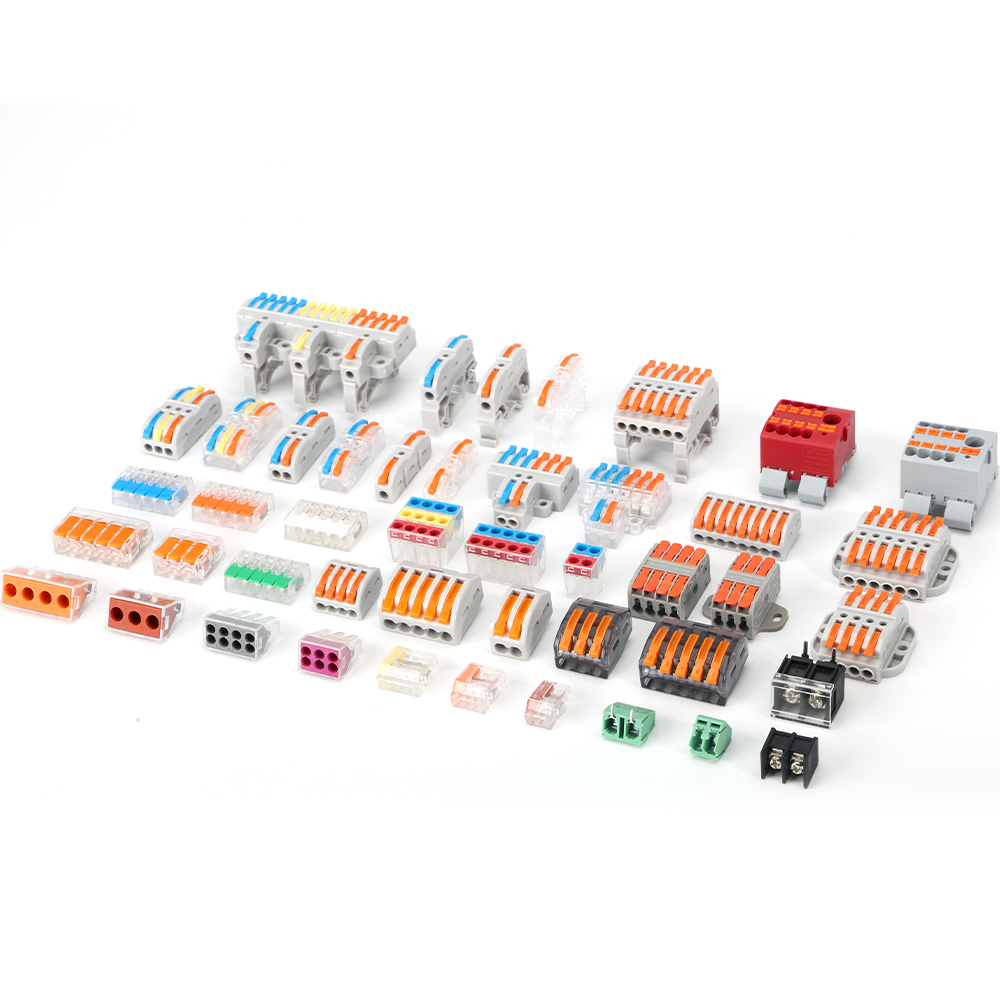
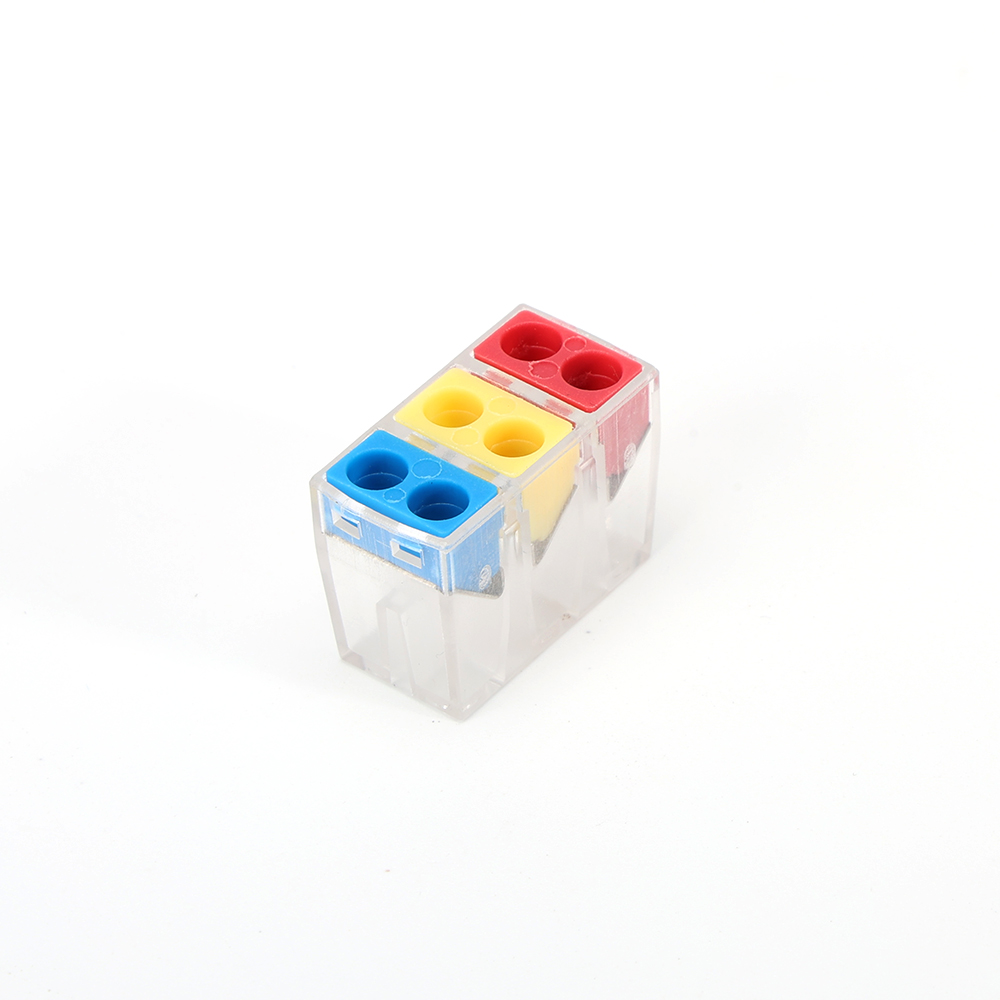
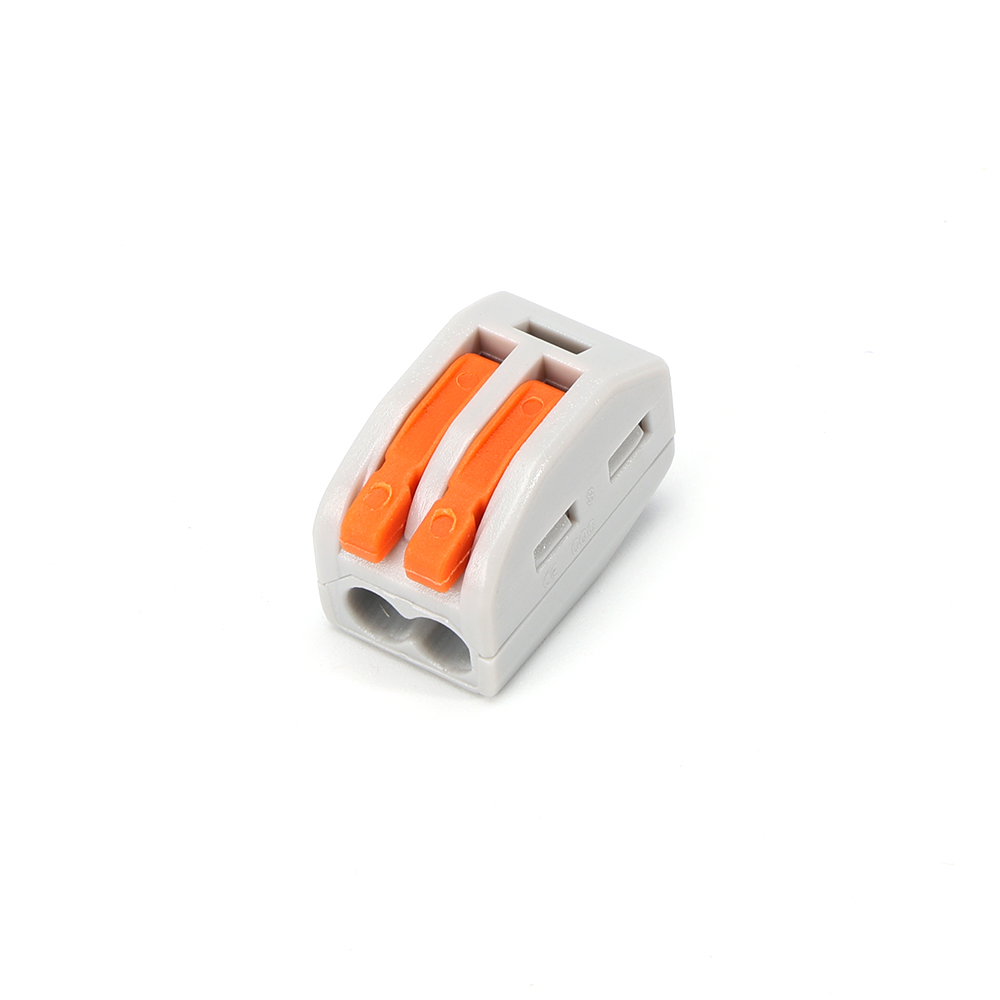
Quick-connect terminal blocks are electronic wiring devices that allow for rapid connection and disconnection of wires without the need for any tools (such as screwdrivers). Their core working principle utilizes a built-in, precision spring clip.
The operation process is extremely simple:
Wiring: Using standard diameter wires, usually without stripping, simply insert them into the holes of the terminal block.
Connection: When the wire is inserted, it pushes open the spring clip, and the continuous rebound force of the spring firmly clamps the wire, ensuring stable electrical contact.
Disconnection: To disconnect, simply press or toggle the specially designed operating lever or button on the terminal block to release the spring pressure and easily pull out the wire.
This “plug-and-go” design completely revolutionizes the working mode of electrical wiring.
Five Core Advantages
Quick-connect terminal blocks are favored because of the following outstanding advantages:
Quick Tool Free Installation
Quick-connect terminal blocks eliminate the need for tools such as screwdrivers and wire strippers (in some models), reducing wiring time from minutes to seconds. This not only greatly improves installation efficiency and reduces labor costs, but also makes wiring work in narrow or densely populated spaces easy and simple.
Compact And High-Density Design
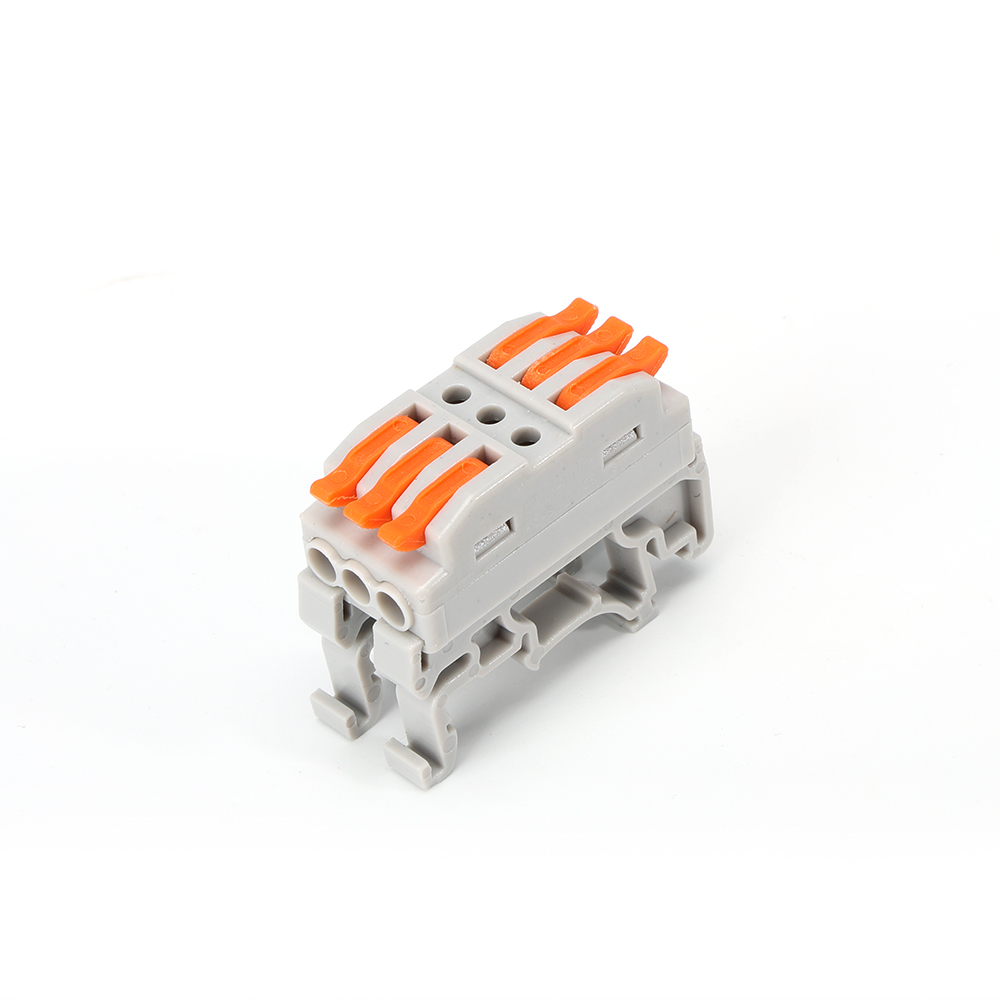
By eliminating the need for screws and a large operating space, quick-connect terminal blocks can be made compact. This makes them suitable for modern electronic equipment and control cabinets with strict space requirements, allowing for more connection points on limited PCB board or rail area and optimizing the overall layout.
Excellent Reliability
The constant, uniform pressure provided by the spring clips accommodates minute deformations of the wires and resists loosening caused by vibration or thermal expansion and contraction. This continuous pressure ensures stable contact resistance, thus providing superior vibration resistance and long-term connection reliability compared to conventional screw terminals.
Wide Compatibility, Everything Is Available
Quick-connect terminal blocks support a variety of wire types, including solid wire, stranded wire, and wire with cold-pressed ends. Their aperture designs cover a range from fine to thicker wire diameters (e.g., 0.08mm² to 4mm²), providing flexibility for different applications. Furthermore, they can be supplied individually or in series to meet diverse circuit layout requirements.
Security Guarantee
Quick-connect terminal blocks typically feature a fully enclosed insulated housing, effectively preventing electric shock and short circuits. Furthermore, their robust clamping force eliminates the risk of accidental wire detachment. Many products also possess safety certifications (such as UL and CE), ensuring safe operation under specific electrical parameters.
Terminal Block Quick Connect Application
Leveraging these advantages, quick-connect terminal blocks are used in the electrical field for the following applications:
Home Appliance Industry: Internal control board connections in washing machines, refrigerators, and air conditioners.
Industrial Control: Input/output terminals for PLCs, frequency converters, sensors, and relay modules.
Building Automation: Wiring for lighting control, security systems, and thermostats.
Telecommunications Equipment: Patch panels in computer rooms and internal connections for network equipment.
Automotive Electronics: In-vehicle entertainment systems, lighting modules, etc.
New Energy: Photovoltaic inverters, charging piles, etc.
FAQ
What Types Of Wires Do Quick-Connect Terminal Blocks Support?
It supports various types of conductors, including single-strand solid wire, multi-strand flexible wire, and wires with tubular pre-insulated ends. The key is that the wire diameter must be within the specified range of the terminal block to ensure optimal clamping force.
Can It Be Used In Environments With Vibration Or High Temperature?
Yes. Its spring-compression design inherently provides excellent vibration resistance, superior to traditional screw terminals. For high-temperature environments, industrial-grade products made from specific materials (such as high-temperature plastic housings and high-quality metal springs) should be selected, ensuring the operating temperature is within its rated range.
Is It More Expensive Than Traditional Terminal Blocks?
In terms of unit price per component, quick-connect terminal blocks may be slightly more expensive than standard screw terminals. However, in terms of total cost of ownership, they are actually more cost-effective in most volume applications due to the savings in installation time and labor costs, as well as the reduction in required tools and maintenance.
Conclusion
Quick-connect terminal blocks, through their innovative spring clip technology, perfectly address the core requirements of efficiency, reliability, space, and safety in electrical connections.
Explore our quick-connect terminal block solutions now and experience firsthand the perfect combination of efficiency and reliability!
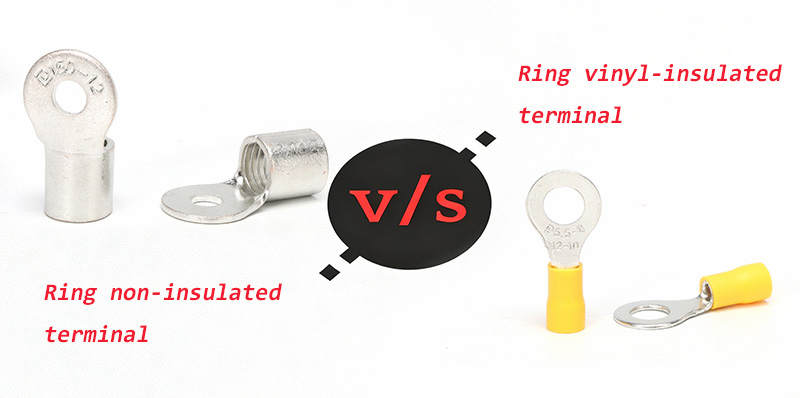
Non Insulated Electrical Terminals Vs Insulated Ring Terminals
Definition
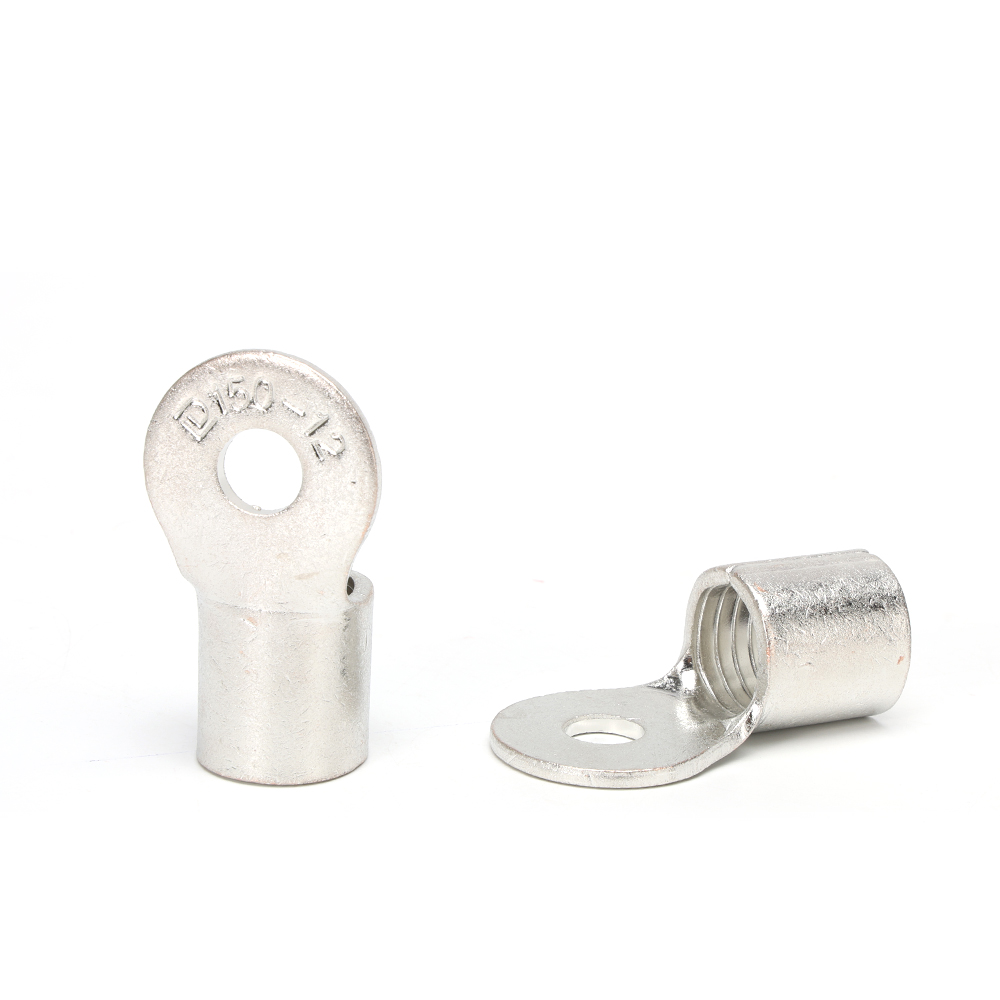
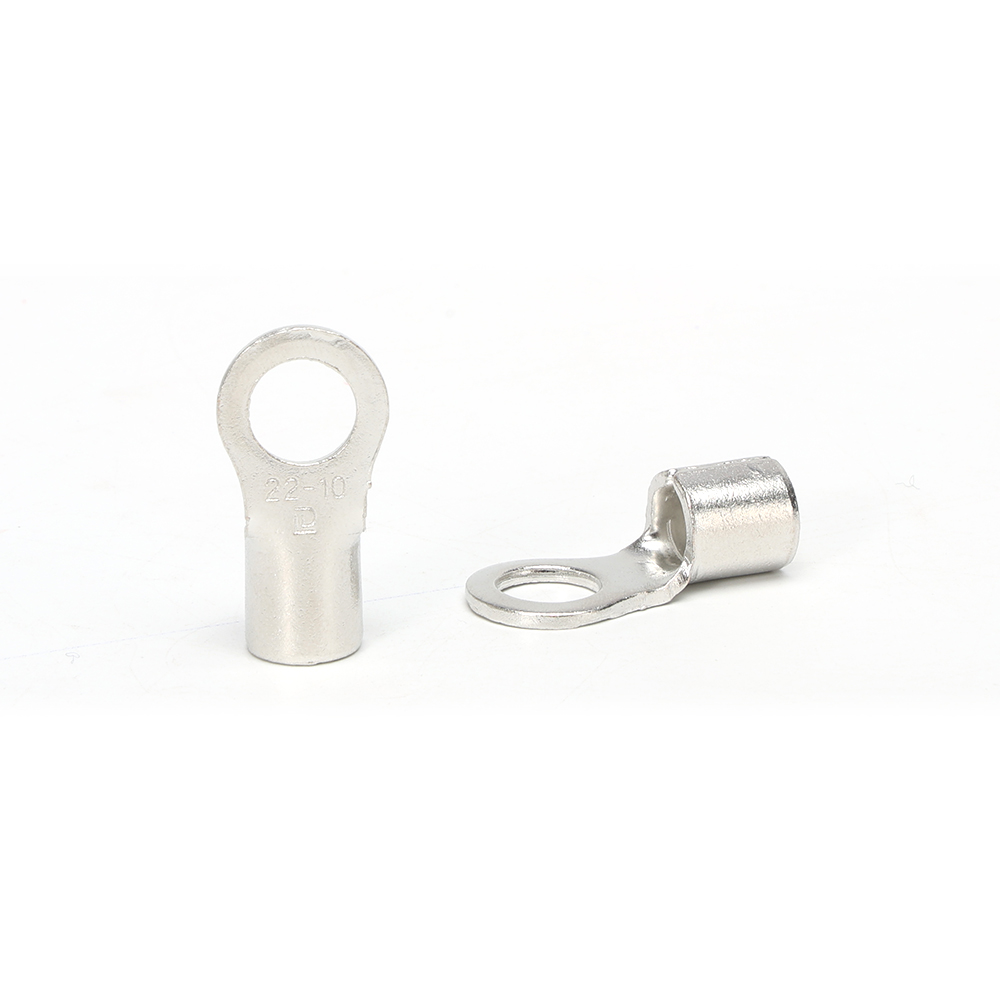
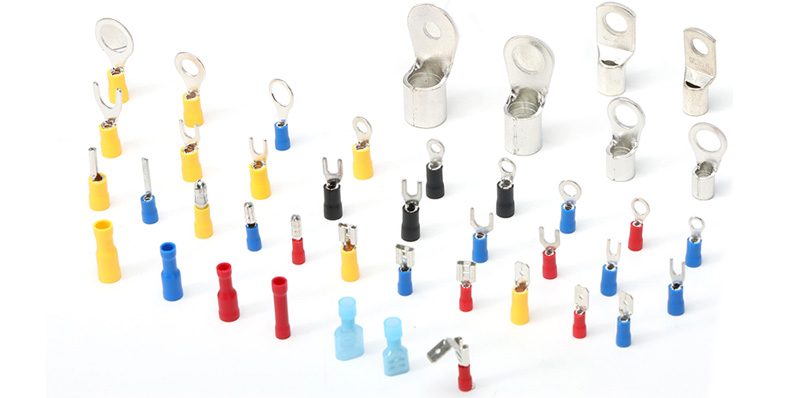
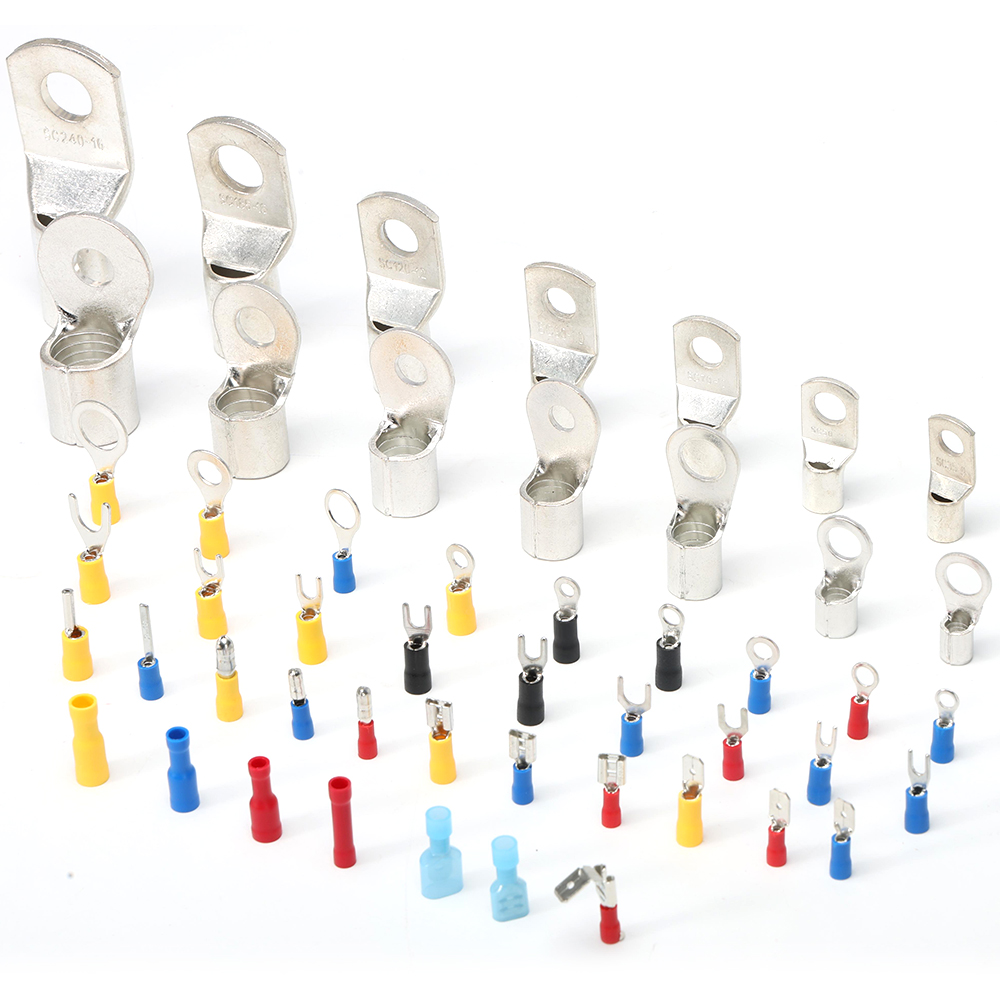
Non-insulated terminals: These consist only of a metal conductor (such as copper or brass), exposed without any external insulating layer. They typically require crimping followed by additional insulation.
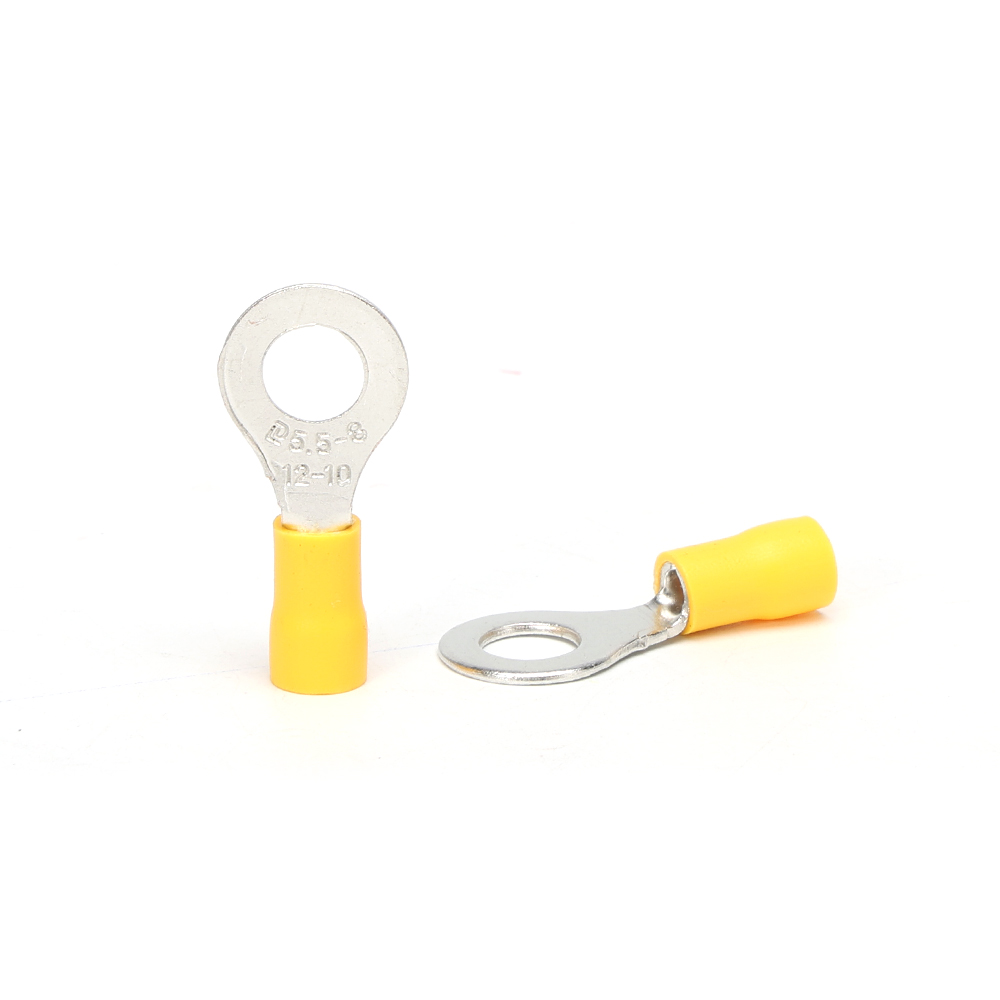
Insulated terminals: These have a layer of insulating material, such as plastic (nylon, PVC) or heat-shrink tubing, wrapped around the metal conductor. This outer layer is pre-molded at the factory.
Security
Non-insulated terminals: Lower safety. The metal parts are completely exposed, posing a very high risk of short circuits, electric shock, and accidental grounding. Additional insulation measures (such as heat shrink tubing) must be taken before use.
Insulated terminals: High safety. The insulation layer effectively prevents electric shock and avoids short circuits caused by contact between the terminal and surrounding metal parts, making it the preferred choice according to safety regulations.
Cost
Non-insulated terminals: Low unit cost, making them the option with the lowest initial investment.
Insulated terminals: Higher unit cost, but their price typically includes the convenience of "press-and-use" and built-in safety features, reducing the material and labor costs associated with subsequent insulation treatment.
Space Occupation
Non-insulated terminals: Compact in size, occupying only the space of the metal portion, making them ideal for use in compact devices where space is extremely limited.
Insulated terminals: Due to their insulating sheath, they are relatively larger and require more installation space for this "outer garment".
Environmental Adaptability
Non-insulated terminals: Poor corrosion and moisture resistance; easily oxidized and rusted when exposed to humid, oily, or chemical environments, leading to increased connection resistance.
Insulated terminals: The insulation layer effectively resists the erosion of moisture, dust, oil, and some chemicals, providing superior environmental protection and long-term stability.
Mechanical Protection
Non-insulated terminals: Offer almost no mechanical protection; the crimped joints and metal parts are susceptible to damage from physical impacts or vibrations.
Insulated terminals: The insulating sheath provides a robust "armor" for the crimped joints, enhancing tensile strength and cushioning some vibrations and impacts.
Heat Dissipation Performance
Non-insulated terminals: The metal is in direct contact with the air, offering excellent heat dissipation and making them suitable for high-current applications with specific heat dissipation requirements (but it must be ensured that there is no risk of short circuits in the surrounding area).
Insulated terminals: The insulation layer hinders heat dissipation to some extent, but within the design-permitted current range, heat dissipation is usually not a problem.
Installation And Identification
Non-insulated terminals: After installation, the crimping quality cannot be directly observed, and all terminals appear identical, making it difficult to quickly distinguish wire diameter or function.
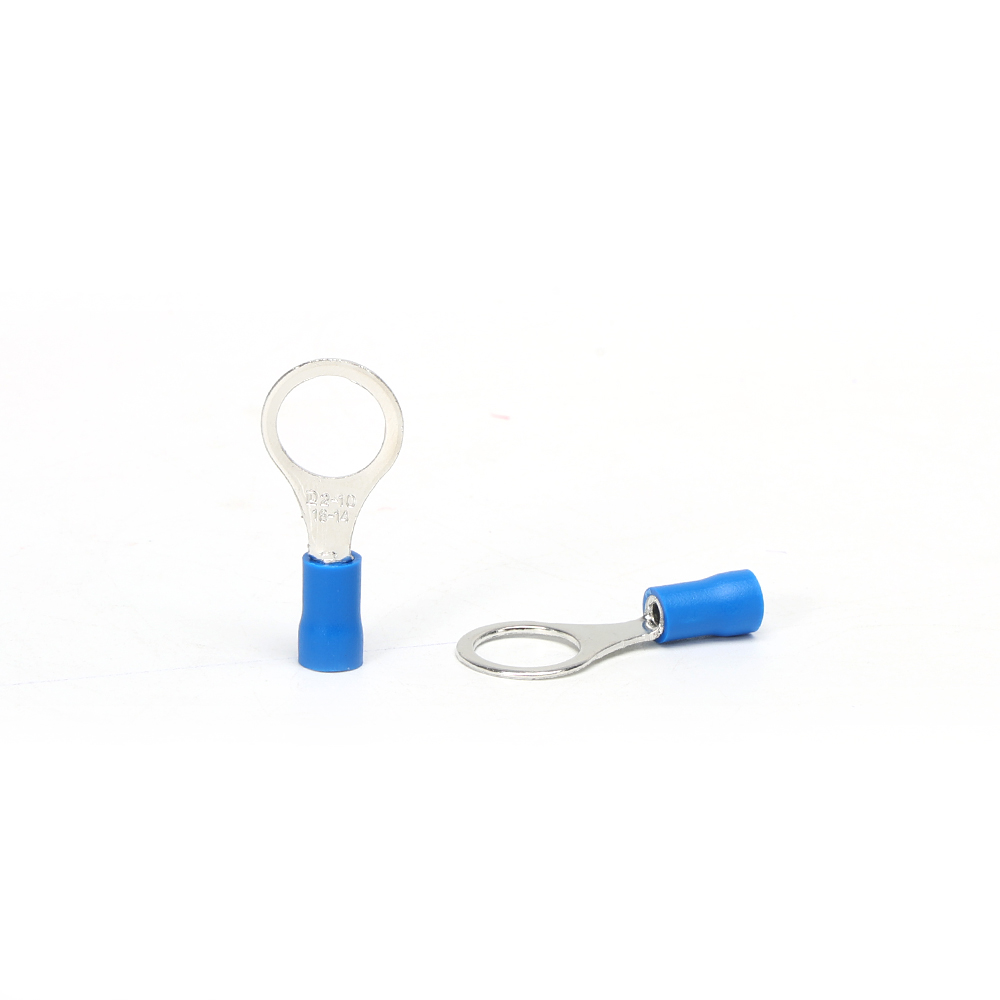
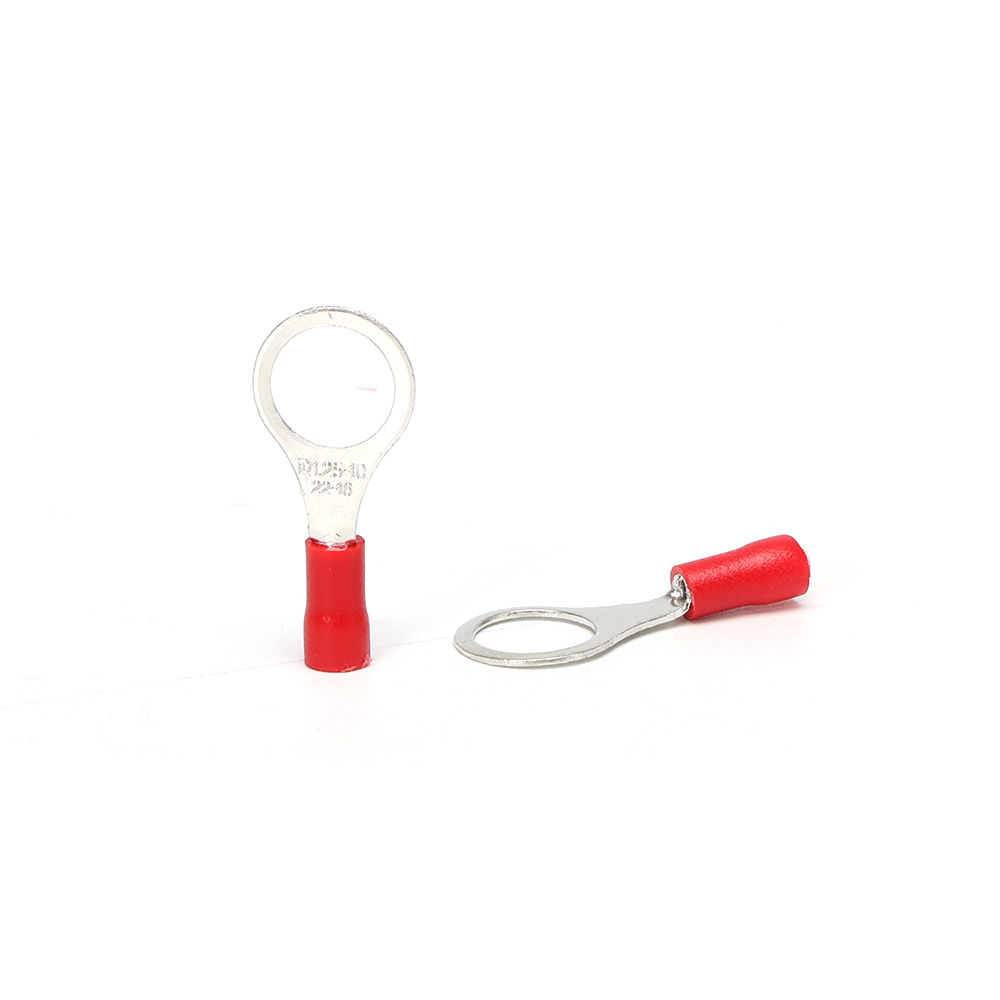
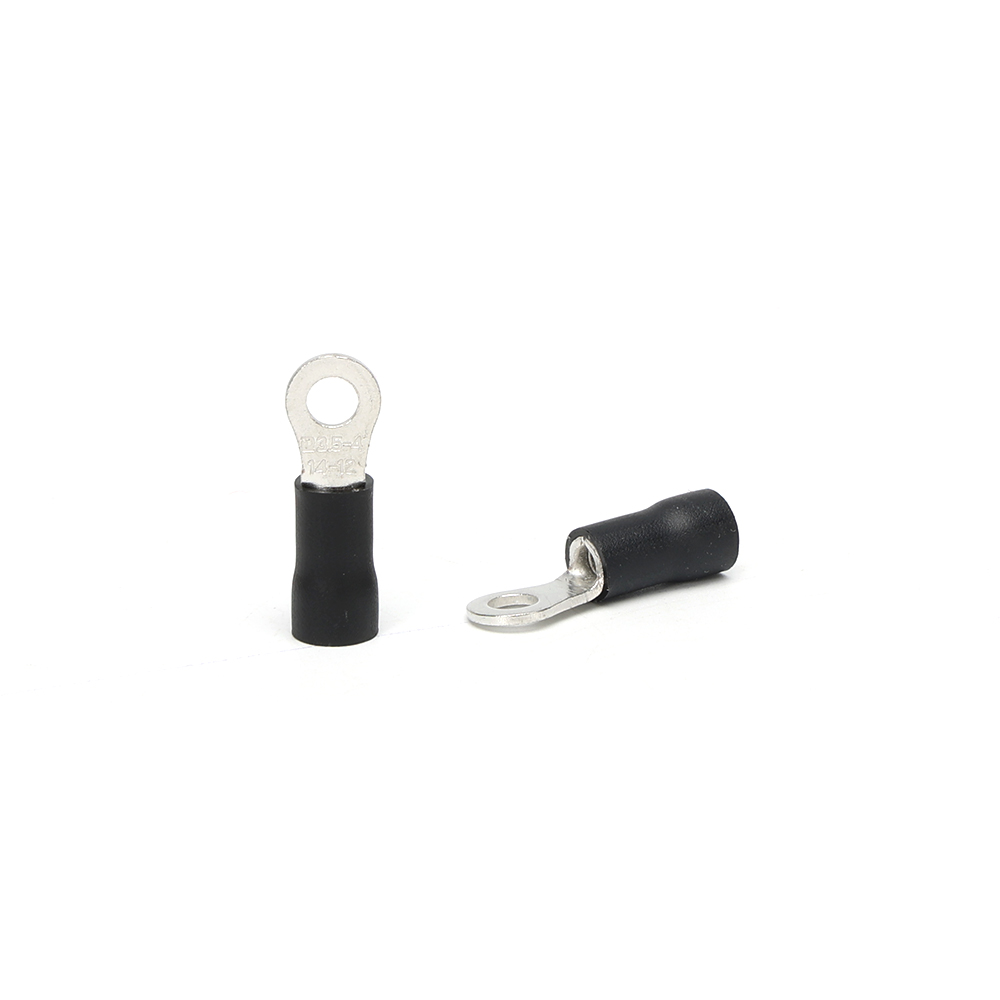
Insulated terminals: Typically color-coded (e.g., red for 0.5-1.5 mm², blue for 1.5-2.5 mm², yellow for 4-6 mm²), facilitating identification before installation and error prevention. Transparent sheaths even allow inspection of the crimping without disassembly.
Application Scenarios
Non-insulated terminals: Commonly used in situations where cost and space are extremely sensitive, and where subsequent overall insulation treatment (such as potting or using insulating boxes) will be performed, or in specific locations where the interior of some equipment is completely dry and there is no risk of short circuit.
Insulated terminal blocks: Extremely widely used, from automotive wiring harnesses and home appliances to industrial control cabinets; almost any scenario requiring safe, reliable, and maintenance-free connections is its domain.
How To Make The Right Choice?
Safety And Regulations
Safety is paramount in all circumstances. First and foremost, industry standards, laws and regulations, and equipment manufacturer specifications must be followed. In the vast majority of public and civilian applications, insulated terminals are a mandatory requirement to meet safety standards.
Application Environment Analysis
Assess the environment in which your equipment will operate: will it be humid, dusty, oily, or subject to vibration? In harsh environments, the protection provided by insulated terminals is crucial. In dry, controlled internal environments, non-insulated terminals combined with a comprehensive insulation solution may be an option.
Cost And Budget Balance
Don't just look at the cost per unit. Calculate the total cost of ownership: this includes the price of the terminal, the cost of additional insulation materials, installation time, and the repair costs and risks that may arise from short-circuit faults. For small-batch or DIY projects, insulated terminals are often more cost-effective and less troublesome.
Installation And Maintenance Convenience
Considering ease of installation and the difficulty of future maintenance, color coding of insulated terminals and the "crimp-on" feature can significantly improve work efficiency and reduce the risk of misconnection.
FAQ
Can I Wrap Electrical Tape Around Non Insulated Terminals Instead Of Insulated Terminals?
Not recommended, especially in critical or vibrating environments. Electrical tape's adhesiveness deteriorates over time and is susceptible to detachment and loosening due to temperature and chemical factors, leading to insulation failure. Heat shrink tubing is a better option than tape, but still not as reliable as integrally molded insulating terminals.
What Does The Color Of The Insulated Terminal Represent?
Color typically indicates the range of compatible wire cross-sectional areas; this is an industry convention. For example:
Red: Fine wire (e.g., 0.5-1.5 mm²)
Blue: Medium wire (e.g., 1.5-2.5 mm²)
Yellow: Thicker wire (e.g., 4-6 mm²) Please refer to the manufacturer's specifications for specific details.
How To Judge The Quality Of An Insulated Terminal?
First, check the metal material; it should be made of high-quality copper with uniform tin plating. Second, pinch the insulating sleeve; it should be flexible, elastic, flame-retardant, and not easily brittle. Third, check the workmanship; the metal bucket and the insulating sleeve should be tightly connected without any looseness.
Conclusion
Non-insulated terminals, with their low cost and small size, hold a place in certain limited scenarios; while insulated terminals, with their superior safety, environmental friendliness, convenience, and reliability, have become the undisputed mainstream choice for modern electrical connections.
Choosing reliable insulated terminals for your next project is not just choosing a component, but investing in the safety and stability of your entire system for peace of mind. Contact a professional supplier today for high-quality terminal solutions tailored to your needs!
[custom-related-posts title="Related Posts" none_text="None found" order_by="title" order="ASC"]
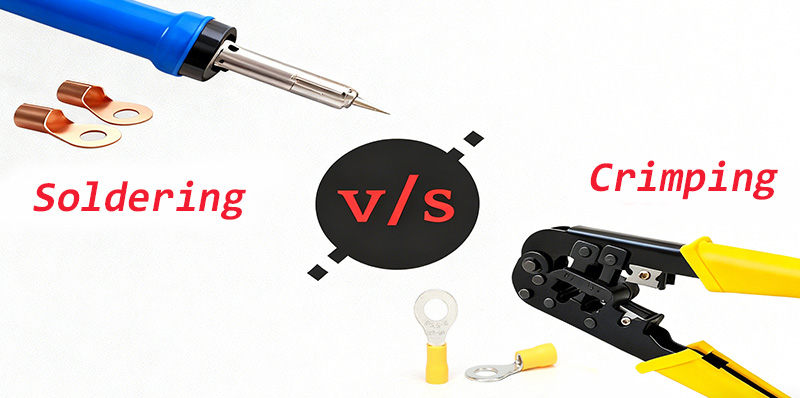
Ring terminals are popular for their reliability and easy installation, but should you choose soldering or crimping?
Choosing the wrong process risks connection failure or safety issues. We'll analyze both to help you decide.
Soldering Vs. Crimping
Definition
Soldering: Molten solder (tin-lead/lead-free alloy) fills the gap between the wire and the ring wire connectors. After cooling, a metallurgical bond is formed between the metals, achieving an electrical and mechanical connection.
Crimping: Using a special tool, enormous pressure is applied to the metal sleeve of the ring wire terminal, causing it to tightly wrap around and compress the wire, forming a cold weld. This is a connection achieved through physical deformation.
Tools And Steps
Soldering
Tools: Soldering iron/soldering station, solder wire, flux, and heat shrink tubing if necessary.
Steps:
Strip the wire and clean it.
Pass the wire through the terminal sleeve or secure it using a specific clamp.
Heat the terminal and wire with the soldering iron, feeding in solder to fully melt and fill the gap.
Cool and solidify, clean the solder joint, and apply heat shrink tubing insulation if necessary.
Crimping
Tools: Professional crimping pliers (manual, hydraulic, or pneumatic), crimping die perfectly matched to the ring lug terminal specifications.
Steps:
Strip the wire to the appropriate length.
Insert the wire into the terminal sleeve, ensuring all copper wire is fully inserted.
Place the terminal into the correct crimping die and perform the crimping operation until the tool is fully closed or the set pressure is reached.
Inspect the crimp appearance to ensure there is no over- or under-crimping.
Technical Insight: The core of the crimping process lies in the perfect match between the tool and the terminal. We offer range of standardised crimping tools and certified high-quality terminals to ensure that every crimp is perfect.
Strength And Reliability
Mechanical Strength:
Crimping: Advantages lie in vibration and fatigue resistance. The crimped joint acts like a spring, effectively absorbing and buffering vibration energy, making it less prone to cracking. It is the preferred choice in vibrating environments such as automotive and aerospace.
Welding: Solder joints are typically harder and brittle. Under continuous vibration, stress concentration can easily occur at the junction of the solder and the wire, leading to fatigue fracture.
Electrical Performance:
Crimping: The resulting hermetic connection effectively prevents oxygen and moisture intrusion, has strong corrosion resistance, and maintains stable contact resistance over the long term.
Welding: Initial contact resistance is extremely low. However, if flux is not properly cleaned or there are incomplete solder joints, long-term corrosion or overheating risks may occur.
Reliability is Key: A properly performed crimping offers highly consistent and predictable reliability. Welding quality, however, largely depends on the operator's skill and experience.
Cost Analysis
Initial Investment:
Welding: Simple tools, low initial cost.
Crimping: High initial investment in high-quality professional crimping tools and molds.
Long-Term and Overall Costs:
Welding: Time-consuming, highly dependent on skilled workers, relatively low production efficiency, and high potential rework costs.
Crimping: Once the tools are available, operation is quick, simple, and highly consistent, making it ideal for large-scale production. Overall production efficiency and yield are higher, and the total cost of ownership may be lower.
Applicable Environment
High-Temperature Environments:
Soldering: The melting point of the solder limits its operating temperature. If the ambient temperature approaches or exceeds the solder melting point, the connection strength will decrease sharply.
Crimping: This is not an issue, as long as it can withstand the upper temperature limits of the terminal metal and the wire insulation, making it ideal for high-temperature applications.
Vibration Environments: As mentioned earlier, crimping is the clear winner in vibration environments.
Installation Difficulty
Welding: Requires a learning curve and technical accumulation to ensure perfect welds. Cold welds and poor solder joints are common problems.
Crimping: Simple to operate and quick to train. With the right tools and molds, even beginners can create high-quality, consistent connections.
Practical Guide For Selecting Processes For Ring Terminals
Clarify Application Requirements And Priorities
Crimping is the preferred option if your application involves high vibration (e.g., vehicles, machinery), high temperatures, or requires high-volume, high-efficiency production with a focus on long-term, stable reliability.
Welding may be considered if: it primarily involves prototyping, small-batch repairs, operates in a static, moderate-temperature environment, and you possess skilled welding techniques. For some multi-strand fine wires, welding can provide additional integrity.
Evaluation Of Work Environment And Long Term Reliability
Please consider your application environment as a primary factor. For critical systems that concern safety and long-term operation, the predictability and resilience provided by crimping are irreplaceable values.
Balancing Costs, Skills, And Equipment
Don't just look at the price of the tools. Assess your production volume, consistency requirements, and team skills. For businesses that prioritize quality and efficiency, investing in a professional crimping solution will yield significant returns in both product quality and production efficiency.
Your Connectivity Solutions Expert: Unsure which process is best suited for your specific application? Our expert team can provide evaluation and customized solutions, supporting you throughout the entire process from tool selection to process optimization.
FAQ
Which Is More Secure, Welding Or Crimping Terminals?
In most industrial standards and modern applications, properly performed crimping is considered safer and more reliable because it offers superior vibration resistance, long-term stable electrical performance, and higher consistency in quality, independent of operator skill. Welding is reliable in specific static, low-current scenarios, but carries higher risks in dynamic and harsh environments.
Should I Choose Crimping Or Welding In High Temperature Environments?
Crimping is the preferred method. As long as the insulation class of the selected terminals and wires can withstand the ambient temperature, the mechanical strength of the crimp joint itself will not decrease due to high temperatures. However, once the ambient temperature of the solder joint approaches the melting point of the solder, its connection strength will be completely lost.
Which Process Is Easier To Rework?
Reworking crimped terminals is simpler and more direct—simply cut off the old terminal and re-crimp the wire. Removing soldered terminals requires reheating and melting the solder, which is more cumbersome and can easily damage the wires.
Conclusion
For ring terminal connections, crimping typically outperforms welding in terms of mechanical strength, environmental adaptability, production efficiency, and long-term reliability, making it the preferred technology for modern industrial connections. While welding still has its value in specific niche applications, choosing crimping means choosing a globally proven, predictable, high-quality connection.
Contact our team of technical experts today for a free process selection consultation! Let us help you assess your needs and recommend the most suitable crimping tools and terminal products to lay the strongest connection foundation for your project.
[custom-related-posts title="Related Posts" none_text="None found" order_by="title" order="ASC"]
Select the appropriate fork-shaped terminal based on the cross-sectional area of the wire (e.g., 0.5mm², 1.0mm², 1.5mm²). Also, ensure your crimping pliers have a die that matches the crimping area of the electrical crimp terminals.
3.2 Peel Off The Insulation Of The Wire
Use wire stripping pliers to remove an appropriate length of insulation. Usually, the stripping length should be slightly longer than the length of the terminal crimping tube to ensure that all metal wires can be completely pressed into the tube and no insulation is sandwiched in the crimping point.
Insert The Terminal And Check
Insert the stripped wire completely into the crimping sleeve of the terminal, ensuring that no fine copper wire is exposed. Checking from the front of the terminal, the wire tip should be slightly touching the bottom of the sleeve.
Perform Crimping Operation
Insert the crimping end of the terminal into the corresponding, sized bayonet of the crimping pliers. Ensure the terminal is positioned correctly. Firmly grip the crimping pliers handle until it is fully closed or automatically releases. You should feel a solid "in place" sensation.
Final Inspection
After crimping, gently pull on the wire and terminal by hand to check for a secure connection. A proper crimp should be very strong and virtually impossible to pull out by hand. Also check that the crimp shape is uniform and symmetrical.
6 Common Mistakes That Must Be Avoided
Using The Wrong Tool
Using pliers, needle-nose pliers, or even a hammer for crimping is absolutely wrong. These tools cannot provide even, standardized pressure, which can result in loose crimps or damage to the terminals, leaving serious hidden dangers.
Improper Wire Stripping
Excessive stripping: Some metal wire is exposed, which can easily lead to a short circuit.
Excessive stripping: Too much exposed metal wire is also unsafe and may interfere with the insertion of screw terminals.
Damaged wire core: Cutting part of the copper wire during stripping reduces the effective cross-sectional area and increases resistance.
Incorrect Crimping Position
Proper crimping should occur on the metal crimping sleeve of the terminal. Never crimp on the insulating sheath, as this will not secure the wire; also never crimp at the base of the socket, as this may weaken its structural strength.
Insufficient Or Excessive Crimping
Too loose: Poor wire contact leads to excessive resistance, overheating, or even wire detachment.
Too tight: May break the metal wire or cause metal fatigue, also affecting conductivity and mechanical strength.
Ignore Insulation Sleeve
For terminals with insulating sheaths, ensure that the sheath partially covers the insulation at the end of the conductor during crimping to provide additional insulation protection and stress relief.
Selecting Mismatched Or Low-Quality Terminals
Using terminals that are incompatible with the wires (such as using large terminals to crimp thin wires) or cheap, inferior terminals (thin copper material, poor plating) cannot guarantee long-term connection reliability and conductivity, even if the crimping operation is correct.
FAQ
How To Determine If My Crimping Is Successful?
A: The main criteria are: 1. Mechanical strength: When pulled forcefully by hand, the wire and terminal should not loosen or separate. 2. Visual inspection: The crimped area should be uniform and symmetrical in shape, the wire metal wires should be completely wrapped and not exposed, and the insulation sheath should be in the correct position.
After Crimping, Is It Necessary To Spot Weld The Terminals?
A: Generally, a high-quality crimp provides excellent electrical connection and mechanical strength, eliminating the need for additional spot welding. Spot welding can actually damage the insulation sheath or alter the metal properties due to heat. It is only considered in a very few military and aerospace applications with specific vibration or high reliability requirements.
Normal For Crimp Terminal To Be Loose On Terminal Block?
A: No, that's not normal. The terminal should be securely installed on the terminal block (screw); only slight wobbling is permissible. If it is noticeably loose, it means the fork-shaped terminal you selected is not compatible with the screw terminal, and you should replace it with the correct size terminal.
Conclusion
Mastering the correct use of fork-type terminal blocks and avoiding these common mistakes is an essential skill for every electrician, DIY enthusiast, or maintenance engineer. This not only ensures the normal operation of equipment but is also a crucial guarantee for safe electricity use.
Remember: One proper crimp is far better than ten haphazard attempts.
If you require a large quantity of reliable and high-quality terminal blocks in your project, please feel free to contact us. Our professional team will provide you with the most suitable solutions and products!
[custom-related-posts title="Related Posts" none_text="None found" order_by="title" order="ASC"]
Related Product
Warning: Invalid argument supplied for foreach() in /www/wwwroot/westlec.com/wp-content/themes/junj/single.php on line 67



 EN
EN  PT
PT 