Introduction: Why Terminal Block Reliability is Critical in Industrial Applications
In automated industrial control systems, power distribution cabinets, and renewable energy equipment, the failure of a single electrical connection can trigger entire system shutdowns, leading to expensive downtime and safety hazards. As the fundamental connection node in electrical engineering, terminal blocks are subjected to harsh environmental stressors—including continuous vibration, thermal expansion, corrosive atmospheres, and high mechanical loads.
Partnering with experienced terminal block manufacturers is the most effective safeguard against connection degradation. Professional manufacturers rely on advanced material science, automated precision production, and stringent quality assurance protocols to ensure that every terminal block performs reliably under demanding field conditions. In this article, we examine the engineering practices and manufacturing standards that reputable suppliers like Westlec employ to deliver high-reliability connection solutions.
1. Superior Material Selection: The Foundation of Reliability
Product reliability begins at the raw material stage. Experienced terminal block manufacturers never compromise on conductive alloys or insulating polymers.
A. Premium Conductive Metals for Low Contact Resistance
The primary function of a terminal block is to transmit electrical current with minimal heat generation. Leading manufacturers utilize high-grade copper alloys (such as brass or phosphor bronze) treated with nickel or tin plating. This combination offers several key advantages:
Minimal Voltage Drop: High electrical conductivity reduces internal resistance across the connection point.
Corrosion Resistance: Protective plating prevents oxidation in high-humidity or chemically aggressive environments.
Prevention of Stress Corrosion Cracking: Specialized alloy treatments prevent clamping mechanism fatigue under prolonged pressure.
B. UL94 V-0 Flame-Retardant Insulating Housings
The insulating housing maintains structural integrity and electrical isolation between adjacent poles. Reputable manufacturers use high-performance Polyamide 66 (PA66) certified to UL94 V-0 standards. Key benefits include:
Self-extinguishing properties within 10 seconds of flame removal without dripping molten plastic.
High Comparative Tracking Index (CTI > 600V) to prevent electrical arcing across terminal surfaces.
Wide operating temperature endurance, typically ranging from -40°C to +105°C.
2. Precision Engineering & Clamping Technologies
Mechanical stability is directly tied to electrical reliability. Experienced manufacturers implement precision engineering across various terminal connection mechanisms, ensuring robust clamping over years of service.
Connection Type
Key Reliability Feature
Primary Industrial Application
Screw Clamp Terminals
High clamping force with thread-locking mechanism to prevent screw loosening.
Heavy machinery, power distribution cabinets, high-current circuits.
Push-In / Spring Terminals
Vibration-proof stainless steel spring clamp maintaining constant contact force.
High-vibration railway, marine, and automated assembly environments.
PCB Terminal Blocks
High solderability with robust pin retention strength to prevent PCB track damage.
Industrial controllers, power supplies, and IoT control boards.
For high-vibration applications, modern wiring setups increasingly adopt push-in terminal blocks due to their maintenance-free, spring-loaded retention system that eliminates periodic screw retightening.
3. Advanced Testing & Quality Control Protocols
High reliability cannot be inspected into a product at the end of the line—it must be built into the entire manufacturing process. Leading terminal block manufacturers execute comprehensive laboratory testing according to IEC 60947-7-1 and UL 1059 standards:
Vibration and Shock Testing: Simulates harsh mechanical environments (e.g., transportation or heavy automation) to verify uninterrupted electrical contact.
Thermal Cycling & Aging Tests: Subjects terminal blocks to rapid temperature fluctuations to evaluate housing expansion and clamping pressure stability.
Voltage Drop and Temperature Rise Tests: Ensures current flow remains within safe thermal limits during maximum continuous load.
Mechanical Pull-Out Testing: Verifies that conductors remain securely anchored under specified tensile forces.
Need Reliable Terminal Blocks for Your Engineering Project?
Westlec offers a broad range of certified DIN rail, PCB, and custom terminal blocks designed for demanding industrial environments.
4. Automation and Quality Assurance in Mass Production
Consistency is key to B2B procurement. An experienced terminal block manufacturer ensures that unit #1,000,000 matches the exact performance metrics of unit #1. Achieving this level of consistency requires:
Fully automated assembly lines equipped with high-speed optical inspection (AOI) systems detect micro-defects in housing mold precision, plating uniformity, and screw threading. Statistical Process Control (SPC) continuously monitors production metrics to eliminate tolerance stack-up before parts reach final packaging.
5. Tailored OEM/ODM Customization Capabilities
Off-the-shelf components do not always fit specialized cabinet spaces or complex PCB layouts. Experienced manufacturers maintain dedicated R&D engineering teams capable of offering custom terminal block solutions, including modified pin spacing, custom marking tags, multi-level structures, and high-temperature material upgrades.
Frequently Asked Questions (FAQ)
Q1: How do experienced manufacturers prevent screws from loosening over time?
Reputable manufacturers utilize thread-locking design features, such as elastic clamp cages or integrated screw-brake systems, which maintain constant pressure against the conductor even under continuous vibration and thermal expansion.
Q2: What is the significance of UL94 V-0 certification for terminal blocks?
UL94 V-0 is the highest flame-retardant rating for plastic housings. It guarantees that if a thermal anomaly or external fire occurs, the material will self-extinguish within 10 seconds without producing flaming drips, protecting adjacent electrical equipment.
Q3: What material is best for high-corrosion industrial environments?
Nickel-plated brass or tin-plated copper alloy current bars housed in PA66 insulating bodies provide optimal resistance against moisture, salt spray, and atmospheric chemical exposure.
Q4: How does contact resistance impact electrical system safety?
High contact resistance leads to power loss and excessive heat buildup at the connection point. Over time, high temperatures can melt terminal housings and cause fire hazards or severe signal loss in control circuits.
Q5: Why choose spring clamp / push-in terminal blocks over traditional screw terminal blocks?
Push-in terminals offer faster wiring times (reducing labor costs by up to 50%) and provide maintenance-free, vibration-proof connections that do not require periodic retightening in the field.
Q6: What international standards should reliable terminal blocks comply with?
High-quality terminal blocks should comply with IEC 60947-7-1 for low-voltage switchgear, UL 1059 for terminal blocks in North America, and RoHS/REACH environmental compliance directives.
Q7: How do manufacturers test terminal block reliability in high-vibration applications?
Engineers conduct sinusoidal and random vibration testing according to IEC 60068-2-6 standards, monitoring microsecond electrical interruptions while subjecting samples to multi-axis mechanical vibration.
Q8: Can Westlec provide custom pitch sizes or pin configurations for PCB terminal blocks?
Yes. Westlec offers comprehensive OEM/ODM engineering services to modify pitch dimensions, pole counts, color coding, and mounting orientations according to your technical requirements.
Q9: What is the typical operating temperature range for industrial terminal blocks?
Standard industrial terminal blocks made with high-grade PA66 housing operate reliably from -40°C to +105°C. High-temperature ceramic or specialty polymer housings are available for extreme high-heat environments.
Q10: How can procurement managers evaluate a new terminal block supplier?
Evaluate manufacturers based on their ISO 9001 quality management certification, availability of third-party test reports (UL, CE, RoHS), automated manufacturing capabilities, and willingness to provide engineering support and product samples.
Conclusion & Next Steps
Choosing high-reliability terminal blocks is an essential investment in the safety, durability, and reputation of your electrical systems. By working with an experienced terminal block manufacturer that prioritizes high-grade raw materials, precision mechanical engineering, and rigorous testing, B2B buyers can eliminate unexpected equipment downtime and minimize lifecycle maintenance costs.
At Westlec, we deliver industrial-grade connection solutions designed to meet the rigorous demands of global automation, energy, and electronics industries.
Upgrade Your Electrical Connection Reliability
Looking for certified DIN rail terminal blocks, push-in connectors, or custom OEM solutions? Speak with our application engineers today.
Selecting the right DIN rail terminal block manufacturer is one of the most critical decisions in any industrial electrical project. Whether you are building control panels for a manufacturing plant, assembling power distribution systems, or specifying components for an OEM equipment line, the terminal blocks you choose directly impact safety, reliability, and long-term performance. A single failure in a terminal block can trigger downtime, equipment damage, or even safety hazards that ripple across an entire facility.
This guide walks you through a proven, step-by-step framework for evaluating and selecting a reliable DIN rail terminal block manufacturer for industrial projects. You will learn the key factors to assess, red flags to avoid, essential certifications to verify, and the questions you should ask before committing to a supplier. By the end, you will have a clear evaluation process that minimizes risk and ensures your project gets high-quality, certified components delivered on time.
What Are DIN Rail Terminal Blocks and Why They Matter in Industrial Projects
DIN rail terminal blocks are modular electrical connectors mounted on standardized metal rails (typically 35mm DIN rails) inside control panels, distribution boards, and switchgear enclosures. They provide secure, organized connections between wires, cables, and electrical components. In industrial environments, these components face vibration, temperature fluctuations, dust, moisture, and continuous electrical load conditions that demand exceptional build quality.
For industrial projects specifically, the stakes are higher than residential or commercial applications. A faulty connection in a factory automation panel can halt production lines. A substandard terminal block in a power distribution system can cause arc faults. This is why choosing a manufacturer with proven industrial experience is not optional but essential.
7 Key Factors to Evaluate a Reliable DIN Rail Terminal Block Manufacturer
When evaluating potential suppliers for your industrial project, assess each manufacturer against these seven critical criteria. Every factor below contributes to the overall reliability, quality, and service you will receive.
1. Manufacturing Experience and Industry Expertise
Experience is the first indicator of a manufacturer's reliability. A company with over 10 years in the low-voltage electrical component industry has likely encountered and resolved the most common production challenges, quality issues, and customization requirements. Look for manufacturers that specifically serve the industrial sector, not just general electrical markets.
Ask potential suppliers about the types of industrial projects they have supplied. Have they worked with OEM equipment manufacturers, panel builders, system integrators, or power distribution contractors? A manufacturer with broad industrial project experience will understand your specific requirements better than one focused primarily on consumer electronics or residential applications.
2. Quality Control Systems and International Certifications
A reliable DIN rail terminal block manufacturer must have documented quality control systems and relevant international certifications. At minimum, verify that the manufacturer holds the following:
Certification
What It Verifies
Why It Matters for Industrial Projects
IEC 60947 / EN 60947
Low-voltage switchgear and controlgear standards
Ensures terminal blocks meet international safety and performance benchmarks for industrial use
UL (Underwriters Laboratories)
Product safety certification for North American markets
Required for projects in the US and Canada; validates fire and electrical safety
CE Marking
EU conformity with health, safety, and environmental requirements
Mandatory for products sold in the European Economic Area
RoHS Compliance
Restriction of hazardous substances in manufacturing
Environmental responsibility and compliance with global regulations
ISO 9001
Quality management system certification
Confirms consistent manufacturing processes and quality control procedures
Do not simply accept a manufacturer's claim of certification. Request copies of current certificates and verify their validity. A trustworthy supplier will readily provide documentation and may even share test reports from independent laboratories.
3. Product Range and Customization Capabilities
Industrial projects often require a variety of terminal block types within the same panel or distribution board. A reliable manufacturer should offer a comprehensive terminal block product range that includes feed-through blocks, multi-level blocks, grounding blocks, fuse blocks, and disconnect blocks. This breadth ensures you can source all your components from a single supplier, simplifying procurement, logistics, and quality management.
Beyond standard catalog products, evaluate the manufacturer's ability to provide custom solutions. Can they modify electrical specifications, adjust mechanical dimensions, or produce specialized marking systems for your project? For OEM applications, ask about OEM branding services and whether they can apply your company logo, part numbers, and packaging specifications.
For example, the VPT 2.5 feed-through terminal block demonstrates how a well-engineered product can serve multiple wire gauges and connection types, offering flexibility that industrial projects frequently require.
4. Production Capacity and Lead Time Reliability
Industrial projects operate on strict timelines. A delayed component shipment can push back an entire project schedule, costing thousands in lost productivity. When evaluating a DIN rail terminal block manufacturer, ask these critical questions about production capacity:
What is your monthly production volume for DIN rail terminal blocks?
What is the standard lead time for orders of 10,000 units or more?
Do you maintain buffer stock for repeat customers or long-term contracts?
What is your on-time delivery rate over the past 12 months?
How do you handle rush orders or urgent project requirements?
A manufacturer with robust production capacity, automated assembly lines, and established supply chain networks can reliably meet your project deadlines. Look for evidence of semi-automated and automated production processes, as these indicate the ability to scale output without compromising quality consistency.
5. Technical Support and Engineering Assistance
Reliable manufacturers do not just sell products; they provide technical expertise that helps you make better specification decisions. Evaluate the level of technical support available from each supplier. Do they have in-house engineers who can help with product selection, wiring diagram recommendations, and troubleshooting? Can they provide detailed technical datasheets, 3D CAD models, and installation guides?
For complex industrial projects, having a manufacturer that offers application-specific guidance on terminal block applications in industrial control systems can prevent costly specification errors and ensure optimal panel design.
6. Material Quality and Component Sourcing
The materials used in terminal block manufacturing directly determine long-term performance. Quality DIN rail terminal blocks use high-grade flame-retardant polyamide or polycarbonate for insulating bodies, copper alloys for current-carrying parts, and corrosion-resistant plating on contact surfaces. Ask potential manufacturers about their material specifications and where they source raw materials.
Inferior materials may pass initial inspections but fail prematurely under industrial conditions. Signs of poor material quality include brittle plastic housings, oxidizing metal contacts, inconsistent dimensional tolerances, and low dielectric strength. Always request material test reports and specifications before placing a bulk order.
7. Export Experience and Global Logistics
For international buyers, a manufacturer's export experience is a significant reliability factor. Manufacturers with established global export operations understand customs documentation, international shipping requirements, incoterms, and packaging standards for long-distance transport. They can provide guidance on import regulations in your destination country and help optimize shipping costs.
Ask about the manufacturer's experience shipping to your region, their preferred freight forwarders, and whether they can accommodate FOB, CIF, or DDP terms. A supplier with a track record of successful international shipments is far less likely to encounter delays or compliance issues that could disrupt your project.
Manufacturer Evaluation Scorecard
Use this scorecard to systematically compare DIN rail terminal block manufacturers side by side. Score each criterion from 1 (poor) to 5 (excellent) for every supplier you are evaluating. A total score of 35 or above indicates a highly reliable manufacturer.
Red Flags: Warning Signs of an Unreliable Manufacturer
Just as important as knowing what to look for is recognizing the warning signs that a manufacturer may not be reliable. The following red flags should prompt serious caution before placing an order:
No verifiable certifications: If a manufacturer cannot produce current IEC, UL, CE, or ISO certificates, walk away. Verbal claims of compliance are not acceptable for industrial projects.
Refusal to provide samples: A reliable manufacturer will gladly send product samples for evaluation. Refusal suggests the actual product quality does not match marketing claims.
No technical datasheets or test reports: Professional manufacturers maintain complete technical documentation. If these are unavailable, the manufacturer likely lacks proper quality control systems.
Prices significantly below market average: Unusually low pricing often indicates substandard materials, skipped quality control steps, or non-compliant manufacturing practices. For industrial projects, the cost of failure far exceeds any savings.
Poor communication and slow response times: If a manufacturer is slow to respond during the sales process, expect worse after you have placed an order. Responsiveness is a leading indicator of overall service quality.
No export history to your region: Manufacturers without prior export experience to your country may struggle with customs, documentation, and shipping, causing delays.
Outdated website and incomplete product information: A professional manufacturer invests in maintaining accurate, detailed product information. An outdated or incomplete catalog signals a lack of professionalism.
Step-by-Step Process to Vet a DIN Rail Terminal Block Manufacturer
Follow this structured evaluation process to systematically assess potential manufacturers for your industrial project. Each step builds on the previous one, giving you a complete picture before making a purchasing decision.
Step 1: Define Your Industrial Project Requirements
Before contacting any manufacturer, create a detailed specification document that includes:
Connection method preference (screw, spring cage, push-in)
Wire cross-section range and current/voltage ratings
Environmental requirements (temperature range, IP rating, vibration resistance)
Estimated order quantity and delivery timeline
Required certifications for your target market
Any customization or OEM branding requirements
Having clear requirements prevents miscommunication and allows manufacturers to provide accurate quotes. It also demonstrates professionalism, which encourages suppliers to take your inquiry seriously.
Step 2: Shortlist and Research Potential Manufacturers
Identify 3 to 5 manufacturers that appear to meet your basic requirements. Research each one by reviewing their website, product catalog, certifications, company history, and any available customer testimonials. Check whether they have experience in your specific industry or application area.
Step 3: Request Samples and Technical Documentation
Contact each shortlisted manufacturer and request physical samples of the terminal blocks you need, along with complete technical datasheets, material specifications, and certification copies. A professional manufacturer will respond within 1-2 business days and arrange sample shipment promptly.
When you receive samples, evaluate them for build quality, material feel, dimensional accuracy, and connection reliability. Compare the actual product against the technical datasheet specifications. Any discrepancies indicate poor quality control.
Step 4: Audit Quality Control and Certifications
Verify all claimed certifications by requesting certificate copies and checking their validity on the issuing body's website. Ask about the manufacturer's quality control process: How many inspection points exist in the production line? What testing equipment do they use? Do they perform 100% final testing or batch sampling?
For large or critical projects, consider requesting a virtual or in-person factory audit. Many manufacturers will accommodate video tours of their production facilities, showing injection molding workshops, assembly lines, and testing stations.
Step 5: Evaluate Customization and Technical Support
If your project requires custom specifications, discuss the manufacturer's engineering capabilities in detail. Can they produce custom marking tags, modified dimensions, or special packaging? Do they have a dedicated engineering team to support your project from specification through production?
Once you have narrowed your selection to one or two manufacturers, negotiate pricing, payment terms, lead times, and incoterms. Confirm shipping methods, packaging standards, and delivery schedules. Request a formal quotation that includes all specifications, certifications, pricing, and delivery terms in writing.
For ongoing projects, discuss the possibility of long-term supply agreements, buffer stock arrangements, and scheduled deliveries. Reliable manufacturers value long-term partnerships and will offer favorable terms to secure repeat business.
Cost vs. Quality: Why the Cheapest Option Is Not Always the Best
In industrial procurement, there is a persistent temptation to select the supplier with the lowest unit price. However, for DIN rail terminal blocks used in industrial projects, the total cost of ownership extends far beyond the initial purchase price. Consider these hidden cost factors when comparing supplier quotes:
Cost Factor
Low-Quality Supplier Risk
Reliable Supplier Value
Product failure rate
Higher defect rate leads to field failures and warranty claims
Low defect rate reduces maintenance costs and downtime
Lead time variability
Inconsistent delivery causes project delays and idle labor costs
Predictable delivery keeps project schedules on track
Technical support
No engineering support leads to specification errors and rework
Expert guidance prevents costly design mistakes
Compliance risk
Non-compliant products may fail inspection, requiring replacement
Certified products pass inspection on the first attempt
Stable partnership enables better pricing over time
The message is clear: a 15% lower unit price from an unreliable supplier can easily cost more in the long run through failures, delays, and rework. Always evaluate total cost of ownership, not just the invoice price.
Terminal Block Connection Type Comparison for Industrial Use
Understanding the differences between connection types is essential when evaluating manufacturers, as a reliable supplier should offer all three types with consistent quality across the range. Use this comparison table to identify which connection method best suits your industrial application:
Before finalizing your supplier selection, schedule a technical call with each manufacturer and ask the following questions. The quality and specificity of their answers will tell you more about their reliability than any marketing brochure.
Manufacturer Qualification Questions:
How many years have you been manufacturing DIN rail terminal blocks specifically for industrial applications?
Can you provide references from industrial customers in my industry sector?
What is your production capacity per month, and how do you handle peak demand periods?
What is your defect rate, and what is your process for handling quality complaints?
Do you maintain ISO 9001 certification, and can you share your latest audit report?
What testing do you perform on finished products before shipment?
Can you provide OEM branding, custom packaging, and specialized part numbering?
What is your standard lead time for first orders versus repeat orders?
Do you offer buffer stock arrangements for long-term supply contracts?
How do you handle technical support for international customers across different time zones?
A reliable manufacturer will answer each question with specific, verifiable details. Vague or evasive responses are a strong signal to continue your search.
How WESTLEC Supports Industrial Terminal Block Projects
WESTLEC has built its reputation as a professional manufacturer of low-voltage electrical components, with over 10 years of industry experience serving global industrial clients. Headquartered in Yueqing, Zhejiang, China, WESTLEC operates a modern production facility equipped with precision injection molding workshops, automated and semi-automated assembly lines, and comprehensive quality control systems.
Our DIN rail terminal block range includes screw connection, spring cage, and push-in connection types, covering cross-sections from 0.14mm to 4mm and current ratings up to 30A. Every product is manufactured to comply with IEC and EN international standards, with CE, RoHS, and ISO 9001 certifications available for verification.
For industrial project customers, WESTLEC offers:
Factory-direct pricing that eliminates distributor markups while maintaining certified quality standards
Comprehensive product range covering all common DIN rail terminal block types and accessories
OEM customization including branding, custom specifications, and specialized packaging
Technical engineering support with in-house specialists available for product selection and application guidance
Reliable production capacity with established supply chain networks ensuring on-time delivery
Global export experience with established logistics for international shipments to any destination
Whether your project requires standard catalog products or custom-engineered solutions, our team is ready to support your specification, production, and delivery requirements. Contact WESTLEC today to discuss your industrial terminal block needs.
1. What makes a DIN rail terminal block manufacturer reliable for industrial projects?
A reliable DIN rail terminal block manufacturer demonstrates verifiable industry experience (typically 10+ years), holds international certifications (IEC, UL, CE, RoHS, ISO 9001), maintains documented quality control systems, offers comprehensive product ranges, provides OEM customization, delivers consistent on-time shipments, and offers responsive technical support. For industrial projects specifically, the manufacturer should have proven experience supplying terminal blocks for control panels, power distribution systems, and OEM equipment applications.
2. What certifications should a DIN rail terminal block manufacturer have?
At minimum, a reliable manufacturer should hold IEC 60947 / EN 60947 compliance for low-voltage switchgear, CE marking for European market access, RoHS compliance for environmental safety, and ISO 9001 for quality management. For projects in North America, UL certification is essential. Request current certificate copies and verify their validity directly with the issuing bodies. Manufacturers that cannot provide documentation should be avoided for industrial applications.
3. How do I verify a terminal block manufacturer's production capacity?
Verify production capacity by asking specific questions about monthly output volume, number of production lines, automation level, and on-time delivery rates. Request a virtual or in-person factory tour to see the injection molding workshop, assembly lines, and testing stations firsthand. Ask for references from existing industrial customers who have placed orders of similar volume to yours. A manufacturer that is transparent about production capabilities and willing to show their facility is far more trustworthy than one that makes claims without evidence.
4. What is the typical lead time for DIN rail terminal block orders?
Typical lead times vary based on order volume and customization requirements. For standard catalog products, expect 7-15 days for orders under 10,000 units and 15-30 days for larger volumes. Custom or OEM-specified products may require 25-45 days including tooling and sample approval. Reliable manufacturers will provide firm lead time commitments in writing and maintain buffer stock for repeat customers on long-term contracts. Always confirm lead times before placing an order and include delivery schedules in your purchase agreement.
5. Can DIN rail terminal block manufacturers provide custom solutions?
Yes, established manufacturers typically offer custom solutions including modified electrical specifications (current and voltage ratings), customized mechanical dimensions, specialized marking and labeling systems, OEM branding with your company logo and part numbers, and application-specific packaging. The ability to provide custom solutions depends on the manufacturer's engineering capabilities and production flexibility. Discuss your specific requirements early in the evaluation process and request examples of previous custom projects.
6. What materials should quality DIN rail terminal blocks be made of?
Quality DIN rail terminal blocks use flame-retardant polyamide (PA66) or polycarbonate for insulating housings, offering high dielectric strength and thermal stability. Current-carrying parts should be made of high-conductivity copper alloys with tin or nickel plating to prevent oxidation. Contact springs in spring cage and push-in types should use stainless steel or beryllium copper for consistent clamping force. Always request material specifications and test reports from the manufacturer to verify material quality.
7. How important is OEM capability when choosing a terminal block manufacturer?
OEM capability is highly important for companies that need branded products, custom part numbering, or specialized packaging for their supply chain. A manufacturer with OEM services can apply your branding, produce to your exact specifications, and manage custom logistics arrangements. This is particularly valuable for equipment manufacturers, panel builders, and distributors who want to build brand identity while outsourcing production. Evaluate the manufacturer's OEM experience by reviewing previous projects and their process for managing custom specifications.
8. What are the most common quality issues with DIN rail terminal blocks?
Common quality issues include loose screw connections due to poor thread tolerances, brittle plastic housings that crack under thermal cycling, contact oxidation causing increased resistance, inconsistent dimensional tolerances that complicate DIN rail mounting, and insufficient marking label adhesion. These issues typically stem from inferior materials, inadequate quality control, or outdated production equipment. Requesting samples and conducting your own quality testing before placing bulk orders is the best way to identify these issues early.
9. How do I compare quotes from different terminal block manufacturers?
Compare quotes by evaluating more than just unit price. Assess the total cost of ownership including product quality (defect rates), lead time reliability, technical support availability, customization capabilities, and after-sales warranty terms. Ensure all quotes specify identical product specifications, certifications, and delivery terms (FOB, CIF, DDP). Use the Manufacturer Evaluation Scorecard from this guide to score each supplier objectively. The supplier with the lowest price is rarely the best value for industrial projects when all factors are considered.
10. What after-sales support should I expect from a terminal block manufacturer?
A reliable manufacturer should provide comprehensive after-sales support including a clear warranty policy (typically 12-24 months), responsive handling of quality complaints with root cause analysis, replacement of defective products, technical support for installation and troubleshooting, and ongoing communication about product updates or discontinuations. They should also maintain records of your specifications for repeat orders and offer scheduled deliveries for long-term contracts. If a manufacturer does not clearly articulate their after-sales support policy, consider it a warning sign.
Conclusion
Choosing a reliable DIN rail terminal block manufacturer for industrial projects requires systematic evaluation across multiple dimensions: manufacturing experience, quality certifications, product range, customization capabilities, production capacity, technical support, and export logistics. By following the step-by-step evaluation process outlined in this guide and using the Manufacturer Evaluation Scorecard, you can objectively compare suppliers and make an informed decision that protects your project from costly failures and delays.
Remember that the cheapest quote is rarely the best value. Focus on total cost of ownership, verify all certifications independently, request physical samples for testing, and prioritize manufacturers with proven industrial project experience. The right supplier partnership will deliver consistent quality, reliable delivery, and technical support that makes your industrial project more successful.
WESTLEC combines over 10 years of manufacturing expertise with comprehensive DIN rail terminal block solutions, OEM customization capabilities, and global export experience to support industrial projects worldwide. To discuss your specific requirements and request samples, contact our team today.
DIN Rail Terminal Block Installation Guide: Best Practices for Industrial Control Panels (coming soon)
Top 10 Terminal Block Failure Modes in Industrial Environments and How to Prevent Them (coming soon)
How to Specify DIN Rail Terminal Blocks for Hazardous Location Applications (coming soon)
About WESTLEC: WESTLEC is a professional manufacturer of low-voltage electrical components headquartered in Yueqing, Zhejiang, China. With over 10 years of industry experience, WESTLEC provides DIN rail terminal blocks, quick wire connectors, busbars, cable glands, and related components to industrial clients worldwide. All products comply with IEC, CE, RoHS, and ISO 9001 standards. For inquiries, contact [email protected] or visit our contact page.
When purchasing electrical connection components for industrial automation, control panels, power distribution systems, or electrical cabinets, understanding the factors that influence Spring Cage Terminal Block price is essential for making cost-effective sourcing decisions.
Spring Cage Terminal Block is a maintenance-free electrical connection solution that uses a spring clamp mechanism to secure wires without traditional screw tightening. Compared with conventional screw terminal blocks, spring cage designs provide stable electrical performance, faster installation, and better resistance against vibration and temperature changes.
For industrial buyers, the actual Spring Cage Terminal Block cost is affected by multiple factors, including material selection, current capacity, design complexity, certification requirements, customization options, and supplier capabilities. The lowest unit price does not always represent the best purchasing value. Reliability, service life, compliance standards, and long-term maintenance costs should also be considered.
As a professional terminal block manufacturer, Westlec provides a wide range of industrial connection solutions, including Spring Terminal Connector, Spring Clamp Terminal Block, and customized terminal block solutions for global customers. By combining manufacturing experience, quality control systems, and OEM capabilities, Westlec helps distributors, electrical contractors, and equipment manufacturers obtain reliable products with competitive pricing.
This guide explains the key factors that affect Spring Cage Terminal Block Price, how to select the right product, and how businesses can reduce procurement costs while maintaining electrical performance and reliability.
Spring Cage Terminal Block Price Guide: Factors That Affect Cost
Material Selection And Manufacturing Quality
Material selection is one of the most important factors affecting Spring Cage Terminal Block Cost.
A high-quality spring terminal block requires reliable conductive materials, durable insulation housing, and corrosion-resistant metal components. Different material choices can significantly influence production costs and electrical performance.
Conductive Material Quality
The conductive parts inside a Spring Cage Terminal Block are usually made from copper alloys or other conductive metals. High-quality copper materials provide:
Lower electrical resistance
Better current transmission efficiency
Reduced heat generation
Longer service life
Some low-cost terminal blocks use inferior conductive materials, which may increase contact resistance and create overheating risks during long-term operation.
For industrial applications requiring continuous operation, investing in better conductive materials can reduce maintenance requirements and improve system reliability.
Insulation Housing Material
The insulation body is another important cost factor.
High-performance Spring Clamp Terminal Blocks typically use engineering plastics such as:
PA66 (Polyamide 66)
Flame-retardant thermoplastic materials
UL94 V-0 rated insulation materials
These materials provide:
Excellent mechanical strength
Heat resistance
Flame resistance
Long-term electrical insulation performance
For applications in industrial control cabinets, automation equipment, and power distribution systems, insulation quality directly affects safety performance.
Manufacturing Precision And Quality Control
The manufacturing process also impacts the final Spring Terminal Block price.
Professional manufacturers invest in:
Precision molds
Automated assembly equipment
Electrical performance testing
Material inspection systems
Production traceability
A reliable manufacturing process ensures consistent clamping force, accurate dimensions, and stable electrical performance.
For B2B buyers, choosing an experienced manufacturer may result in a slightly higher initial cost but provides better product consistency and fewer field failures.
Current Rating And Electrical Performance Requirements
Electrical performance requirements have a direct impact on Spring Cage Terminal Block Price.
Terminal blocks designed for higher current applications require stronger conductive structures, larger contact areas, and improved heat dissipation designs.
Current Capacity
A low-current Spring Cage Terminal Block used for signal wiring generally has a simpler structure and lower material requirements.
However, power applications require:
Larger conductor capacity
Higher conductivity materials
Stronger spring mechanisms
Improved thermal performance
For example, a terminal block designed for industrial power distribution will typically cost more than a small signal terminal block because it requires enhanced electrical capability.
Voltage Rating Requirements
Voltage rating is another important pricing factor.
Higher voltage applications require:
Increased insulation distance
Improved dielectric strength
Enhanced safety design
Industrial buyers should select terminal blocks according to actual voltage requirements instead of choosing the lowest-priced option.
Using an under-rated product may result in:
Electrical failures
Equipment downtime
Safety risks
Higher replacement costs
Contact Reliability And Spring Performance
The spring mechanism is the core component of a Spring Cage Terminal Block.
A high-quality spring system provides:
Stable contact pressure
Vibration resistance
Maintenance-free connections
Long-term electrical reliability
The quality of the spring material and manufacturing precision directly affects product cost.
Premium spring designs maintain consistent pressure even after years of operation, making them suitable for demanding industrial environments.
Terminal Block Design Structure And Function Options
The structural design and additional functions of a Spring Terminal Connector also influence pricing.
Different applications require different terminal block configurations, which can change manufacturing complexity and cost.
Number Of Poles And Connection Positions
The number of connection points affects material usage and production complexity.
Common configurations include:
Single-position terminal blocks
Multi-position terminal blocks
Modular terminal blocks
DIN rail mounted terminal blocks
A multi-position Spring Terminal Block usually requires more materials and assembly processes, resulting in a higher unit price.
Additional Functional Designs
Some industrial applications require special terminal block features, such as:
Grounding connection
Fuse protection
Disconnect functions
LED indicators
Test points
Shielding functions
Additional functions improve system flexibility but also increase manufacturing costs.
DIN Rail Mounting Design
Many industrial control systems use DIN rail installation.
DIN rail Spring Cage Terminal Blocks require:
Precise mounting structures
Standardized dimensions
Mechanical locking performance
Products designed for professional industrial installation may have higher costs compared with simple wiring connectors due to stricter mechanical requirements.
Certification Standards And Testing Requirements
Certification requirements are another important factor influencing Spring Cage Terminal Block Price. For industrial buyers, especially distributors and OEM manufacturers serving international markets, compliance with safety standards is often a necessary purchasing condition.
Products with comprehensive certifications usually require additional investment in raw material verification, product testing, quality management systems, and production control.
International Safety Certifications
Different markets and industries may require different certification standards for electrical terminal blocks, including:
UL certification for North American markets
CE compliance for European markets
RoHS compliance for environmental requirements
IEC standards for international electrical applications
Obtaining these certifications requires manufacturers to conduct strict testing related to:
Electrical insulation performance
Temperature resistance
Mechanical durability
Flame retardancy
Current-carrying capability
Therefore, certified Spring Clamp Terminal Blocks may have a higher initial cost compared with non-certified alternatives.
However, certified products help buyers reduce risks related to:
Import compliance issues
Project approval delays
Product replacement costs
Electrical safety failures
For global B2B procurement, certification should be considered an investment rather than simply an additional expense.
Product Testing And Quality Inspection
Professional terminal block manufacturers implement multiple testing procedures before shipment.
Typical quality inspections include:
Electrical Performance Testing
Manufacturers test:
Rated voltage
Rated current
Contact resistance
Insulation resistance
Dielectric strength
These tests ensure that the Spring Cage Terminal Block can maintain stable performance under actual operating conditions.
Mechanical Reliability Testing
Spring terminal systems must maintain reliable clamping force during long-term operation.
Mechanical tests may include:
Wire insertion and removal tests
Terminal retention tests
Vibration resistance tests
Mechanical strength testing
These procedures increase production costs but significantly improve product reliability.
Why Certification Matters For B2B Buyers
For wholesalers, system integrators, and equipment manufacturers, purchasing certified terminal blocks provides several advantages:
Easier market approval
Higher customer confidence
Reduced technical risks
Better compatibility with industrial projects
When comparing suppliers, buyers should evaluate not only the Spring Cage Terminal Block Cost, but also whether the product meets the required industry standards.
Order Quantity And Customization Requirements
Order volume and customization requirements have a significant impact on the final Spring Cage Terminal Block Price.
For industrial buyers, purchasing strategy plays an important role in controlling procurement costs.
Effect Of Order Quantity On Unit Price
Manufacturers usually offer better pricing for larger quantities because production efficiency improves with higher-volume manufacturing.
Large orders can reduce:
Mold preparation costs
Production setup costs
Packaging costs
Logistics expenses
For example, distributors purchasing thousands of units typically receive more competitive pricing compared with customers ordering small batches.
However, buyers should balance inventory requirements with purchasing volume to avoid unnecessary stock pressure.
OEM And Customization Requirements
Customization is another factor affecting Spring Cage Terminal Block Cost.
Standard products usually have lower production costs because manufacturers already have:
Existing molds
Standard materials
Established production processes
Regular quality inspection procedures
Customized products may require additional investment in:
New tooling
Product redesign
Special materials
Customized labeling
Packaging solutions
Prototype testing
Common customization requirements include:
Customized terminal block colors
Customer logos
Special wire sizes
Modified mounting structures
Unique electrical specifications
For OEM customers, working with a manufacturer that provides flexible customization capabilities can help create application-specific solutions while maintaining cost efficiency.
Supplier Experience And After-Sales Support
The supplier’s experience and service capability also influence the overall value of a Spring Terminal Block purchase.
Although supplier support may not directly appear in the product quotation, it can significantly affect long-term procurement costs.
Manufacturing Experience And Technical Capability
Experienced manufacturers usually have better control over:
Product design
Material selection
Production consistency
Quality management
Delivery reliability
A professional Spring Cage Terminal Block Manufacturer can help customers select suitable specifications based on:
Current requirements
Installation environment
Wire size
Application conditions
This technical support reduces the risk of incorrect product selection.
Stable Supply Chain And Production Capacity
For distributors and OEM customers, supply stability is essential.
Reliable suppliers provide:
Consistent product quality
Stable production capacity
Predictable delivery schedules
Long-term cooperation support
Choosing an experienced supplier helps prevent issues such as:
Production delays
Quality fluctuations
Sudden product changes
After-Sales Technical Support
Industrial electrical projects often require technical assistance after purchase.
Professional suppliers can provide support including:
Product selection guidance
Installation recommendations
Technical documentation
Custom solution consultation
Although suppliers with stronger support systems may not always offer the lowest initial price, they often provide better total value over the product lifecycle.
How To Choose The Right Spring Cage Terminal Block
Selecting the correct Spring Cage Terminal Block requires evaluating electrical performance, installation conditions, wiring requirements, and compliance standards.
A suitable terminal block should match the application requirements rather than simply focusing on the lowest purchase price.
Electrical Requirements
The first consideration is electrical performance.
Buyers should evaluate:
Rated Current
Choose a terminal block that can safely handle the expected operating current.
Important factors include:
Continuous current load
Peak current conditions
Heat generation requirements
Selecting a product with insufficient current capacity may lead to:
Excessive temperature rise
Contact failure
Equipment damage
Rated Voltage
The terminal block voltage rating should exceed the system operating voltage.
Higher voltage applications require stronger insulation performance and greater safety margins.
Wire Size Compatibility
Different Spring Terminal Connectors support different conductor ranges.
Before purchasing, confirm:
Wire cross-sectional area
Solid or stranded conductor type
Wire diameter compatibility
Incorrect wire matching may reduce connection reliability.
Installation Environment
The operating environment directly affects terminal block selection.
Different industrial applications may require different product characteristics.
Indoor Industrial Applications
For standard electrical cabinets and control panels, buyers usually focus on:
Compact design
Easy installation
Reliable electrical connection
DIN rail compatibility
Spring Cage Terminal Blocks are widely used in:
PLC control cabinets
Automation equipment
Industrial machinery
Electrical distribution panels
Harsh Environment Applications
For environments with vibration, humidity, or temperature fluctuations, buyers should prioritize:
Strong mechanical stability
Corrosion resistance
High-quality insulation materials
Reliable spring mechanisms
Spring clamp technology performs well in applications where traditional screw connections may require frequent maintenance.
Space Limitations
Control cabinets often have limited installation space.
Compact Spring Terminal Blocks can help:
Reduce cabinet size
Improve wiring organization
Increase installation efficiency
For OEM equipment manufacturers, customized compact designs can improve overall product competitiveness.
Wiring Requirements
Selecting the correct Spring Cage Terminal Block also depends on wiring requirements. Different wiring methods, conductor types, and installation processes can influence both product selection and overall purchasing cost.
Solid Wire And Stranded Wire Compatibility
Industrial electrical systems commonly use different conductor types, including:
Solid wires
Stranded wires
Flexible wires with ferrules
A high-quality Spring Clamp Terminal Block should provide reliable clamping performance for different conductor types.
For stranded wires, spring cage technology provides consistent pressure distribution, helping prevent:
Loose connections
Wire damage
Contact instability caused by vibration
When selecting a product, buyers should confirm whether the terminal block supports the required conductor type.
Push-In Wiring Efficiency
One advantage of spring terminal technology is faster installation compared with traditional screw connections.
Spring Cage Terminal Blocks allow installers to:
Insert wires quickly
Reduce wiring time
Minimize maintenance requirements
Improve installation efficiency
For large-scale projects such as automation systems, electrical cabinets, and industrial equipment production, faster wiring can significantly reduce labor costs.
Although the initial Spring Cage Terminal Block Price may be slightly higher than traditional alternatives, the reduced installation time can lower total project costs.
Wire Entry Design And Accessibility
Terminal block design also affects installation convenience.
Important design considerations include:
Wire insertion direction
Space between connection points
Visibility of wiring positions
Tool accessibility
A well-designed Spring Terminal Block improves installation accuracy and reduces wiring errors.
For OEM manufacturers producing control equipment, choosing user-friendly terminal blocks can improve assembly efficiency and product reliability.
Compliance Requirements
For international industrial projects, compliance requirements are an essential factor when choosing a Spring Cage Terminal Block.
Different industries and regions may have specific requirements regarding electrical safety, environmental protection, and product quality.
Industry Standards
Before purchasing, buyers should confirm whether the terminal block meets applicable standards, such as:
IEC electrical standards
UL safety requirements
CE requirements
RoHS environmental regulations
Compliance helps ensure that products can be successfully integrated into global markets.
For distributors, supplying compliant terminal blocks reduces risks associated with customer approval processes.
Application-Specific Requirements
Different industries may require different performance levels.
For example:
Industrial Automation
Automation systems typically require:
Stable electrical connections
Vibration resistance
Long service life
Compact installation
Renewable Energy Systems
Solar and energy storage applications may require:
High current capacity
Weather-resistant materials
Long-term reliability
Transportation Equipment
Transportation-related applications often require:
Mechanical durability
Shock resistance
Strict safety compliance
Understanding application requirements helps buyers select the most suitable Spring Terminal Connector while controlling unnecessary costs.
Spring Cage Terminal Block Vs Other Terminal Block Types
When evaluating Spring Cage Terminal Block Cost, buyers often compare spring clamp technology with other terminal connection solutions.
The most common comparisons include:
Spring Cage Terminal Block vs Screw Terminal Block
Spring Cage Terminal Block vs Push-In Terminal Block
Each technology has different advantages depending on the application.
Spring Cage Terminal Block Vs Screw Terminal Block
Screw terminal blocks are one of the most traditional electrical connection solutions.
They use a screw mechanism to secure wires through mechanical tightening.
Installation Method Comparison
Spring Cage Terminal Block
Advantages:
Faster wire installation
Maintenance-free connection
No retightening required
Better vibration resistance
Screw Terminal Block
Advantages:
Familiar installation method
Suitable for many general applications
Often lower initial purchase price
However, screw connections may require periodic inspection because vibration and thermal cycling can gradually reduce screw tightness.
Reliability Comparison
Spring cage technology maintains constant contact pressure through the spring mechanism.
This provides:
Stable electrical contact
Improved vibration resistance
Reduced maintenance requirements
Screw terminals depend on manual tightening force, meaning installation quality can vary between operators.
For industrial environments where reliability is critical, Spring Cage Terminal Blocks often provide better long-term performance.
Spring Cage Terminal Block Vs Push-In Terminal Block
Push-in terminal blocks are another modern connection technology designed for fast wiring.
Although both solutions improve installation efficiency, their structures are different.
Connection Principle
Spring Cage Terminal Block
Uses a spring clamp mechanism that applies continuous pressure to the conductor.
Benefits:
Strong vibration resistance
Reliable long-term contact
Suitable for demanding environments
Push-In Terminal Block
Uses direct insertion technology where wires are pushed into the terminal opening.
Benefits:
Extremely fast installation
Reduced wiring time
Simple operation
Application Differences
Spring Cage Terminal Blocks are commonly selected for:
Industrial control systems
Machinery equipment
Electrical cabinets
Automation applications
Push-in terminal blocks are often preferred for:
Fast assembly projects
High-volume panel production
Applications with frequent wiring changes
The best choice depends on project requirements rather than simply comparing unit prices.
Cost Considerations
When comparing terminal block options, buyers should evaluate total ownership cost rather than only the initial purchase price.
The total cost includes:
Product purchase price
Installation labor cost
Maintenance requirements
Downtime risks
Replacement expenses
Initial Purchase Cost
In many cases:
Screw terminal blocks have lower upfront costs
Spring terminal blocks have moderate costs
Advanced connection solutions may have higher costs
However, the cheapest option may not always provide the best economic value.
Installation And Maintenance Costs
Spring Cage Terminal Blocks can reduce labor costs because they simplify wiring installation.
They also minimize maintenance requirements because:
No screw retightening is needed
Contact pressure remains stable
Connection quality is more consistent
For industrial users operating equipment for many years, these advantages can significantly reduce lifecycle costs.
Why Choose Westlec Spring Cage Terminal Blocks?
Choosing the right manufacturer is an important part of controlling Spring Cage Terminal Block Cost while ensuring product reliability.
Westlec provides professional terminal block solutions designed for industrial applications, helping global customers achieve reliable electrical connections and efficient procurement.
Reliable Product Quality
Westlec focuses on manufacturing terminal blocks with consistent quality control throughout the production process.
Quality management includes:
Material inspection
Precision manufacturing
Electrical performance testing
Product reliability evaluation
These processes help ensure stable performance in industrial environments.
For distributors and OEM customers, reliable quality reduces product returns and improves customer satisfaction.
Wide Product Range
Different applications require different terminal block specifications.
Westlec provides various terminal block solutions to meet different requirements, including:
Spring Cage Terminal Blocks
Spring Terminal Connectors
DIN rail terminal solutions
Industrial wiring connection products
A wide product range allows customers to select suitable products based on:
Current requirements
Wire size
Installation method
Application environment
OEM And Customization Capability
For industrial buyers, standard terminal blocks may not always meet specific equipment requirements. OEM and customization capability is an important factor when selecting a Spring Cage Terminal Block Manufacturer.
Westlec supports customized terminal block solutions for customers with different application requirements, helping businesses develop products that match their electrical and mechanical specifications.
Customized Electrical Specifications
Different industries may require different electrical performance parameters.
Customization options may include:
Rated current adjustment
Voltage rating requirements
Wire size compatibility
Number of connection positions
Special conductor configurations
For OEM equipment manufacturers, customized Spring Terminal Blocks can improve system integration and simplify installation processes.
Customized Mechanical Design
Industrial equipment often has limited installation space or unique structural requirements.
Westlec can support customization related to:
Terminal block dimensions
Mounting methods
Terminal arrangement
Housing design
Product labeling
Customized designs allow customers to optimize cabinet layouts and improve assembly efficiency.
Private Label And Packaging Support
For distributors and wholesalers, branding requirements are also important.
Professional manufacturers can provide:
Customer logo printing
Customized packaging
Product identification labels
Technical documentation support
This helps distributors build their own product portfolio while maintaining stable supply from experienced manufacturers.
Competitive Pricing
A reliable Spring Cage Terminal Block Supplier should provide competitive pricing without compromising product quality.
Westlec achieves cost efficiency through:
Professional manufacturing processes
Optimized production management
Stable supply chain cooperation
Efficient quality control systems
Balance Between Price And Quality
Choosing a terminal block supplier based only on the lowest quotation can create long-term risks.
Low-cost products may result in:
Higher failure rates
Increased replacement costs
Customer complaints
Project delays
A professional manufacturer focuses on providing the best balance between:
Product reliability
Manufacturing cost
Delivery capability
Technical support
For B2B buyers, the goal should be achieving the lowest total ownership cost rather than simply purchasing the cheapest component.
Tips To Reduce Spring Cage Terminal Block Purchasing Costs
Managing procurement costs requires more than selecting a low-price supplier.
Businesses can reduce Spring Cage Terminal Block Cost through proper product selection, purchasing strategies, and supplier cooperation.
Select The Correct Specification
Choosing the correct specification is one of the easiest ways to avoid unnecessary costs.
Some buyers select products with excessive performance ratings that are not required for their applications.
For example:
Using a high-current terminal block for low-power signal wiring
Selecting oversized terminal blocks when compact solutions are sufficient
Purchasing advanced features that are not needed
A proper specification analysis helps reduce purchasing expenses while maintaining safety and performance.
Before ordering, buyers should confirm:
Rated current
Rated voltage
Wire range
Number of poles
Installation method
Operating environment
Purchase In Bulk
Bulk purchasing is an effective way to reduce the average unit cost of Spring Cage Terminal Blocks.
Large-volume orders allow manufacturers to optimize:
Production scheduling
Material purchasing
Labor efficiency
Packaging processes
Benefits of bulk purchasing include:
Lower unit price
More stable supply
Reduced logistics costs
Better supplier cooperation
For distributors and wholesalers, establishing long-term purchasing plans can create additional cost advantages.
Work With An Experienced Manufacturer
Selecting an experienced supplier can help reduce hidden costs during the procurement process.
A professional manufacturer provides:
Accurate product recommendations
Stable product quality
Reliable delivery schedules
Technical support
Working with an experienced Spring Cage Terminal Block Manufacturer can help prevent problems caused by:
Incorrect product selection
Quality inconsistency
Supply interruptions
Lack of technical support
Long-term cooperation with a reliable supplier often creates greater value than changing suppliers based only on price.
Consider Total Ownership Cost
When evaluating Spring Cage Terminal Block Price, buyers should consider the complete lifecycle cost.
Total ownership cost includes:
Initial purchasing cost
Installation labor
Maintenance requirements
Downtime risks
Replacement expenses
A slightly higher-priced terminal block may provide better long-term value through:
Longer service life
Reduced maintenance
Improved electrical reliability
Faster installation
For industrial applications, reliability and efficiency often have a greater impact on overall cost than the initial purchase price.
FAQ
How Does A Spring Cage Terminal Block Work?
A Spring Cage Terminal Block uses a spring clamp mechanism to secure electrical conductors.
When a wire is inserted, the internal spring applies continuous pressure against the conductor and conductive metal part, creating a stable electrical connection.
Compared with screw terminals, spring cage technology provides:
Constant contact pressure
Better vibration resistance
Reduced maintenance requirements
Faster installation
Can Spring Cage Terminal Blocks Be Customized?
Yes. Spring Cage Terminal Blocks can be customized according to different industrial requirements.
Customization options may include:
Terminal size
Current rating
Voltage rating
Number of positions
Housing design
Branding and packaging
Professional manufacturers like Westlec provide OEM solutions for customers requiring customized electrical connection products.
How Long Do Spring Terminal Blocks Typically Last?
The service life of a Spring Terminal Block depends on:
Product quality
Operating environment
Electrical load
Installation conditions
High-quality spring terminal blocks can provide many years of reliable operation when used within their rated specifications.
Proper material selection and manufacturing quality are key factors affecting product lifespan.
What Materials Are Used In Spring Clamp Terminal Blocks?
Spring Clamp Terminal Blocks typically consist of:
Copper alloy conductive components
Stainless steel or high-strength spring elements
Flame-retardant insulation housing
Common insulation materials include engineering plastics such as PA66, which provide:
Heat resistance
Mechanical strength
Electrical insulation performance
Why Choose Westlec As Spring Cage Terminal Block Supplier?
Westlec provides industrial terminal block solutions with a focus on:
Reliable product quality
Manufacturing capability
OEM customization
Competitive pricing
With professional production experience and quality control processes, Westlec supports distributors, wholesalers, and equipment manufacturers worldwide.
What Certifications Should Industrial Terminal Blocks Have?
Depending on the target market and application, industrial terminal blocks may require certifications such as:
UL
CE
RoHS
IEC-related compliance
The required certifications depend on the industry, installation environment, and regional regulations.
Buyers should confirm certification requirements before purchasing.
How Can I Reduce Spring Cage Terminal Block Cost For Bulk Orders?
To reduce bulk purchasing costs, buyers can:
Purchase higher quantities
Select standard specifications
Plan orders in advance
Work directly with manufacturers
Avoid unnecessary customization
Building long-term cooperation with a reliable supplier can also improve pricing stability.
Are Spring Cage Terminal Blocks More Expensive Than Screw Terminal Blocks?
The initial price of Spring Cage Terminal Blocks may be higher than some traditional screw terminal blocks.
However, they can provide advantages including:
Faster installation
Reduced maintenance
Better vibration resistance
More stable long-term performance
When considering total ownership cost, Spring Cage Terminal Blocks can provide better economic value for many industrial applications.
Conclusion
The price of a Spring Cage Terminal Block depends on many factors, including material quality, electrical performance, structural design, certification requirements, order quantity, customization needs, and supplier capability.
For industrial buyers, selecting the right terminal block requires more than comparing unit prices. A reliable connection solution should provide stable electrical performance, long service life, easy installation, and compliance with industry requirements.
Compared with traditional connection technologies, Spring Cage Terminal Blocks offer advantages such as maintenance-free operation, vibration resistance, and efficient wiring, making them suitable for automation systems, electrical cabinets, machinery, and industrial control applications.
As an experienced terminal block manufacturer, Westlec provides reliable Spring Terminal Connector, Spring Clamp Terminal Block, and customized electrical connection solutions for global B2B customers. By combining manufacturing expertise, quality control, and OEM capabilities, Westlec helps customers achieve reliable products with competitive Spring Cage Terminal Block Cost.
For distributors, wholesalers, and industrial equipment manufacturers looking for a dependable Spring Cage Terminal Block supplier, choosing an experienced manufacturer is the key to achieving long-term value and stable supply.
In modern electrical systems, reliable cable protection is essential for maintaining safety, performance, and long-term equipment reliability. Outdoor installations, industrial automation systems, renewable energy projects, and marine applications often expose cables to water, dust, moisture, and harsh environmental conditions.
A Waterproof Cable Gland Connector is designed to provide a secure sealing connection between cables and electrical enclosures while preventing the penetration of dust and water. Among different protection ratings, IP65, IP66, IP67, and IP68 cable glands are widely used in industrial applications, but each level provides different protection capabilities.
Many engineers and purchasing managers face a common question:What is the difference between IP65 vs IP66 vs IP67 vs IP68 cable gland connectors, and which waterproof cable gland is the right choice for my application?
The answer depends on several factors, including installation environment, water exposure level, cable specifications, and required durability.
An IP68 Waterproof Cable Gland provides the highest level of protection among these options, offering continuous protection against dust and immersion in water under specified conditions. However, higher protection does not always mean the best choice for every project. Selecting the correct cable gland rating helps optimize cost, performance, and reliability.
As a professional cable gland manufacturer, Westlec provides a wide range of waterproof cable gland connectors designed for industrial applications, including IP65, IP66, IP67, and IP68 solutions. With reliable sealing performance, customizable options, and OEM support, Westlec helps global customers achieve safe and stable cable management solutions.
IP65 Vs IP66 Vs IP67 Vs IP68 Waterproof Cable Gland Connector
The IP (Ingress Protection) rating is an international classification system defined by IEC 60529. It indicates how effectively an electrical component protects against solid objects and water penetration.
For waterproof cable gland connectors, the IP rating consists of two numbers:
The first digit indicates protection against solid particles such as dust.
The second digit indicates protection against water.
For example:
IP68 cable gland
"6" = Completely dust-tight protection
"8" = Protection against continuous water immersion under manufacturer-defined conditions
Understanding these differences helps buyers select the right waterproof cable gland connector for specific operating environments.
IP65 vs IP66 vs IP67 vs IP68 Protection Level Comparison
The following table provides a quick comparison of different waterproof cable gland ratings:
Protection Rating
Dust Protection
Water Protection
Typical Applications
IP65 Cable Gland
Completely dust-tight
Protected against water jets
Outdoor electrical boxes, control panels
IP66 Cable Gland
Completely dust-tight
Protected against powerful water jets
Industrial equipment, outdoor machinery
IP67 Cable Gland
Completely dust-tight
Protected against temporary immersion
Outdoor equipment, construction equipment
IP68 Cable Gland
Completely dust-tight
Protected against continuous immersion
Marine systems, underwater applications
Although all four ratings provide dust protection, their waterproof performance varies significantly.
Suitable Applications
Different environments require different waterproof cable gland protection levels. Choosing an inappropriate IP rating may result in water ingress, insulation failure, equipment damage, or unexpected maintenance costs.
IP65 Cable Gland Applications
An IP65 cable gland is suitable for environments where equipment may encounter:
Dust exposure
Light rain
Low-pressure water spray
Indoor or semi-outdoor conditions
Common applications include:
Electrical control cabinets
Indoor automation equipment
Factory lighting systems
Distribution boxes
IP65 waterproof cable glands provide reliable protection for general industrial environments where direct water exposure is limited.
IP66 Cable Gland Applications
Compared with IP65, IP66 cable glands provide stronger water resistance and can withstand powerful water jets from different directions.
Typical applications include:
Manufacturing machinery
Industrial control systems
Outdoor electrical enclosures
Food processing equipment
For factories requiring frequent cleaning with high-pressure water spraying, an IP66 cable gland offers better protection than IP65.
IP67 Cable Gland Applications
An IP67 cable gland provides protection against temporary immersion in water.
It is commonly used for:
Outdoor electrical installations
Garden lighting systems
Construction equipment
Mobile electrical devices
For applications where equipment may accidentally fall into water or experience heavy rain and flooding, IP67 provides additional safety.
IP68 Waterproof Cable Gland Applications
An IP68 Waterproof Cable Gland is designed for the most demanding environments where continuous water exposure may occur.
Typical applications include:
Marine electrical systems
Underground cable connections
Solar energy systems
Outdoor communication equipment
Industrial equipment exposed to extreme weather
IP68 cable glands provide maximum protection against water penetration when correctly installed according to manufacturer specifications.
Protection Levels Comparison
When comparing IP65 vs IP66 vs IP67 vs IP68, the main difference is the level of water protection.
IP65 Protection
IP65 protects against:
Dust completely
Low-pressure water jets
However, it is not designed for immersion.
IP66 Protection
IP66 improves water resistance by protecting against:
Strong water jets
Heavy outdoor spraying conditions
It is suitable for equipment exposed to harsh weather but not continuous water submersion.
IP67 Protection
IP67 adds temporary immersion protection.
A cable gland with IP67 certification can withstand:
Accidental water immersion
Temporary flooding
Heavy rainfall conditions
IP68 Protection
IP68 provides the highest waterproof performance.
An IP68 cable gland connector offers:
Complete dust protection
Continuous immersion protection
Long-term reliability in extreme environments
However, the exact immersion depth and duration depend on manufacturer testing standards.
For applications requiring maximum environmental protection, an IP68 cable gland is usually the preferred solution.
Waterproof Performance Comparison
The waterproof performance of a cable gland connector directly affects the reliability and service life of electrical equipment. When selecting between IP65, IP66, IP67, and IP68 waterproof cable gland connectors, buyers should evaluate the level of water exposure in the actual installation environment.
Although all these cable glands provide basic sealing protection, their resistance against water pressure and immersion conditions is different.
IP65 vs IP66 vs IP67 vs IP68 Waterproof Performance
IP65 Cable Gland: Protection Against Water Spray
An IP65 cable gland is designed to prevent water penetration from low-pressure water jets.
Its waterproof performance includes:
Protection against rain splash
Resistance to water spray from any direction
Suitable sealing for outdoor electrical enclosures
However, IP65 cable glands are not suitable for applications where cables may be exposed to high-pressure cleaning or water immersion.
Typical examples include:
Indoor control cabinets
Wall-mounted electrical boxes
General industrial equipment
IP66 Cable Gland: Protection Against Powerful Water Jets
An IP66 cable gland provides stronger waterproof protection than IP65.
It is designed to withstand:
High-pressure water jets
Strong outdoor weather conditions
Frequent equipment cleaning
Compared with IP65, IP66 cable glands are more suitable for industrial environments where machinery requires regular washing or where stronger water impact may occur.
Common applications include:
Manufacturing plants
Food and beverage processing equipment
Outdoor machinery systems
Industrial automation cabinets
IP67 Cable Gland: Temporary Water Immersion Protection
An IP67 cable gland provides protection when equipment is temporarily submerged in water.
The cable gland can typically withstand:
Accidental water immersion
Heavy rainfall
Temporary flooding situations
This makes IP67 cable glands suitable for outdoor electrical systems where unpredictable weather conditions may occur.
Typical applications include:
An IP68 Waterproof Cable Gland provides the highest waterproof protection among these four ratings.
It is designed for environments requiring:
Long-term exposure to moisture
Continuous underwater installation
Extreme outdoor conditions
Common applications include:
Marine electrical equipment
Offshore systems
Underground cable connections
Solar energy installations
Communication infrastructure
For demanding applications where equipment reliability is critical, an IP68 cable gland offers the highest level of protection.
Waterproof Performance Comparison Table
Feature
IP65
IP66
IP67
IP68
Dust Protection
Complete
Complete
Complete
Complete
Water Spray Protection
Yes
Yes
Yes
Yes
High Pressure Water Jet Protection
Limited
Excellent
Excellent
Excellent
Temporary Immersion
No
No
Yes
Yes
Continuous Immersion
No
No
No
Yes
Harsh Environment Suitability
Medium
High
Higher
Highest
From a purchasing perspective:
Choose IP65 cable glands for basic outdoor protection.
Choose IP66 cable glands for industrial environments with water spray.
Choose IP67 cable glands for temporary immersion risks.
Choose IP68 cable glands for maximum waterproof reliability.
Installation Environment Considerations
Selecting the correct waterproof cable gland connector requires understanding the actual working environment. The highest IP rating is not always necessary, but insufficient protection may cause equipment failure.
Before choosing an IP-rated cable gland, engineers and buyers should consider the following factors.
Outdoor Exposure Conditions
Outdoor electrical equipment is exposed to changing weather conditions, including:
Rain
Humidity
UV radiation
Temperature fluctuations
Dust and pollution
For general outdoor applications:
IP65 cable glands may be sufficient for protected locations.
IP66 cable glands are recommended for exposed outdoor equipment.
IP67 or IP68 cable glands are preferred for areas with flooding risks.
Examples:
Street lighting
Outdoor distribution boxes
Security systems
Solar installations
Industrial Manufacturing Environments
Industrial facilities often include:
Oil contamination
Dust particles
Mechanical vibration
Frequent cleaning operations
For these environments, waterproof cable gland connectors need excellent sealing performance and mechanical strength.
Recommended options:
IP66 cable glands for industrial machinery
IP67 cable glands for mobile equipment
IP68 cable glands for extreme production environments
Underground And Moisture-Prone Installations
Underground cable systems face continuous exposure to:
Groundwater
High humidity
Condensation
In these situations, standard waterproof protection may not be enough.
An IP68 cable gland is often selected because it provides:
Long-term sealing reliability
Protection against continuous moisture exposure
Improved cable connection stability
Applications include:
Underground electrical systems
Tunnel lighting
Utility communication networks
Marine And Coastal Environments
Marine environments are among the most challenging applications for cable protection.
Equipment must withstand:
Saltwater corrosion
High humidity
Water immersion
Strong weather conditions
For marine applications, IP68 waterproof cable glands are commonly preferred because they provide superior sealing performance.
When combined with corrosion-resistant materials such as nylon PA66 or stainless steel, IP68 cable glands can provide long service life in harsh environments.
How To Choose The Right Waterproof Cable Gland Connector?
Selecting the correct Waterproof Cable Gland Connector requires evaluating multiple factors beyond IP protection ratings.
A suitable cable gland should match:
Cable diameter
Installation environment
Material requirements
Certification standards
Long-term reliability expectations
The wrong selection may result in:
Poor sealing performance
Cable damage
Water leakage
Electrical safety risks
Below are the key factors buyers should evaluate.
Consider Cable Size And Specifications
Cable compatibility is one of the most important factors when selecting a waterproof cable gland connector.
A cable gland must provide a secure seal around the cable outer diameter.
Before purchasing, confirm:
Cable Diameter Range
Every waterproof cable gland has a specific clamping range.
For example:
Small cable glands may support cables from 3mm to 6mm.
Medium cable glands may support cables from 6mm to 12mm.
Large cable glands may support cables above 20mm.
Choosing the wrong size can cause:
Insufficient sealing
Cable movement
Reduced waterproof performance
Cable Type Compatibility
Different cable types require different gland designs.
Common cable applications include:
Power cables
Control cables
Signal cables
Armored cables
Solar cables
For industrial projects, buyers should ensure the waterproof cable gland connector matches the cable structure and installation requirements.
Thread Specification Selection
Cable glands are available with different thread types, including:
Metric thread (M12, M16, M20, M25, M32, etc.)
PG thread
NPT thread
The thread size must match the electrical enclosure entry hole.
Incorrect thread selection may result in:
Installation difficulties
Poor sealing
Additional modification costs
Consider Material And Durability
The material of a waterproof cable gland connector directly affects its mechanical strength, corrosion resistance, temperature tolerance, and service life.
For industrial applications, choosing the right material is essential because cable glands are often exposed to harsh conditions such as:
Outdoor weather
Chemical substances
Mechanical impact
UV radiation
High and low temperatures
Saltwater environments
Common waterproof cable gland materials include nylon, stainless steel, and metal alloys.
Nylon Waterproof Cable Gland
Nylon (PA66) cable glands are widely used because of their excellent balance between performance and cost.
Advantages include:
Lightweight design
Good insulation performance
Strong mechanical strength
Resistance to corrosion
Easy installation
Nylon IP68 cable glands are commonly used in:
Electrical control cabinets
Automation equipment
LED lighting systems
Solar applications
For general industrial projects, high-quality nylon cable glands provide reliable waterproof protection while maintaining competitive pricing.
Stainless Steel Waterproof Cable Gland
For extremely demanding environments, stainless steel cable glands provide superior durability.
Key advantages include:
Excellent corrosion resistance
High mechanical strength
Long service life
Resistance to harsh chemicals
Stainless steel IP68 cable glands are suitable for:
Marine applications
Offshore equipment
Food processing machinery
Chemical processing facilities
When equipment operates in environments with salt spray, moisture, or aggressive chemicals, stainless steel cable glands provide additional protection.
Material Selection Comparison
Material
Advantages
Typical Applications
Nylon PA66
Lightweight, insulated, cost-effective
Automation, electrical cabinets, lighting
Stainless Steel
High strength, corrosion-resistant
Marine, chemical, harsh environments
Brass/Nickel-Plated Metal
Excellent mechanical performance
Industrial machinery, heavy-duty systems
When selecting a waterproof cable gland connector, buyers should consider the balance between:
Environmental requirements
Mechanical protection
Budget considerations
Expected service life
Consider Certification And Quality Standards
For industrial electrical projects, certifications and quality standards are important indicators of product reliability.
A professional waterproof cable gland manufacturer should provide products that meet international requirements.
Important quality considerations include:
IP Protection Testing
The IP rating should be verified through standardized testing.
For example:
IP65 confirms protection against dust and water jets.
IP66 confirms stronger water jet resistance.
IP67 confirms temporary immersion protection.
IP68 confirms continuous immersion protection according to defined conditions.
Buyers should confirm that the cable gland's IP rating matches actual project requirements.
Material Quality Control
Reliable manufacturers conduct strict material inspections, including:
Raw material testing
Dimensional inspection
Mechanical strength testing
Temperature resistance testing
High-quality materials help maintain sealing performance during long-term operation.
International Compliance Requirements
Depending on the market and application, waterproof cable glands may require compliance with:
IEC standards
CE requirements
RoHS environmental regulations
UL-related requirements
For global industrial customers, choosing a manufacturer with strong quality management capabilities reduces procurement risks.
Applications Of IP68 Waterproof Cable Gland Connector
An IP68 Waterproof Cable Gland Connector is widely used in industries where electrical connections must remain protected from moisture, dust, and extreme environmental conditions.
Compared with lower IP-rated solutions, IP68 cable glands provide additional reliability for critical systems where equipment downtime can create significant costs.
Industrial Automation Systems
Industrial automation equipment often operates continuously in factories where cables are exposed to:
Dust particles
Oil contamination
Machine vibration
Cleaning processes
Temperature changes
IP68 waterproof cable glands are commonly installed in:
PLC control cabinets
Industrial robots
Automated production lines
Motor control systems
Sensor connection boxes
A reliable cable gland helps maintain:
Stable electrical connections
Reduced maintenance requirements
Improved equipment protection
For automation manufacturers, waterproof cable gland connectors are essential components for ensuring long-term system reliability.
Solar And Renewable Energy Systems
Solar power installations are typically exposed to outdoor conditions for many years.
Cable connections in photovoltaic systems must withstand:
Rain
Humidity
UV exposure
Temperature fluctuations
Dust accumulation
IP68 waterproof cable glands are widely used in:
Solar junction boxes
PV inverter systems
Battery storage systems
Outdoor power distribution equipment
The superior sealing performance of IP68 cable glands helps prevent moisture penetration and improves the reliability of renewable energy installations.
Outdoor Lighting Systems
Outdoor lighting equipment requires dependable waterproof protection because it operates in changing weather conditions.
Applications include:
Street lighting
Landscape lighting
Garden lighting
Architectural lighting
Tunnel lighting
For standard outdoor lighting:
IP65 cable glands may meet basic requirements.
IP66 cable glands provide stronger weather protection.
IP67 and IP68 cable glands are recommended for areas with heavy rain or water exposure.
IP68 waterproof cable gland connectors are especially suitable for decorative lighting systems installed near:
Swimming pools
Fountains
Coastal areas
Marine And Harsh Environments
Marine environments create some of the most challenging conditions for electrical connections.
Equipment must resist:
Saltwater corrosion
Continuous moisture
Water immersion
Strong wind and weather conditions
IP68 cable glands are commonly used in:
Ship electrical systems
Offshore equipment
Underwater monitoring systems
Coastal infrastructure
For these applications, selecting corrosion-resistant materials and high-performance sealing systems is critical.
Westlec waterproof cable gland connectors can be customized according to different industrial requirements, helping customers achieve reliable cable protection solutions for demanding environments.
Choosing the right waterproof cable gland supplier is critical for ensuring product quality, supply stability, and long-term project success.
As a professional electrical component manufacturer, Westlec focuses on providing reliable cable protection solutions for industrial customers worldwide.
Westlec waterproof cable gland connectors are designed to meet the needs of:
Electrical distributors
OEM equipment manufacturers
Industrial automation companies
Engineering contractors
Renewable energy suppliers
Reliable Waterproof And Dustproof Performance
Westlec waterproof cable gland connectors are manufactured with reliable sealing structures to provide excellent protection against:
Dust penetration
Water spray
Moisture
Environmental contamination
Products are available with different protection ratings, including:
IP65 cable gland solutions
IP66 cable gland solutions
IP67 cable gland solutions
IP68 waterproof cable gland solutions
This allows customers to select the appropriate protection level according to their application requirements.
Wide Range Of Product Options
Different projects require different cable gland specifications.
Westlec provides multiple options including:
Various thread sizes
Different cable diameter ranges
Multiple materials
Different IP protection ratings
Customers can select suitable waterproof cable gland connectors based on:
Cable specifications
Installation environment
Equipment requirements
A complete product range helps distributors and engineering companies simplify sourcing and improve project efficiency.
OEM And Industrial Customization Support
Industrial customers often require customized solutions for special applications.
Westlec supports OEM and customization services, including:
Customized product specifications
Customized packaging
Special material requirements
Application-specific solutions
For OEM equipment manufacturers and bulk purchasers, working with an experienced waterproof cable gland supplier helps reduce development time and improve supply chain reliability.
FAQ
Which Is Better, IP67 Or IP68 Cable Gland?
The choice between an IP67 cable gland and an IP68 cable gland depends on the application environment and waterproof requirements.
An IP67 cable gland provides protection against:
Complete dust protection
Temporary water immersion
Heavy rain and accidental water exposure
It is suitable for applications where equipment may occasionally come into contact with water but is not continuously submerged.
An IP68 cable gland provides a higher level of waterproof protection and is designed for:
Continuous water immersion
Long-term moisture exposure
Extreme outdoor environments
For applications such as marine equipment, underground electrical systems, and harsh industrial environments, an IP68 Waterproof Cable Gland is usually the better choice.
However, for general outdoor equipment where immersion is unlikely, IP67 may provide sufficient protection with a more cost-effective solution.
Can IP68 Waterproof Cable Gland Be Used Underwater?
Yes, an IP68 Waterproof Cable Gland can be used underwater, but the actual underwater performance depends on the manufacturer's testing conditions.
IP68 indicates that the cable gland is protected against continuous immersion in water under specified conditions.
Before installation, buyers should confirm:
Maximum immersion depth
Maximum immersion duration
Operating temperature range
Cable compatibility
For underwater applications, it is also important to select:
High-quality sealing materials
Corrosion-resistant construction
Proper installation methods
IP68 cable glands are commonly used in:
Marine electrical systems
Underwater lighting
Water treatment equipment
Offshore monitoring systems
What Is The Difference Between IP65 And IP68 Cable Gland?
The main difference between an IP65 cable gland and an IP68 cable gland is their waterproof protection capability.
Feature
IP65 Cable Gland
IP68 Cable Gland
Dust Protection
Complete
Complete
Water Spray Protection
Yes
Yes
Water Jet Protection
Limited
Excellent
Temporary Immersion
No
Yes
Continuous Immersion
No
Yes
Application Level
General outdoor use
Extreme environments
An IP65 cable gland is suitable for applications exposed to rain or water spray, such as outdoor electrical boxes and control panels.
An IP68 waterproof cable gland is designed for demanding environments requiring maximum protection, including underwater and marine applications.
Are IP68 Cable Glands Suitable For Outdoor Electrical Enclosures?
Yes, IP68 cable glands are suitable for outdoor electrical enclosures and provide more protection than many outdoor applications require.
They are commonly used in:
Outdoor control cabinets
Solar power systems
Communication equipment
Security systems
Industrial electrical boxes
The advantages of using IP68 cable glands outdoors include:
Superior waterproof sealing
Better resistance to extreme weather
Improved equipment reliability
Reduced maintenance frequency
However, selecting the correct IP rating should always consider the actual operating environment. In some protected outdoor installations, IP65 or IP66 may already meet the requirements.
What Cable Sizes Are Compatible With Waterproof Cable Gland Connectors?
Waterproof cable gland connectors are available in various sizes to accommodate different cable diameters.
Common cable gland sizes include:
Cable Gland Size
Typical Cable Diameter Range
M12
Small cables
M16
Small control cables
M20
General electrical cables
M25
Medium power cables
M32 and above
Large diameter cables
The exact cable compatibility depends on:
Cable outer diameter
Gland specification
Sealing ring design
Installation requirements
Before purchasing, customers should confirm the cable diameter range provided by the manufacturer.
Choosing the correct size ensures:
Reliable cable clamping
Proper waterproof sealing
Long-term connection stability
Conclusion
Selecting the right waterproof cable gland connector is essential for protecting electrical systems from dust, moisture, and environmental damage.
When comparing IP65 vs IP66 vs IP67 vs IP68, each protection level serves different application requirements:
IP65 cable glands are suitable for basic outdoor protection and water spray environments.
IP66 cable glands provide stronger protection against powerful water jets.
IP67 cable glands are designed for temporary water immersion.
IP68 Waterproof Cable Glands provide the highest level of protection for continuous immersion and harsh environments.
For industrial automation systems, renewable energy projects, outdoor lighting, and marine applications, choosing a reliable IP-rated cable gland helps improve equipment safety, reduce maintenance costs, and extend product service life.
As a professional cable gland manufacturer, Westlec provides high-quality waterproof cable gland connector solutions with reliable sealing performance, multiple product options, and OEM customization support.
Whether you need standard IP65 cable glands or advanced IP68 cable gland solutions, Westlec can help you select the right product according to your application requirements.
Related Product
Warning: Invalid argument supplied for foreach() in /www/wwwroot/westlec.com/wp-content/themes/junj/single.php on line 67



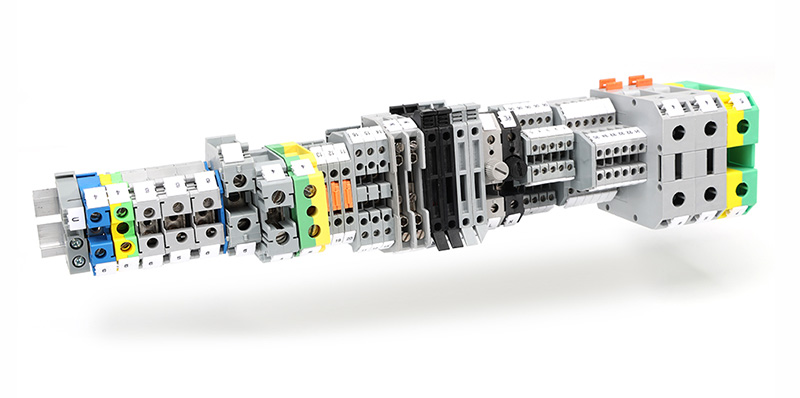
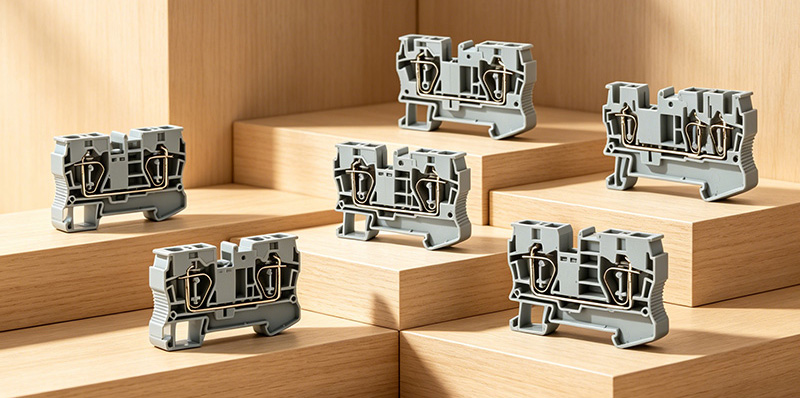
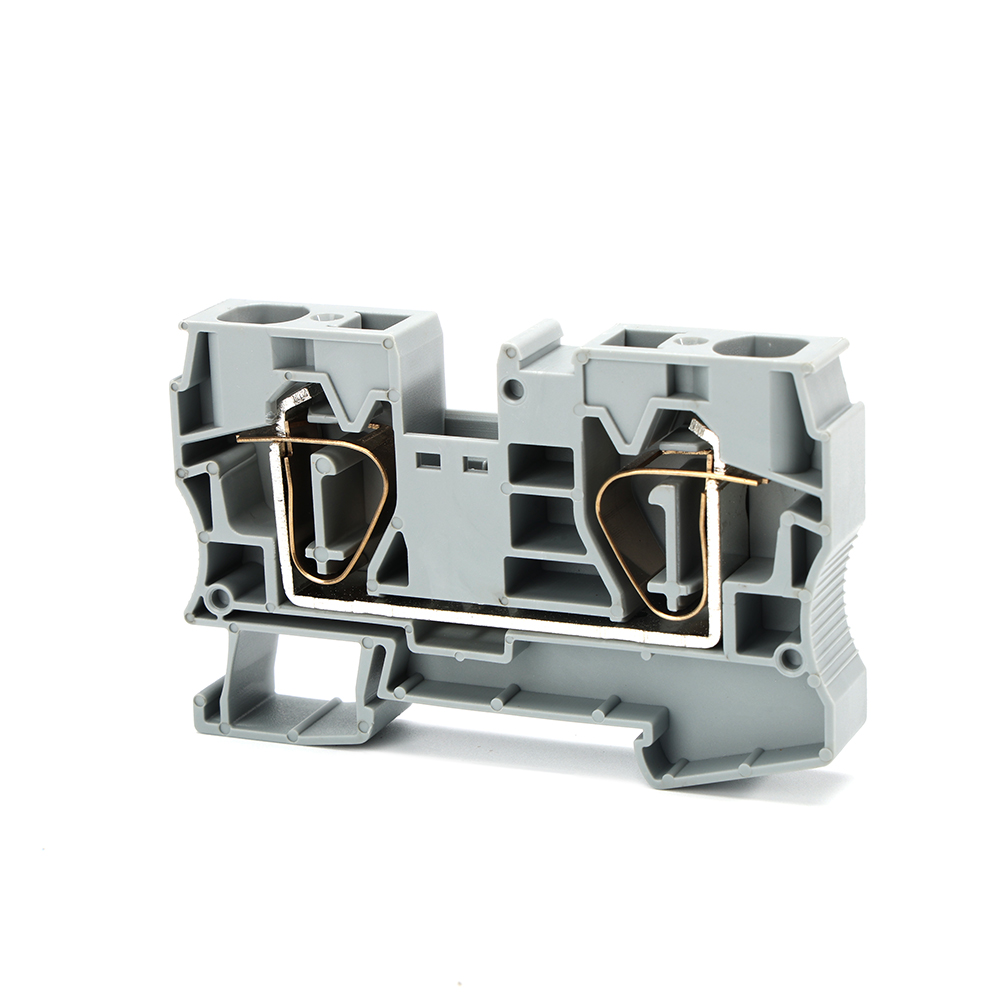
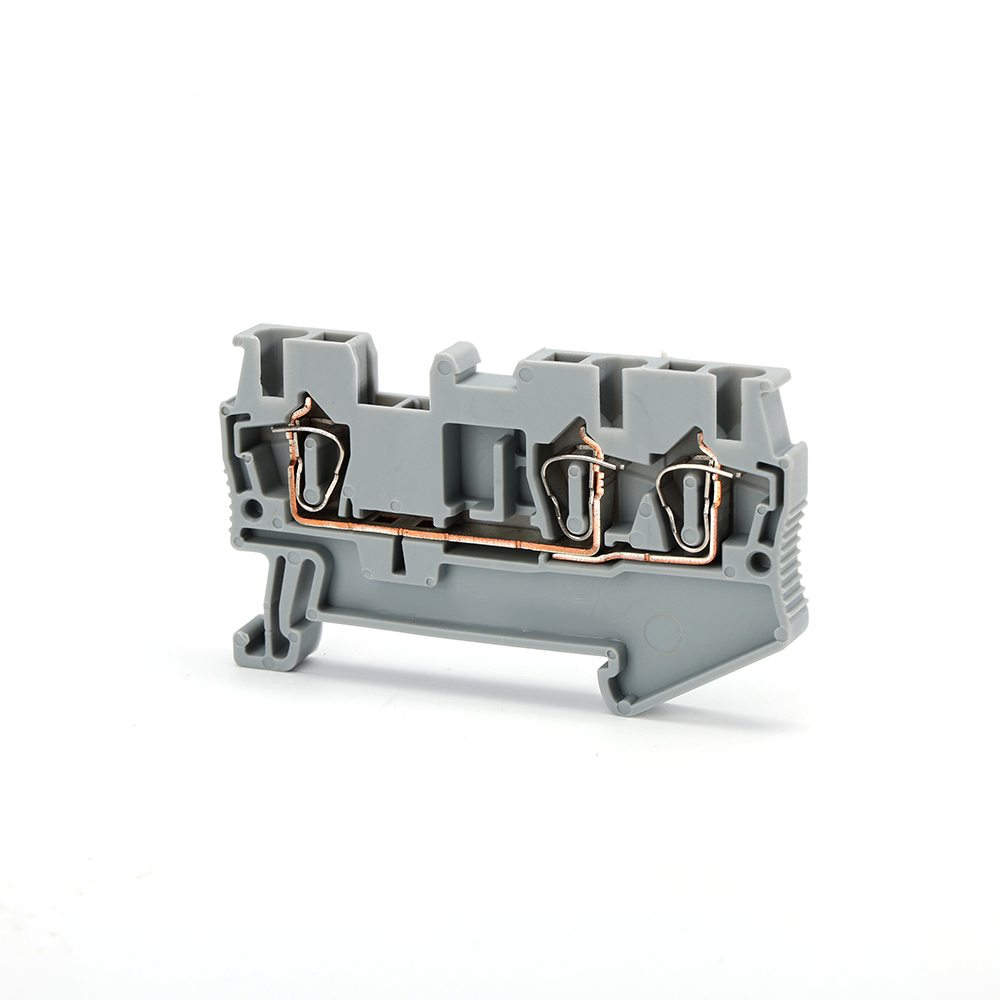
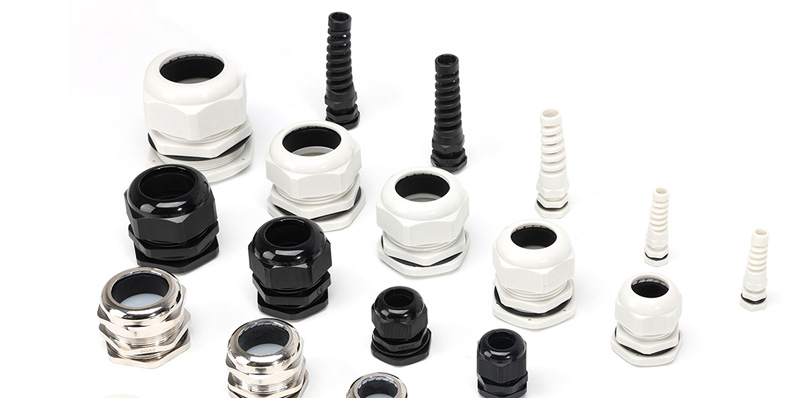
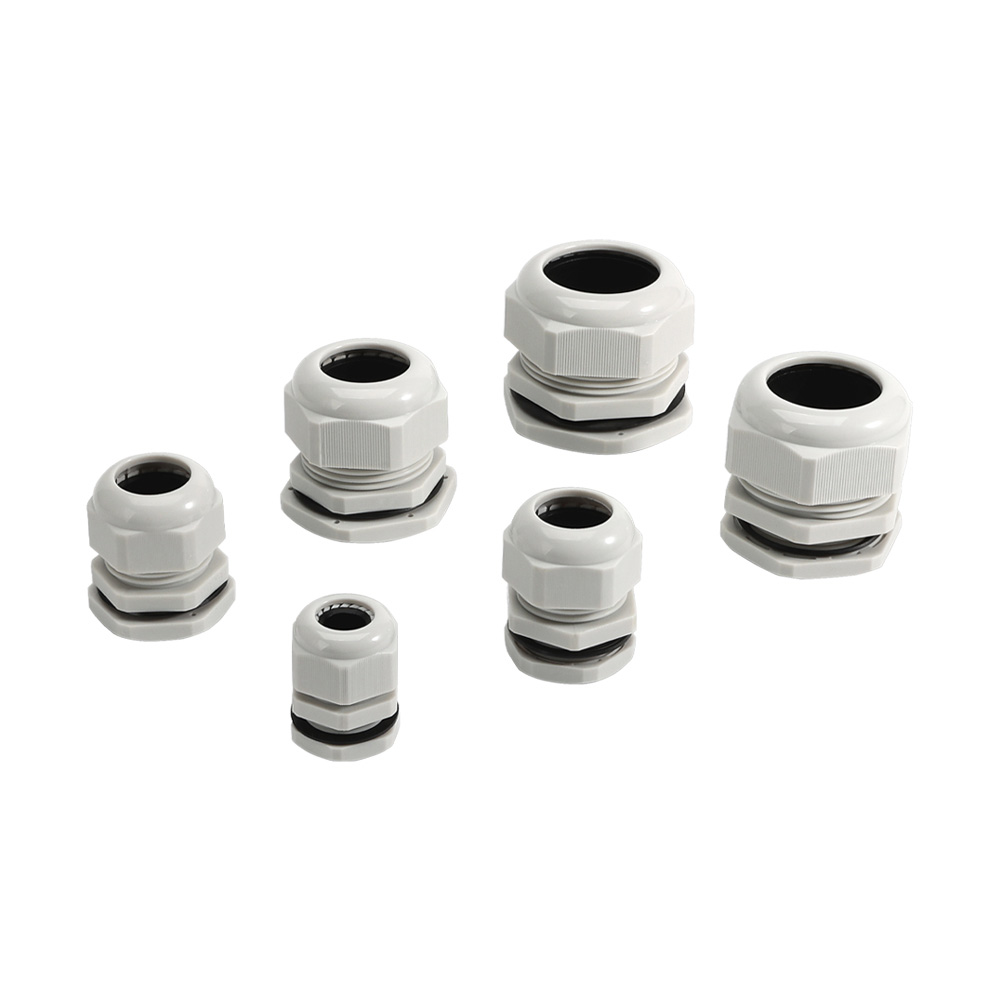
 EN
EN  PT
PT 