

Choosing the right terminal block for Din Rail can be tricky. This guide helps you select safe, reliable, and efficient blocks for industrial panels or new control systems.
How To Select A Terminal Block For Din Rail
Choosing the right terminal block for Din Rail isn’t just about picking a product off the shelf. It’s about understanding your system, your wiring needs, and ensuring reliability for years to come. Let’s break it down into six critical factors that every procurement professional should consider.
Current and Voltage Ratings
One of the first things you need to check is the current and voltage rating of the terminal block. Each block is designed to handle a specific range of electrical loads, and exceeding these limits can lead to overheating, connection failure, or even fire hazards.
Think of it this way: you wouldn’t use a garden hose to handle industrial water pressure, right? Similarly, your terminal block must match or exceed your system’s requirements. For example, a high-power motor panel may require blocks rated at 60A or more, while a small sensor array might only need 10A.
Connection Method
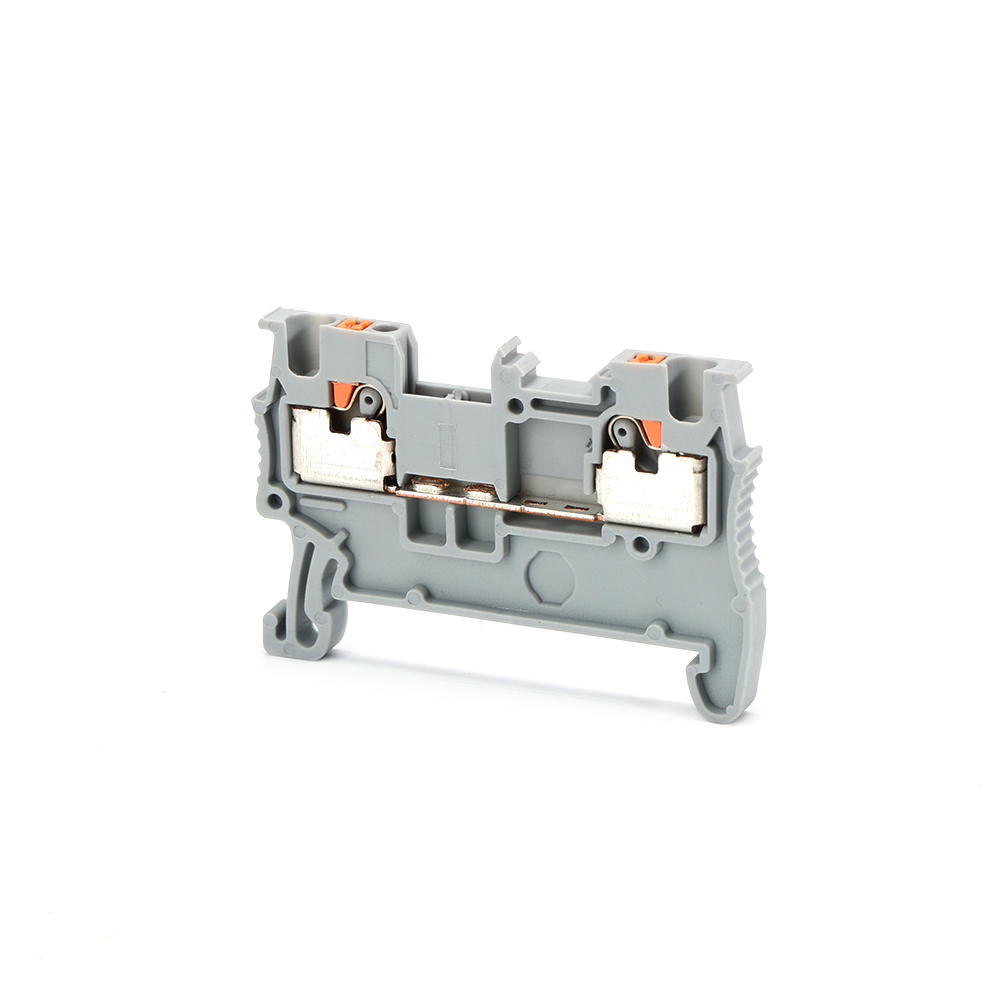
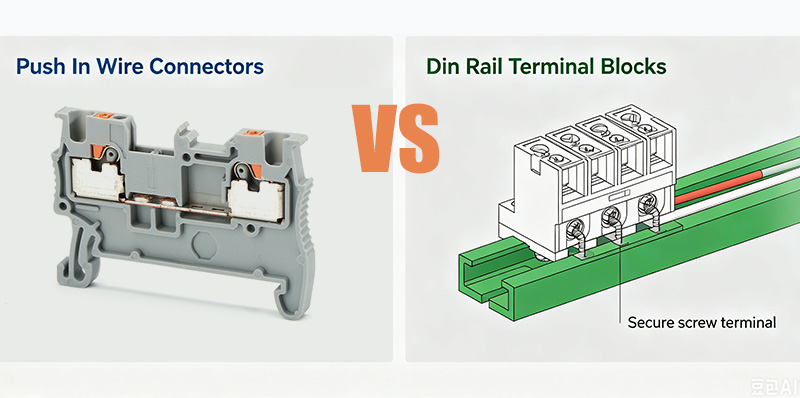
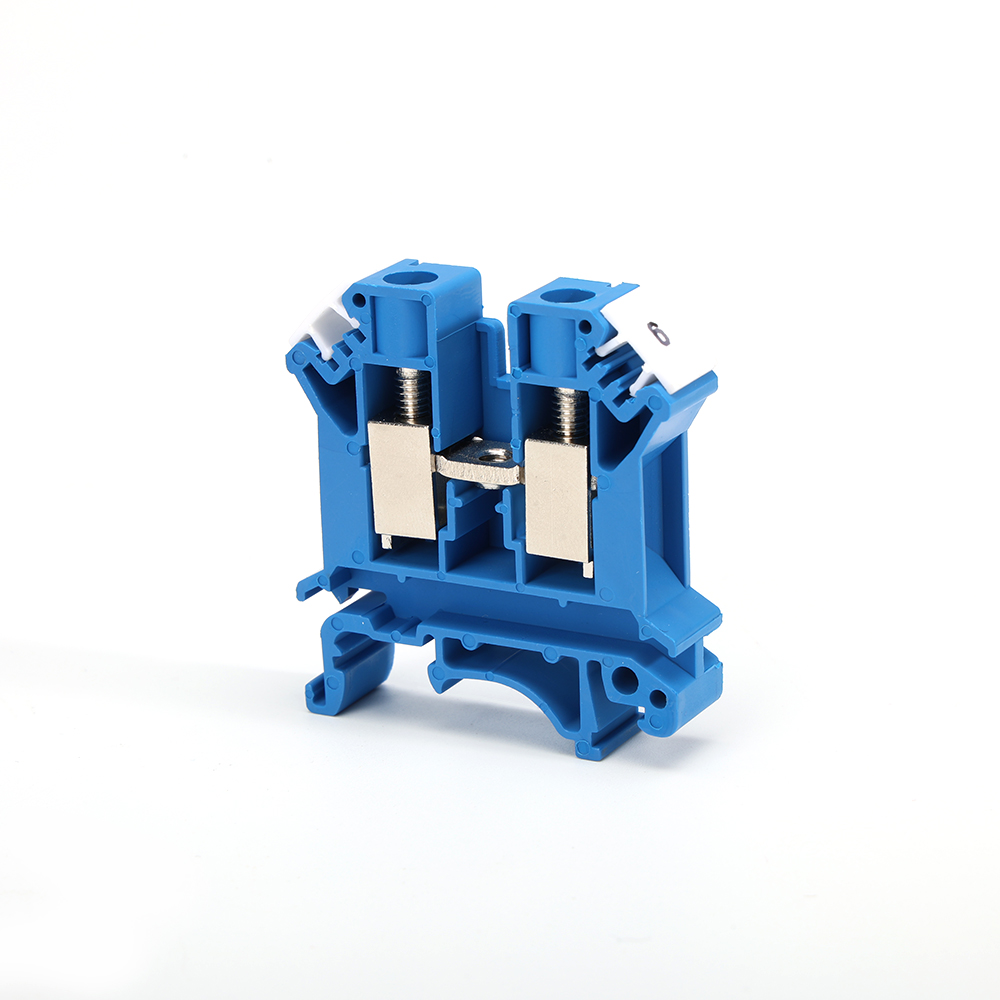
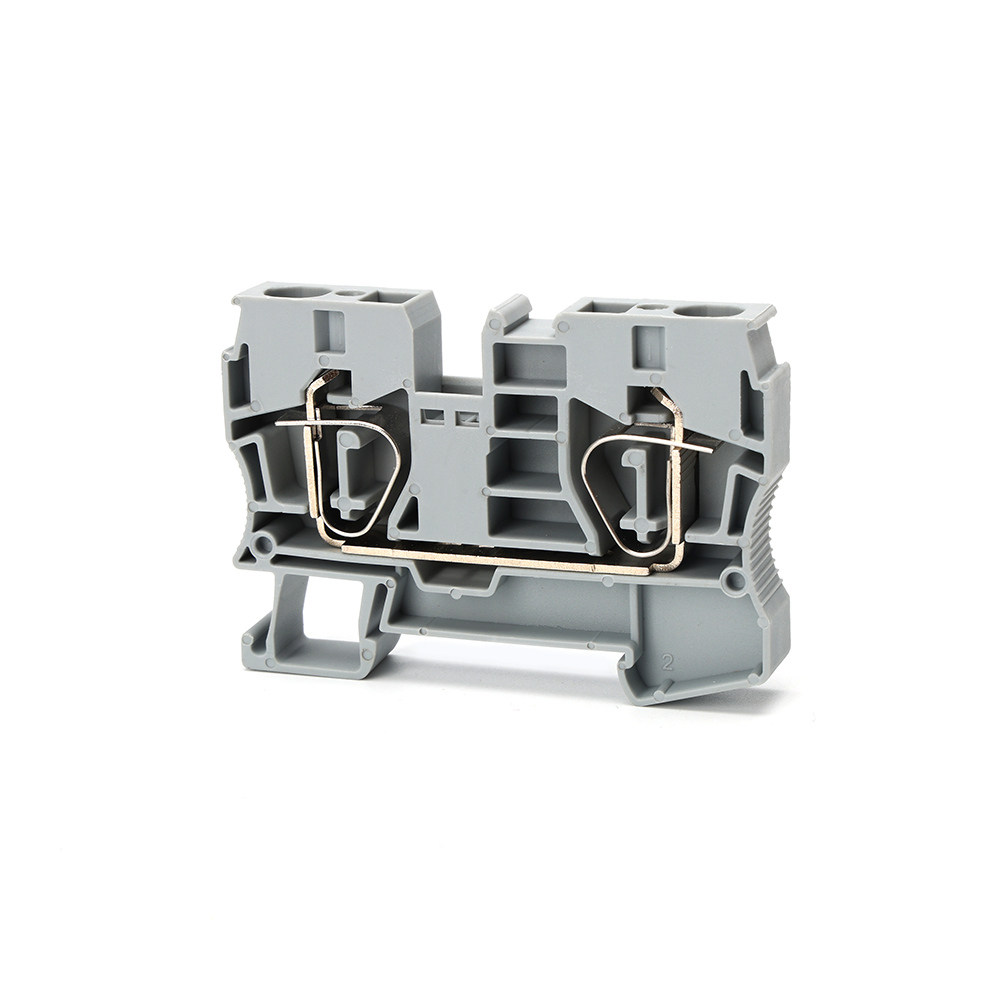
Next up, consider the connection method. You mainly have two choices: screw terminals and push-in terminals.
Screw terminals are traditional, extremely reliable, and ideal for heavy-duty applications. They hold wires firmly and can withstand vibration. However, installation can take longer, especially if you’re dealing with hundreds of connections.
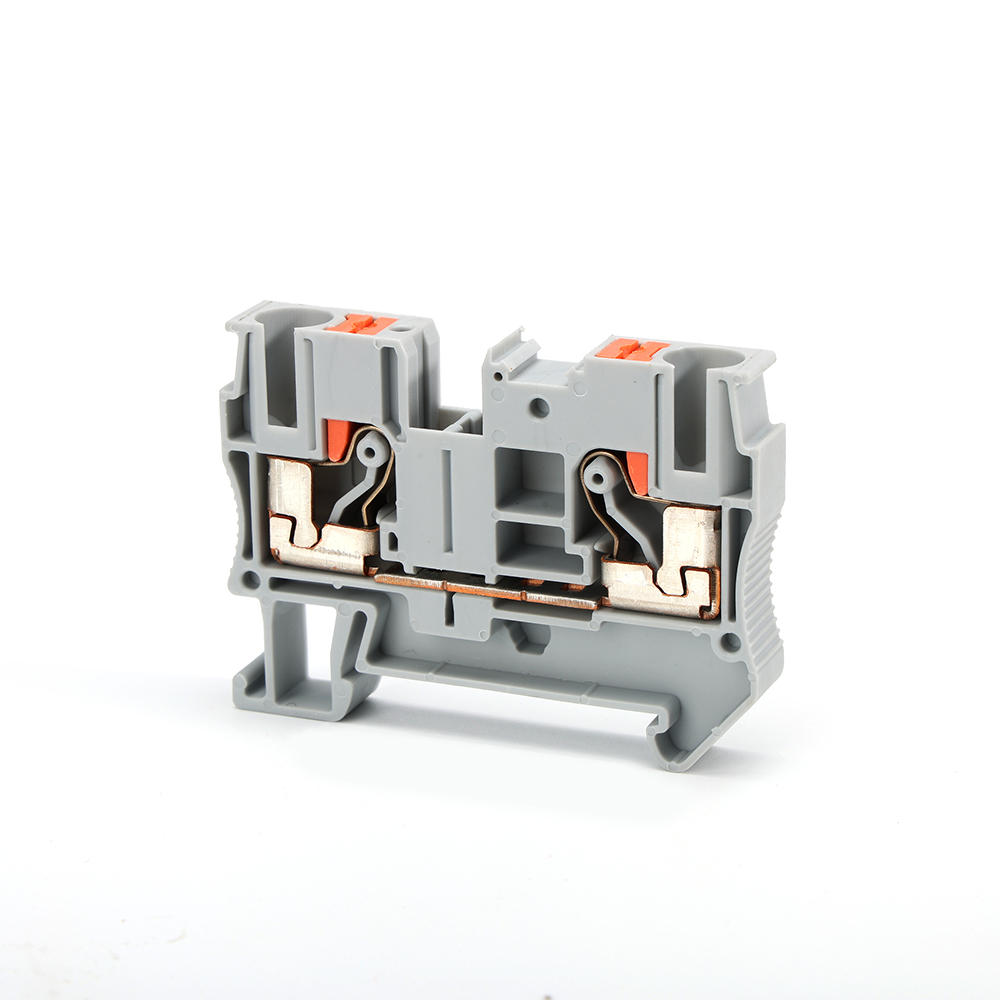
Push-in terminals, on the other hand, are designed for speed. Wires slide in easily, and no tools are needed. They’re perfect if you expect frequent maintenance or rapid panel modifications.
Here’s a simple tip: combine the two methods wisely. Use screw terminals for high-current or critical circuits and push-in terminals for low-current signals or sensors. This strategy balances speed and reliability.
Space
Physical space often gets overlooked, but it’s crucial. Are you designing a compact panel or a large industrial board? Panel space constraints can dictate your terminal block choice.
Compact terminal blocks save room without compromising connection quality. Multi-level blocks allow stacking wires vertically, which is excellent for dense wiring setups. Always measure your panel, and plan for future expansion. You don’t want to upgrade your panel in a year only to realize your terminal blocks can’t handle extra circuits.
Modular or Multi-Level Blocks
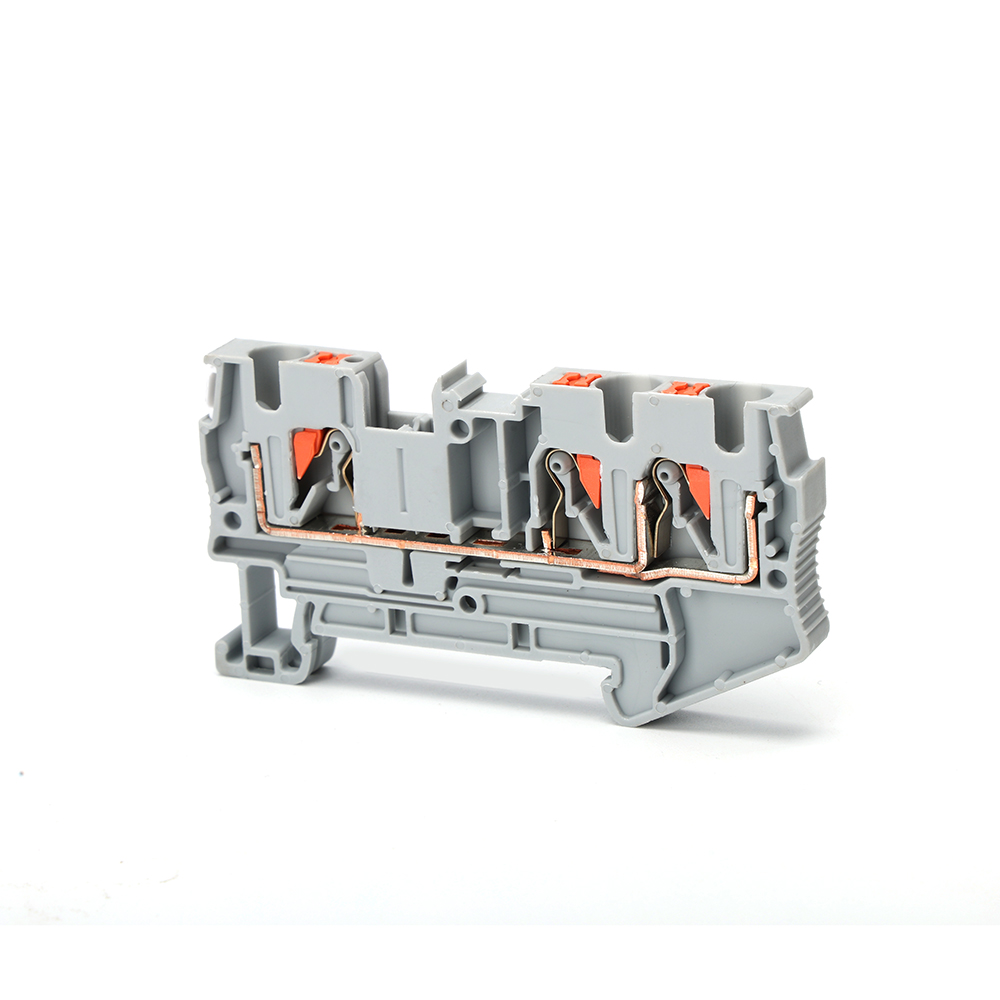
When your panel has complex circuits, modular or multi-level terminal blocks can be a game-changer. These blocks let you stack connections in layers, keeping your wiring organized and accessible.
Imagine running multiple signal lines for automation sensors or relay controls—multi-level blocks make it clean and manageable. Modular designs also make replacements easier. Instead of rewiring the whole panel, you can just swap out a single module, saving both time and labor costs.
Environmental Factors
Industrial environments aren’t always forgiving. Dust, moisture, temperature fluctuations, and vibrations can all affect your terminal blocks’ performance. That’s why environmental factors matter when selecting a block.
Look for blocks with proper certifications—UL, CE, or IP-rated housings for dust and water resistance. Consider materials like flame-retardant plastics or corrosion-resistant metals for harsh environments. Choosing the right block now prevents failures later, especially in remote or hard-to-access panels.
 Durability
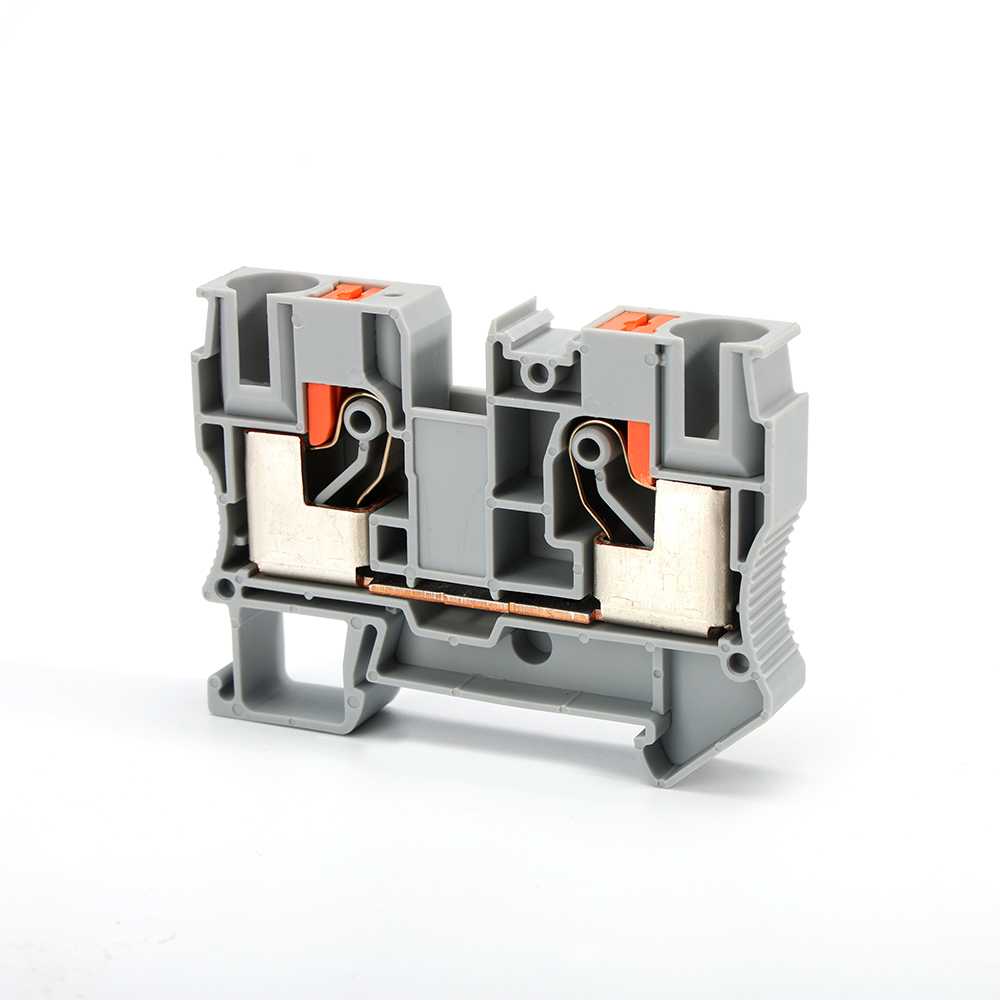
Finally, think long-term. Durability is more than just material quality—it includes design reliability, resistance to wear, and consistent performance over time.
A durable DIN Rail terminal block reduces maintenance, avoids unplanned downtime, and ensures your panel keeps operating safely. Westlec, for instance, uses tested industrial-grade components that maintain performance even under continuous high-load conditions.
Din Rail Terminal Block Types
Understanding the different Din Rail terminal block types is crucial before making a purchase.
| Type | Connection Method | Wire Size Range | Current Rating | Recommended Applications | Advantages |
|---|---|---|---|---|---|
| Screw Terminal Block | Screw | 0.5–16 mm² | 0–60A | Industrial Panels | Reliable, strong, inspectable |
| Push-In Terminal Block | Spring | 0.5–10 mm² | 0–40A | Automation, Control | Fast, tool-free, efficient |
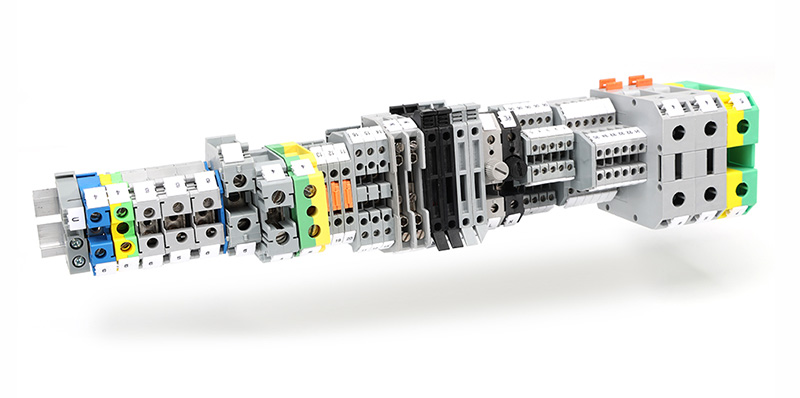
| Modular / Multi-Level | Screw/Spring | 0.5–16 mm² | 0–60A | Complex Panels | Flexible, space-saving |
| Compact Terminal Block | Screw/Spring | 0.5–10 mm² | 0–32A | Small Panels | Compact, organized |
Industrial Terminal Block Din Rail Applications
Knowing where your industrial terminal block DIN Rail will be used helps narrow your choices.
- Automation and control systems rely on terminal blocks that maintain consistent connections under vibration and frequent signal changes.
- Distribution boards and control panels benefit from modular blocks that save space and keep wiring organized.
- Machinery panels, particularly in factories, need high-current-rated screw terminals to handle power loads safely.
- Custom applications may require push-in blocks with LED indicators for troubleshooting and monitoring.
 Installation and Wiring Tips
Installing electrical connectors for Din Rail correctly is critical. Here are practical tips:
- Always check the DIN Rail rating and mounting type before installation.
- For screw terminals, tighten to the recommended torque to prevent loose connections.
- Push-in terminals are convenient but ensure wires are stripped correctly and inserted fully.
- Keep labeling consistent. Color-coded or numbered markers reduce maintenance errors.
- Avoid overcrowding. Leave sufficient space for heat dissipation.
- Inspect connections periodically, especially in high-vibration or high-load applications.
Tip: Many Westlec panels come pre-configured with terminal blocks, providing a reference for best practices and easing installation for first-time installers.
Choosing a Terminal Block Supplier
Selecting a reliable terminal block supplier ensures that your investment lasts.
- Prioritize suppliers that provide quality certifications and tested components.
- Look for flexibility in customization and modular solutions, especially if your panels have unique requirements.
- Evaluate delivery speed and inventory management—fast shipping can save downtime.
- Consider suppliers with strong after-sales support, including documentation, tutorials, and technical assistance.
- Real customer reviews and case studies are invaluable for trust.
Westlec, for example, has worked with industrial clients worldwide, providing not only high-quality DIN Rail terminal blocks but also technical guidance and reliable logistics support.
FAQ
What is the difference between screw and push-in terminal blocks?
Screw terminals are traditional and secure; push-in terminals are faster and tool-free.
Can I use a terminal block for high current applications?
Yes, but ensure it’s rated for your system’s amperage and has proper certification.
What types of DIN Rail terminal blocks are best for industrial panels?
Screw, push-in, modular, and compact types—choose based on load, space, and complexity.
How to find a reliable terminal block supplier?
Check certifications, customization options, inventory, delivery, and after-sales support.
Are push-in terminal blocks durable for industrial use?
Yes, when used within rated current and proper environmental conditions.
Are compact terminal blocks suitable for automation panels?
Yes, ideal for panels with limited space and complex wiring.
How to maintain DIN Rail terminal blocks?
Regular inspection, tightening screws, and checking for corrosion.
What are common mistakes when selecting terminal blocks?
Ignoring current rating, environmental factors, or panel space limitations.
Can I use DIN Rail terminal blocks in harsh environments?
Yes, choose blocks with proper material certifications like UL, CE, or IP-rated housing.
What wire sizes are compatible with push-in terminal blocks?
Typically 0.5–10 mm², depending on the specific model.
What is the advantage of modular terminal blocks?
They allow easy expansion and organized wiring in complex systems.
How do I know if a supplier is trustworthy?
Check references, certifications, delivery reliability, and after-sales support.
Can I mix screw and push-in terminals in the same panel?
Yes, but plan layout carefully for consistent wiring practices.
Do suppliers offer custom terminal block configurations?
Many industrial suppliers, including Westlec, offer tailored solutions.
What are key specifications to check before buying terminal blocks?
Current rating, voltage rating, connection type, wire size compatibility, and environmental certifications.
Conclusion
Selecting the right terminal block for Din Rail doesn’t have to be complicated. Focus on your panel’s load, space, and environmental needs, choose the appropriate type—screw, push-in, modular, or compact—and partner with a trustworthy terminal block supplier like Westlec to ensure safety and reliability. By following these guidelines, you can save time, reduce errors, and create industrial panels that perform flawlessly. Take action today and upgrade your
 EN
EN  PT
PT