


When selecting electrical terminals for industrial equipment, automotive wiring, control panels, or household appliances, understanding the difference between a male disconnect terminal and a female wire terminal connector is essential. Choosing the wrong connector can lead to poor electrical contact, difficult maintenance, or even system failure.
In addition, buyers often need to decide between an Insulated Crimp Connector and a Non Insulated Terminal Connector based on safety requirements, environmental conditions, and budget. This guide explains the major differences, common applications, and selection criteria to help you choose the right terminal connector for your project.
Male Disconnect Terminal Vs Female Wire Terminal Connector
Although male and female terminals are designed to work together, they serve different purposes within an electrical connection system.
Definition
A Male Disconnect Terminal features a protruding blade, tab, or pin that inserts into a corresponding female connector. It acts as the “plug” side of the connection.
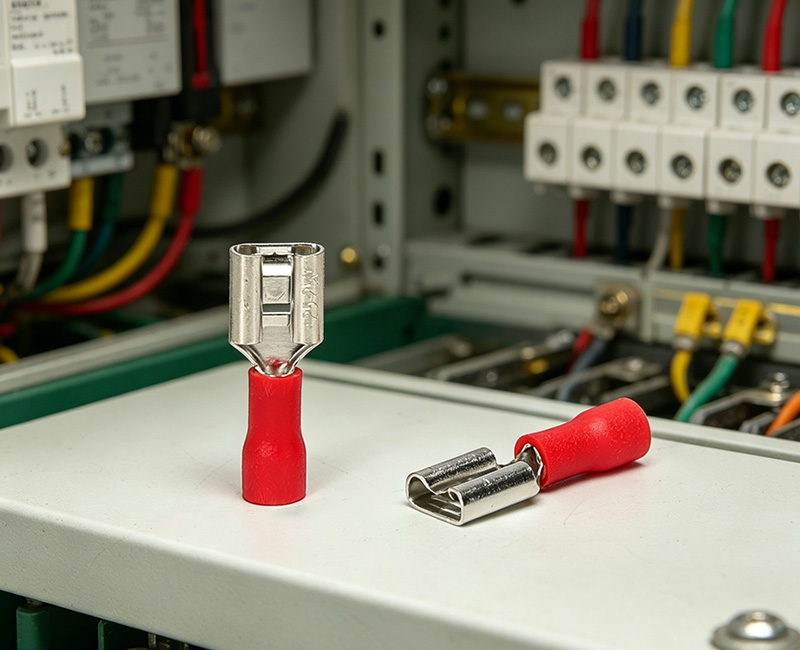 A Female Wire Terminal Connector contains a receptacle or socket that accepts the male terminal. It functions as the receiving side and often provides additional protection against accidental contact.
Together, they create a secure mechanical and electrical connection that can be connected or disconnected when necessary.
In many automotive and industrial applications, you will find both terminals used as a matched pair within wiring harnesses and control systems.
Structure
The physical design is the most obvious difference between the two connectors.
| Feature | Male Disconnect Terminal | Female Wire Terminal Connector |
|---|---|---|
| Contact Design | Blade or Pin | Socket or Receptacle |
| Connection Method | Inserts Into Female Terminal | Receives Male Terminal |
| Exposure Level | More Exposed | More Protected |
| Installation | Easy Plug-In | Secure Retention |
| Safety Level | Moderate | Higher |
Male terminals are usually manufactured with flat blades or round pins. Female terminals contain spring-loaded metal contacts that grip the male component tightly.
This simple design creates a reliable connection while allowing easy maintenance.
Function
The primary purpose of both terminals is to transmit electrical current safely and efficiently.
A male terminal initiates the connection by inserting into the female side. The female terminal then applies contact pressure to maintain conductivity.
This arrangement offers several advantages:
- Fast installation and replacement
- Reliable electrical continuity
- Reduced wiring complexity
- Easy maintenance access
- Compatibility with standardized systems
For example, in an automotive wiring harness, technicians can quickly disconnect sensors, switches, or relays without cutting wires.
Safety
Safety is often a deciding factor when selecting terminal connectors.
Female connectors generally provide greater protection because the conductive metal is enclosed inside the receptacle. This reduces the likelihood of accidental contact.
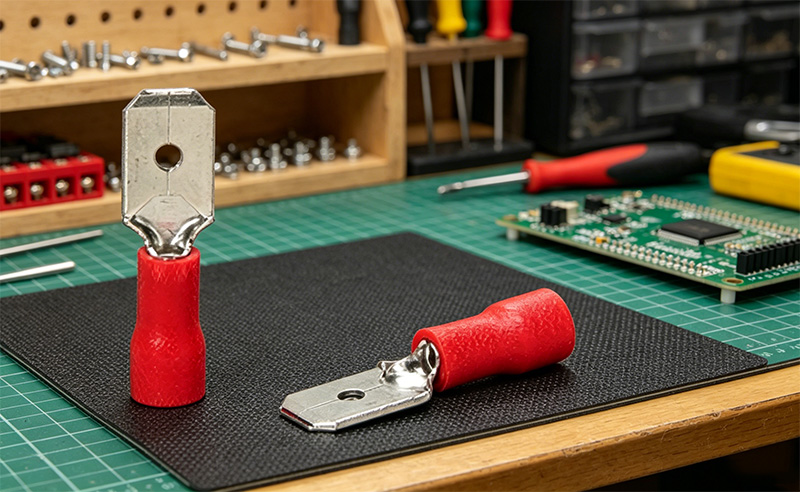
Male terminals, by contrast, expose part of the conductive surface and may require additional protection in certain applications.
Many engineers prefer female connectors on power-supply sides because they help prevent accidental shorts during maintenance.
According to recommendations from the National Electrical Manufacturers Association (NEMA) and the International Electrotechnical Commission (IEC), protected electrical contacts improve operational safety in industrial environments.
Useful references:
- NEMA Electrical Standards
- IEC Connector Safety Guidelines
Common Uses
Male and female terminal connectors appear in nearly every electrical industry.
Common applications include:
- Automotive wiring harnesses
- Industrial control cabinets
- HVAC equipment
- Household appliances
- Renewable energy systems
- Marine electrical systems
A purchasing manager sourcing connectors for a commercial refrigeration manufacturer once switched from generic terminals to precision-stamped terminals. The result was a measurable reduction in service calls caused by loose electrical connections. Small connector upgrades often create significant long-term reliability improvements.
Insulated Crimp Connector Vs Non Insulated Terminal Connector
After deciding whether you need male or female terminals, the next consideration is insulation.
What Is An Insulated Crimp Connector?
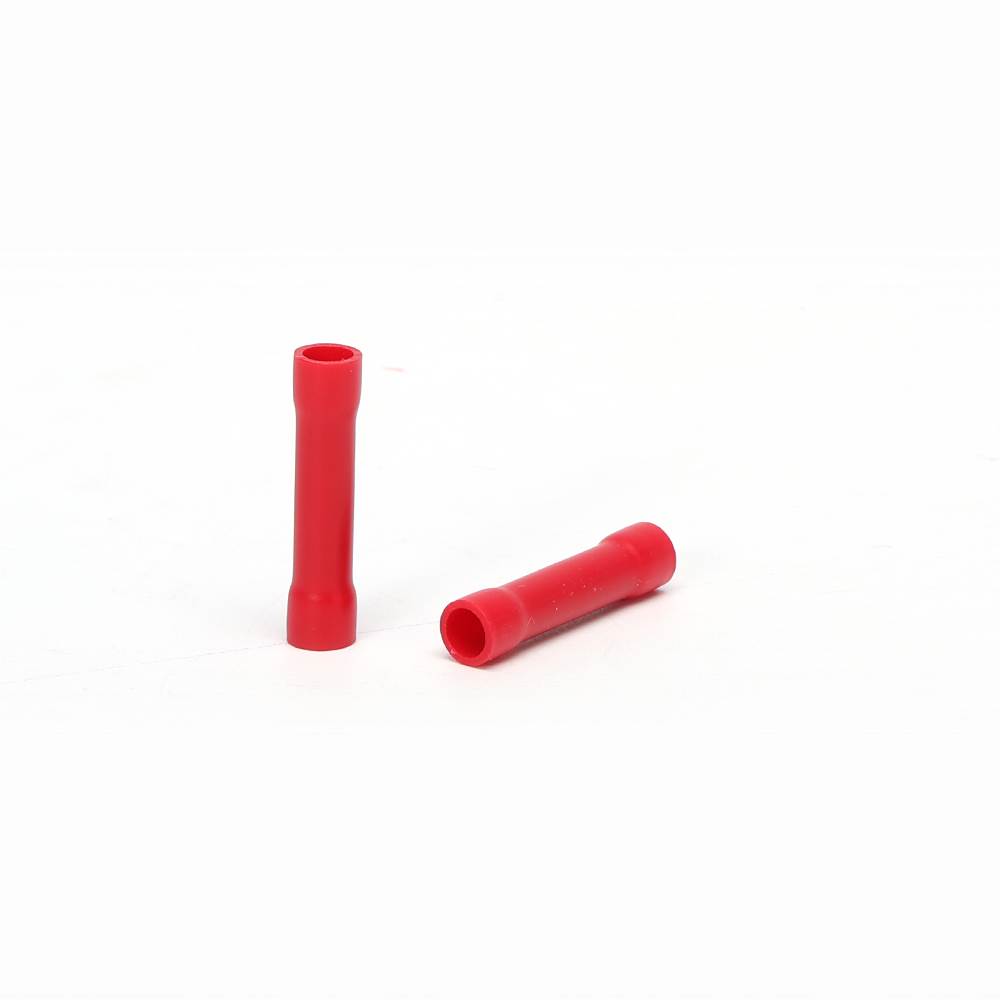
An Insulated Crimp Connector includes a protective sleeve made from PVC, nylon, or other insulating materials surrounding the conductive metal barrel.
The insulation performs multiple functions:
- Prevents accidental contact
- Reduces short-circuit risk
- Improves corrosion resistance
- Provides color-coded identification
- Enhances durability
Most insulated connectors follow standard color coding:
| Color | Wire Range |
|---|---|
| Red | 22–16 AWG |
| Blue | 16–14 AWG |
| Yellow | 12–10 AWG |
This makes installation faster and reduces wiring errors.
What Is A Non Insulated Terminal Connector?
A Non Insulated Terminal Connector consists only of the conductive metal component without a protective covering.
These connectors are commonly manufactured from:
- Tin-plated copper
- Brass
- Phosphor bronze
- Electrolytic copper
Because there is no insulating layer, they offer excellent conductivity and are often used in high-performance applications.
Many professionals add heat shrink tubing after crimping to create customized insulation.
Key Differences Between Insulated And Non-Insulated Connectors
| Feature | Insulated Crimp Connector | Non Insulated Terminal Connector |
|---|---|---|
| Safety | High | Moderate |
| Cost | Higher | Lower |
| Conductivity | Excellent | Slightly Better |
| Corrosion Protection | Better | Requires Additional Protection |
| Appearance | Color Coded | Bare Metal |
| Installation | Easier | Requires More Care |
In general, insulated connectors are preferred for exposed wiring, while non-insulated terminals are frequently used inside enclosed electrical systems.
If you are purchasing connectors for outdoor equipment, insulated products usually provide a better long-term return on investment.
Common Types Of Male And Female Terminal Connectors
Different applications require different connector designs.
Understanding the most common types helps buyers select the most suitable solution.
Male And Female Quick Disconnect Terminals
Quick disconnect terminals are among the most widely used connector types.
These terminals allow wires to be connected or disconnected without special tools.
Benefits include:
- Fast assembly
- Easy maintenance
- Reduced downtime
- Reliable retention force
- Cost-effective installation
They are extensively used in automotive manufacturing, HVAC systems, and industrial machinery.
Male And Female Spade Connectors
Spade connectors, also known as fork terminals, are designed for screw terminals and terminal blocks.
The fork-shaped opening allows installation without completely removing the screw.
Advantages include:
- Faster servicing
- Convenient installation
- Strong electrical contact
- Easy replacement
- Excellent vibration resistance
Control panels frequently utilize spade connectors because maintenance technicians can work more efficiently.
Bullet Connectors
Bullet connectors feature cylindrical male and female mating components.
They are commonly used where compact size and vibration resistance are important.
Typical applications include:
- Motorcycle wiring
- Automotive lighting
- Audio systems
- Agricultural equipment
- Marine wiring
Their streamlined design makes them popular in confined spaces.
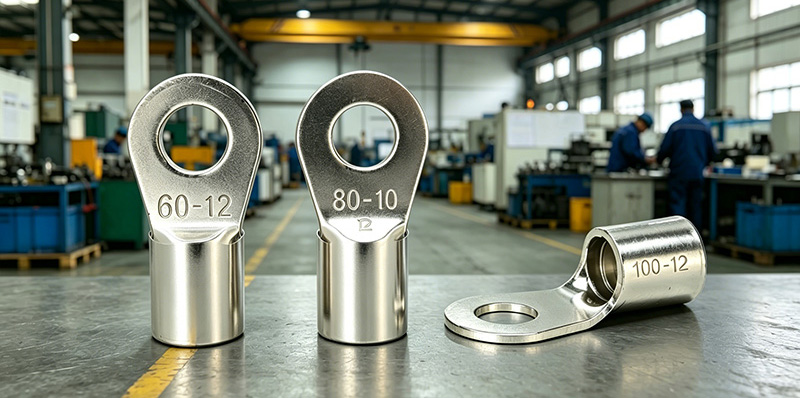
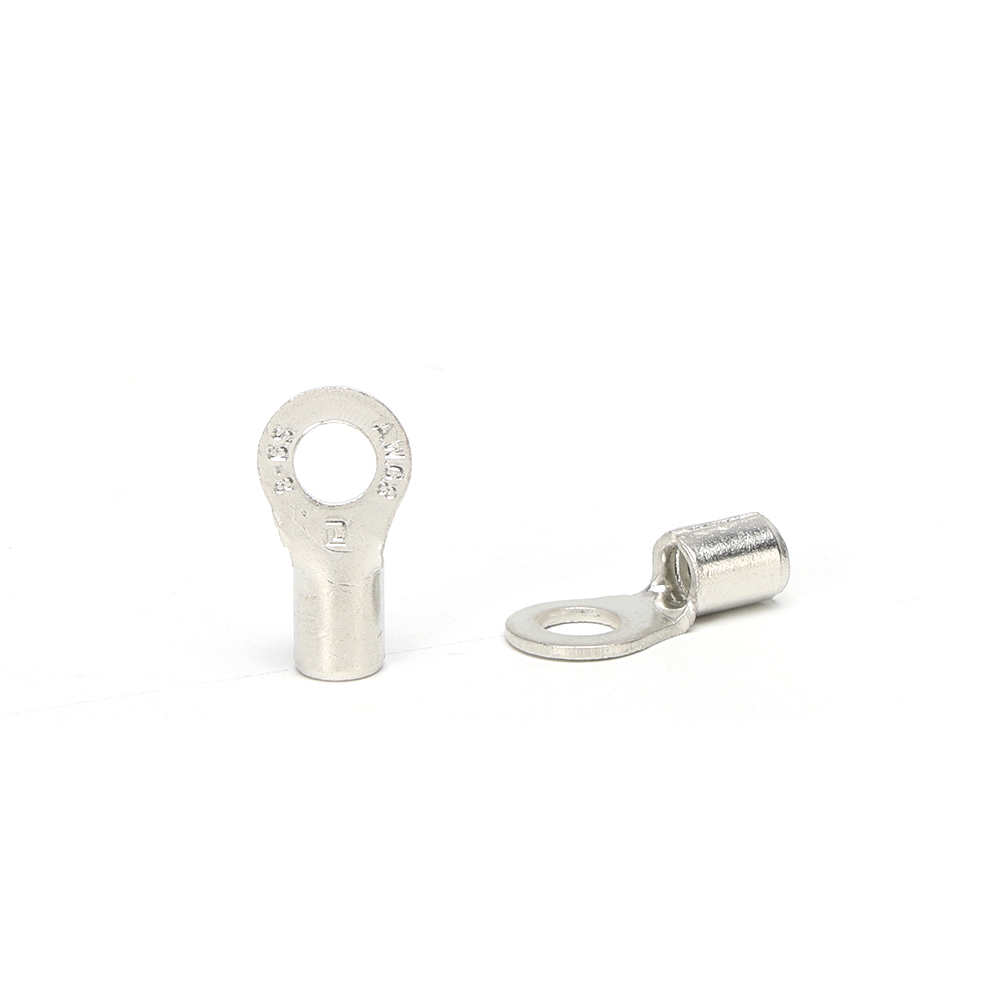
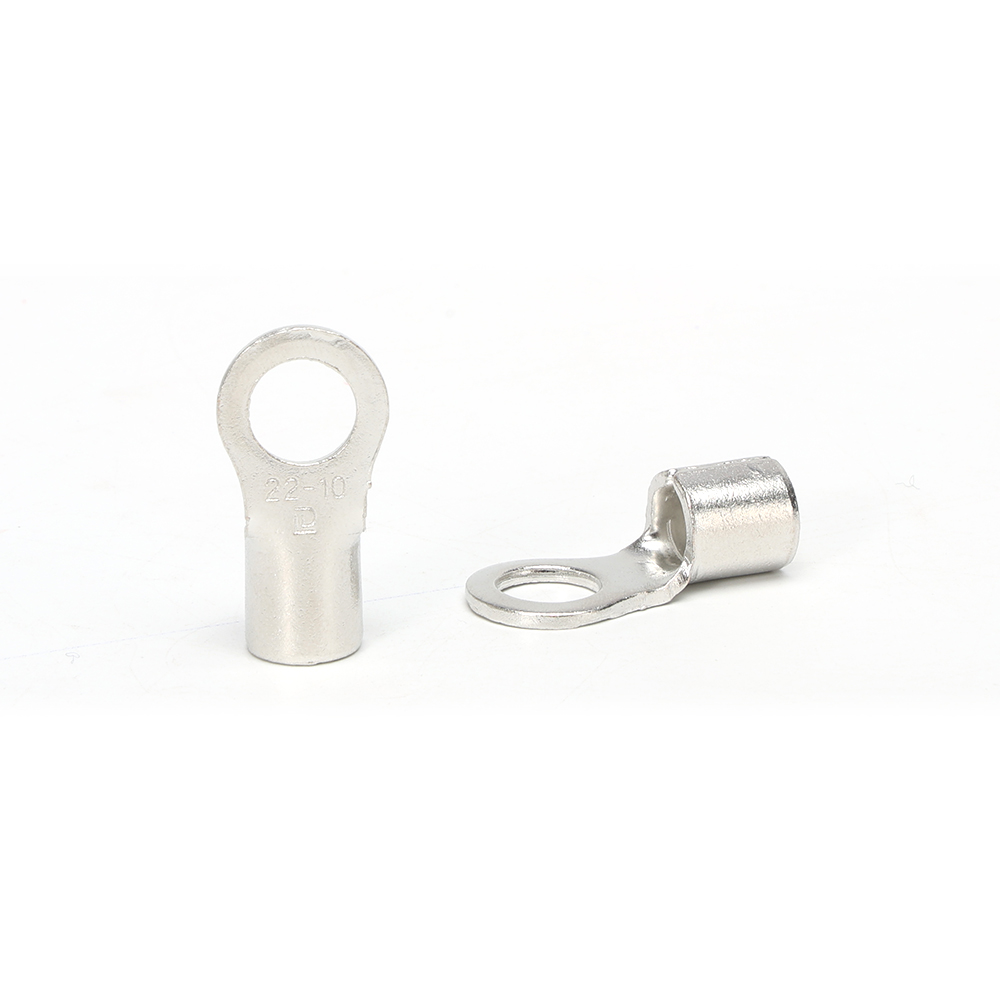
Ring Terminals
Ring terminals provide one of the most secure electrical connections available.
The ring completely surrounds the fastening screw or stud, preventing accidental disconnection.
Benefits include:
- High reliability
- Strong vibration resistance
- Excellent current carrying capacity
- Long service life
- Secure fastening
Battery connections often rely on ring terminals due to their stability.
Blade Terminals
Blade terminals use flat conductive blades designed for quick insertion into compatible connectors.
They are commonly found in:
- Fuse panels
- Electrical distribution systems
- Appliances
- Industrial controls
- Switch assemblies
Their simplicity and efficiency make them a popular choice in mass-production environments.
How To Choose The Right Terminal Connector
Selecting the proper connector involves more than simply choosing a male or female terminal.
Several factors influence performance and reliability.
Consider Wire Size
Always match the connector to the wire gauge.
Using an oversized connector may create weak crimps, while undersized connectors can damage conductors and increase resistance.
Common wire ranges include:
- 22–16 AWG
- 16–14 AWG
- 12–10 AWG
- 8–6 AWG
Manufacturers such as Westlec provide connector specifications that clearly indicate compatible wire sizes.
Consider Current Rating
Electrical current directly affects terminal selection.
Higher-current circuits require larger contact areas and heavier materials to prevent overheating.
Always verify:
- Maximum current
- Voltage rating
- Temperature limits
- Material conductivity
- Compliance requirements
Consider Environmental Conditions
The operating environment has a major impact on connector performance and lifespan.
If your equipment operates in harsh conditions, connector selection becomes even more critical. Moisture, dust, chemicals, vibration, and extreme temperatures can all affect electrical reliability.
For outdoor installations or marine applications, Insulated Terminal Connectors are generally recommended because they provide additional protection against corrosion and accidental contact.
You should evaluate:
- Exposure to moisture
- Exposure to dust and debris
- Temperature fluctuations
- Chemical resistance requirements
- Vibration levels
For example, a solar energy contractor working on rooftop photovoltaic systems often chooses insulated terminals with heat-shrink protection. Although the initial cost is slightly higher, the reduction in maintenance and replacement costs can be substantial over the system’s lifetime.
Consider Installation Method
Different terminals require different installation techniques.
The most common methods include:
- Crimping
- Soldering
- Heat-shrink protection
- Mechanical fastening
- Combination crimp-and-solder methods
Crimping remains the preferred method in most industrial environments because it provides consistent electrical performance and allows for high-volume production.
A quality crimping tool is just as important as the connector itself. Even the best Male Disconnect Terminal or Female Disconnect Terminal can fail if improperly crimped.
Many professional assemblers follow standards published by the IPC (Association Connecting Electronics Industries) to ensure reliable crimp quality and long-term performance.
Reference resources:
- IPC Crimping Standards
- UL Electrical Connector Guidelines
- IEC Wiring Practices
FAQ
How Long Do Crimp Terminals Last?
The lifespan of crimp terminals depends on material quality, installation accuracy, and environmental conditions. High-quality copper or brass terminals can last 10–20 years or more in properly protected electrical systems.
How Do I Identify Connector Sizes?
Connector sizes are typically identified by wire gauge (AWG), tab width, barrel diameter, and current rating. Always consult the manufacturer’s specification sheet before purchasing.
Can Male And Female Connectors Be Reused?
Yes, many connectors can be reused if they remain undamaged and maintain proper contact pressure. However, repeated disconnection may eventually reduce retention strength.
Do Insulated Terminals Reduce Conductivity?
No. The insulation surrounds the connector but does not interfere with the conductive metal path. Electrical performance is determined primarily by the terminal material and crimp quality.
Which Connector Is Best For Automotive Wiring?
Quick disconnect terminals, bullet connectors, and ring terminals are among the most common choices for automotive applications. The best option depends on the current load, vibration level, and maintenance requirements.
Are Nylon Terminals Better Than PVC Terminals?
Nylon-insulated terminals generally offer better flexibility, durability, and heat resistance than PVC-insulated terminals. However, PVC terminals are more economical and suitable for many standard applications.
What Color Codes Are Used For Insulated Terminals?
The most common industry color codes are:
| Color | Wire Size |
|---|---|
| Red | 22–16 AWG |
| Blue | 16–14 AWG |
| Yellow | 12–10 AWG |
These colors help installers quickly identify compatible wire sizes.
Can I Use Heat Shrink With Non-Insulated Terminals?
Yes. Many professionals intentionally select a Non Insulated Crimp Terminal and then apply heat-shrink tubing afterward. This approach provides customized insulation and often creates a cleaner finished appearance.
Which Connector Is Best For Vibration Environments?
Ring terminals are typically considered the best option for high-vibration applications because the connection remains mechanically secured around a screw or stud.
Are Insulated Connectors Safer Than Non-Insulated Connectors?
In most situations, yes. Insulated Crimp Connectors provide additional protection against accidental contact, short circuits, and environmental contamination. They are commonly recommended for exposed wiring systems and applications requiring enhanced operator safety.
Conclusion
Understanding the differences between a Male Disconnect Terminal and a Female Wire Terminal Connector is essential when designing reliable electrical systems. While male terminals provide the connecting interface, female terminals deliver secure retention and improved protection. Equally important is choosing between an Insulated Terminal Connector and a Non Insulated Terminal Connector, as each option offers unique advantages depending on your application, budget, and operating environment.
Whether you are sourcing connectors for automotive wiring, industrial control panels, renewable energy systems, or household appliances, selecting the correct terminal improves safety, efficiency, and long-term reliability.
At Westlec, we offer a comprehensive range of Female Disconnect Terminals, Male Disconnect Terminals, Insulated Crimp Connectors, and Non Insulated Crimp Terminals manufactured to meet demanding industrial standards. Contact our team today to request samples, discuss OEM/ODM requirements, or receive expert assistance in selecting the right terminal connector for your next project.
 EN
EN  PT
PT 