


Push in wire connectors are widely used in modern electrical systems because they provide fast, reliable, and tool-free wiring connections. Whether you are working on control panels, lighting systems, or industrial automation wiring, understanding how to correctly use push in wire connectors is essential for safety and long-term performance. This guide explains Push in wire connectors installation steps, definition,working principle,comparison with traditional connectors, and common troubleshooting methods to help ensure stable and code-compliant electrical connections.
Push In Wire Connectors How To Use
Correct installation is critical for safety and performance. Improper wiring can lead to loose connections, overheating, or system failure.
Step 1: Prepare the Wire
Strip the wire insulation carefully using a wire stripper. The recommended stripping length is usually 10–12 mm depending on connector design.
Key points:
● Do not damage copper strands
● Ensure clean, straight conductor end
● Avoid over-stripping insulation
Step 2: Check Wire Compatibility
Push in wire connectors are generally optimized for:
● Solid copper wire (best performance)
● Select stranded wire (if rated by manufacturer)
● Specific wire gauge ranges (commonly 0.5–2.5 mm²)
Using incorrect wire size is one of the most common installation failures.
Step 3: Insert Wire Into Connector
Push the stripped wire directly into the terminal hole until it stops. You should feel slight resistance from the internal spring.
● No twisting required
● No screw tightening needed
● Ensure full insertion depth
Step 4: Verify Connection Stability
Gently pull the wire to confirm it is locked securely. A properly installed connector should hold the wire firmly without movement.
Step 5: Electrical Testing
Before powering the system:
● Check continuity with a multimeter
● Ensure no exposed copper is visible
● Confirm correct polarity in multi-wire setups
Proper installation ensures stable electrical contact and reduces the risk of overheating in long-term operation.
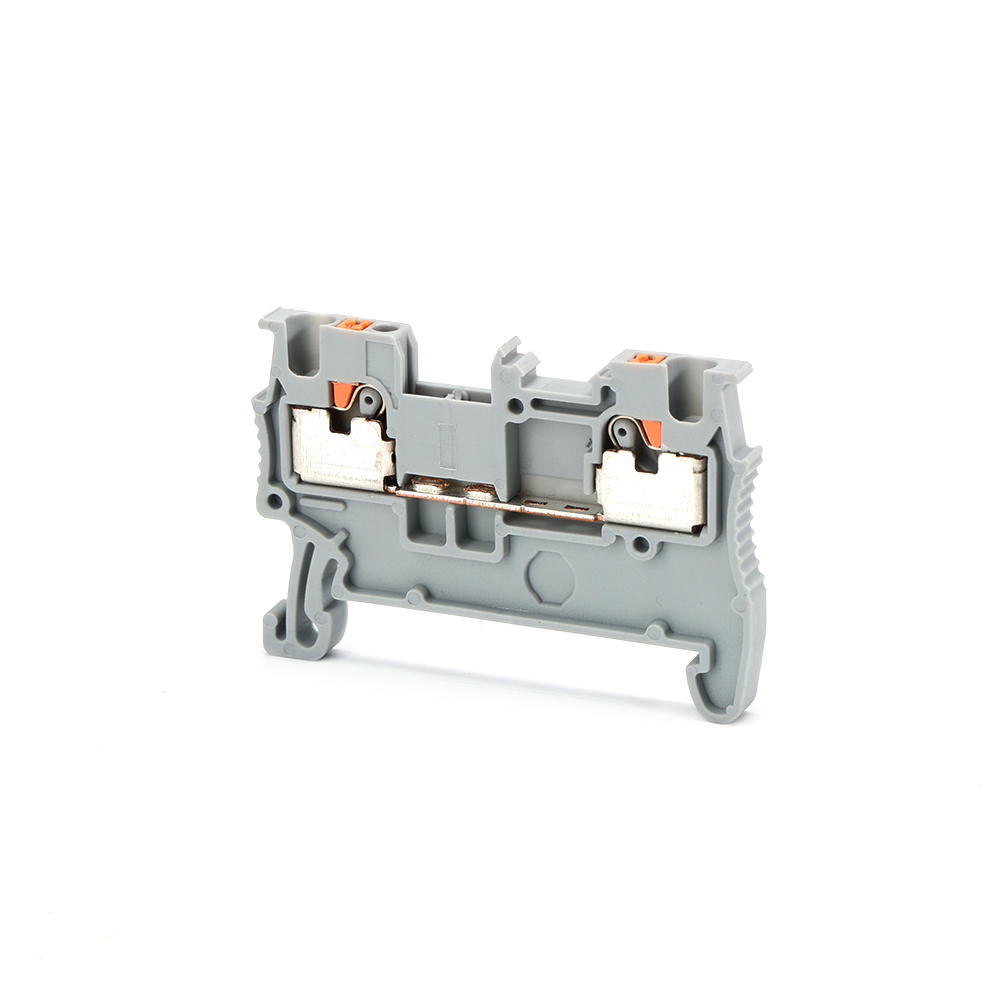
What Are Push In Wire Connectors?
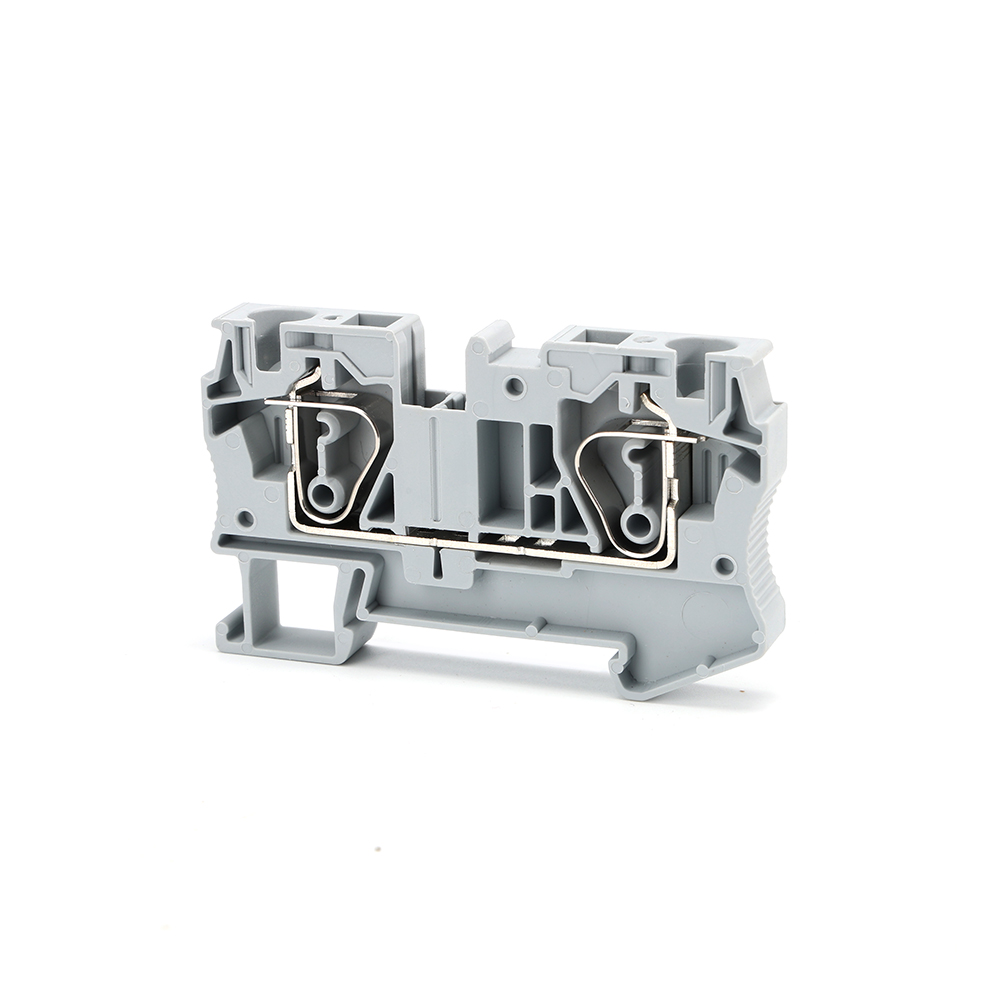
Push in wire connectors (also called push-in terminal connectors or spring clamp connectors) are electrical components designed to connect conductors without screws or twisting. Instead of mechanical tightening, they rely on an internal spring mechanism that holds the wire securely in place.
These connectors are commonly used in:
● Electrical distribution systems
● Control panel wiring
● Junction boxes
● Industrial automation systems
● Lighting circuits
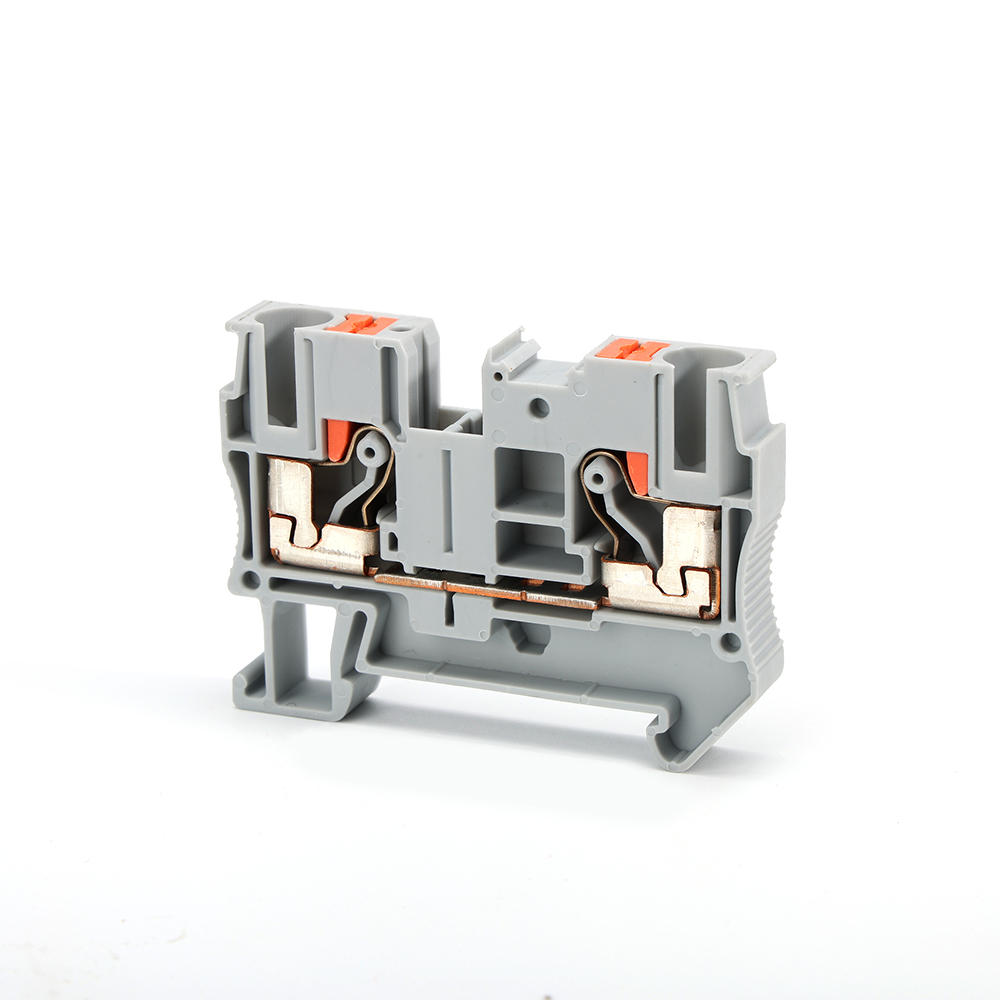
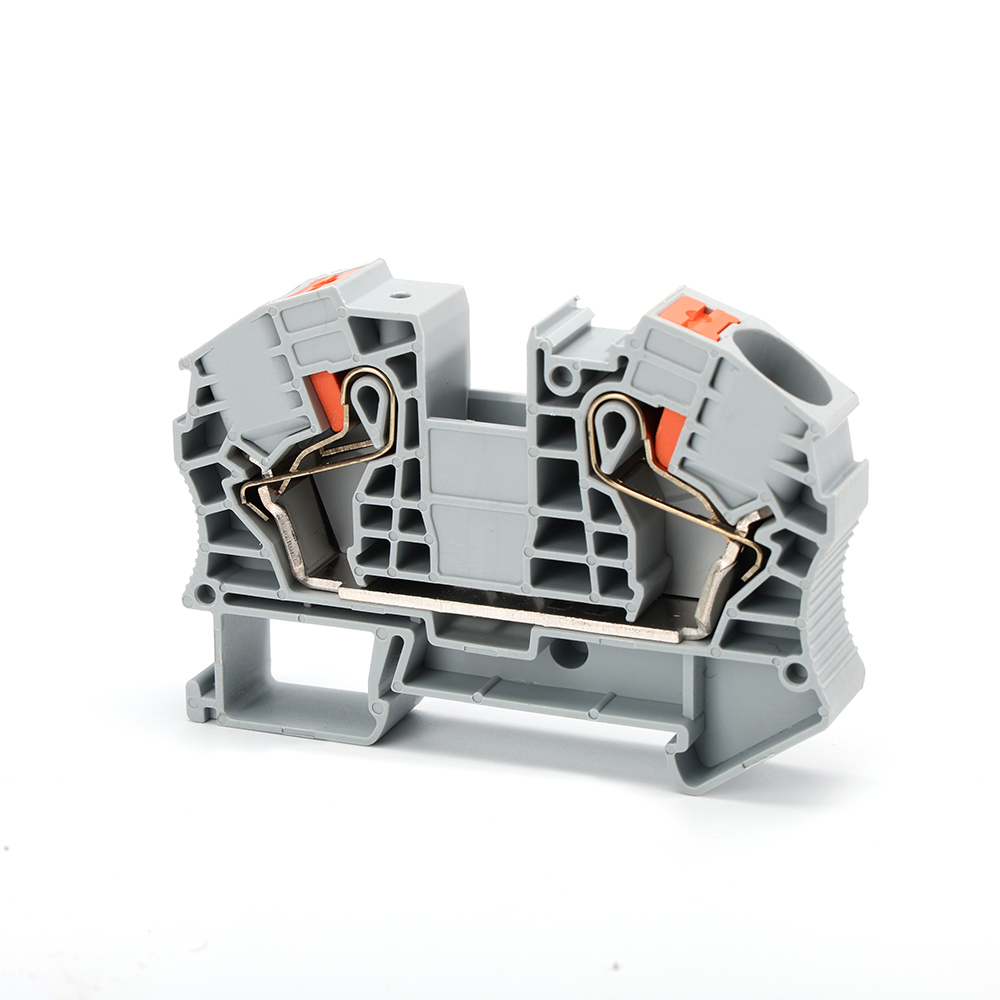
The core structure typically includes a conductive metal cage, a spring clamp, and an insulating housing. When a conductor is inserted, the spring creates constant pressure, ensuring stable electrical contact and minimizing resistance at the connection point.
Key technical characteristics include:
● Compatible with solid copper wire and selected stranded wire types
● Suitable for low to medium voltage electrical systems
● Designed for fast installation and maintenance-free operation
● High vibration resistance for industrial environments
From a TF-IDF perspective, terms such as electrical contact, copper conductor, and terminal block structure are critical in understanding how these connectors function in real applications.
 How Push In Wire Connectors Work
The working principle of push in wire connectors is based on spring-clamp tension technology. Unlike screw terminals that rely on torque, these connectors maintain constant pressure using a pre-loaded metal spring.
Core working process:
● The stripped wire is inserted into the connector port
● The internal spring compresses and locks the conductor
● Metal contact points create a stable electrical connection
● Continuous pressure ensures long-term conductivity
From an electrical engineering perspective, stable resistance at the contact point is essential. A poor connection increases resistance, which can lead to heat generation and voltage drop.
Important internal mechanisms include:
● Spring steel contact ensuring constant force
● Copper alloy conductive path for low resistance
● Insulated housing preventing short circuits
● Anti-vibration structure for industrial use
This design significantly reduces installation errors compared to traditional screw-based connectors.
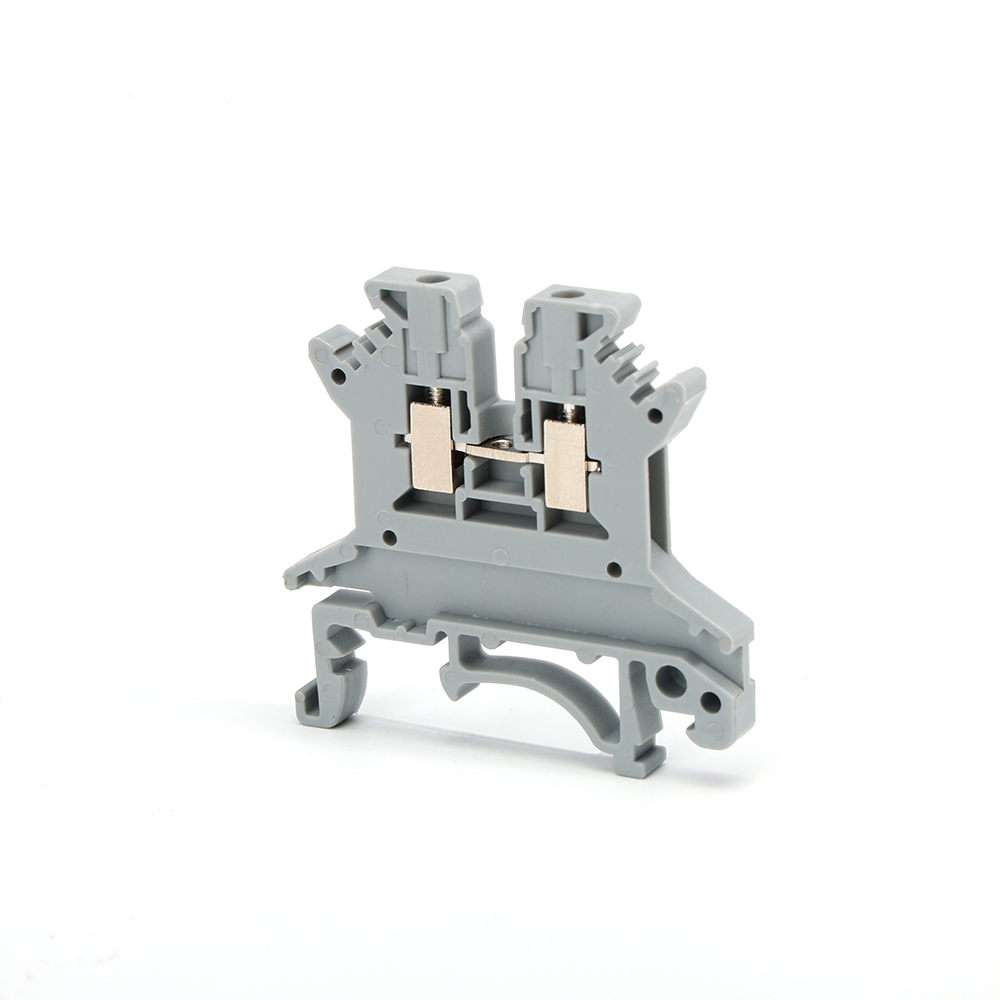
Push In Wire Connectors vs Screw Wire Connectors
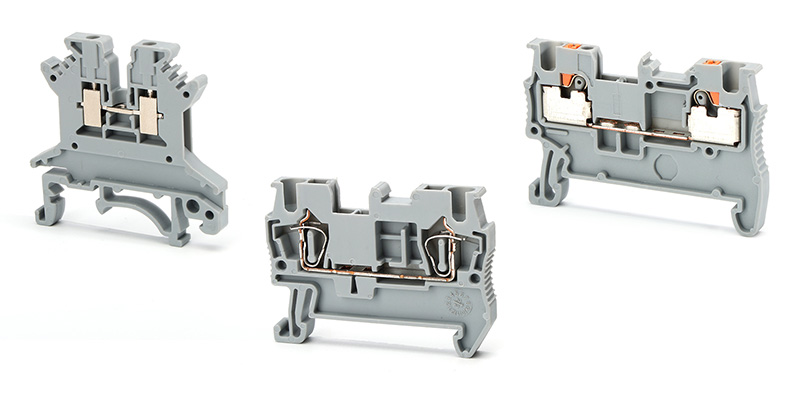
Understanding the difference between push-in connectors and traditional screw terminals is important for selecting the right solution.
| Feature | Push In Connectors | Screw Connectors |
|---|---|---|
| Installation speed | Very fast | Slower |
| Tool requirement | Not required | Screwdriver required |
| Vibration resistance | High | Medium |
| Maintenance | Low | Requires retightening |
| Connection stability | Spring-based constant force | Torque-dependent |
Key differences explained:
Push in connectors provide faster installation and more consistent pressure, reducing human error during wiring. Screw connectors rely heavily on proper torque, which can loosen over time due to vibration or thermal cycling.
In industrial environments, push-in systems are increasingly preferred due to reduced maintenance costs and improved installation efficiency.
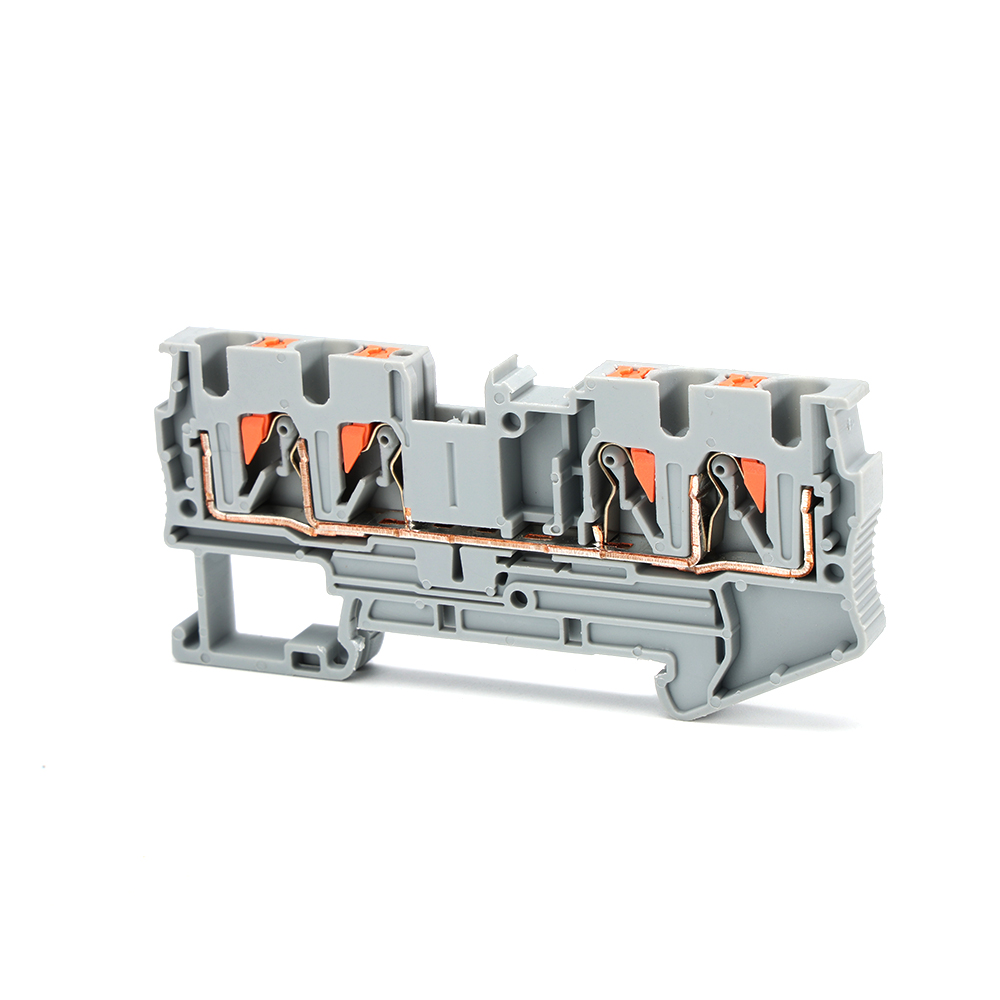 Advantages and Limitations of Push In Wire Connectors
Advantages
● Fast and tool-free installation
● Stable electrical contact under vibration
● Reduced labor cost in large-scale wiring projects
● Compact design suitable for control panels
● Consistent connection quality across installations
Limitations
● Limited compatibility with wire types (especially stranded wire)
● Not reusable in all designs
● Requires correct wire stripping length
● May not support very high current applications
From an industrial perspective, the advantages often outweigh the limitations, especially in standardized production environments such as control panel manufacturing.
Common Problems and Troubleshooting
Even though push in wire connectors are reliable, installation mistakes can still occur.
1. Loose Wire Connection
Cause:
● Incorrect wire size
● Insufficient insertion depth
Solution:
● Re-strip wire and reinsert fully
2. Wire Not Holding Properly
Cause:
● Damaged spring mechanism
● Wrong conductor type
Solution:
● Replace connector or use compatible wire
3. Overheating at Connection Point
Cause:
● High current load beyond rating
● Poor contact due to improper insertion
Solution:
● Verify current rating
● Ensure correct wire gauge selection
4. Electrical Interruption
Cause:
● Partial insertion
● Oxidized conductor surface
Solution:
● Clean wire and reinstall properly
Proper troubleshooting ensures long-term system stability and prevents electrical hazards.
Applications of Push In Wire Connectors
Push in wire connectors are widely used in both residential and industrial environments.
Common applications include:
● Control panel wiring in automation systems
● LED lighting installations
● HVAC electrical systems
● Junction box connections in buildings
● Industrial machinery wiring systems
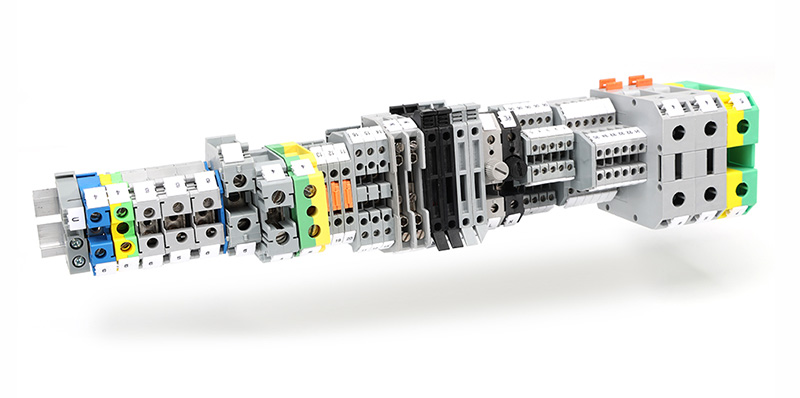
In industrial automation, DIN rail-based systems often integrate push-in terminal blocks to improve wiring efficiency and reduce assembly time.
Safety Standards and Compliance
When selecting push in wire connectors, it is important to ensure compliance with international safety standards such as:
● UL certification (North America)
● IEC electrical standards (global industrial use)
● RoHS compliance for material safety
These standards ensure that connectors meet requirements for insulation strength, current capacity, and long-term reliability.
Best Practices for Installation
To maximize performance and safety:
● Always match wire gauge with connector specification
● Avoid mixing incompatible wire types
● Use certified components for industrial systems
● Follow manufacturer’s stripping length guidelines
● Perform continuity testing before energizing circuits
These practices significantly reduce failure rates in electrical systems.
FAQ
Are push in wire connectors safe?
Yes, when installed correctly and used within rated specifications, they are highly safe and reliable.
Can push in wire connectors be reused?
Some models allow reuse, but many are designed for single-use to ensure secure contact.
What wire size is compatible?
Most connectors support 0.5–2.5 mm² copper wire depending on model specifications.
Do electricians use push in wire connectors?
Yes, especially in modern control panels and standardized electrical installations.
Can stranded wire be used?
Only if the connector is specifically rated for stranded wire types.
Why do push in connectors become loose?
Usually due to incorrect wire size or incomplete insertion.
Conclusion
Push in wire connectors represent a modern solution for fast, reliable, and maintenance-free electrical wiring. Their spring-clamp mechanism ensures stable electrical contact, reduces installation time, and minimizes human error compared to traditional screw terminals. When properly selected and installed, they deliver excellent performance in both residential and industrial applications.
For engineers, electricians, and procurement professionals, understanding how to correctly use push in wire connectors is essential for building efficient and safe electrical systems.
 EN
EN  PT
PT 