


When it comes to wiring your industrial control panels, the choice between Push In Wire Connectors and Din Rail Terminal Blocks can make a huge difference. Both options serve as reliable electrical connections, but they differ in installation speed, current capacity, wire compatibility, and cost. Understanding these differences can help you streamline your projects, reduce labor, and ensure long-lasting performance. Let’s dive in and see which solution works best for your needs.
Push In Wire Connectors Vs Din Rail Terminal Blocks Difference
Define
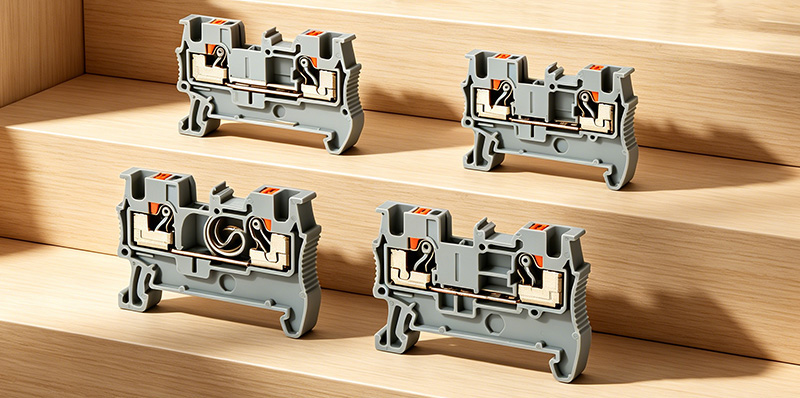
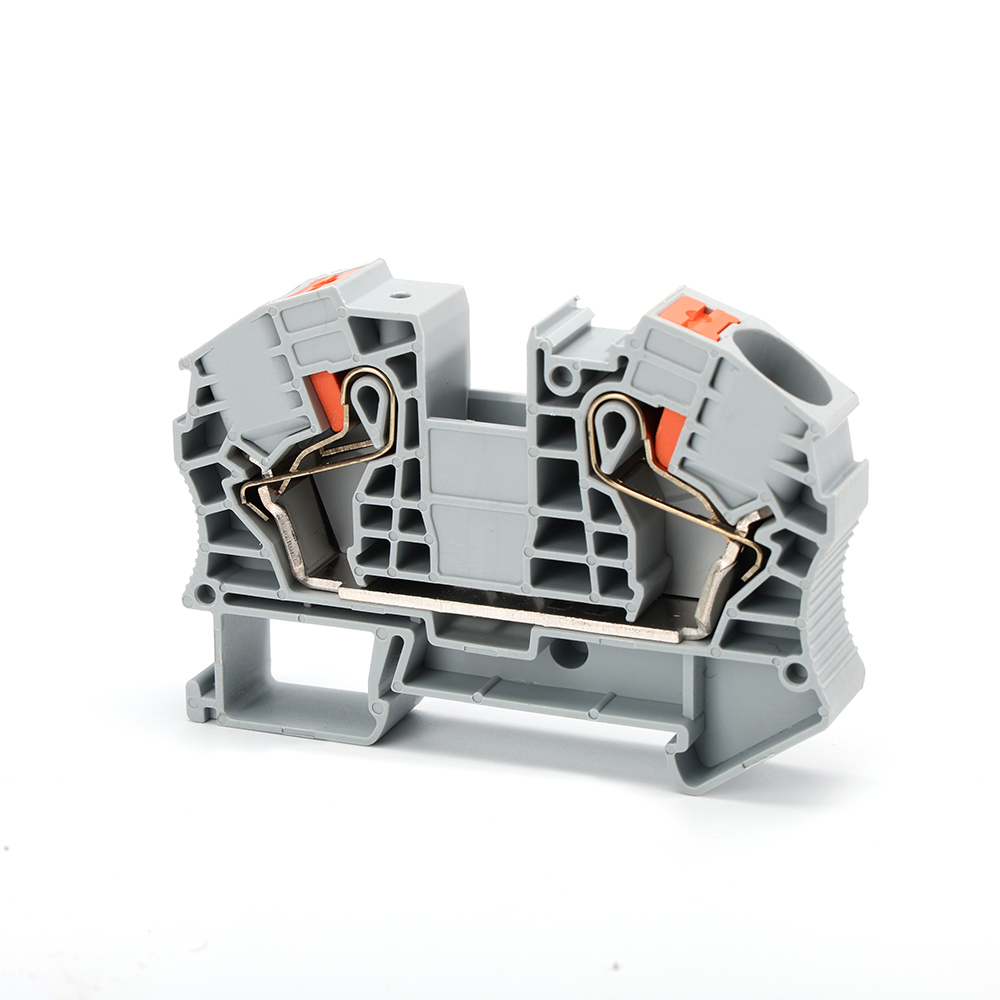
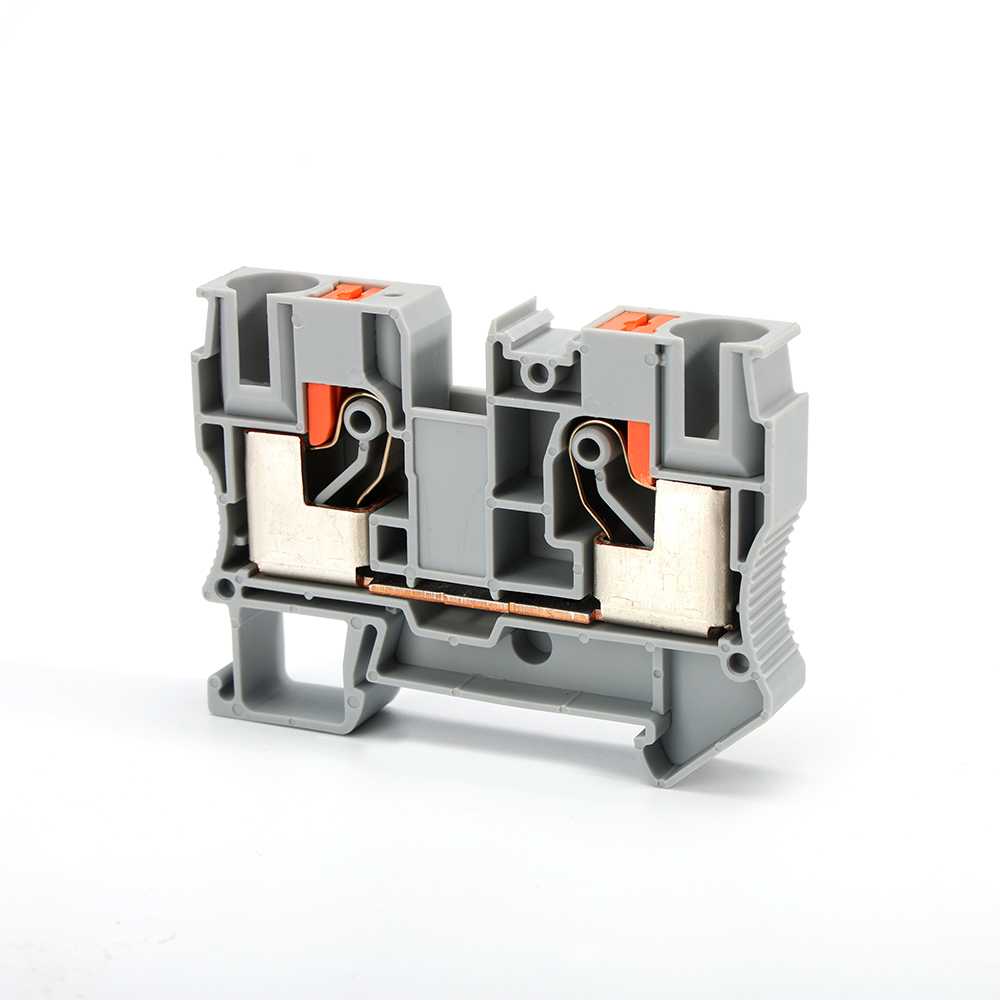
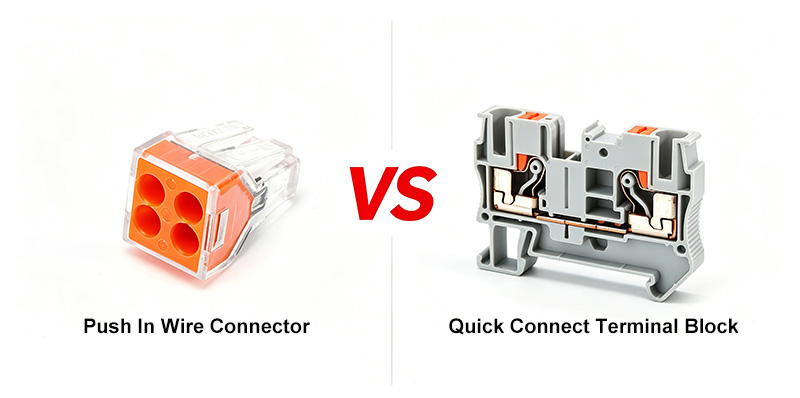
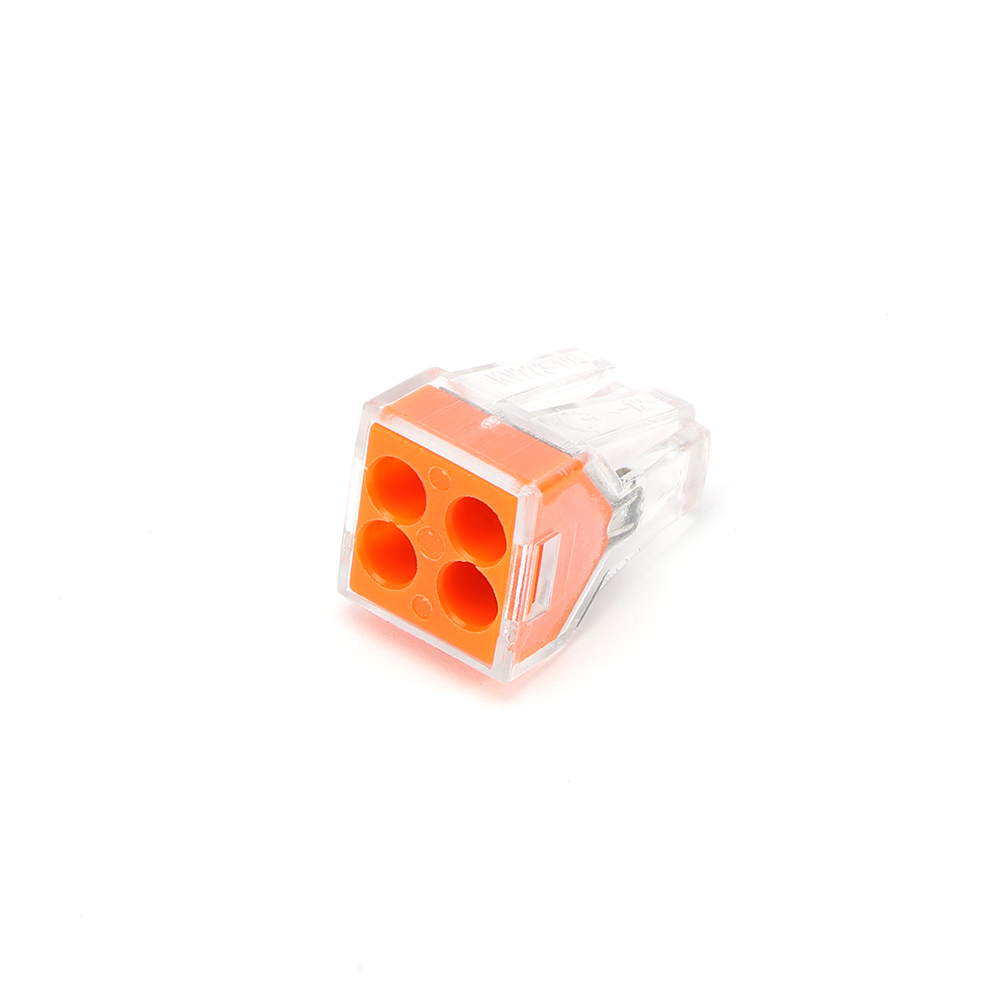
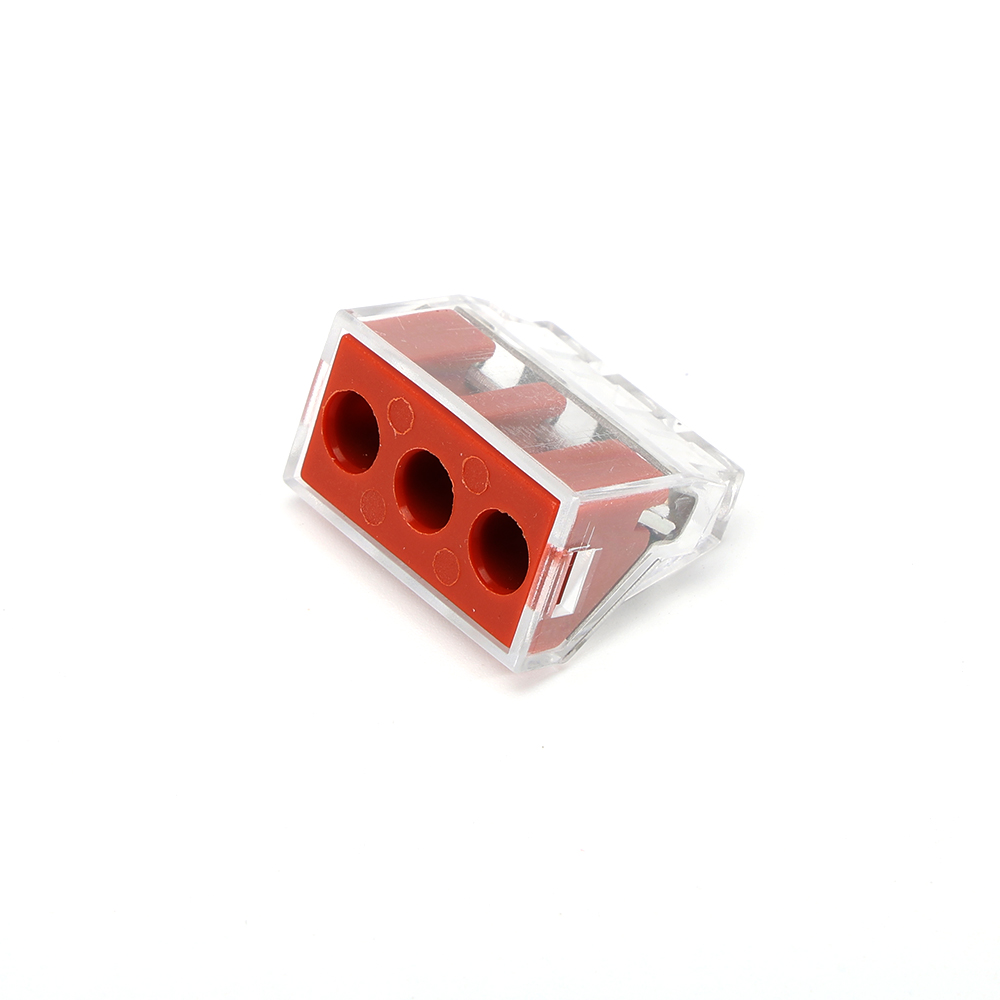
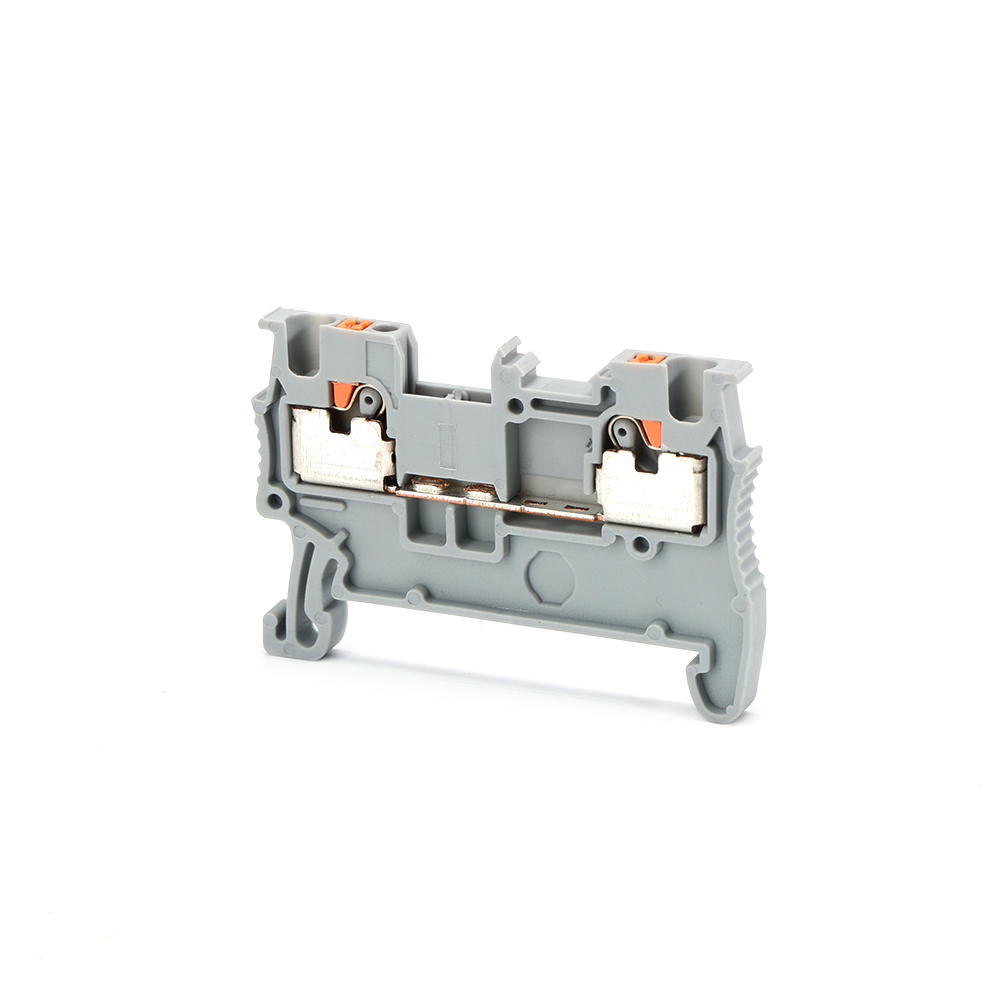 Push In Wire Connectors, also called Push In Wire Terminals or Push In Connector Electrical, are compact, spring-loaded terminals that allow you to insert wires quickly without screws. They are ideal for small to medium electrical panels and are known for their speed and reliability.
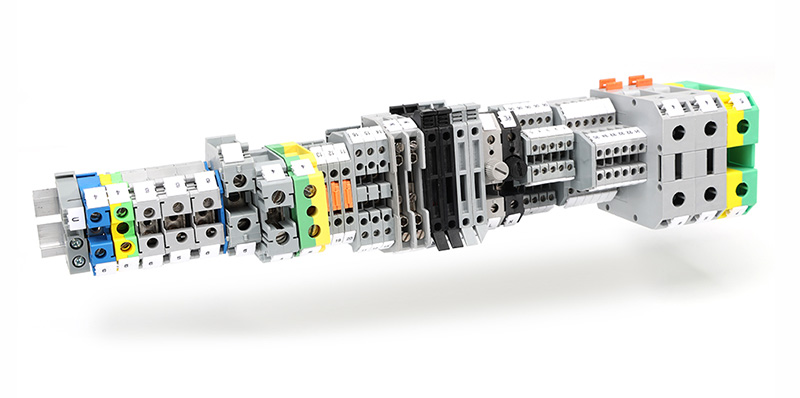
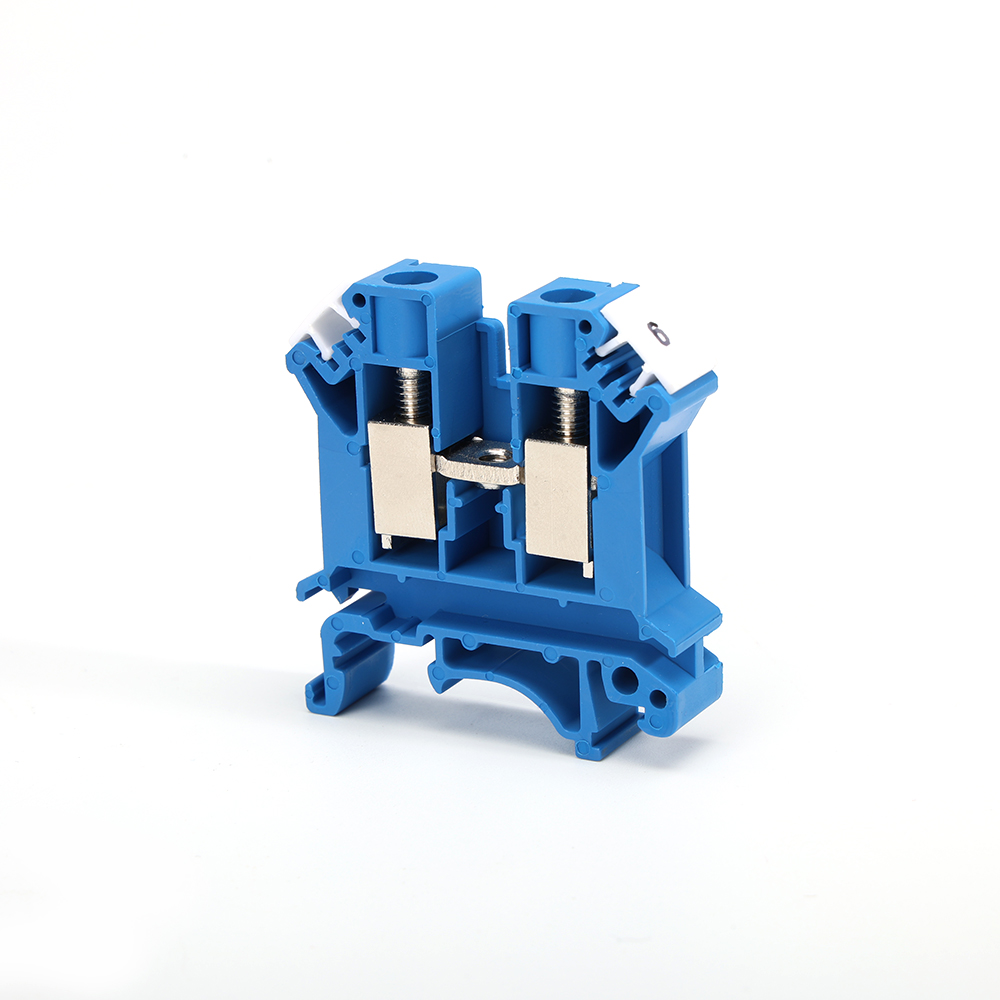
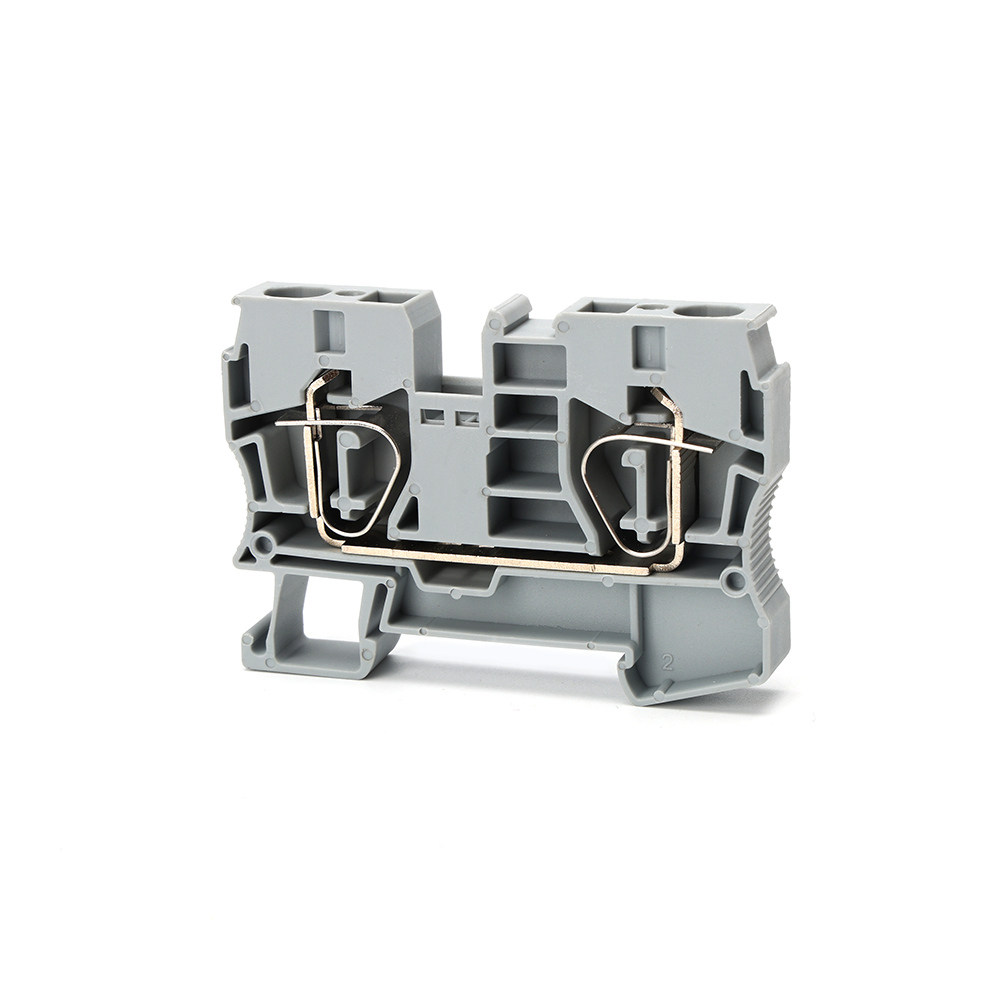
Din Rail Terminal Blocks, supplied by Din Rail Terminal Block Manufacturers and Suppliers, are mounted on standard DIN rails inside panels. They are modular and designed for heavy-duty industrial applications, offering a wide range of connector types including feed-through, fuse, disconnect, and ground blocks.
Benefits
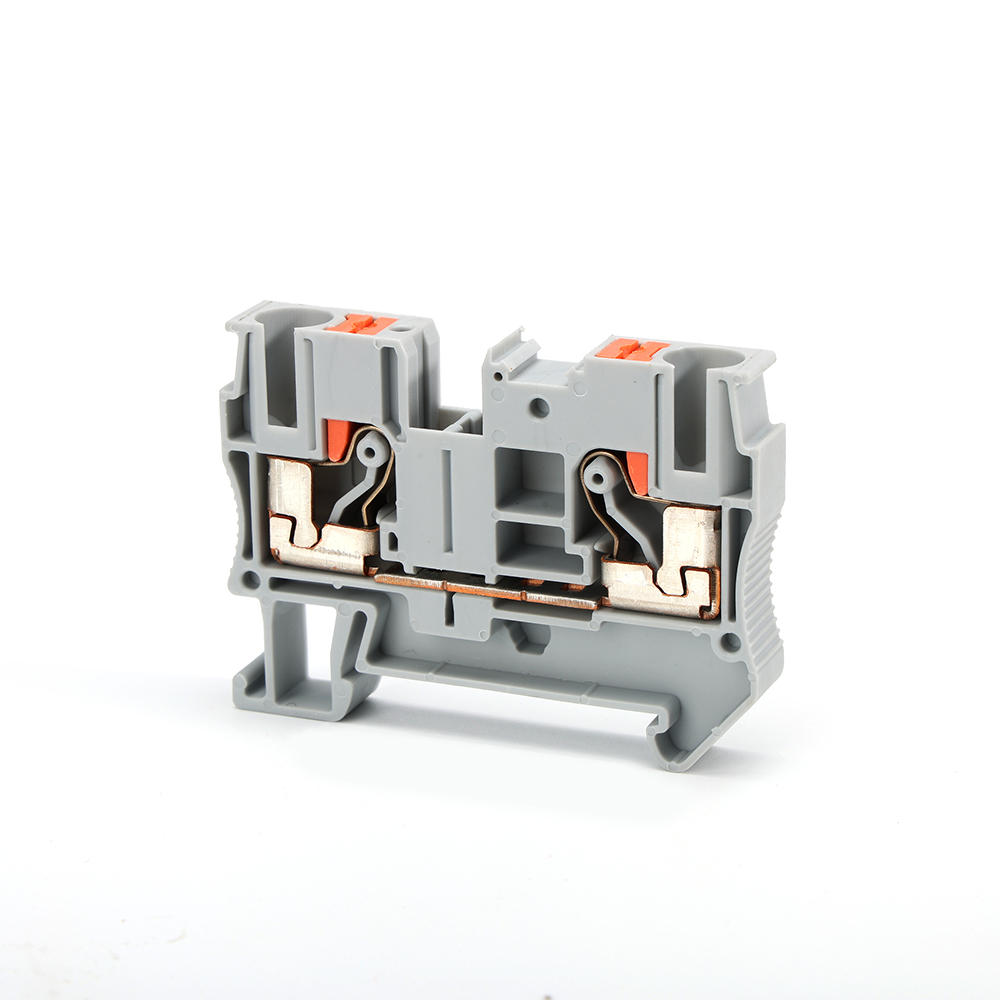 Push In Wire Connectors
● Extremely fast installation with no tools required
● Excellent for compact panels and tight spaces
● Reduces wiring errors and ensures consistent connections
● Suitable for signal, control, and low-voltage circuits
Din Rail Terminal Blocks
● Handles higher current and larger wires
● Highly modular and scalable for complex systems
● Easier to maintain and replace in large panels
● Offers specialized types like fuse or disconnect blocks
Connection Method
| Feature | Push In Wire Connectors | Din Rail Terminal Blocks |
|---|---|---|
| Method | Tool-free push-in spring connection | Screw clamp, lever, or spring clamp |
| Ease | Very easy, even for unskilled labor | Moderate, requires a screwdriver or lever |
| Speed | 3–5 seconds per wire | 10–20 seconds per wire |
| Reliability | Excellent for low to medium current | Excellent for high current and vibration environments |
Push In Electrical Connectors use spring tension to grip wires instantly. In contrast, Push In Din Rail Terminal Blocks may require tightening screws or levers to secure the wire. The choice often depends on whether speed or high current handling is more critical.
Max Current
● Push In Wire Terminals: Typically up to 32A, depending on the model
● Din Rail Terminal Blocks: Can handle up to 125A, suitable for main power distribution
● Important to match the terminal rating to your application to prevent overheating or failure
Wire Size
● Push In Wire Connectors: Usually 0.2–4 mm² solid or stranded wires
● Din Rail Terminal Block Connector Types: 0.2–25 mm², accommodating heavier cables
● Choosing the right wire size ensures secure contact and avoids damage
Vibration Resistance
● Push In Connector Blocks: Great for light-duty panels; spring tension prevents wire loosening
● Din Rail Terminal Blocks: Excellent vibration resistance with screw clamps; ideal for industrial machinery
Modularity
● Push In Wire Connectors: Compact but less modular; suited for simple circuits
● Din Rail Terminal Block Types: Highly modular; allows for stacking, bridging, and expansion of circuits easily
Cost
● Push In Wire Terminals: Lower initial cost, ideal for mass deployment
● Din Rail Terminal Blocks: Higher upfront cost, but modularity and heavy-duty capacity can reduce long-term maintenance costs
How To Choose
When deciding between Push In Wire Connectors and Din Rail Terminal Blocks, consider:
● Panel Size & Layout: Tight panels favor push-in connectors
● Current & Voltage Requirements: High-power circuits need Din Rail blocks
● Installation Speed: Push-in connectors save labor and time
● Modularity & Future Expansion: Din Rail blocks offer flexibility for large or growing systems
● Cost Considerations: Push-in connectors for smaller deployments, Din Rail for long-term efficiency
Applications In Industrial Settings
● Push In Wire Connectors: Control panels for HVAC, automation sensors, small machinery, signal distribution
● Din Rail Terminal Blocks: Large industrial automation panels, power distribution, renewable energy systems, manufacturing plants
● Example: In a factory automation line, push-in connectors might be used for PLC signal wiring, while Din Rail blocks manage main power distribution safely and efficiently
FAQ
Which Is Faster To Install?
Push In Wire Connectors are faster due to tool-free, spring-loaded connections.
Which Terminal Block Handles Higher Current Loads?
Din Rail Terminal Blocks handle higher currents, up to 125A depending on type.
What Wire Sizes Are Compatible With Push-In Connectors?
Typically 0.2–4 mm² solid or stranded wires.
Which Terminal Block Type Reduces Labor Costs The Most?
Push In Wire Connectors save labor with faster installation.
Which Connector Type Reduces Installation Time The Most?
Push In Electrical Connectors are quicker to wire, especially for repetitive tasks.
Which Connector Is More Compact For Tight Panel Designs?
Push In Connector Blocks are smaller and ideal for limited space.
Which Option Is More Cost-Effective For Mass Deployment?
Push In Wire Terminals are generally cheaper and easier to deploy in bulk.
Which Option Is More Modular And Scalable For Large Panels?
Din Rail Terminal Block Types offer modular stacking and expansion capabilities.
Which Is Easier For Quick Wiring Changes During Maintenance?
Push In Wire Connectors allow for faster wire replacement, but Din Rail blocks may be better for organized large panels.
Can Push In And Din Rail Blocks Handle Signal & Low-Voltage?
Yes, both can handle signal and low-voltage applications.
Which Terminal Block Is Best For Automated Production Lines?
Din Rail Terminal Blocks provide stability and scalability for automated industrial environments.
Do Push In Wire Connectors Support Both Stranded And Solid Wires?
Yes, they support both stranded and solid wires efficiently.
Are Din Rail Terminal Blocks Easier To Maintain In Large Systems?
Yes, their modularity and standardized mounting make maintenance simpler in complex systems.
Conclusion
Choosing between Push In Wire Connectors and Din Rail Terminal Blocks depends on your project’s specific needs. If speed, compact size, and lower initial cost matter most, Push In Wire Terminals are the way to go. For high-current circuits, modularity, and industrial-scale systems, Din Rail Terminal Blocks are unmatched. Understanding their strengths ensures safer, more efficient wiring and long-term reliability.
Ready to optimize your panel design? Explore trusted Din Rail Terminal Block Suppliers and Push In Connector Electrical solutions today to find the perfect fit for your industrial projects.
 EN
EN  PT
PT 