

If you’re working with push in connector electrical you know that removing a wire can be more challenging than it appears. Whether you’re a professional electrician or a procurement specialist managing wiring solutions, understanding the proper method is crucial. In this guide, you’ll learn step-by-step instructions, essential tools, and practical tips for safely and efficiently removing wires from Push In Connectors For Electrical Wiring.
How To Remove Wire From Push In Connectors For Electrical Wiring
Removing wires from push-in connectors doesn’t have to be stressful. Once you know the right technique, it’s straightforward, safe, and prevents damage to both the connector and the wire. Here’s everything you need to know.
Tools You Might Need
Before starting, make sure you have the right tools on hand. Using the correct equipment can save time and protect your components:
- small screwdriver
- specialized wire pulling tool
- tweezers (for small wire diameters)
These tools allow you to release the connector mechanism without damaging wires or terminals. For example, when working with a push in wire terminal block, a small screwdriver is usually sufficient for standard wires, while finer wires may require tweezers for precision.
Step-by-Step Process
Follow these steps to remove wires safely:
Step 1: Turn off power before handling.
Safety first! You never want to pull wires while the circuit is live.
 Step 2: Identify the connector type.
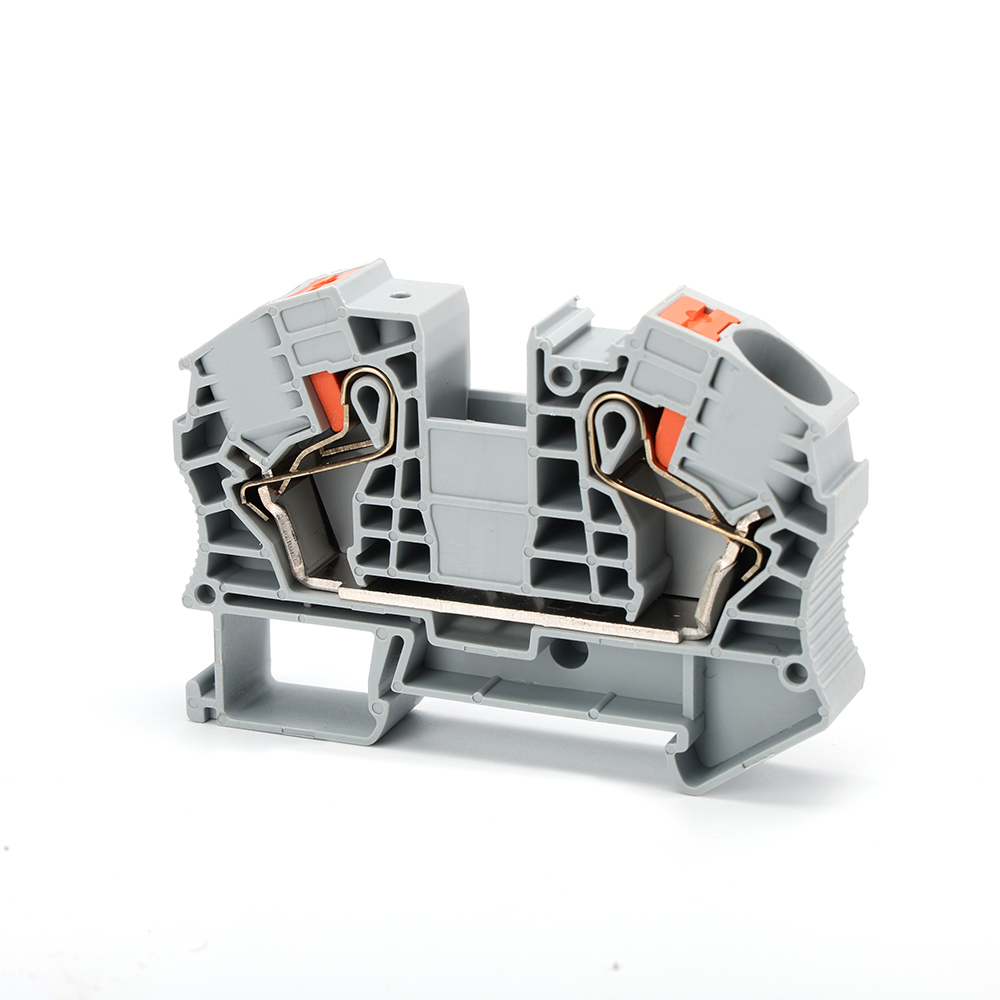
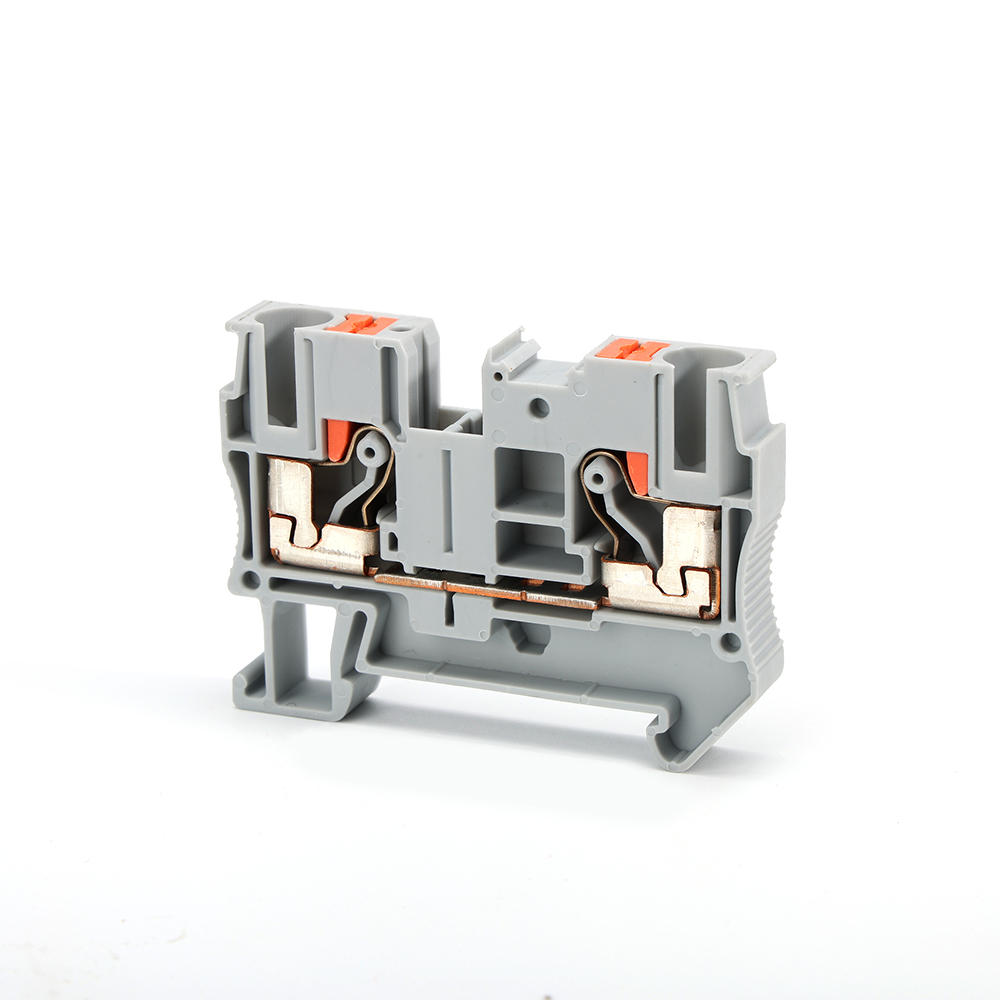
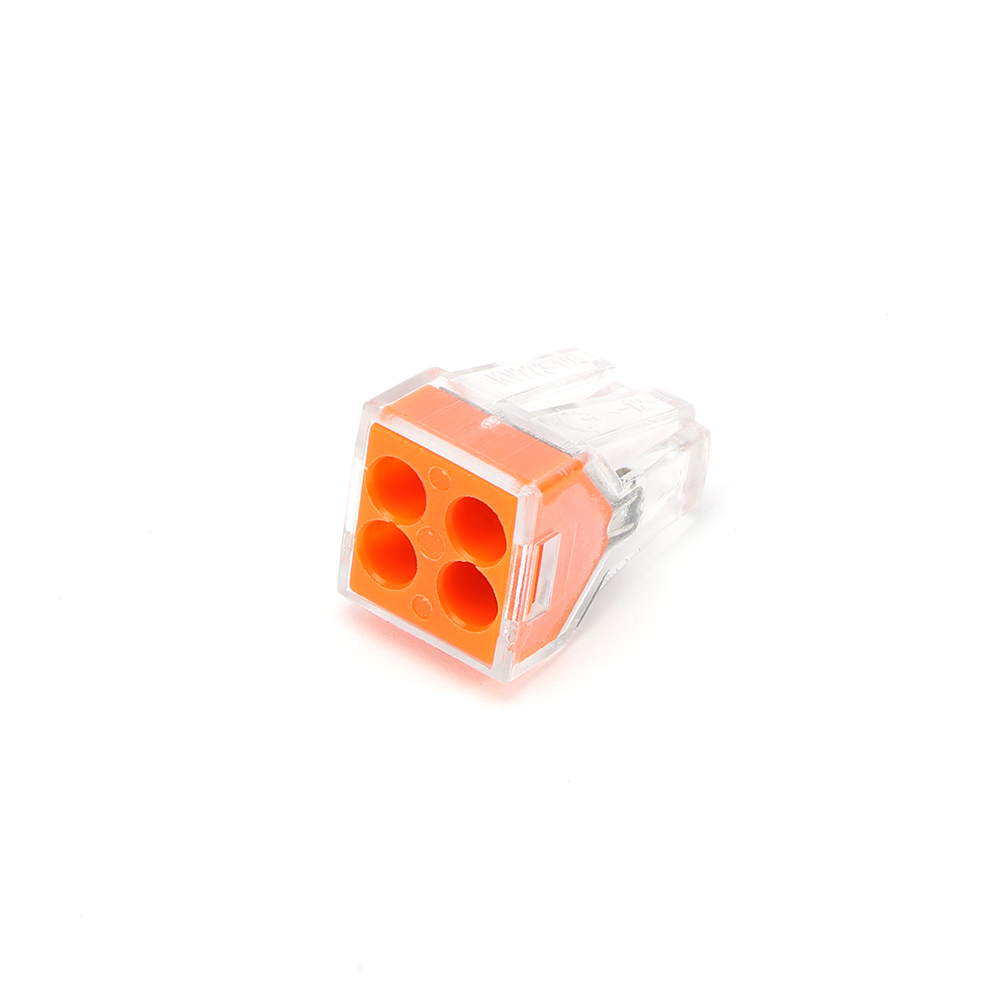
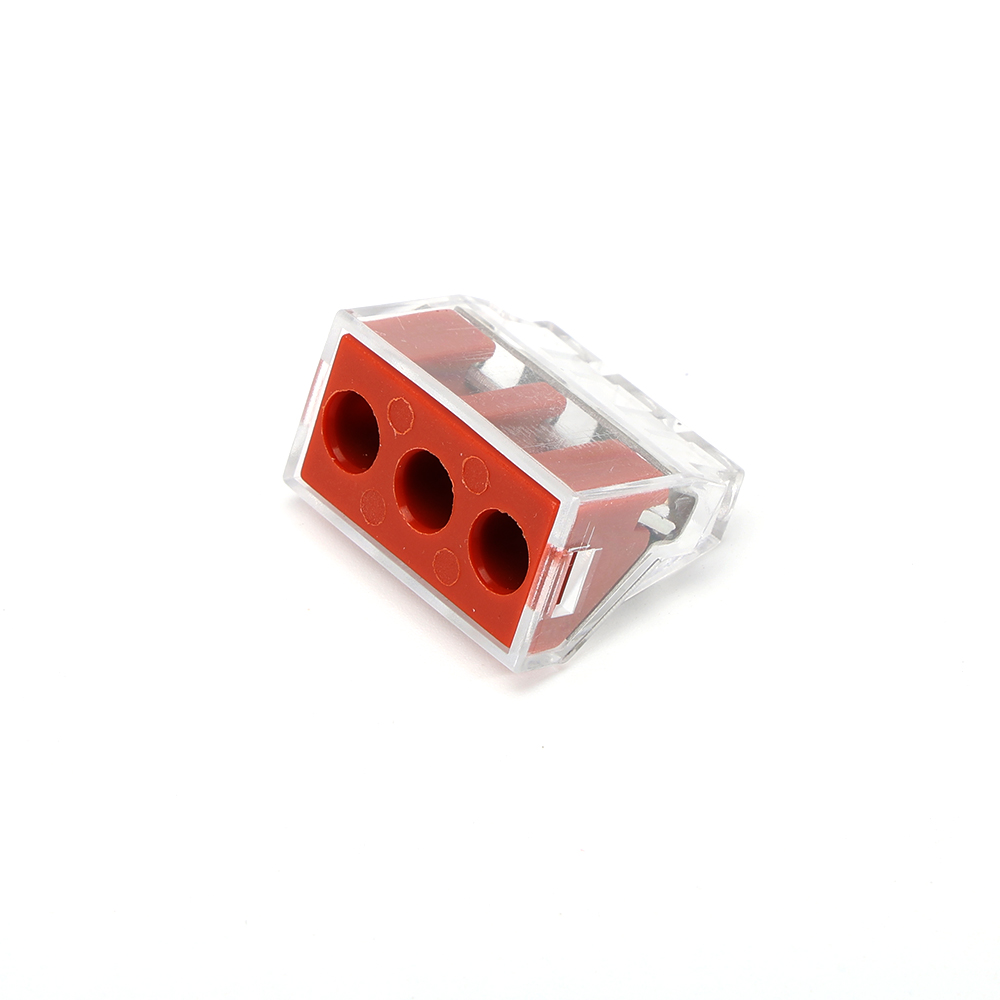
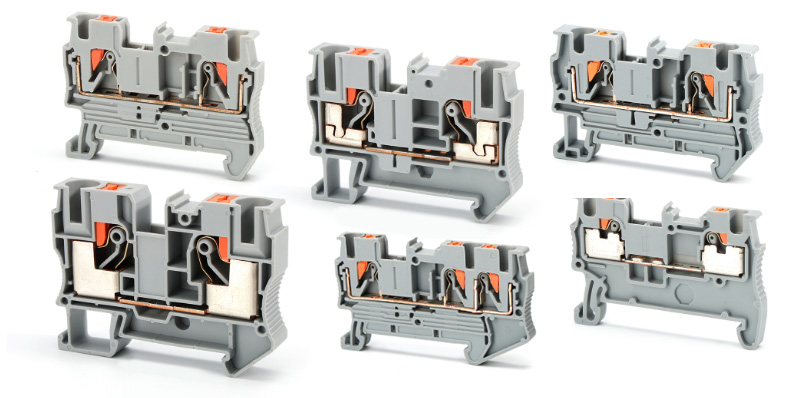
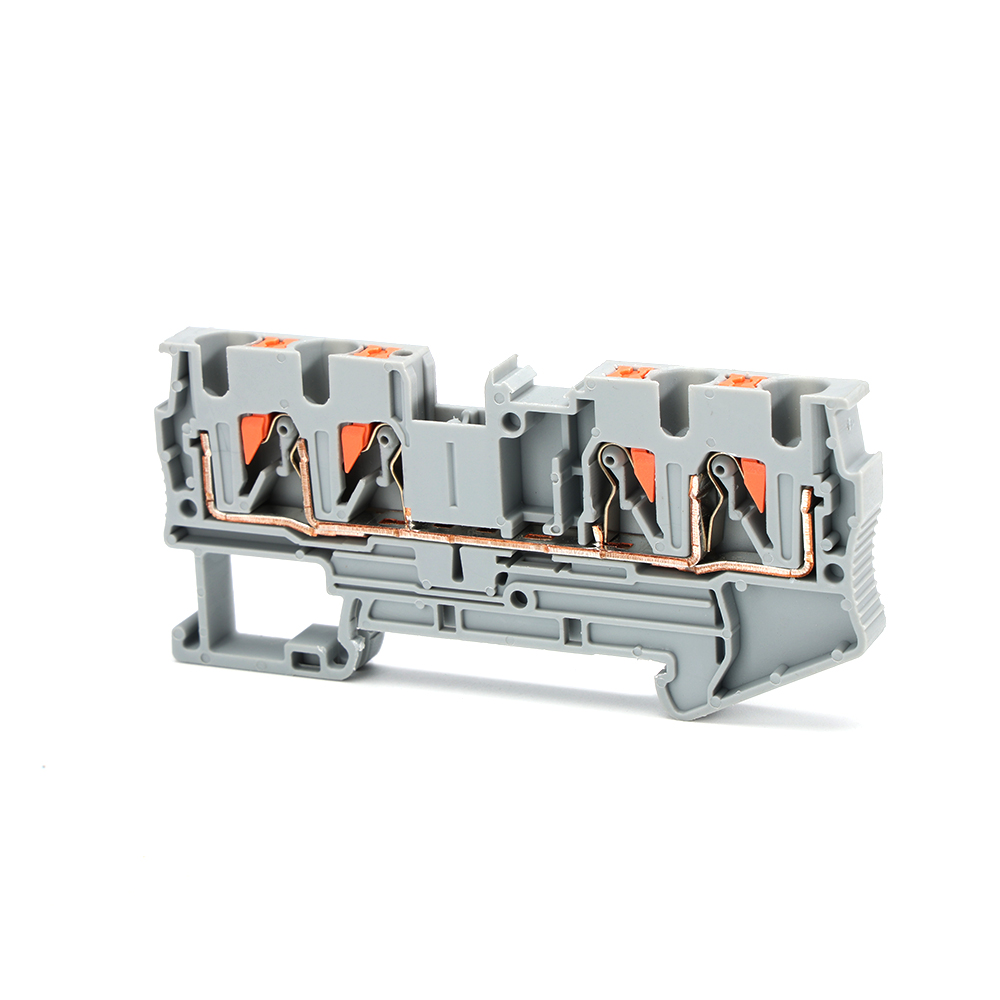
Are you working with a Push Fit Terminal Block, a Push Wire Terminal Block, or a Push Type Terminal Block? Knowing this helps you choose the right removal technique.
Step 3: Insert the tool correctly.
Insert a small screwdriver or wire tool into the slot that releases the internal spring mechanism.
Step 4: Release the spring mechanism.
Press gently but firmly. You should feel the resistance ease as the spring opens.
Step 5: Gently pull out the wire.
Wiggle slightly if needed, but avoid pulling too hard. This keeps the wire and connector intact for future use.
 Tips and Tricks for Easier Wire Removal
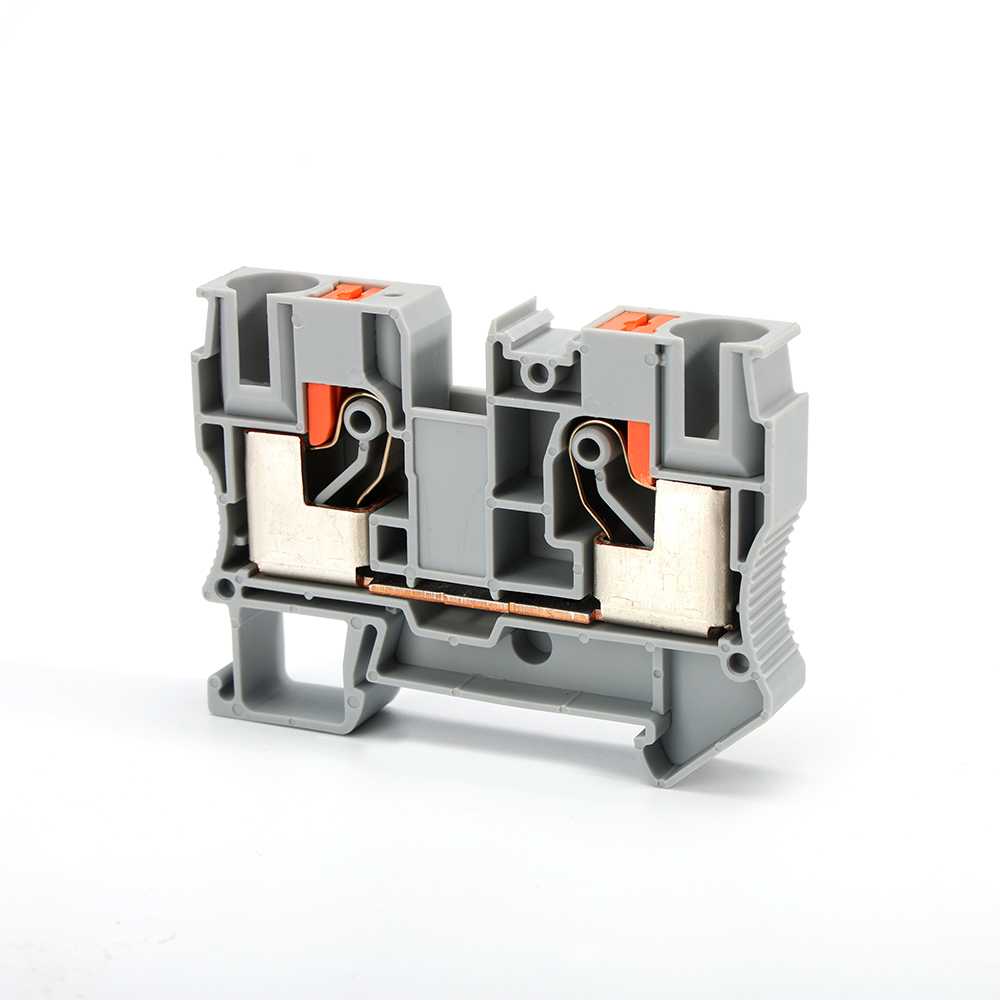
Working with Push In Terminal Block Wire Connector systems can be simplified with a few practical tricks:
- Always label wires before removal to avoid confusion later.
- For stiff wires, lightly twist while pulling to ease them out.
- Clean connectors regularly to prevent corrosion or dust buildup.
- Use specialized removal tools for small wires—they can save time and prevent damage.
- Practice on a spare connector first to build confidence before working on critical wiring.
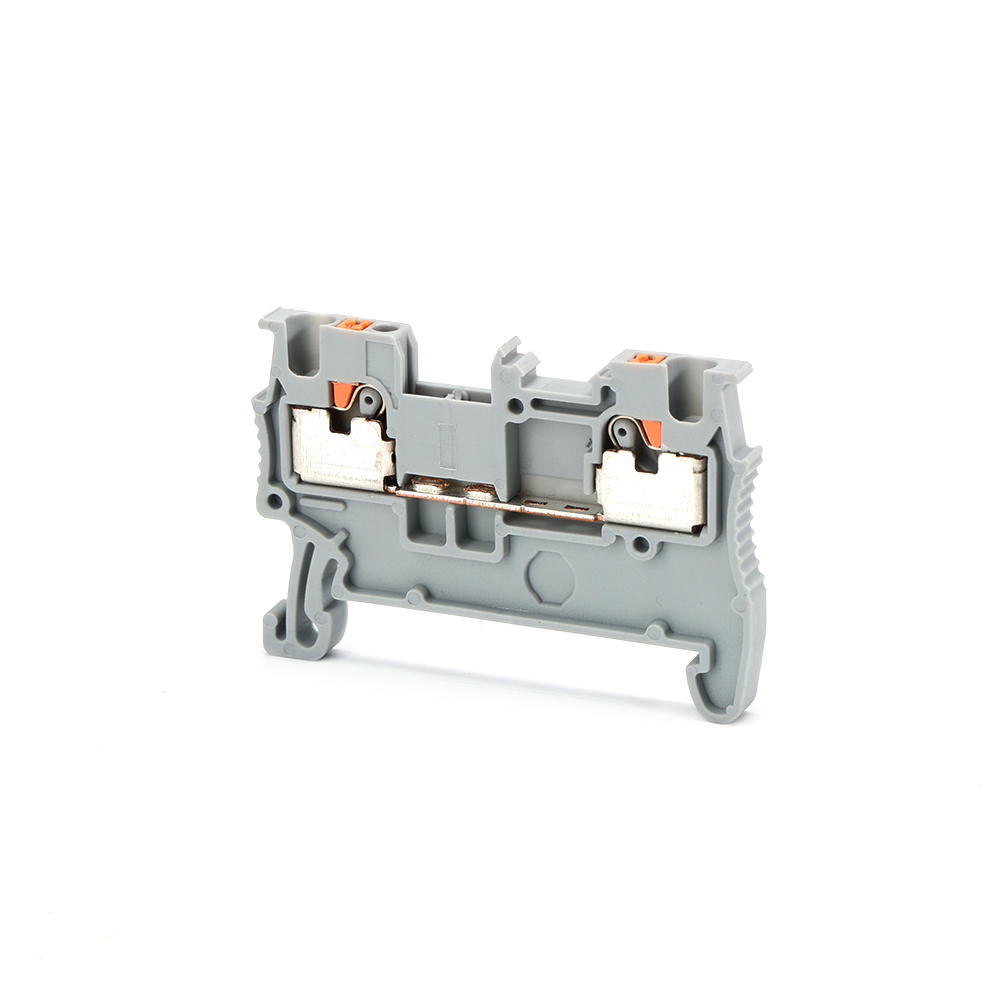 Here’s a quick table comparing tools and connector types to make your process easier:
| Connector Type | Tool Recommendation | Wire Size | Difficulty | Safety Notes | Tips |
|---|---|---|---|---|---|
| Push Fit Terminal Block | Small screwdriver | 0.5–2.5 mm² | Easy | Turn off power | Twist gently |
| Push Wire Terminal Block | Specialized wire pulling tool | 0.5–4 mm² | Medium | Avoid force | Label wires |
| Push In Din Rail Terminal Blocks | Tweezers | 0.2–1.5 mm² | Hard | Fine wires, careful | Practice first |
| Push Type Terminal Block | Small screwdriver | 0.5–2 mm² | Medium | Use protective gloves | Use light pressure |
| Push In Terminal Block Wire Connector | Specialized wire pulling tool | 0.5–6 mm² | Medium | Ensure power off | Keep spare connectors |
Common Mistakes to Avoid When Removing Wires
Even experienced professionals can make mistakes when removing wires from push-in connectors. Avoid these common pitfalls:
- Using excessive force and damaging the connector or wire.
- Ignoring safety precautions and handling live wires.
- Using the wrong tool for the connector type.
- Forgetting to check wire orientation before pulling.
- Rushing through the process, leading to mistakes and potential downtime.
A real-life case: One procurement manager attempted to remove a wire from a Push In Wire Terminal Block without releasing the spring. The wire bent, and the connector was damaged, resulting in the purchase of replacement connectors and lost time. Lesson learned—take it slow and use the right tool.
Tips for Maintaining Push In Terminal Blocks After Wire Removal
Once you’ve removed the wire, proper maintenance ensures longevity and performance:
- Inspect the connector for signs of wear or spring fatigue.
- Clean terminals with a soft brush or compressed air to remove dust.
- Avoid using damaged wires; always replace frayed or bent wire ends.
- Document any changes in wiring for future reference.
- Store spare connectors in dry, temperature-controlled environments.
By following these simple practices, you extend the lifespan of your Push In Terminal Block Wire Connector and reduce maintenance headaches.
FAQ
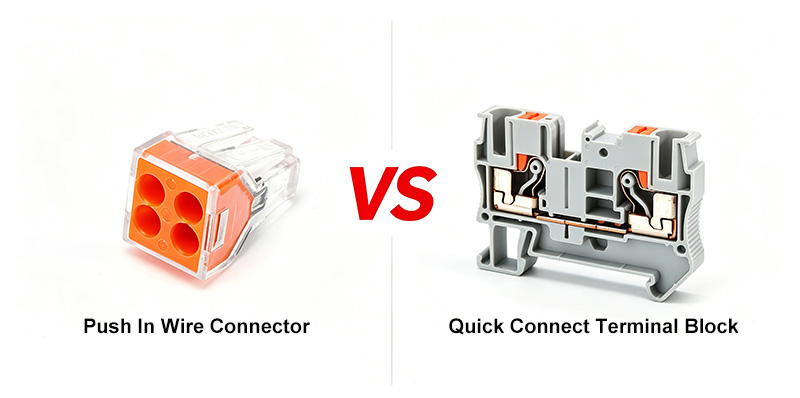
Push In Connector VS Wire Nut
Push-in connectors offer a faster, safer, and visually inspectable connection by simply pushing the wires into the port, whereas wire nuts rely on twisting wires together manually, making them more time-consuming and prone to human error but more economical for traditional installations.
What is a Push In Connector?
A push in connector is a type of electrical terminal that allows wires to be inserted and held without screws. They are widely used in control panels, distribution boxes, and industrial wiring.
Why is removing wires from push in connectors tricky?
The spring mechanism is strong and precise. Incorrect tools or excessive force can bend wires or damage the connector.
How do I remove a wire from push in DIN rail terminal block?
Turn off power, use the appropriate tool (screwdriver or specialized puller), release the spring mechanism, then gently remove the wire.
What is the safest way to remove wire without damaging the connector?
Always power down first, use the correct tool, release the spring fully, and pull the wire straight out without twisting aggressively.
Are push fit terminal blocks better than screw terminals for frequent changes?
Yes, push fit blocks are faster and safer for repeated wire changes because you don’t need to unscrew terminals, reducing the risk of wire fatigue.
How do I prevent the wire from slipping during removal?
Ensure the spring mechanism is fully released and consider twisting the wire gently to reduce friction.
Can push in connectors be used in high-current applications?
Yes, many push in connectors support high-current applications, but always check the manufacturer’s specifications.
What common mistakes should I avoid?
Pulling wires without releasing the spring, using wrong tools, ignoring safety procedures, and rushing the process are all common mistakes.
Conclusion
Removing wires from Push In Connectors For Electrical Wiring doesn’t have to be intimidating. With the right tools, proper steps, and a bit of practice, you can handle this task safely and efficiently. Remember, taking a few extra moments to follow the correct procedure saves time, prevents damage, and maintains the reliability of your electrical systems. If you’re looking for high-quality Push In Connector Electrical products or expert advice, Westlec is ready to help with solutions that fit your procurement and industrial needs.
Take action today—upgrade your electrical maintenance skills and keep your wiring projects running smoothly with the right tools and connectors.
 EN
EN  PT
PT