

When you design or maintain industrial control systems, you quickly realize one thing: small wiring components decide system reliability. A DIN mount terminal block might look simple, but in real projects it directly affects safety, uptime, and maintenance cost. In this guide, you’ll walk through the most common failures engineers face with rail mounted terminal blocks, and how you can prevent them in real applications—especially in demanding panels where vibration, heat, and dense wiring are everyday reality.
Common Rail Mounted Terminal Block Problems and Solutions
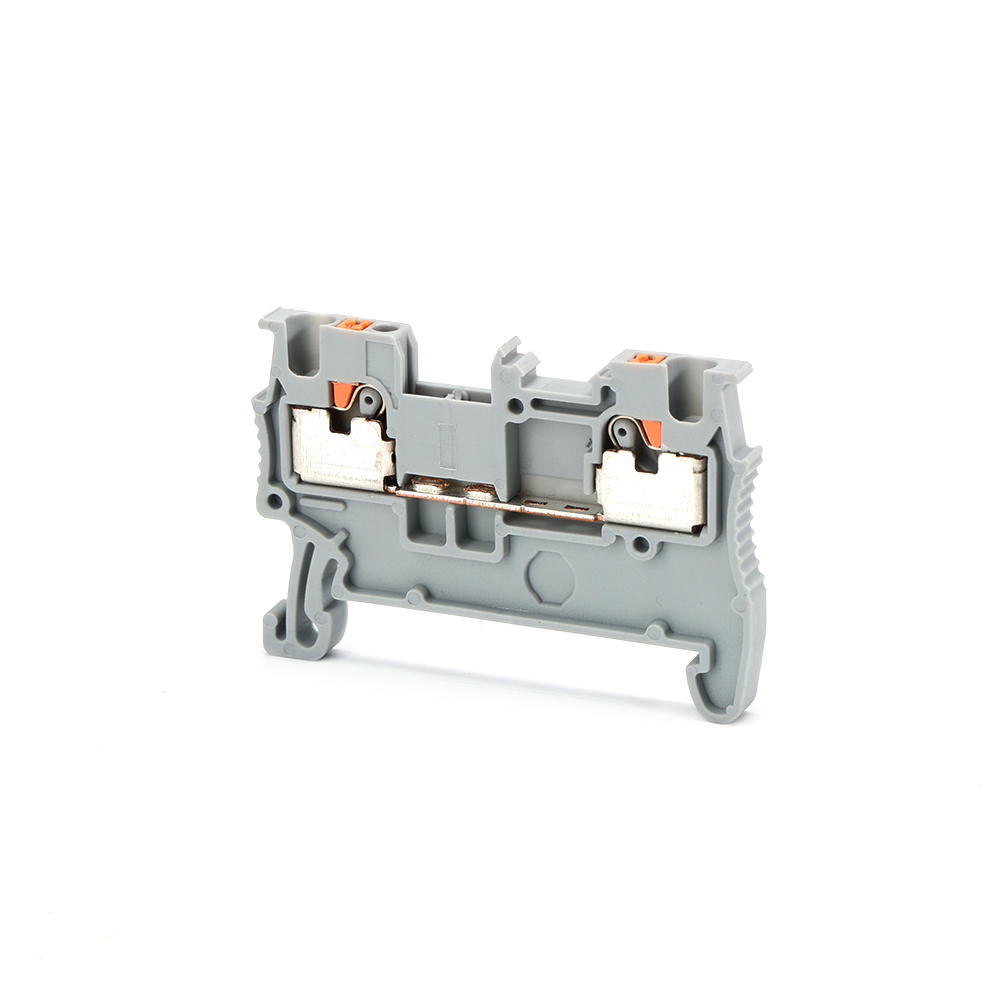
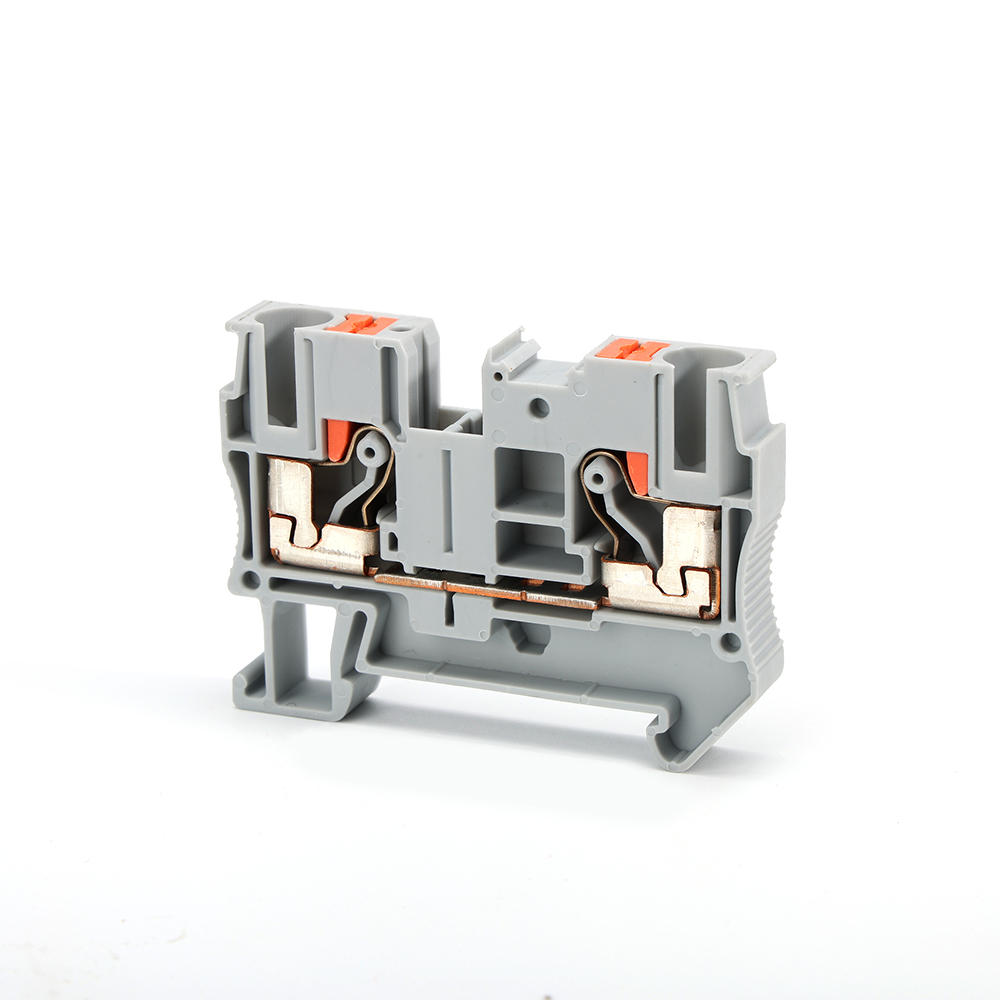
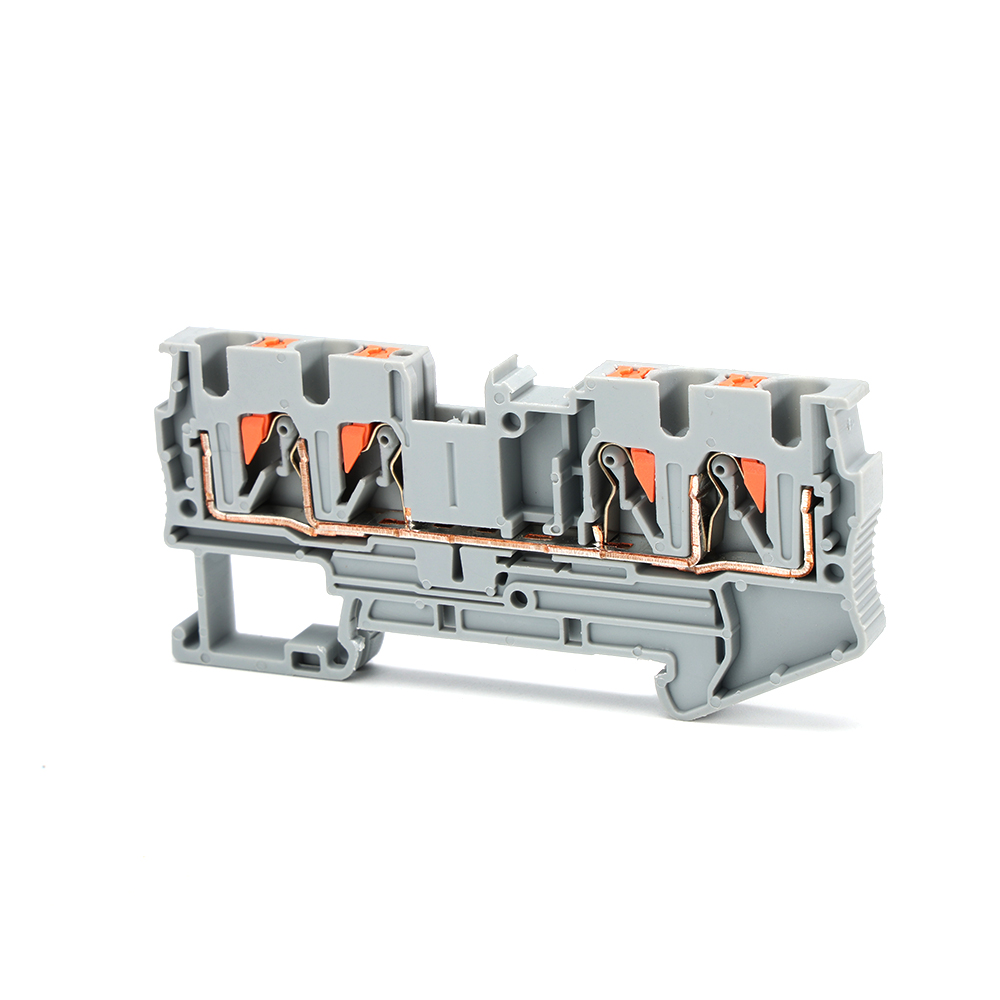
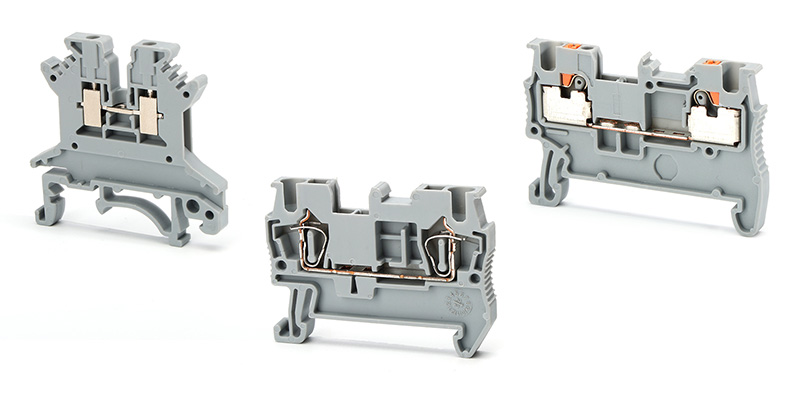
Rail mounted terminal blocks are widely used in control systems, but in real applications they often face issues such as unstable wire connections, overheating and poor contact, installation difficulties, unclear labeling, and environmental damage from heat, moisture, or corrosion, all of which can affect overall system reliability.
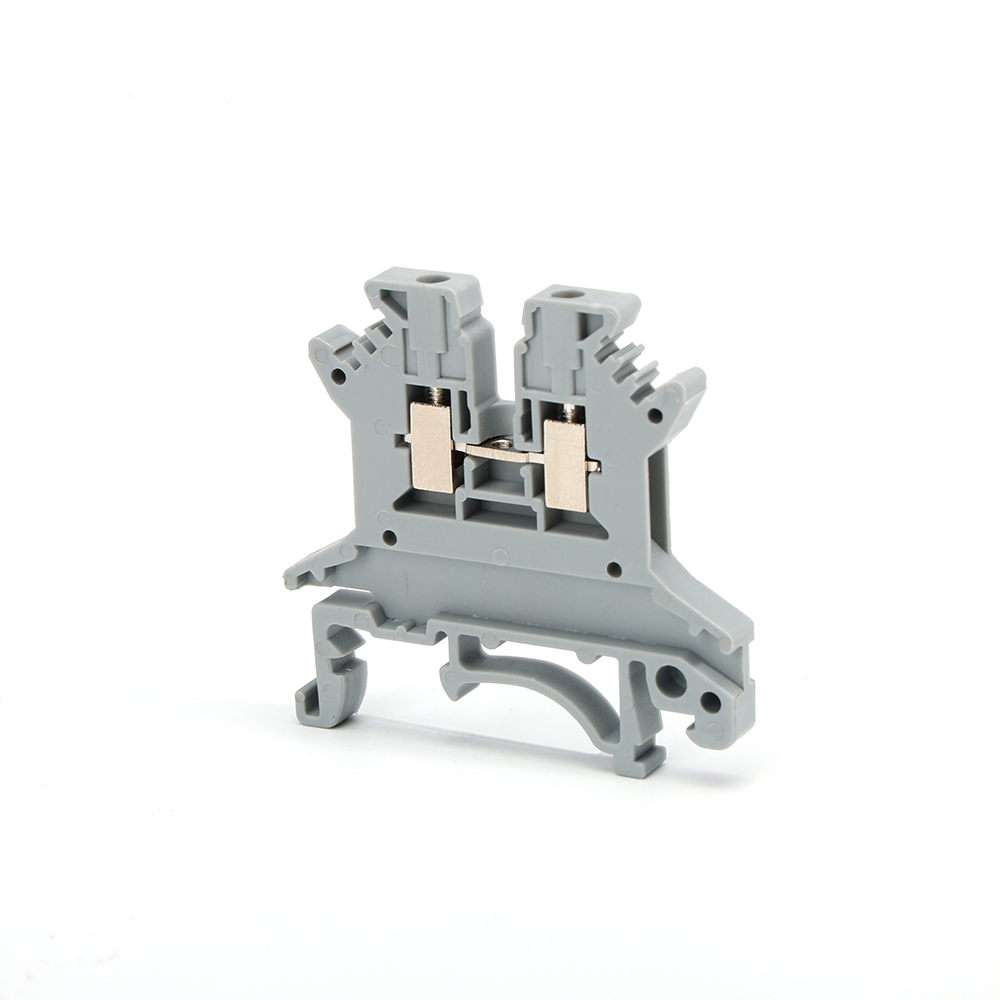 Unstable Wire Connections in Rail Mounted Terminal Blocks
Loose or unstable wiring is one of the most frequent issues you’ll encounter in field maintenance. In control panels, vibration from machines or poor tightening torque often causes intermittent signals or full circuit failure.
In many cases, the issue is not the wire itself—but the mismatch between conductor size and the clamping mechanism of the DIN mount terminal block.
Typical causes:
● Incorrect torque during installation
● Copper creep under thermal cycling
● Mismatched wire gauge
Solutions you can apply:
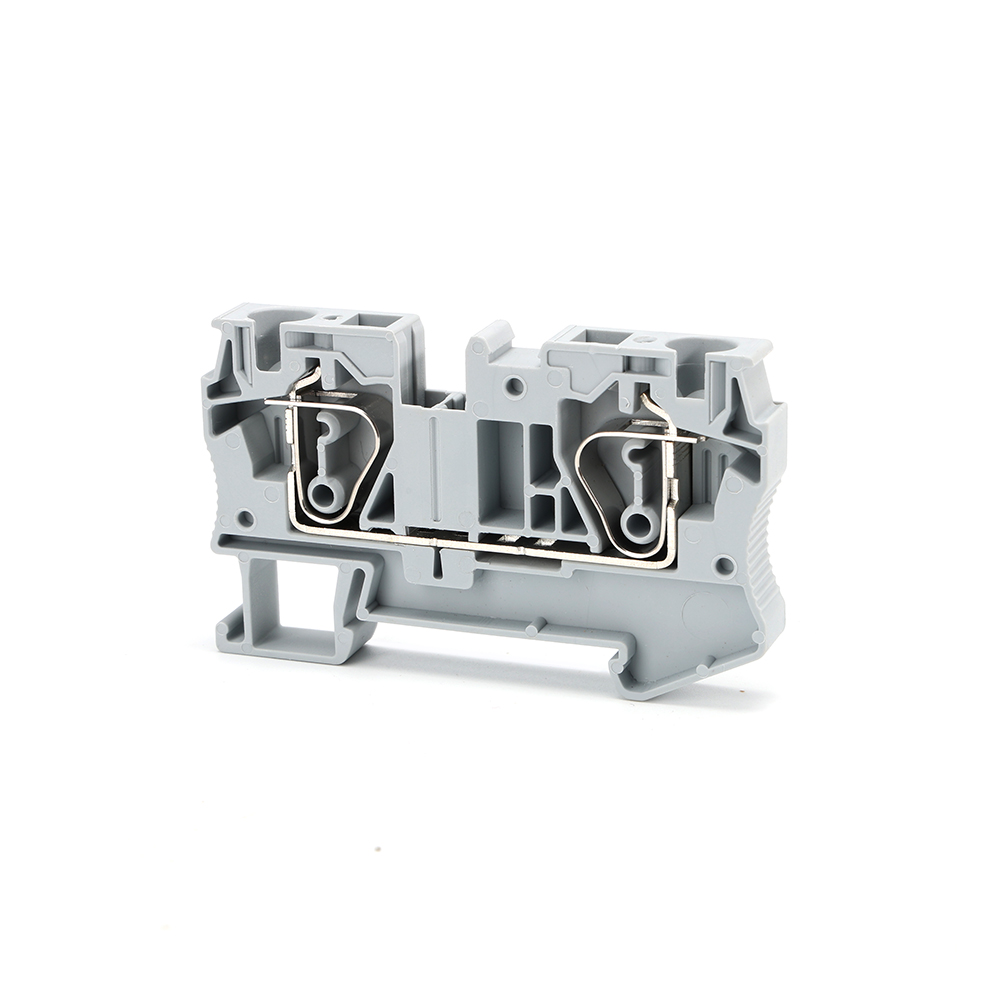
● Use spring-cage or screw-lock designs depending on vibration level
● Standardize torque tools during assembly
● Perform periodic retightening checks in critical systems
Key points:
● Stable clamping improves long-term reliability
● Vibration-resistant designs reduce downtime
● Proper sizing avoids micro-disconnections
● Consistent installation procedures matter more than product type alone
Overheating and Poor Electrical Contact
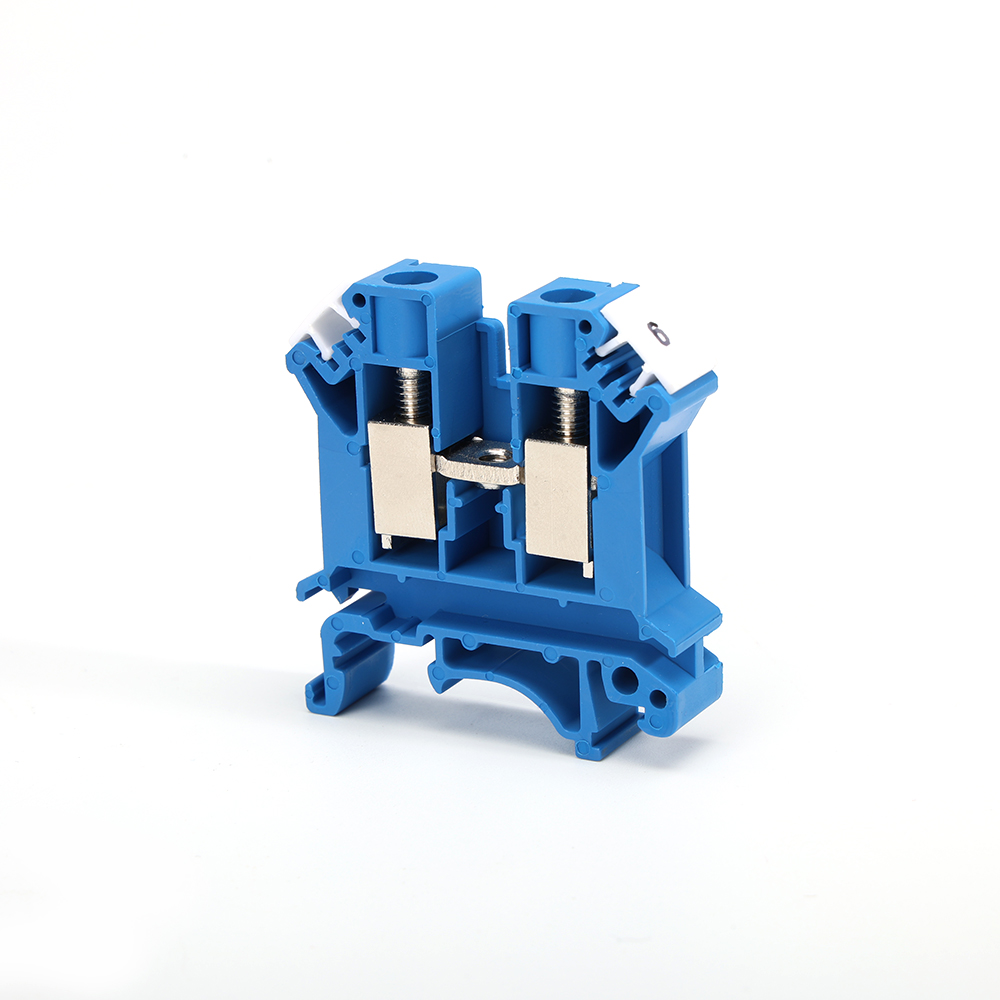
Overheating in a terminal block for DIN rail usually signals resistance buildup at the contact point. And once resistance rises, heat follows—creating a chain reaction that can damage insulation and nearby components.
You’ll often see this in overloaded panels or poorly ventilated cabinets.
Common triggers:
● High current beyond rated capacity
● Oxidized contact surfaces
● Loose termination pressure
Practical fixes:
● Select blocks with higher current ratings than operating load
● Use copper alloy or tin-plated contact materials
● Improve cabinet airflow or spacing between terminals
 Key points:
● Heat is usually a symptom, not the root problem
● Electrical resistance increases failure risk over time
● Proper derating improves system lifespan
● Thermal monitoring helps prevent unexpected shutdowns
Installation Difficulty in Control Panels
If you’ve ever worked inside a dense control cabinet, you already know the pain—tight space, complex routing, and limited visibility.
Many engineers report that installation issues are more about ergonomics than electrical design. Poorly designed DIN rail terminal block supplier products can slow down assembly significantly.
Challenges include:
● Difficult wire insertion angles
● Lack of clear mounting alignment
● Time-consuming rework during panel upgrades
Solutions:
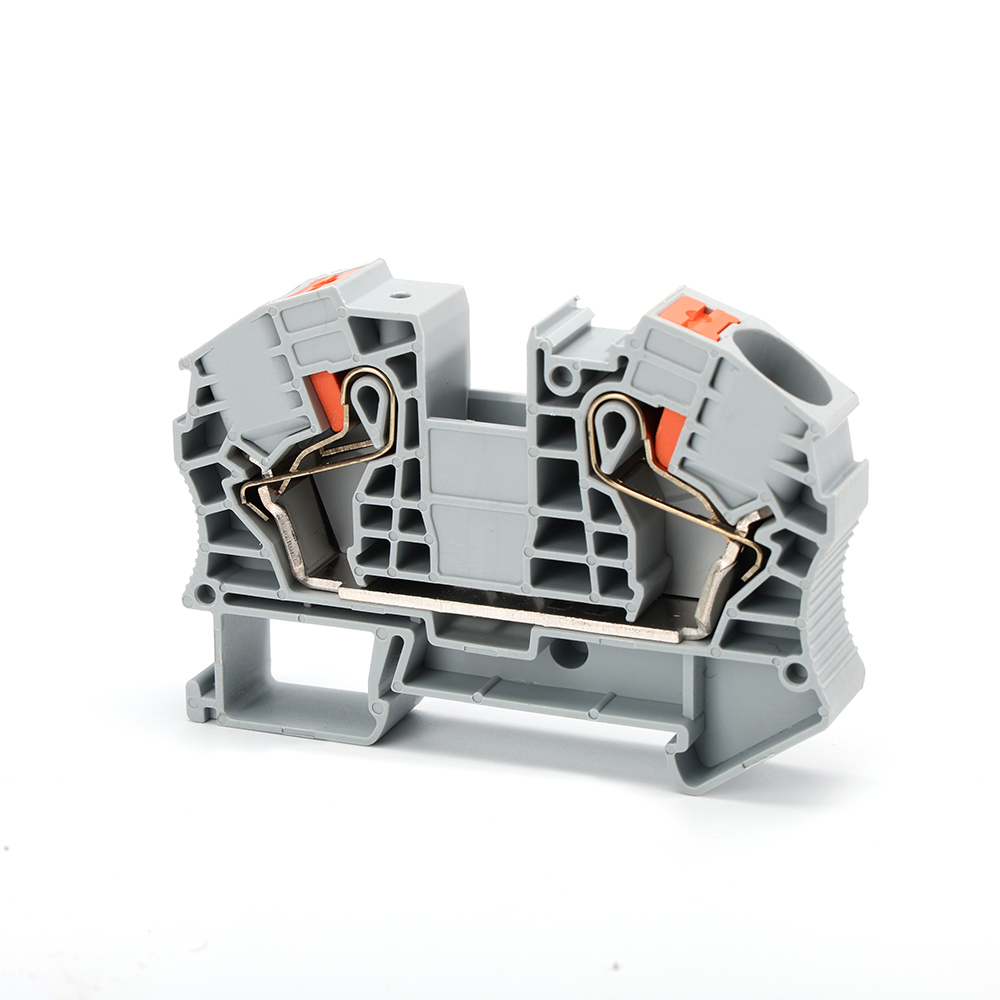
● Choose push-in or tool-free designs for fast installation
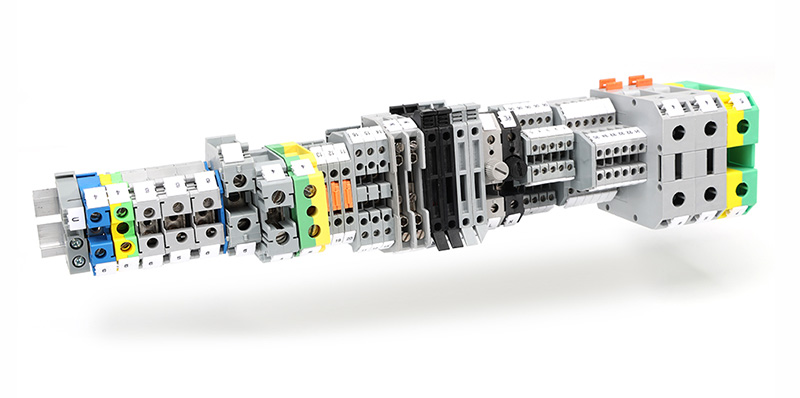
● Standardize modular rail layouts
● Use pre-marked wiring schemes during panel planning
Key points:
● Installation speed directly impacts project cost
● Modular design reduces human error
● Better access improves long-term maintenance
● Ergonomic design is often overlooked but critical
 Labeling and Identification Issues in Terminal Blocks
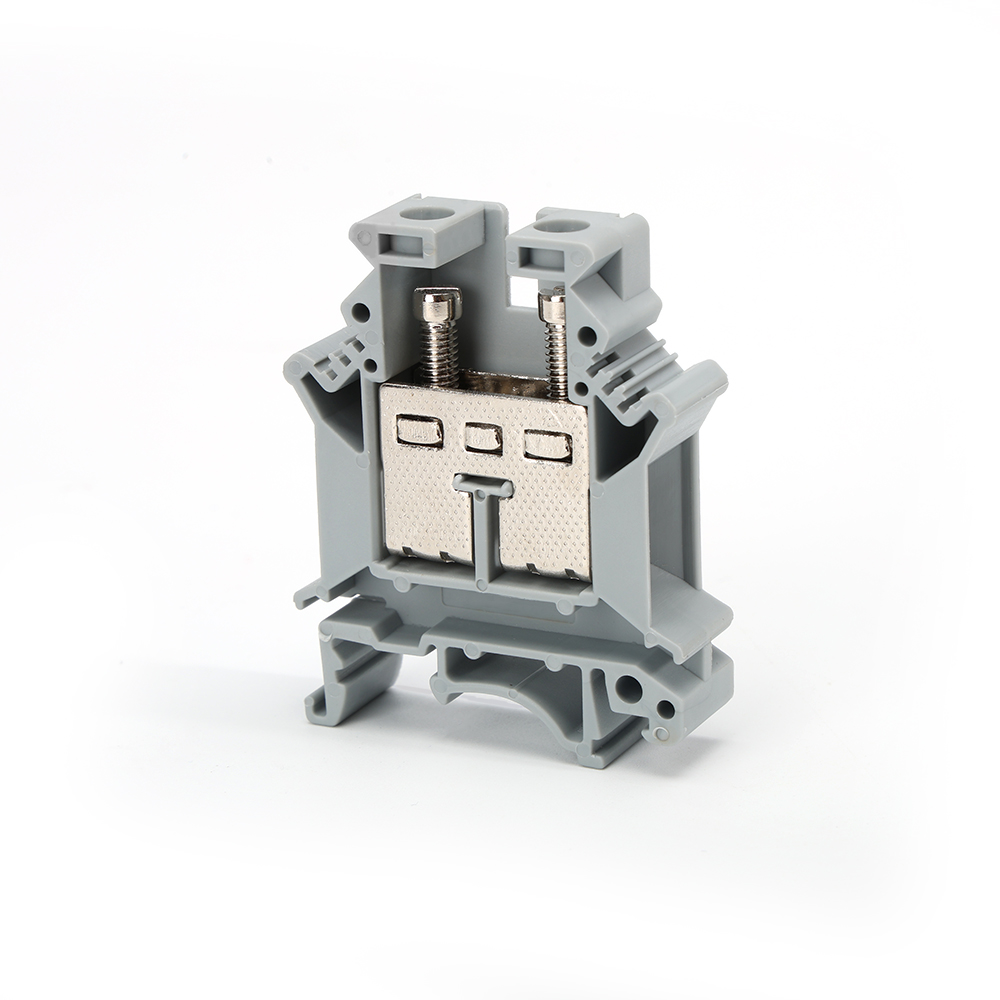
In large-scale industrial systems, unclear labeling is a silent productivity killer. When you’re troubleshooting hundreds of wires, unclear markings can turn a 10-minute fix into hours of guessing.
Typical problems:
● Faded or missing labels
● Inconsistent numbering systems
● Poor visibility in low-light cabinets
Solutions:
● Use laser-marked or molded labeling systems
● Standardize labeling across all China terminal block installations in your project supply chain
● Apply dual-side marking for better visibility
Key points:
● Clear labeling reduces maintenance time significantly
● Standardization improves cross-team collaboration
● Durable marking prevents long-term confusion
● Identification systems should match wiring documentation
Environmental Damage (Heat, Moisture, Corrosion)
Industrial environments are rarely clean or stable. Moisture, dust, and chemical exposure can slowly degrade terminal performance.
In offshore, chemical, or outdoor control systems, this becomes even more critical.
Common environmental risks:
● Corrosion from humidity or chemicals
● Thermal expansion and contraction
● Dust accumulation affecting insulation
Solutions:
● Select high-grade PA66 housing materials
● Use anti-corrosion plated metal parts
● Install protective enclosures for harsh environments
Key points:
● Environment determines product lifespan
● Material selection is as important as electrical rating
● Sealing and enclosure design matter in real deployments
● Preventive design beats reactive maintenance
How to Choose the Right DIN Mount Terminal Block
Choosing the right DIN mount terminal block isn’t just about price—it’s about matching electrical load, environment, and installation efficiency.
| Selection Factor | Key Consideration | Impact | Recommended Type | Common Mistake | Industrial Use Case |
|---|---|---|---|---|---|
| Current Rating | Load compatibility | Safety | High-current rated | Undersizing | Motor control |
| Wiring Method | Screw / spring / push-in | Stability | Spring clamp | Wrong torque use | Automation panels |
| Material | Heat & corrosion resistance | Durability | PA66 / copper alloy | Cheap plastic housing | Outdoor systems |
| Space Design | Panel density | Efficiency | Compact modular | Overcrowding | PLC cabinets |
| Certification | IEC/UL compliance | Compliance | Certified models | Ignoring standards | Export projects |
When you evaluate suppliers, especially a DIN rail terminal block supplier, always test samples in real load conditions instead of relying only on datasheets.
Why Engineers Prefer DIN Rail Terminal Blocks from Westlec
When you work in real industrial environments, consistency matters more than anything. Engineers often prefer Westlec because it focuses on predictable performance rather than overcomplicated design.
What you typically notice:
● Stable clamping force even after long vibration cycles
● Reliable compatibility with standard DIN rails
● Strong manufacturing consistency from a dedicated China terminal block production base
● Reduced maintenance calls in long-term installations
In many retrofit projects, switching to Westlec-style terminal blocks has reduced wiring faults simply because installation variability is minimized. It’s not magic—it’s controlled engineering tolerances and disciplined production quality.
FAQ
Why do terminal blocks get loose?
Usually due to vibration, thermal cycling, or improper torque during installation.
What causes terminal block overheating?
High resistance from loose connections, overload, or poor contact materials.
Are DIN rail terminal blocks interchangeable?
Generally yes, if they follow standard DIN rail dimensions, but performance still depends on rating and design.
What materials are best for industrial terminal blocks?
PA66 housing with copper or tin-plated conductive parts is widely used for durability.
What certifications should a terminal block have?
IEC and UL certifications are commonly required for industrial and export applications.
How long do DIN terminal blocks last?
In stable environments, they can last 10–20 years depending on load and conditions.
Why choose Westlec terminal blocks?
Because they offer consistent quality, stable performance, and reliability suited for industrial control systems.
Conclusion
If you work with control panels regularly, you already know that terminal blocks are small components with big consequences. A poorly chosen DIN mount terminal block can lead to overheating, wiring instability, and long-term maintenance headaches. On the other hand, selecting the right design, material, and supplier simplifies everything—from installation to troubleshooting.
Westlec positions itself as a reliable partner for engineers who want predictable performance rather than surprises in the field. If you’re sourcing components for industrial projects, it’s worth testing how their solutions fit into your real-world conditions—not just your drawings.
And honestly, in electrical systems, “good enough” rarely stays good enough for long.
 EN
EN  PT
PT