

When you need to procure electrical terminals for a project, the choice you often face is: insulated terminals or non-insulated terminals? Don’t worry, this guide will help you clarify your thoughts and make an informed decision.
Insulated Vs Non-Insulated Terminals
Structure And Appearance
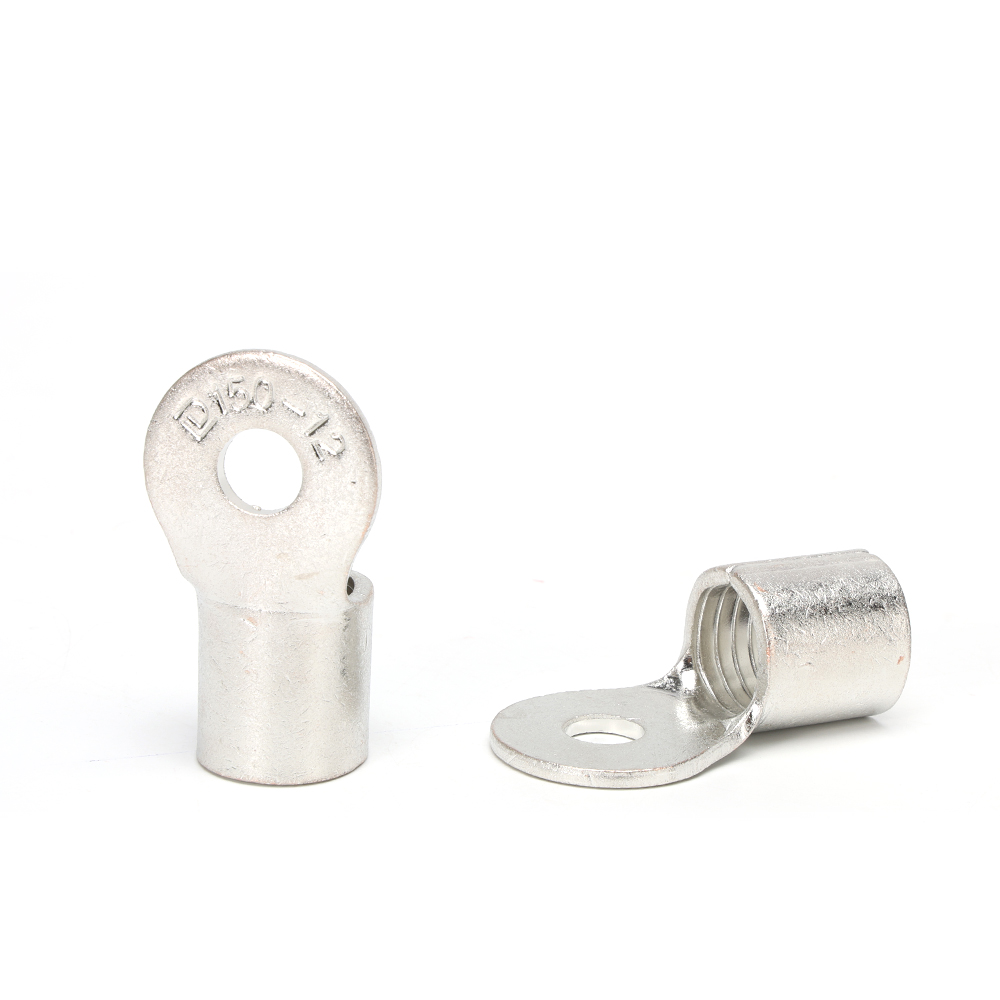
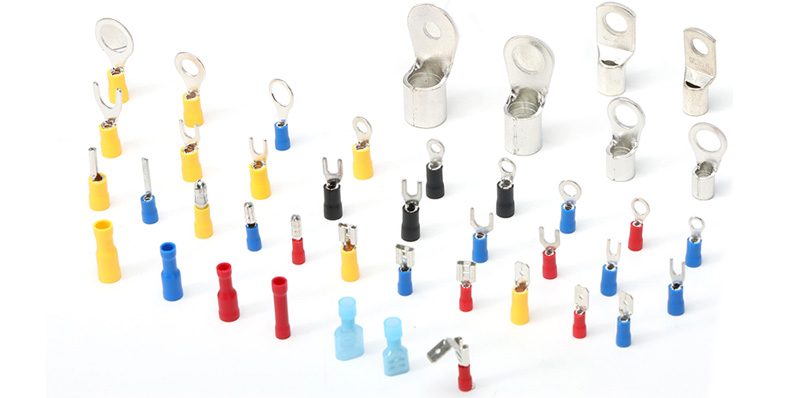
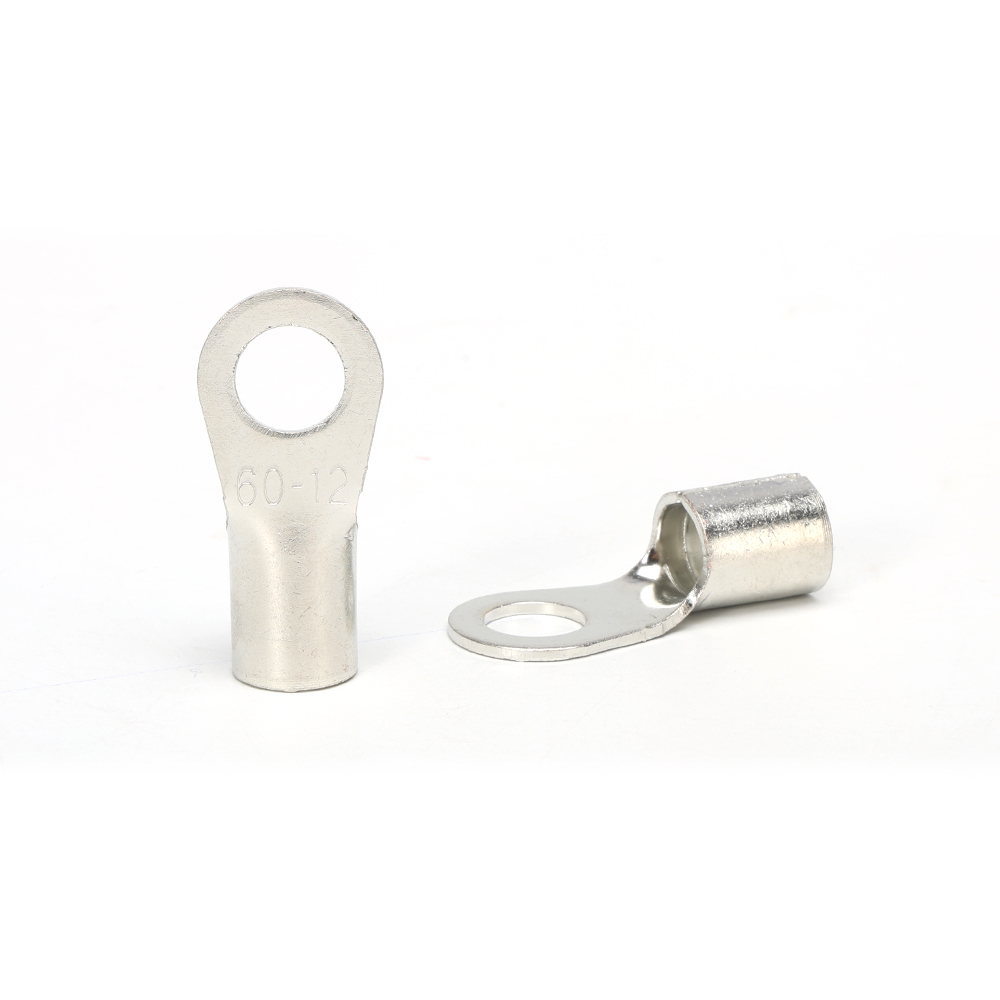
Non-insulated terminals are essentially bare metal parts—usually copper or tin-plated copper—and you can directly see the crimping sleeve and contact parts. Insulated terminals, on the other hand, have a plastic or nylon sheath wrapped around the metal part, commonly in colors such as red, blue, and yellow. This is not only for aesthetics but also indicates different wire specifications.
Core Advantages
The core value of insulated terminals lies in “protection”: protection against electric shock, short circuits, and corrosion. For example, in wiring inside a control cabinet, the insulation layer prevents accidental bridging caused by vibration. Westlec’s insulated terminals even include a sealing ring inside the sheath for use in humid environments—we’ll discuss this in more detail later.
What are the advantages of crimp non insulated terminals? Extreme compactness and heat dissipation. Engineers often choose them in space-constrained or high-current scenarios, such as certain automotive wiring harnesses or power distribution units.
Insulation Requirements
If your equipment needs to meet stringent safety standards (think of home appliances or medical devices), insulation is often a mandatory option. However, if the terminals themselves are housed within an insulating enclosure, such as inside a connector, non-insulated terminals can be more economical and efficient. Case study: A lighting manufacturer switched to non-insulated terminals at the connection points between the internal PCB board and the wires, resulting in a 15% cost reduction, and the failure rate did not increase due to improved heat dissipation.
Application Scenarios
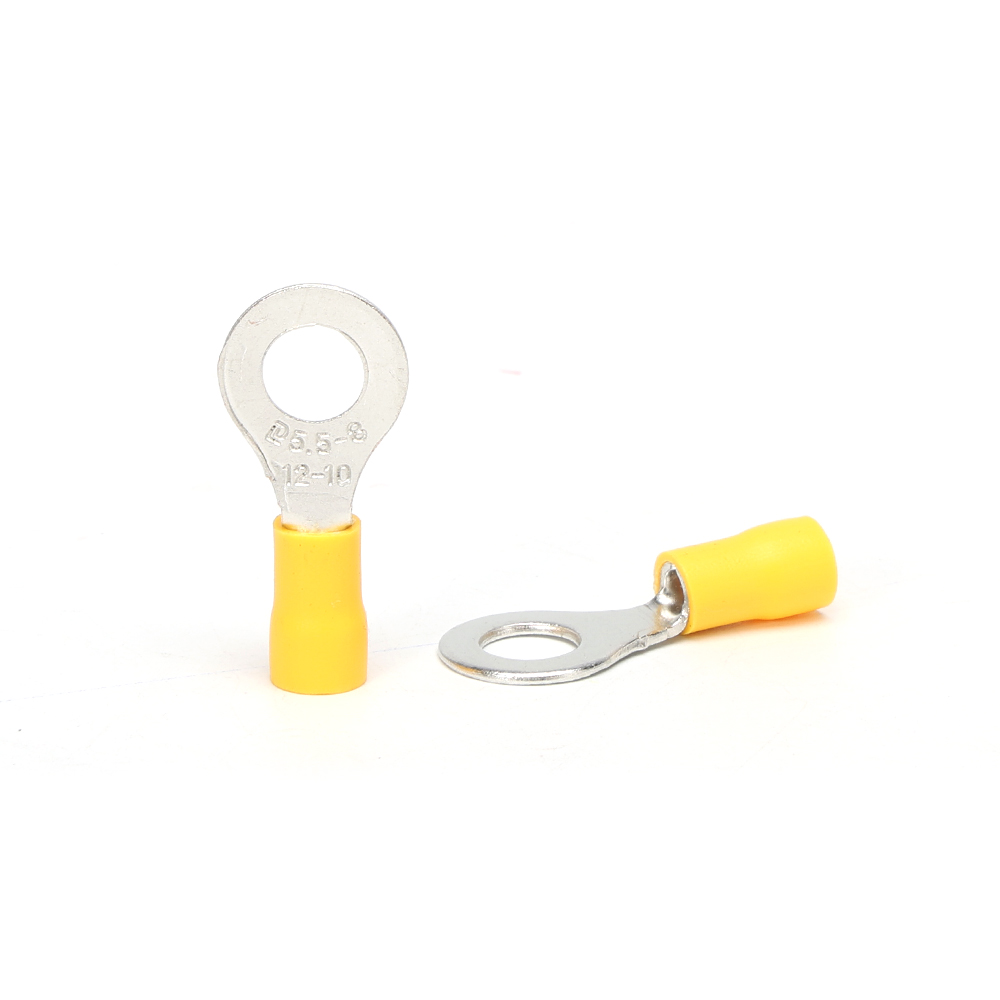
Insulated terminals: Consumer electronics, outdoor equipment, any area where users may come into contact with the wires, and scenarios with dense wiring of multiple wires running side-by-side.
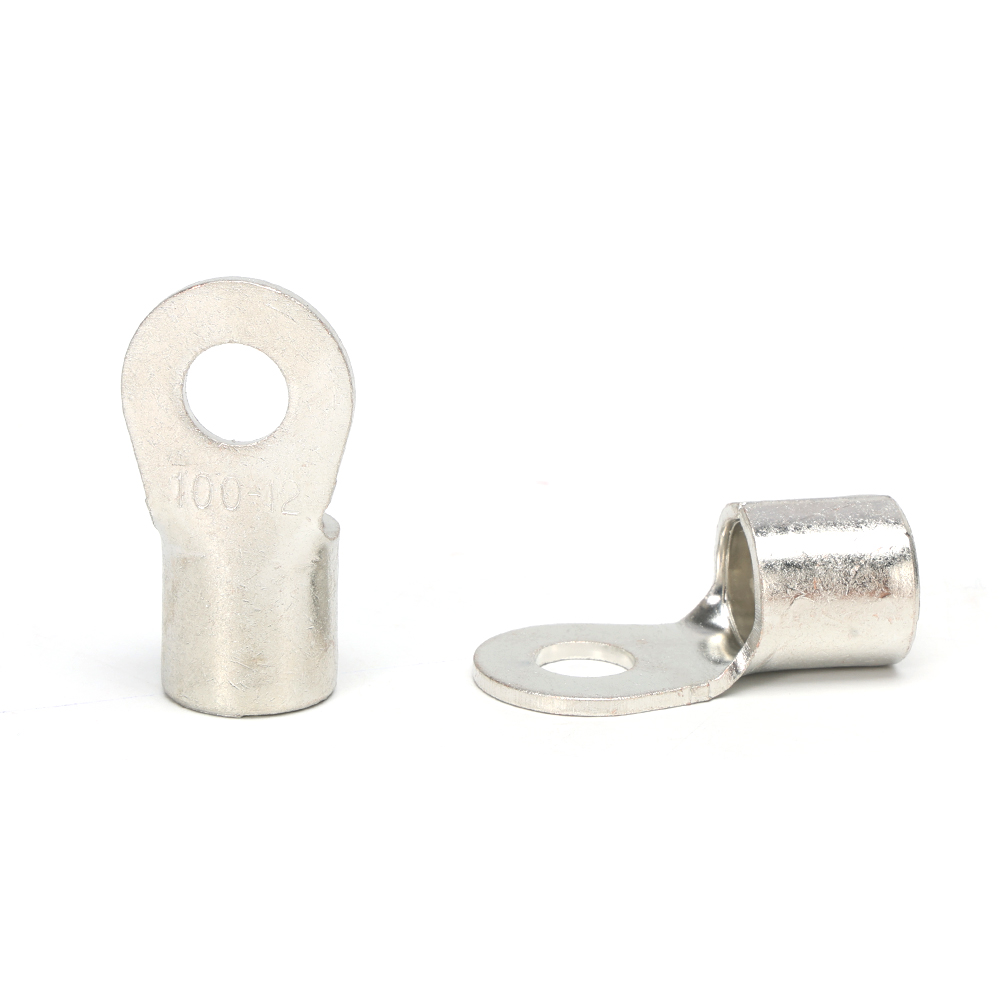
Non-insulated terminals: Inside sealed junction boxes, in high-temperature environments (note the temperature resistance rating of the insulation material!), and in situations requiring customized secondary insulation (e.g., potting processes).
Cost Considerations
Obviously, non-insulated terminals are generally cheaper. However, consider the overall cost when purchasing: insulated terminals eliminate the need for additional insulation steps, potentially reducing assembly costs. For bulk purchases, direct communication with suppliers like Westlec often yields optimized recommendations based on the overall solution.
Selection Guide: How To Choose?
Ask yourself four questions:
1) Are there any risks of humidity, vibration, or contact in the application environment?
2) Are there any mandatory regulations or certifications?
3) What are the space and heat dissipation limitations?
4) What is the overall budget? A clear answer sheet can help you filter out incorrect options.
FAQ
Which One Should Be Prioritized In Humid Environments?
Insulated terminals are the absolute priority, and preferably models with sealing rings. Westlec’s IP67-rated insulated terminals effectively resisted salt spray corrosion in a port machinery project, significantly extending their lifespan.
Is There A Difference Between Different Colors?
Usually! Colors often correspond to conductor cross-sectional areas. For example, red is commonly used for 0.5-1.5 mm², and blue for 1.5-2.5 mm². However, standards are not globally uniform; please check the specifications when purchasing.
From A Reliability Perspective, Which Terminal Is More Reliable?
Reliability depends on “suitability,” not the type itself. Both are highly reliable in the correct application. Insulated terminals have an increased potential risk of sheath aging, while non-insulated terminals are more sensitive to the installation environment. The key is to match your specific needs.
Conclusion
Choosing between insulated and non-insulated terminals isn’t a simple yes-or-no question, but a matter of matching. Understanding your application scenario, constraints, and long-term needs is key to finding the “just right” solution.
Make your procurement smarter and your connections more reliable.
As your professional electrical connection partner, Westlec not only offers a full range of high-quality insulated and non-insulated terminals, but also provides targeted selection support and cost optimization solutions.
 EN
EN  PT
PT