

Crimp connectors are small but essential components in electrical wiring that make your life way easier—if you know how to use them correctly. Whether you’re wiring for home projects, automotive repairs, or industrial installations, knowing the right techniques ensures your connections are safe, strong, and reliable. In this guide, you’ll learn everything from selecting the proper crimp connectors to using crimp spade connectors for various applications. By following this step-by-step approach, you’ll gain confidence in every wire connection you make.
How To Use Crimp Connectors
This is the heart of your guide, covering everything about crimp connectors, electrical crimp connectors, and wire crimp connectors. Mastering this section ensures your connections are safe, durable, and professional.
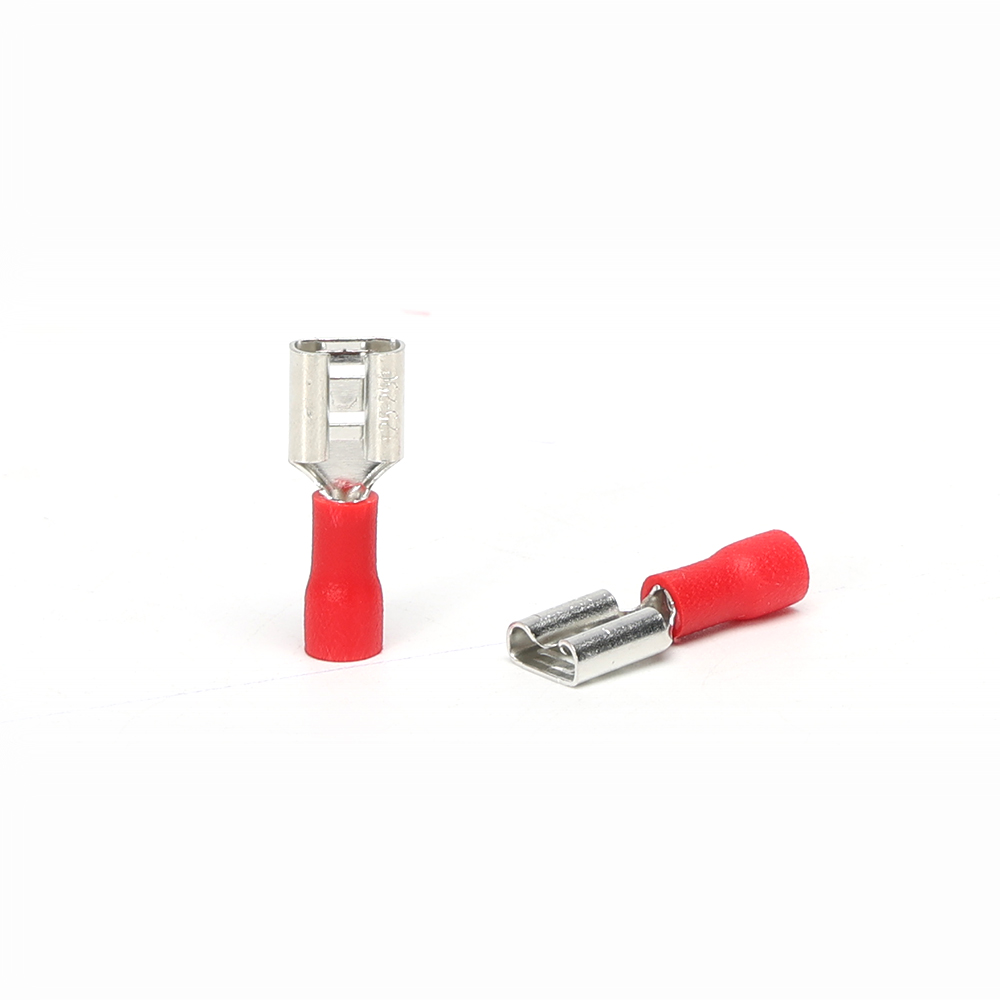 Selecting the Right Connector
Before crimping, check your wire gauge and project requirements. For example, using a crimp spade connector on 14 AWG automotive wire works well, but it may be too loose for 22 AWG. Always consult manufacturer specifications. Connector types include:
- Ring Terminals: secure to screws or posts.
- Spade/Blade Connectors: allow easy quick disconnect.
- Butt Connectors: join wires inline.
Case Example: A client installing RV wiring switched from generic pliers to proper crimp tools and saw zero connection failures afterward. Technique matters more than luck.
Preparing the Wire
Strip about 1/4 inch of insulation. Ensure no stray strands are sticking out. Poor stripping is a common reason for weak connections. For wire crimp connectors, accurate wire prep is critical.
Crimping Technique
- Fully insert the wire into the metal barrel.
- Place the connector in the right crimp die.
- Apply firm, steady pressure until the tool clicks.
- Perform a gentle tug test to confirm security.
Testing the Connection
A multimeter can verify continuity. Heat-shrink insulation adds protection for outdoor or automotive applications. Never energize circuits without testing.
Crimp Spade Connectors Tips
- Ideal for quick connect/disconnect
- Fit snugly on screw terminals
- Straight wire insertion ensures conductivity
- Use insulation if exposed to vibration or moisture
| Connector Type | Best Use | Wire Gauge | Notes |
|---|---|---|---|
| Ring Terminal | Permanent screw connection | 10–16 AWG | Use washer for tight fit |
| Spade Connector | Quick disconnect | 12–18 AWG | Perfect for automotive wiring |
| Butt Connector | Inline wire join | 14–22 AWG | Heat-shrink recommended |
| Blade Connector | Appliance wiring | 16–20 AWG | Ensure proper slot width |
Pro Tip: A crimp spade connector allows easy maintenance without damaging wires—ideal for DIY or commercial use.
Choosing the Right Crimping Tools
Tools You Need
- Crimping Tool: Match the die to connector type.
- Wire Strippers: Cleanly strip insulation without nicking wires.
- Heat Gun: Optional for heat-shrink connectors.
- Multimeter: Ensures continuity.
Key Points
- Never improvise with pliers; use the proper crimping tool.
- Match tool size to connector for maximum security.
- Ratcheting tools provide consistent pressure.
- Heat-shrink connectors protect against moisture.
- Check tool calibration regularly.
| Tool | Purpose | Recommended Use | Notes |
|---|---|---|---|
| Crimping Tool | Compress connector | All crimp types | Die must match connector |
| Wire Stripper | Strip insulation | 18–10 AWG wires | Avoid nicking wire strands |
| Heat Gun | Shrink insulation | Heat-shrink connectors | Controlled temperature |
| Multimeter | Test connection | Optional | Ensures reliable conductivity |
Common Applications of Crimp Connectors
Home Projects
- Lighting wiring
- Appliance repairs
- Low-voltage circuits
Automotive Wiring
- Car stereo installation
- Battery connections
- Sensor wiring
Industrial Applications
- Control panels
- Equipment wiring
- Power distribution
Case Example: One manufacturing client replaced soldered connections in a control panel with electrical crimp connectors, reducing installation time by 30% and improving reliability.
Troubleshooting Crimp Connector Issues
Common Problems
- Loose connections due to wrong wire gauge
- Damaged wire strands from improper stripping
- Crimping with the wrong tool
Solutions
- Match connector to wire gauge
- Inspect wire before crimping
- Use correct crimp die and tool
| Problem | Cause | Solution |
|---|---|---|
| Loose connection | Wrong wire gauge | Use correct connector size |
| Frayed wire | Improper stripping | Strip carefully, no stray strands |
| Weak crimp | Wrong tool | Use matching crimp die |
Safety Tips for Crimp Connectors
- Always disconnect power before working
- Inspect connectors before installation
- Use insulation when exposed to moisture
- Avoid over-crimping, which can damage wire
- Test all connections before energizing
FAQ
3. What’s the difference between a spade and ring connector?
A spade connector allows quick removal; a ring provides permanent attachment.
4. How do I know the right crimp connector size?
Check wire gauge and manufacturer specifications.
5. Can crimp connectors replace soldering?
Yes, for most applications, crimping provides a strong, reliable connection without solder.
6. Are insulated connectors better than non-insulated?
Insulated connectors reduce short-circuit risks and protect against vibration.
7. Can I use crimp connectors for automotive wiring?
Absolutely; crimp spade connectors are common in car wiring.
10. Can I use pliers to crimp connectors?
No; proper crimping tools ensure uniform pressure and reliable connections.
12. How can I prevent crimp failures?
Use the correct connector, tool, and wire gauge; inspect after crimping.
15. Are crimp connectors suitable for high-voltage circuits?
They can be, if rated appropriately. Always follow manufacturer specifications.
16. How to remove a crimp connector safely?
Use the proper tool to release the metal sleeve without damaging the wire.
18. How do I test a crimped connection?
Check continuity with a multimeter or gently tug test for mechanical security.
19. What is the best tool for spade connectors?
A ratcheting crimping tool sized for your spade connector type.
20. Why do some crimped wires fail over time?
Incorrect wire prep, wrong connector size, or insufficient crimping pressure.
Conclusion
Using crimp connectors correctly transforms any wiring project from risky to reliable. With the right tools, proper wire preparation, and attention to technique, you can safely and efficiently connect wires for home, automotive, or industrial projects. Don’t settle for loose or unreliable connections—invest in quality crimp tools and connectors, follow this guide, and your wiring work will always shine. Take action today: check your connectors, grab a proper crimping tool, and start practicing safe, durable connections!
 EN
EN  PT
PT