


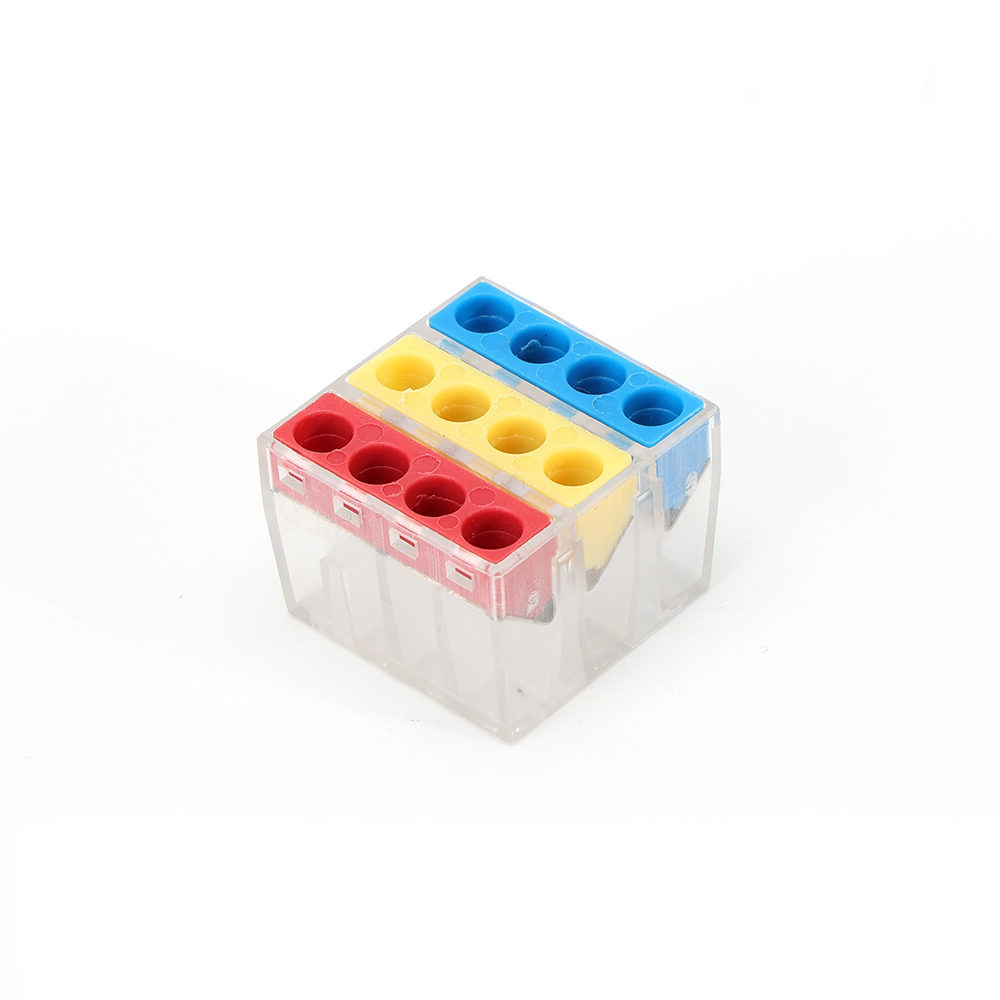
Blocos de terminais push-in have become a favourite in control panels, distribution boards, and electrical enclosures because they let you connect solid and stranded conductors in seconds — no screw tightening required. But that speed creates one common failure mode: wire strand damage. When strands are nicked by a knife, bent against the contact cage, or pushed past the spring, the connection loses current-carrying capacity and can overheat, loosen, or fail under vibration.
In this guide, the WESTLEC technical team explains how to prevent wire strand damage in push-in wire terminal blocks using six field-tested steps, compares push-in with other connection methods, and answers the questions B2B buyers ask most before specifying terminals for a project.
2. How To Prevent Wire Strand Damage In Push In Wire Terminal Blocks
2.1 Choose The Right Wire Size And Type
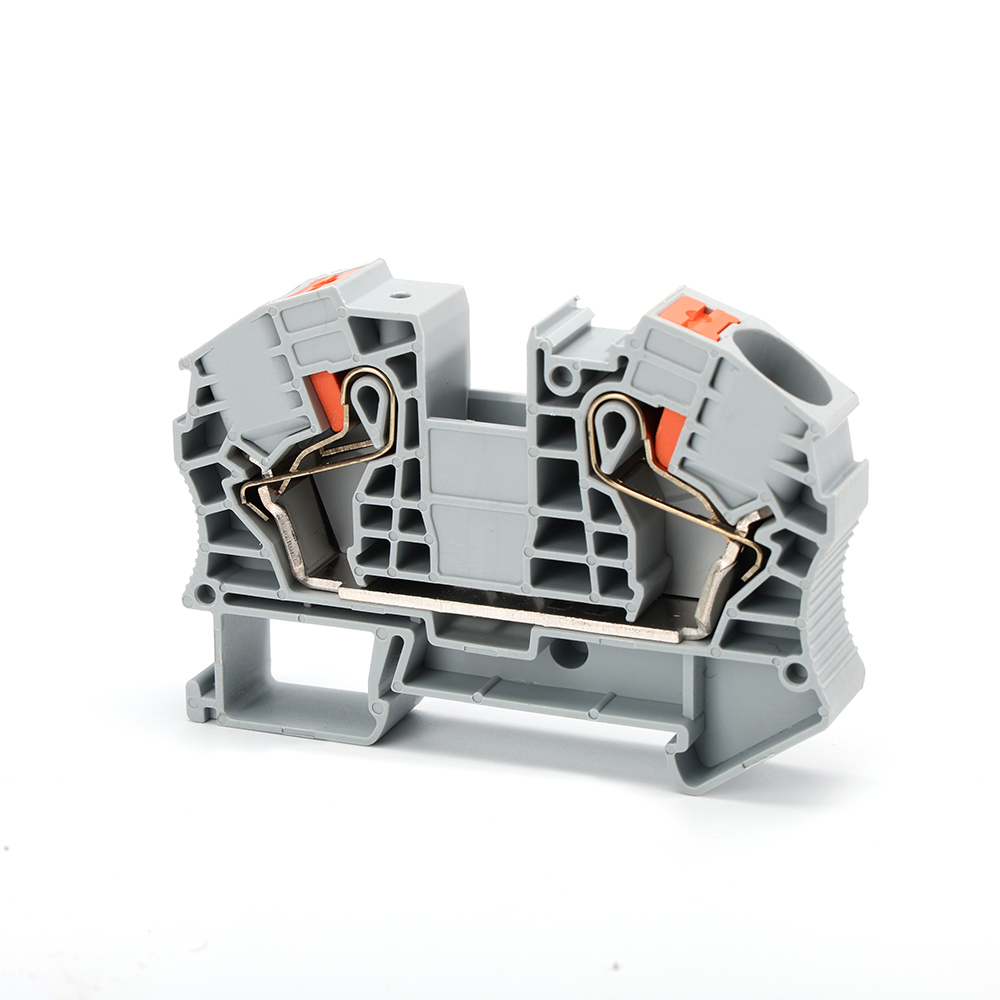
Every push-in terminal is rated for a conductor cross-section range, and staying inside it is the first defence against strand damage. The WESTLEC Bloco terminal push-in VPT 2.5 accepts rigid wire from 0.14–4 mm² and flexible wire in the same range, with a nominal rating of 800 V / 24 A. Wire that is too thick will not seat cleanly and tempts the installer to force it; wire that is too thin is not gripped firmly by the spring and slips or frays. Always match the conductor to the terminal’s declared section and use certified copper conductors with the correct stranding class for your duty cycle.
2.2 Strip Wire Correctly Before Terminal Insertion
Incorrect stripping is the number-one cause of strand damage. Strip too little and the insulation enters the contact cage; strip too much and bare conductor protrudes, inviting a short circuit. For the VPT 2.5, the recommended stripping length is 8–10 mm. Always use a calibrated wire stripper rather than a knife, and avoid nicking the conductor. A clean, square cut at the correct exposure length is the single biggest factor in a damage-free push-in connection.
| Conductor type | Recommended strip length | Most common mistake |
|---|---|---|
| Solid wire (0.5–1.5 mm²) | 8–10 mm | Insulation left inside the cage |
| Stranded wire with ferrule | 8–10 mm (ferrule barrel) | Ferrule not fully crimped |
| Fine-stranded / flexible wire | 9–10 mm | Strands splaying before insertion |
2.3 Avoid Excessive Force During Wire Pushing
The spring inside a push-in terminal is strong by design. Solid wire usually inserts directly, while flexible (stranded) wire typically needs a screwdriver to depress the release spring — the VPT 2.5 specifies screwdriver assistance for flexible conductors. Forcing a stranded wire in by hand bends the strands against the cage and damages the spring. Use the actuator slot with a flat-blade screwdriver, insert the wire gently until it seats with a slight click, then withdraw the tool. Neverhammer, twist, or lever the wire into place.
2.4 Ensure Proper Wire Alignment Inside Terminal
Strands splay when the conductor enters at an angle. Hold the wire straight and aligned with the insertion channel; for flexible conductors a ferrule (see 2.5) keeps every strand parallel. After insertion, give the wire a light pull-test — it should not withdraw. Misalignment is a leading reason a connection passes the bench test but fails after months of vibration in the field.
2.5 Use Ferrules For Stranded Wire Protection
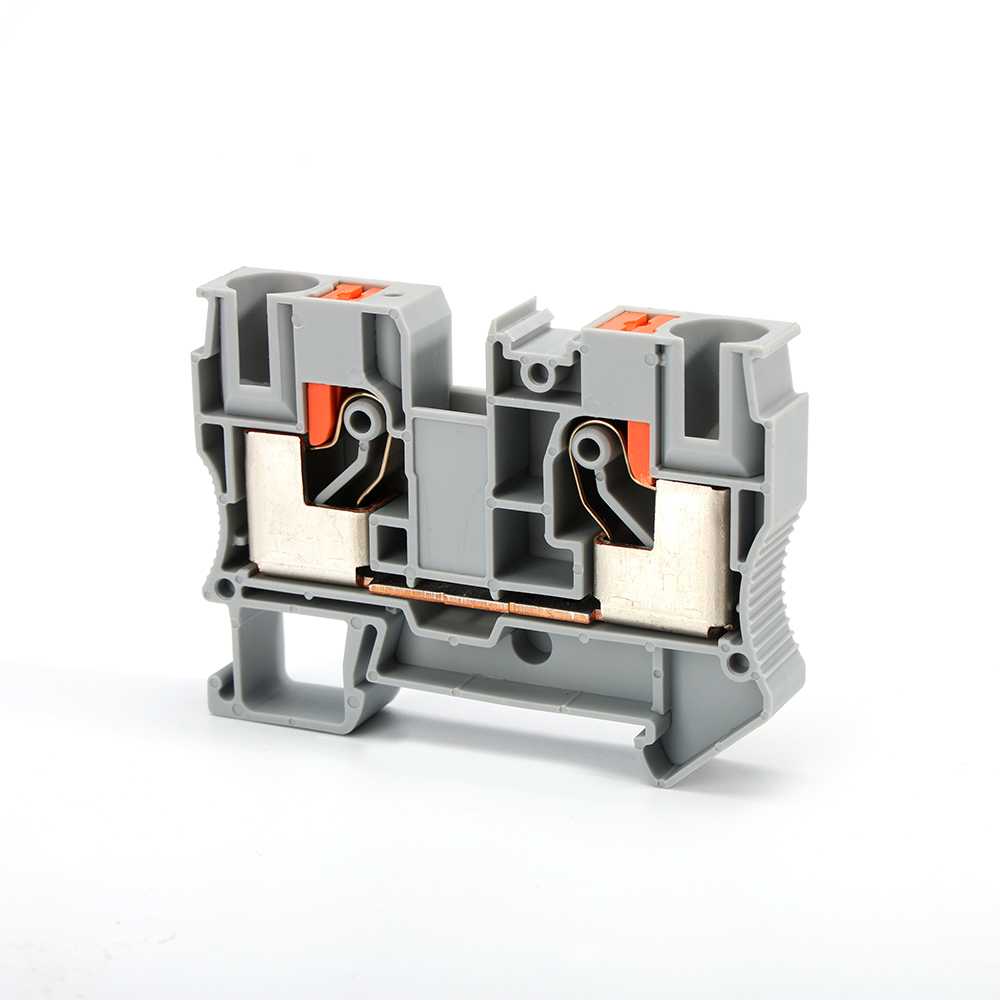
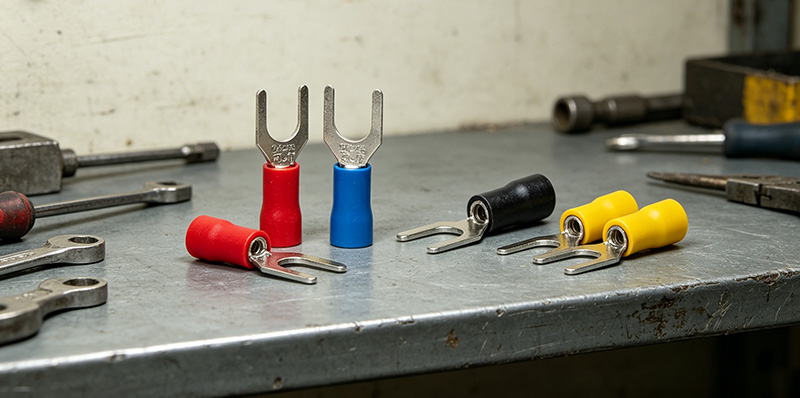
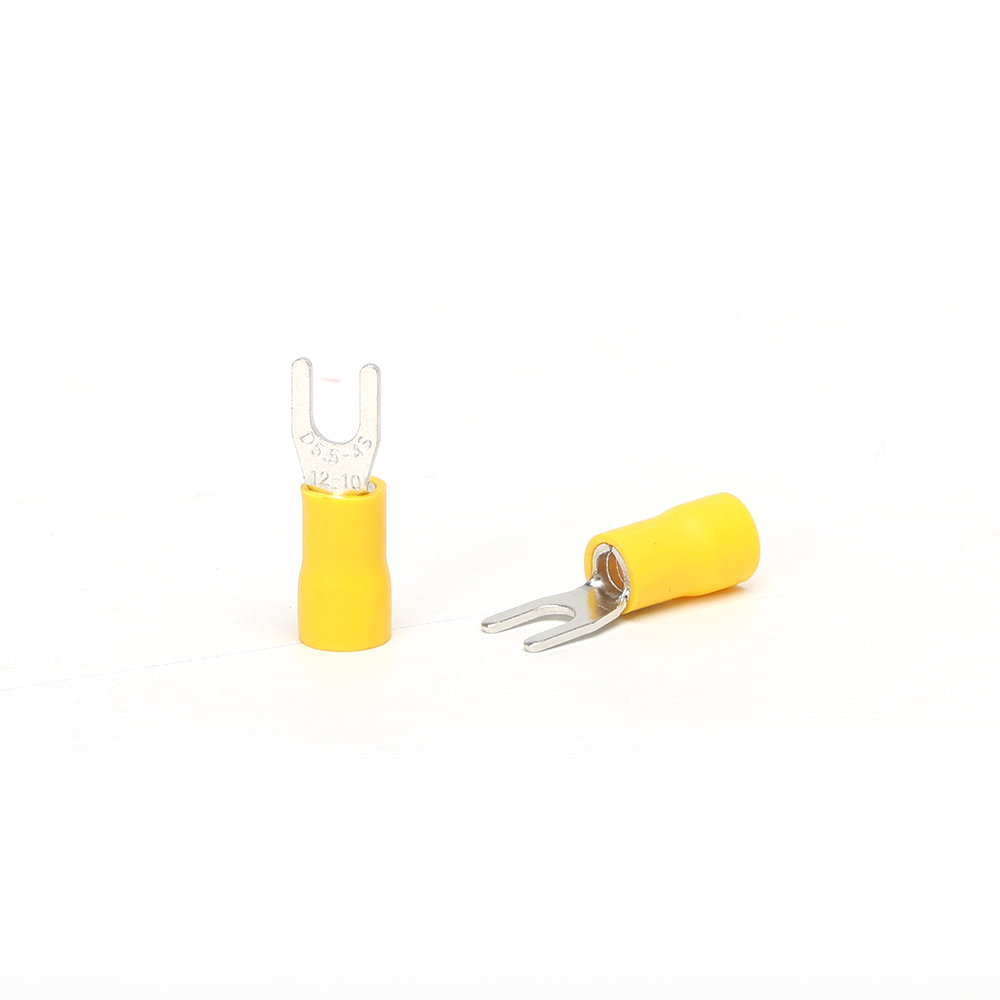
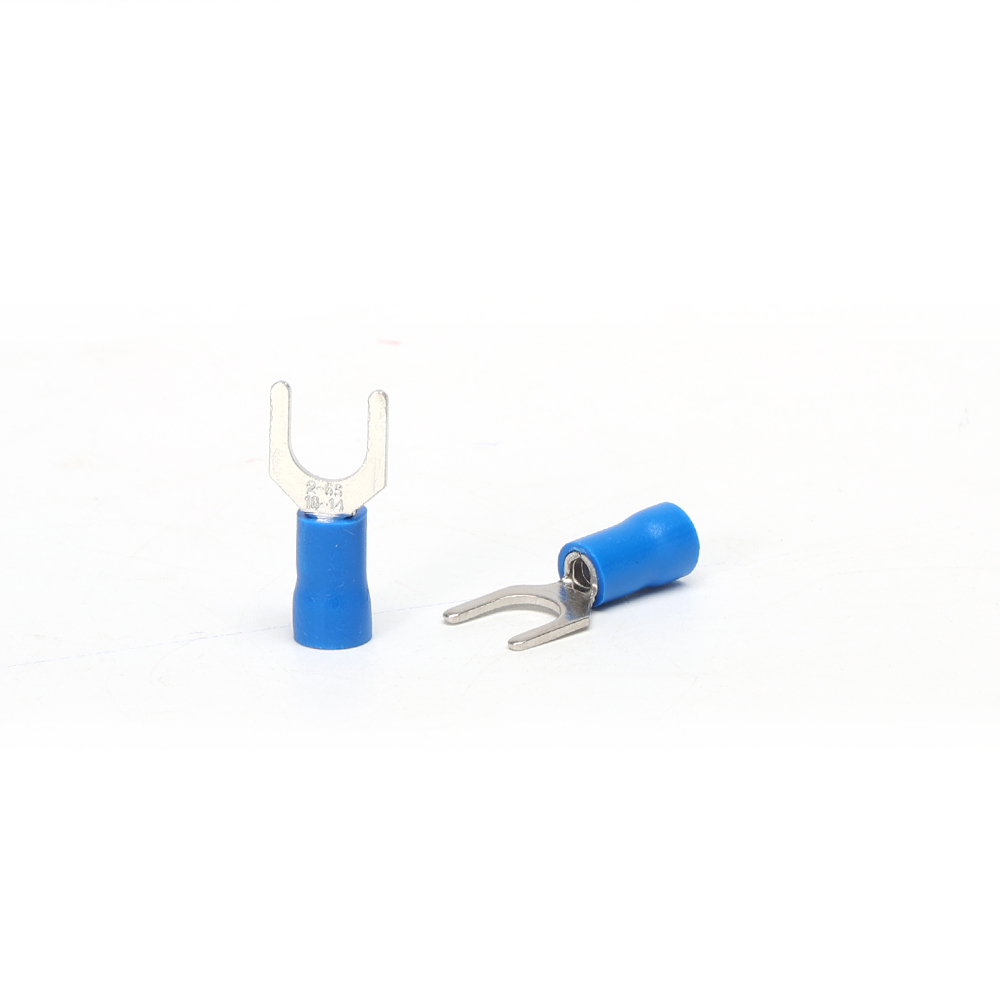
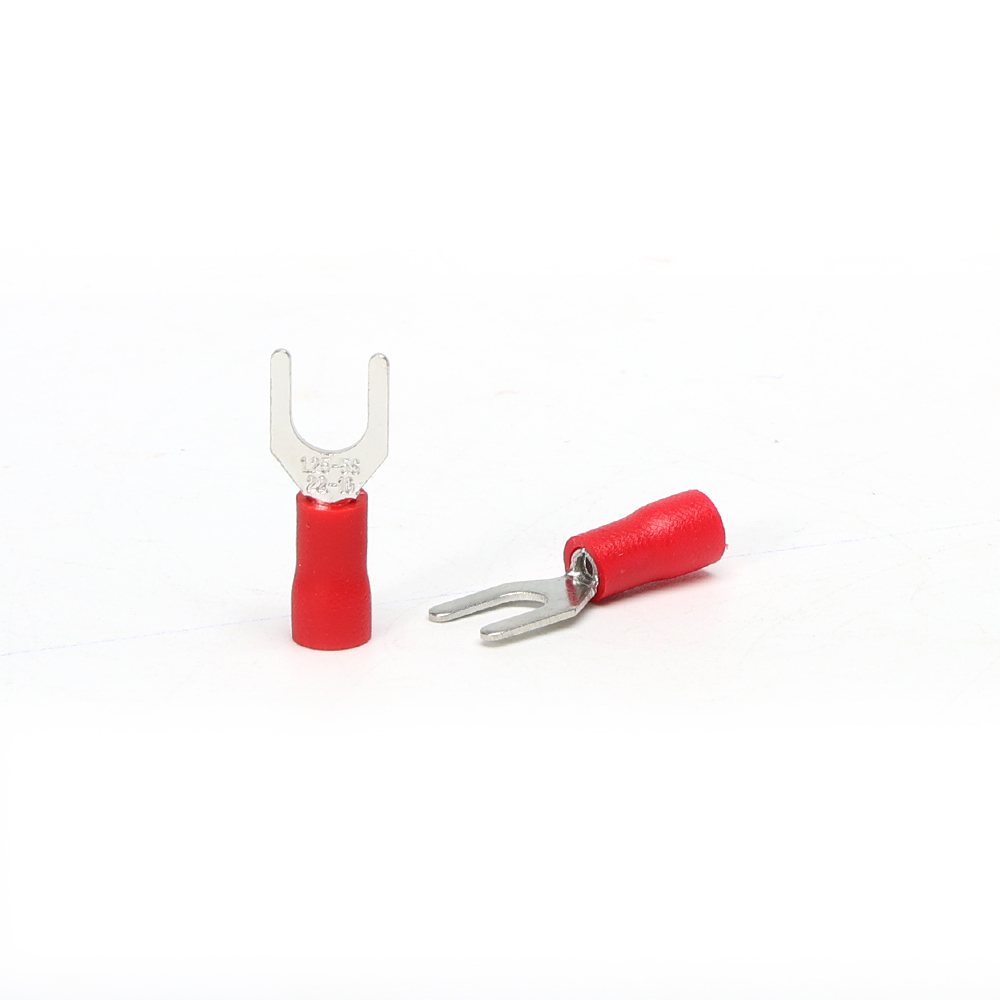
Fine-stranded conductors are the most vulnerable to strand damage. A crimped ferrule gathers all strands into a single rigid tip, preventing splaying and protecting the conductor from over-compression by the spring. WESTLEC offers a full range of insulated crimp terminals for exactly this purpose. For any stranded or flexible wire in a push-in terminal, fitting a ferrule is the professional standard and measurably extends connection life and pull-out resistance.
2.6 Check Wire Connection After Installation
A final verification catches damage before energising. Visually confirm that no insulation is inside the cage and no bare strand protrudes; perform a pull-test on each conductor; and on completed panels, run a continuity and torque check. For B2B panel builders supplying internationally, recording this check supports traceability, compliance, and warranty claims — and it is where most hidden strand damage is found and fixed.
3. Push In Vs Other Terminal Connection Methods
Choosing the right termination method protects your strands and your schedule. The three dominant options behave very differently:
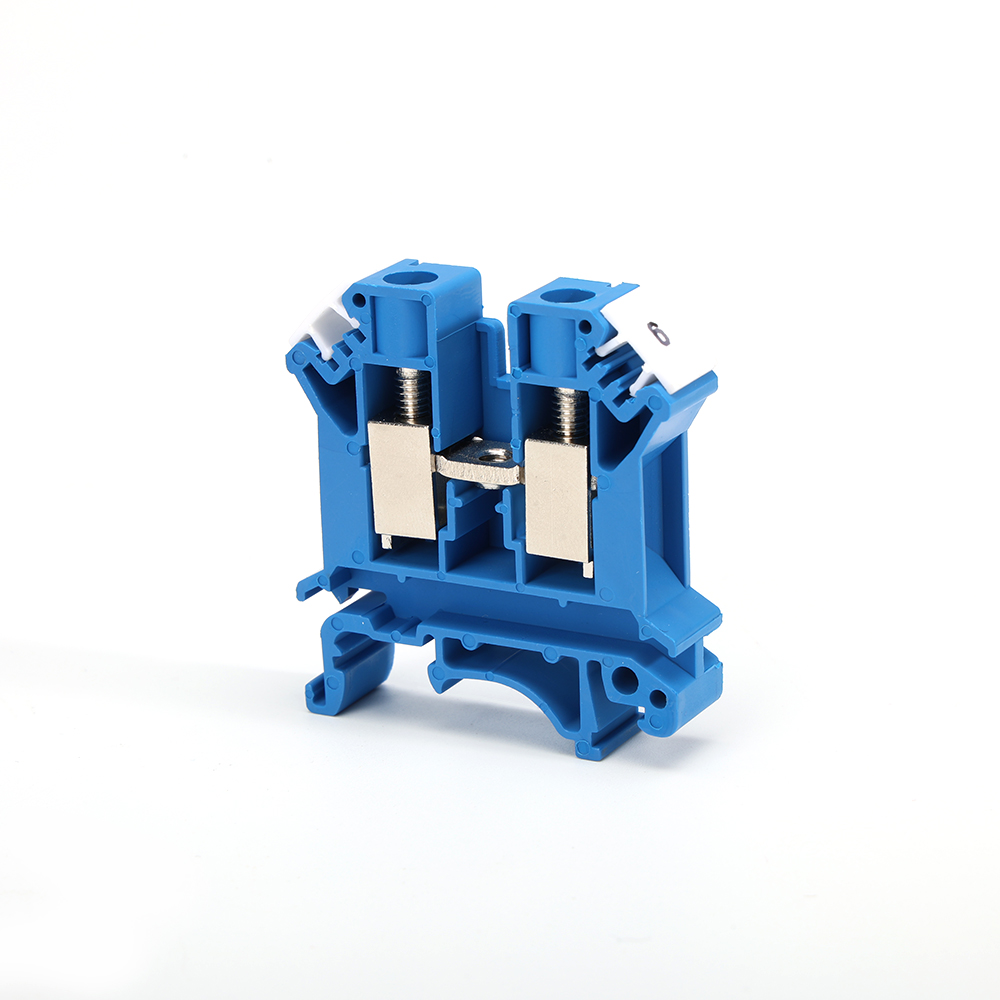
- Terminais de parafuso — Mechanically robust and familiar, but slow to wire and sensitive to torque. Over-tightening cuts strands; under-tightening loosens under heat cycling.
- Spring-cage terminals — Tool-assisted, excellent for high-vibration environments, but slower than push-in for solid wire.
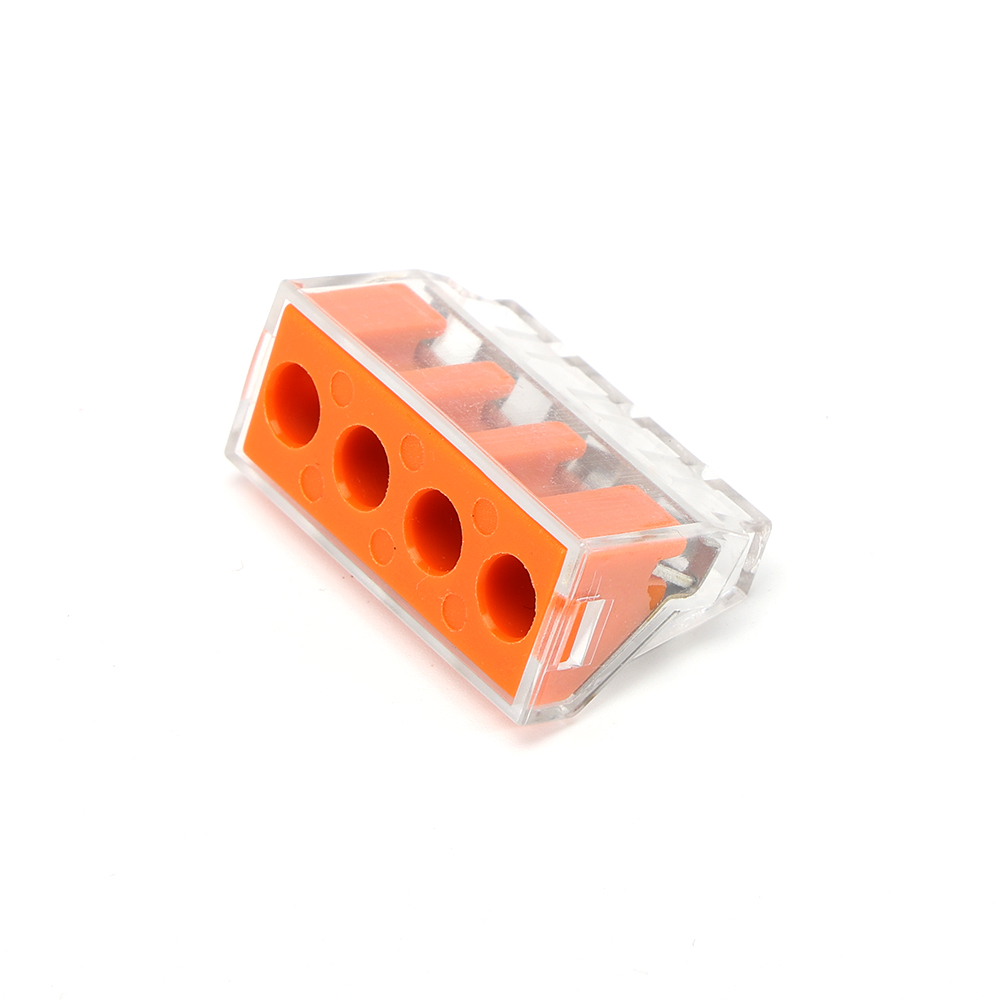
- Terminais push-in — Fastest to install (tool-free for solid wire) and lowest error rate when wired correctly, but flexible wire needs a ferrule and a screwdriver actuator.
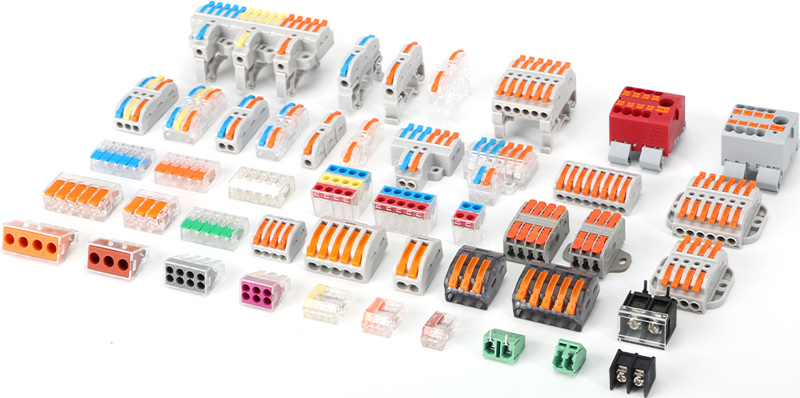
For high-volume panel builds where speed matters, quick-connection terminal blocks and push-in types deliver the best labour saving — provided the six steps above are followed.
Specify the Right Push-In Terminal for Your Panels
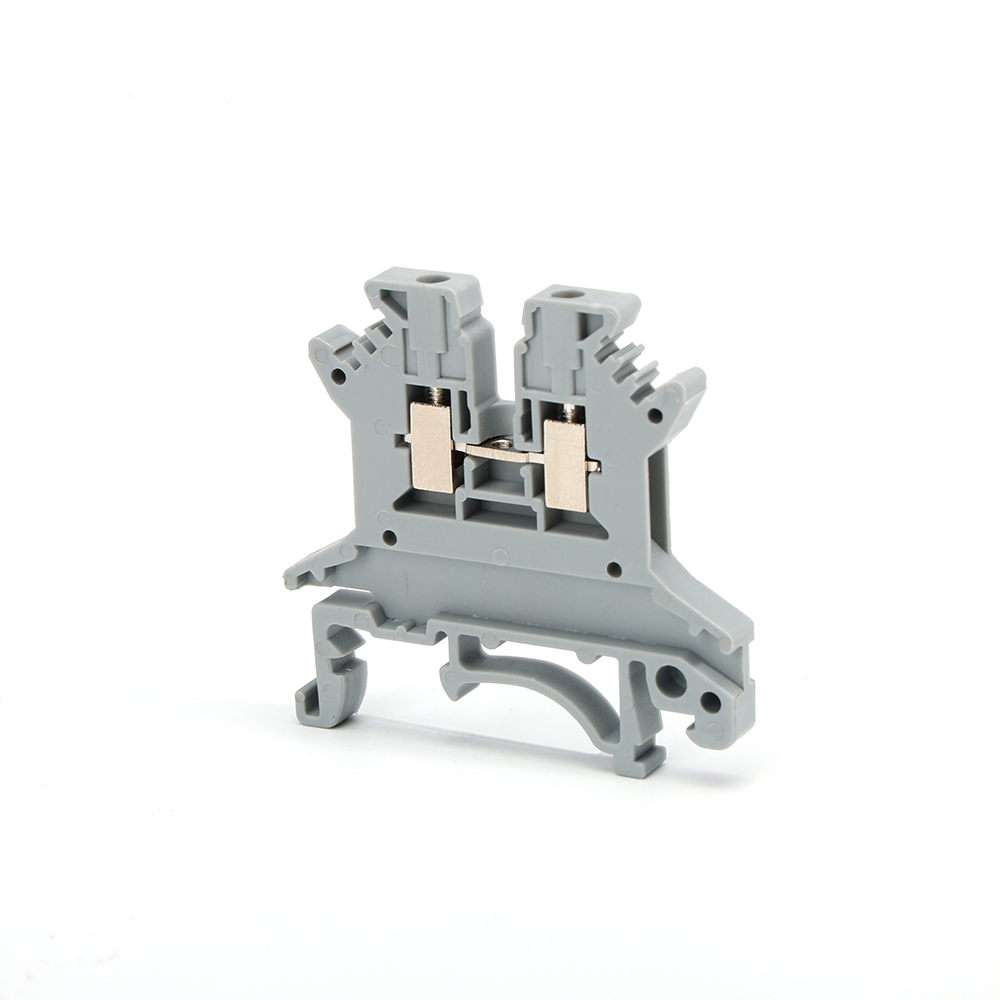
WESTLEC supplies factory-direct push-in DIN rail terminal blocks (VPT 1.5 to VPT 6), ferrules, and crimp terminals with full technical datasheets and fast global delivery. Send us your wire size, current, and rail type — our engineers will recommend the exact part.
4. Perguntas frequentes
How Long Do Push In Wire Terminal Blocks Last?
With a constant-force spring and correctly prepared wire, quality push-in terminals last 20+ years and survive thousands of mating cycles. The WESTLEC VPT series uses a self-compensating spring that maintains contact pressure despite vibration and thermal expansion, so lifespan is governed more by environment than by the connection style itself.
How Do Push Terminal Blocks Improve Wiring Efficiency?
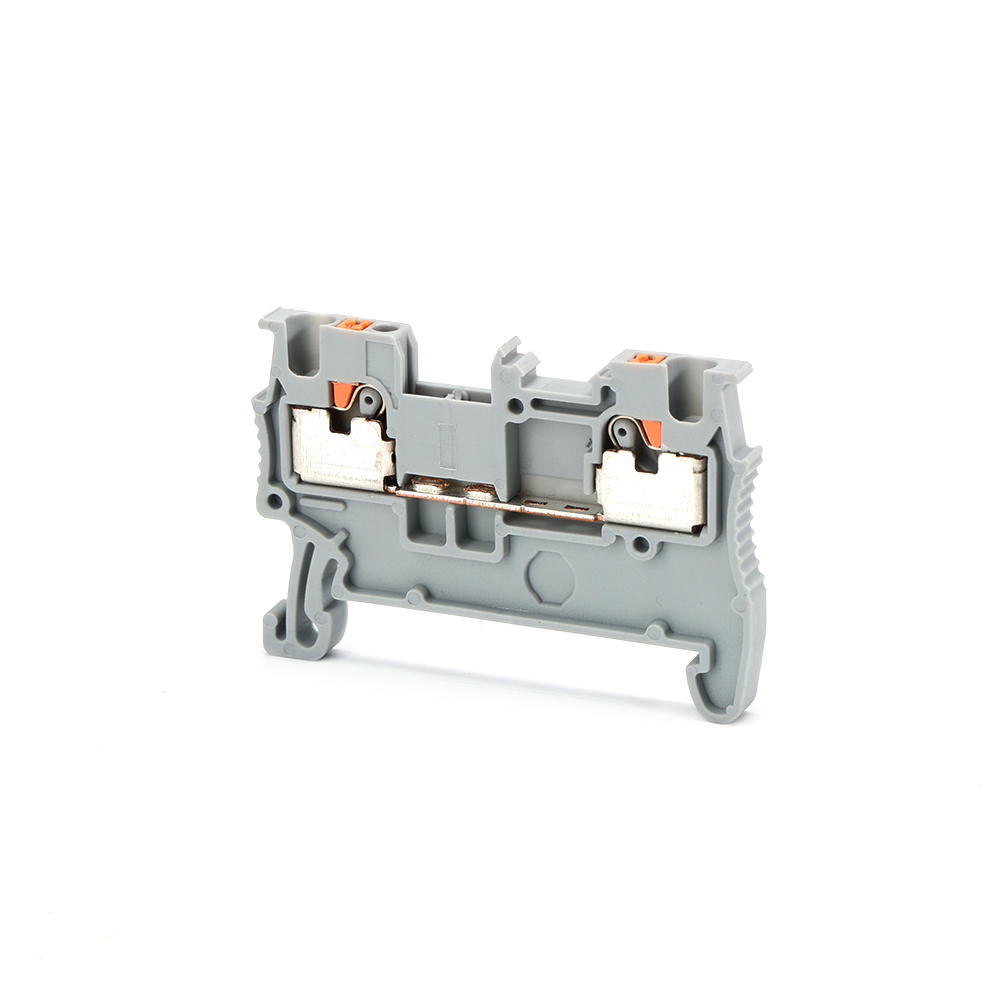
For solid wire they are tool-free and insert in one motion, cutting wiring time versus screw terminals and reducing training needs. Fewer steps mean fewer installation errors, and colour-coded, transparent housings speed visual verification on busy panels.
How To Prevent Wire Damage In Push In Type Terminal Blocks?
Follow the six steps in this article: size the wire correctly, strip to the rated length (8–10 mm for VPT 2.5), never force the wire, keep it aligned, fit ferrules on stranded conductors, and verify every connection. Most damage is prevented at the stripping and insertion stage.
What Is The Difference Between Push In And Screw Terminal Blocks?
A push-in terminal clamps the wire with a spring; a screw terminal clamps it with a threaded screw. Push-in is faster and immune to loosening from under-torque, while screw types suit very high currents and users who prefer a familiar, torque-verified join. Both can damage strands if misused.
What Is The Difference Between Insulated And Non-Insulated Terminals?
Insulated terminals have a colour-coded sleeve (usually PVC or nylon) over the crimp barrel that protects against accidental short circuits and identifies wire size; non-insulated terminals are a bare metal barrel crimped directly. For push-in wiring, insulated ferrules are the safer choice in dense enclosures.
How To Choose The Right Push In Din Rail Terminal Blocks For Your Project?
Start from your conductor cross-section, nominal voltage and current, number of levels or potentials needed, and the DIN rail type (typically TH35-7.5). Then decide whether your wires are solid or stranded — stranded runs should use ferrules. WESTLEC’s VPT range covers 1.5–6 mm² and pairs with standard TH35 rails and marking accessories.
5. Conclusão
Wire strand damage in push-in terminal blocks is almost always preventable. Match the wire to the terminal, strip to the rated length, align and seat without force, protect stranded conductors with ferrules, and verify before energising. Done consistently, these steps turn a fast connector into a long-lived, compliant one. For a practical walkthrough of WESTLEC’s push-in range, read our WESTLEC push-in terminals wiring guide, and contact our team whenever you need a part recommendation.
Recursos relacionados
- Simplifique sua fiação com os terminais Westlec Push-In
- Barramento neutro: um componente -chave em sistemas de distribuição elétrica
- Barbos: a espinha dorsal da distribuição de energia elétrica
- WESTLEC Blog — More wiring guides and product insights
Sobre WESTLEC
WESTLEC is a factory-direct manufacturer of low-voltage electrical accessories — push-in and DIN rail terminal blocks, quick-connection terminals, crimp terminals, busbars, cable glands, and industrial sockets — serving automation, power distribution, and panel-build customers worldwide. Learn more about our company and production capabilities.
 PT
PT  EN
EN 