

When you are managing an industrial facility, a single loose connection can bring an entire automated production line to a halt. As a procurement manager or electrical engineer, you know that the reliability of your control panels and power distribution systems hinges on the smallest components. Among these, the DIN rail screw terminal block is a foundational element. While traditional screw connections have been the industry standard for decades due to their robustness and simplicity, they arenot immune to failure. Over time, thermal cycling, vibration, and environmental factors can compromise their integrity. Ignoring the early warning signs of terminal block failure can lead to catastrophic equipment damage, costly unplanned downtime, and severe safety hazards.
This guide will walk you through the top 5 critical signs of DIN rail screw terminal block failure that you absolutely cannot afford to ignore. By understanding these indicators, you can shift your maintenance strategy from reactive to proactive, ensuring your operations run smoothly and safely.
What is a DIN Rail Screw Terminal Block?
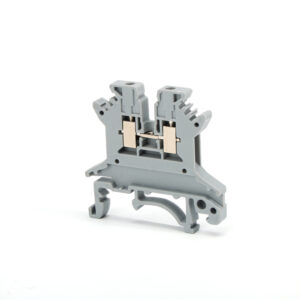
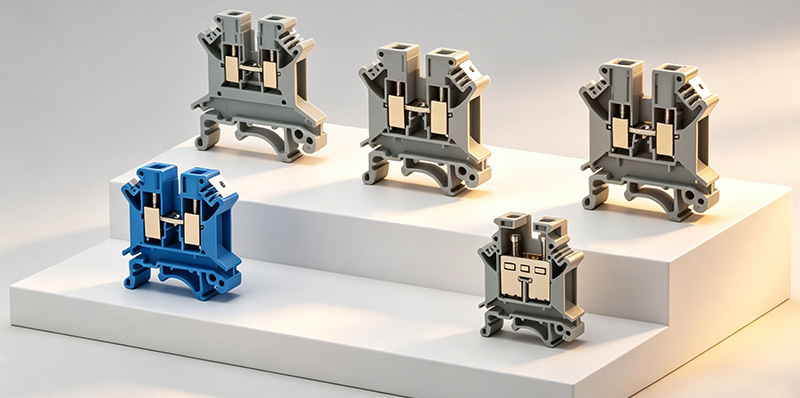
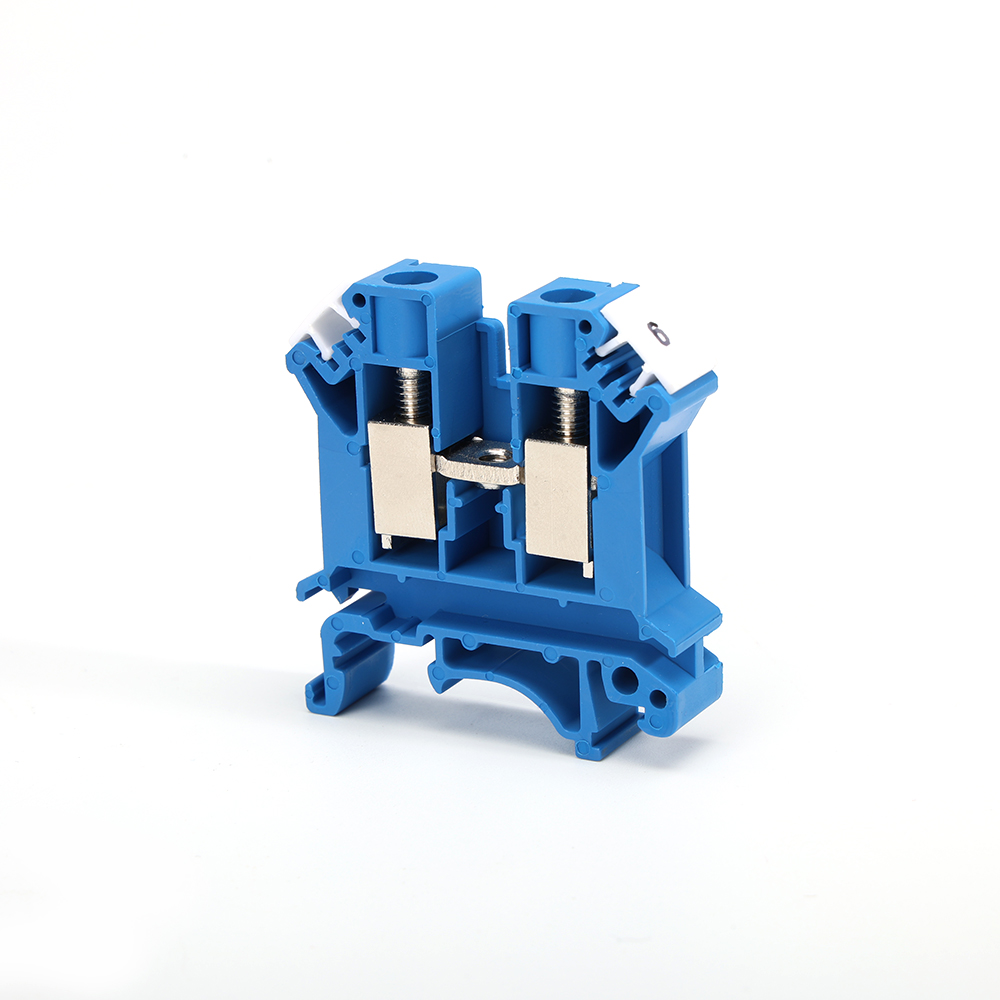
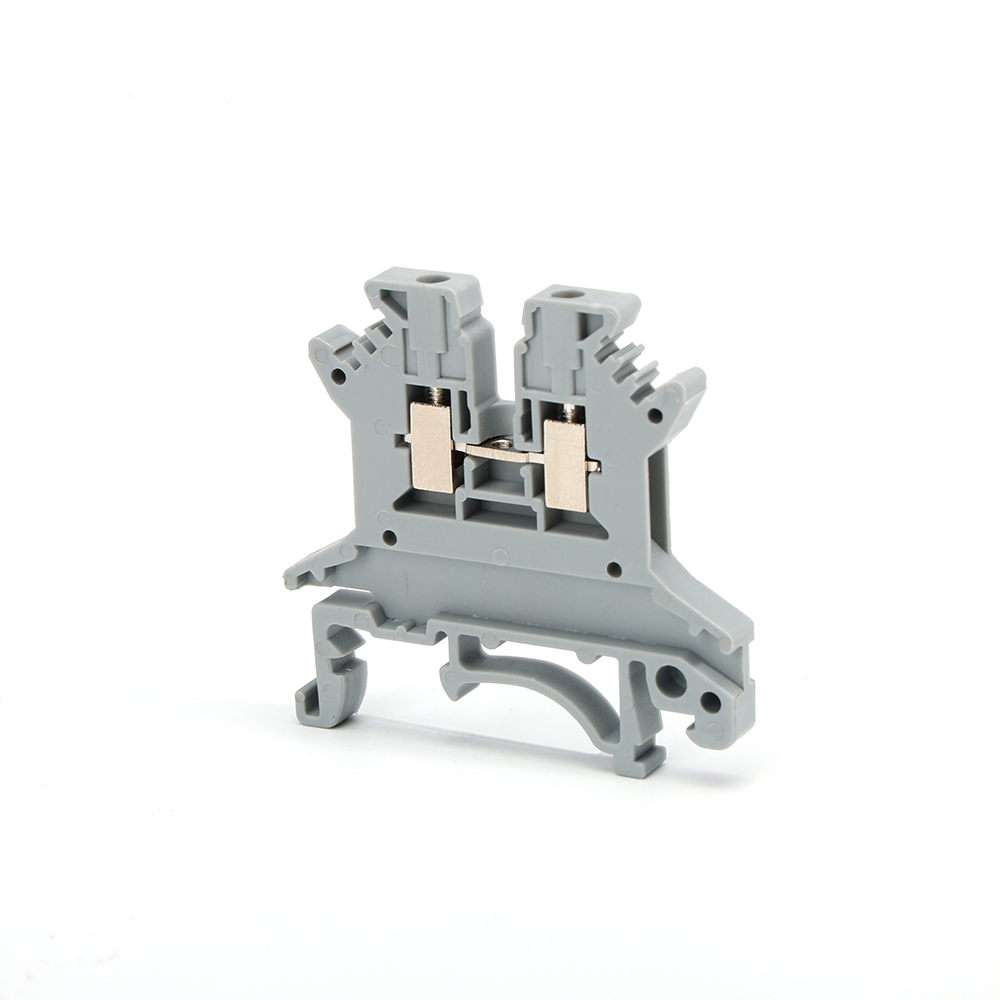
A DIN rail screw terminal block is a modular electrical connector used to secure and terminate wires within a control panel or distribution board. It mounts onto a standardised metal rail (the DIN rail) and uses a screw mechanism to clamp the conductor against a metal current bar. When you tighten the screw, it applies mechanical pressure that creates a gas-tight connection, allowing current to flow efficiently with minimal resistance.
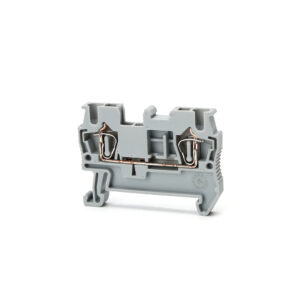
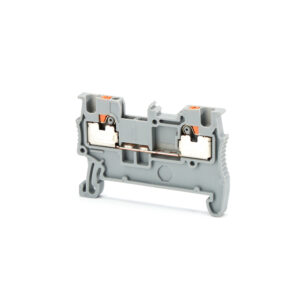
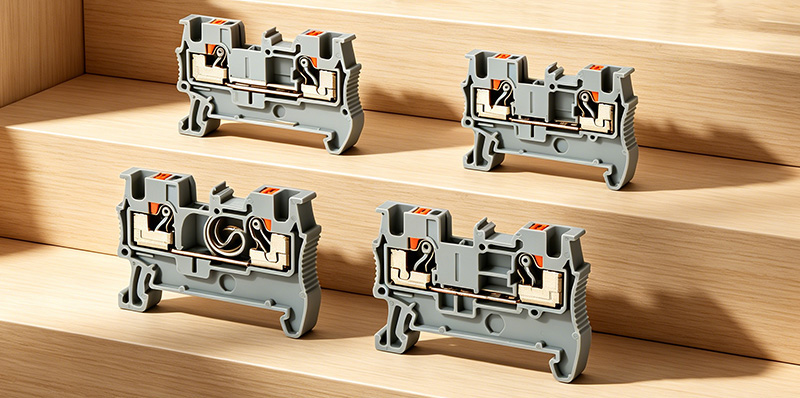
While newer technologies like spring-cage and push-in terminal blocks are gaining popularity, screw terminal blocks remain heavily used in industrial applications due to their high current-carrying capacity, durability in harsh environments, and universal acceptance. However, their primary vulnerability lies in the mechanical nature of the screw connection, which can loosen over time if not properly maintained or if subjected to extreme conditions.
The Top 5 Critical Signs of Failure
1.Visible Thermal Damage and Discolouration
The most obvious and alarming sign of terminal block failure is visible thermal damage. If you inspect your control panel and notice that the plastic housing of a DIN rail screw terminal block has turned yellow, brown, or black, or appears melted and deformed, you have a severe problem.
This discolouration is caused by excessive heat generation at the connection point. When a screw connection becomes loose or corroded, its electrical resistance increases. As current flows through this high-resistance point, it generates heat—often referred to as Joule heating. If left unchecked, this heat can exceed the thermal limits of the terminal block’s insulation material (commonly PA66 or PC), leading to melting. In extreme cases, this can result in an electrical arc or fire. If you seethermal damage, the terminal block must be replaced immediately, and the underlying cause—usually a loose screw or oversized current—must be investigated.
2. Loose Wire Connections and High Contact Resistance
In industrial environments subjected to constant vibration from motors, pumps, and conveyors, DIN rail screw terminal blocks are particularly vulnerable to mechanical loosening. Even if a screw was initially tightened to the correct torque, vibration can cause it to back off over time.
You might notice this issue before seeing thermal damage. A loose connection increases contact resistance. You can often detect this by performing routine thermographic inspections with an infrared camera—hot spots on the terminal block indicate high resistance. Alternatively, maintenance technicians might report flickering lights, intermittent sensor signals, or erratic equipment behaviour, all of which can be traced to a loose wire momentarily losing contact. When you find a loose wire, simplyre-tightening the screw is a temporary fix; the terminal block’s clamping mechanism may have fatigued, requiring replacement to ensure long-term reliability.
3. Unusual Odours
Never ignore strange smells in an electrical panel. A failing terminal block often emits a distinct, acrid odour of burning plastic or a sharp, metallic smell of ozone.
The smell of burning plastic is a direct result of the thermal damage mentioned earlier—the insulation housing is literally burning. The smell of ozone, however, indicates that electrical arcing is occurring. Arcing happens when the gap between the wire and the metal bar becomes large enough for the current to jump across, creating a small, sustained electrical spark. Arcing generates high temperatures and ultraviolet light, which degrade the surrounding materials and pose a significant firehazard. If your panel smells like burnt electronics or ozone, immediately isolate the power and inspect the terminal blocks for arcing damage.
4. Inconsistent Electrical Readings and Voltage Drops
As a B2B buyer or engineer, you rely on stable electrical parameters for your sensitive industrial automation equipment. A failing screw terminal block can cause voltage drops across the connection.
If you are troubleshooting a circuit and notice that the voltage at the load end is lower than it should be, or if you measure a significant voltage drop directly across a terminal block, you have found a high-resistance failure. This is often caused by oxidation or corrosion on the metal contact surfaces inside the block. The increased resistance not only causes a voltage drop but also dissipates power as heat, which contributes to thermal issues. These inconsistent readings can causeundervoltage faults in PLCs, variable frequency drives, and other sensitive electronic equipment, leading to operational inefficiencies and data loss.
5. Degradação Física e Corrosão
The environment inside and outside your electrical enclosure takes a toll on components. Over time, the metal components inside a DIN rail screw terminal block—the screw, the current bar, and the wire itself—can corrode, especially in humid, chemically aggressive, or outdoor environments.
You might observe greenish corrosion (verdigris) on copper components or rust on steel screws. Corrosion acts as an insulator, increasing contact resistance and leading to overheating. Additionally, the plastic housing can become brittle with prolonged exposure to high temperatures or UV light. If you notice that the terminal block housings are cracking when you apply normal tightening torque, or if the screws feel gritty and difficult to turn, the blocks have reached the end of theirserviceable life and must be replaced.
 Data Summary: Critical Signs, Causes, and Risks
To help you quickly assess your maintenance priorities, here is a summary table of the failure signs and their implications for your operations.
| Critical Sign | Primary Root Cause | Immediate Risk | Recommended Action |
| Visible Discolouration/Melting | Loose connection causing excessive Joule heating | Fire, complete component failure | De-energise immediately, replace the block, and check the load current |
| Loose Connections | Vibration, thermal cycling, improper initial torque | Intermittent operation, arcing, and future thermal damage | Re-torque as a temporary fix, replace if fatigue is suspected |
| Unusual Odours (Burning/Ozone) | Overheating insulation or electrical arcing | Fire, toxic fumes, panel-wide damage | Isolate circuit, locate source of arc/heat, replace components |
| Voltage Drops | Oxidation, corrosion, and insufficient contact pressure | Equipment malfunction, undervoltage faults | Measure the voltage drop, clean or replace the terminal, and improve the sealing. |
| Physical Cracking/Corrosion | Environmental exposure, material aging, and over-torquing | Structural failure, short circuits, exposed conductors | Replace terminal blocks, consider upgrading enclosure IP rating |
Table: Summary of critical failure signs in DIN rail screw terminal blocks and their industrial risks.
Avoid Common Mistakes to Prevent Failures
Understanding the signs of failure is only half the battle; preventing them is where you can save your company significant time and money. Here are common mistakes you should avoid:
- Ignoring Torque Specifications: One of the most frequent causes of failure is improper installation. Screws that are too loose cause high resistance, while screws that are too tight can damage the wire (especially stranded wire) or strip the terminal block’s threads. Always use a calibrated torque screwdriver and follow the manufacturer’s specified torque values.
- Not Using Ferrules with Stranded Wire: If you are using stranded wires, never insert them directly into a screw terminal block without crimping on a wire ferrule. Stranded wires can splay as the screw is tightened, leading to broken strands, poor contact, and increased resistance. Ferrules consolidate the strands and ensure a secure, gas-tight connection.
- Neglecting Thermal Cycling: Industrial panels heat up during operation and cool down when off. This constant expansion and contraction can cause screws to loosen over time. Implement a scheduled maintenance plan to re-verify torque on critical connections, especially in panels that experience significant temperature fluctuations.
- Mismanaging the Environment: If your panel is in a corrosive or high-humidity environment, standard terminal blocks will fail prematurely. Ensure your enclosure has an appropriate IP rating, use desiccants or heaters to control condensation, and specify terminal blocks with corrosion-resistant plating (such as tin-plated brass) or specialised protective coatings.
Why Choose WESTLEC DIN Rail Screw Terminal Blocks
When it is time to replace failing components or specify parts for a new build, the quality of your terminal blocks matters. This is where partnering with a reliable manufacturer like WESTLEC becomes a strategic advantage for your procurement.
WESTLEC specialises in providing factory-direct, high-quality low-voltage electrical accessory solutions worldwide. Our DIN rail screw terminal blocks are engineered to mitigate the common failures discussed above:
Premium Materials: We use high-grade, tin-plated brass for our current bars and screws, ensuring excellent conductivity and superior corrosion resistance compared to untreated copper or steel. This reduces oxidation and the resulting voltage drops.
Robust Insulation: Our terminal blocks are housed in durable, flame-retardant materials (like PA66 or PC) that withstand high temperatures and resist cracking, ensuring long-term safety even under heavy electrical loads.
International Compliance: Our products strictly comply with international standards, including EN and IEC. This means our terminal blocks are tested for rigorous thermal and mechanical stress, giving you confidence in their reliability.
Customisation and Support: Backed by over 10 years of industry expertise, WESTLEC provides comprehensive solutions from product selection to technical consultation. We understand that B2B buyers need consistent quality and flexible customisation options to meet specific project requirements.
By choosing WESTLEC, you are not just buying a component; you are investing in the stability of your entire electrical system and partnering with a trusted electrical professional.
Conclusão
The DIN rail screw terminal block may be a simple component, but its failure can have complex and costly consequences for your industrial operations. By remaining vigilant and recognising the five critical signs—thermal damage, loose connections, unusual odours, voltage drops, and physical degradation—you can prevent catastrophic failures and maintain uninterrupted power distribution.
Remember that proactive maintenance and, more importantly, sourcing high-quality components from reputable manufacturers like WESTLEC are your best defences against terminal block failure. Evaluate your current panels, implement proper installation and maintenance protocols, and ensure your next procurement specifies components that are built to last.
Perguntas frequentes
How often should I inspect DIN rail screw terminal blocks?
For industrial environments with high vibration or significant thermal cycling, a visual and thermographic inspection should be part of your annual preventive maintenance schedule. In less demanding environments, a bi-annual check may suffice. Always re-verify torque on critical connections during these inspections.
Can I reuse a screw terminal block after loosening the screw?
It is generally not recommended. Once a screw terminal block has been loosened, the clamping mechanism may have fatigued, or the contact surfaces may have oxidised, reducing the quality of the next connection. For critical applications, always use a new terminal block.
What is the primary cause of terminal block overheating?
The primary cause of overheating is a high-resistance connection, usually due to a loose screw or corrosion. This high resistance generates heat as current flows through it. Overloading the terminal block with a current exceeding its rated capacity is another major cause.
Are screw terminal blocks becoming obsolete?
While spring-cage and push-in terminal blocks are growing in popularity due to their vibration resistance and faster installation, screw terminal blocks are far from obsolete. They remain highly valued for their high current capacity, durability in harsh environments, and familiarity among technicians.
How does WESTLEC ensure the quality of its terminal blocks?
WESTLEC ensures quality by adhering to strict international standards (IEC, EN), using premium materials such as tin-plated brass and flame-retardant plastics, and implementing rigorous quality control processes throughout our manufacturing process. Our 10+ years of industry expertise back every product we ship.
 PT
PT  EN
EN