

Terminal blocks are essential components in industrial electrical systems, providing secure connections between wires and equipment. When designing control panels, automation systems, and industrial machinery, engineers often compare the performance of a Screw Connection Terminal Block and a Push In Terminal Block to determine the most suitable solution.
The choice between these two connection technologies depends on various factors, including wiring requirements, electrical performance, installation efficiency, environmental conditions, and long-term maintenance needs. For manufacturers, suppliers, and industrial procurement teams, understanding the differences helps ensure reliable system design and stable project performance.
This article compares Screw Connection Terminal Block and Push In Terminal Block solutions, explaining their structures, applications, advantages, and selection factors for industrial projects.
2. Screw Connection Terminal Block Vs Push In Terminal Block: Key Differences
2.1 Connection Structure And Working Principles
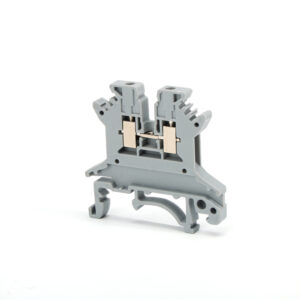
The connection structure determines how a terminal block secures electrical conductors. A Screw Connection Terminal Block uses a screw clamping mechanism that applies mechanical pressure to hold the wire firmly against the conductive part.
Manufacturers produce screw terminals through precision machining, metal stamping, and assembly processes to ensure stable contact force and consistent electrical performance. The design allows users to adjust tightening force according to different wire sizes and application requirements.
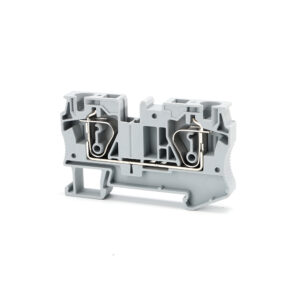
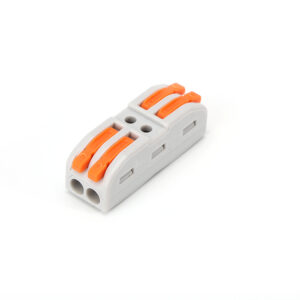
Push In Terminal Block technology uses a spring clamp mechanism that enables direct wire insertion without manual screw tightening. Manufacturers optimize spring materials and contact structures to maintain reliable pressure after installation.
For industrial buyers, understanding these working principles helps select the appropriate connection method based on equipment design and operational requirements.
2.2 Wiring Method And Installation Efficiency
Installation efficiency is an important consideration for industrial production environments. Traditional screw terminal wiring requires wire preparation and screw tightening, which may increase installation time in large-scale control panel assembly.
A Push In Terminal Block simplifies wiring through tool-free insertion for compatible conductors. Manufacturers design these products to improve assembly efficiency while maintaining connection reliability.
For manufacturers and system integrators, choosing the correct wiring method can reduce assembly workload, improve production consistency, and support faster equipment installation.
2.3 Electrical Performance And Connection Reliability
Electrical reliability is a key factor when selecting terminal blocks for industrial applications. Both Screw Connection Terminal Block and Push In Terminal Block designs are developed to provide stable current transmission when correctly installed.
Manufacturers improve electrical performance through optimized conductive materials, precise contact surfaces, and strict quality testing. Factors such as current rating, voltage requirements, conductor compatibility, and environmental conditions influence the final selection.
For procurement teams, evaluating electrical specifications ensures the selected terminal block meets application requirements and supports long-term system stability.
2.4 Maintenance Requirements And Service Life
Maintenance requirements directly affect operational efficiency in industrial facilities. Screw terminal systems may require periodic inspection of tightening conditions in applications exposed to vibration or mechanical stress.
Push In Terminal Block designs reduce the need for retightening by using spring-based contact technology that maintains consistent pressure over time. Manufacturers verify mechanical durability through product testing processes.
For industrial customers, selecting the right terminal technology can help reduce maintenance workload and improve equipment availability.
2.5 Suitable Applications And Working Environments
Different industrial environments require different terminal block solutions. Screw connection designs are widely used in applications requiring flexible wire compatibility and adjustable clamping force.
Push In Terminal Blocks are commonly selected for automated production systems where fast installation and standardized wiring processes are important.
Manufacturers develop various terminal block models to meet different industries, including automation equipment, control cabinets, energy systems, and industrial machinery.
3. Screw Connection Terminal Block: Features And Applications
3.1 Advantages Of Screw Type Terminal Block
A Screw Type Terminal Block provides a traditional and widely accepted connection method in industrial electrical applications. Its screw clamp structure allows precise control of wire fixation and supports a wide range of conductor sizes.
Manufacturers focus on improving screw reliability through high-quality metal components, corrosion-resistant materials, and accurate assembly processes. These production methods help ensure stable mechanical performance during operation.
For industrial buyers, Screw Type Terminal Block solutions provide flexibility, compatibility, and proven connection performance for various electrical systems.
3.2 Industrial Applications Of Screw Connection Terminal Block
Screw Connection Terminal Block products are commonly used in control panels, industrial machines, power distribution systems, and automation equipment where secure wiring connections are required.
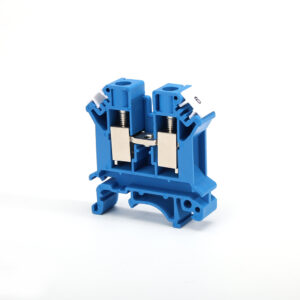 Manufacturers customize terminal blocks according to application needs, including different current ratings, mounting methods, and accessory options. Quality control procedures ensure consistent performance across production batches.
For project engineers, these solutions provide reliable wiring options for complex industrial electrical systems.
3.3 When To Choose A Din Rail Screw Terminal Block
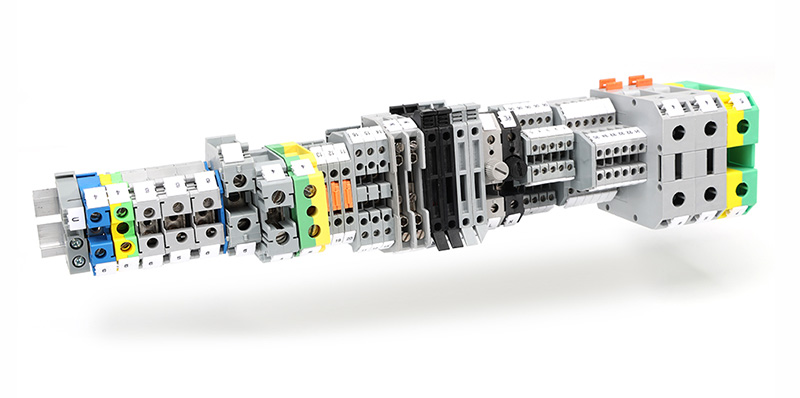
A Din Rail Screw Terminal Block is suitable for applications requiring organized panel installation and secure screw-based connections. DIN rail mounting allows efficient arrangement of electrical components inside control cabinets.
Manufacturers design these products with standardized rail mounting structures, durable housings, and reliable screw mechanisms to support industrial installation requirements.
For control panel manufacturers and system integrators, Din Rail Screw Terminal Block solutions improve wiring organization, maintenance efficiency, and installation flexibility.
4. Push In Terminal Block: Features And Applications
4.1 Benefits Of Push In Terminal Block
A Push In Terminal Block uses spring connection technology to simplify wiring operations. The design allows faster conductor insertion while maintaining stable electrical contact.
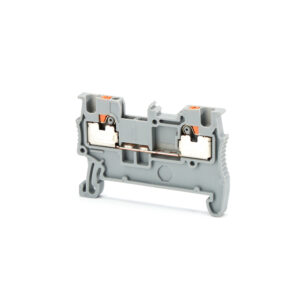 Manufacturers improve performance by selecting suitable spring materials, optimizing contact structures, and conducting mechanical and electrical testing during production.
For industrial customers, Push In Terminal Block solutions can improve assembly efficiency and reduce installation time in applications with repetitive wiring processes.
4.2 Industrial Applications Of Push In Terminal Block
Push In Terminal Blocks are widely applied in automation systems, control cabinets, machine building, and industrial equipment requiring efficient wiring processes.
Manufacturers provide different configurations, including multi-level designs, grounding versions, and accessory options to support various engineering requirements.
For production facilities, these solutions help standardize wiring procedures and improve manufacturing efficiency.
4.3 Push In Terminal Block For Fast Wiring Systems
Fast wiring systems are increasingly important in modern industrial manufacturing. Push In Terminal Block technology supports rapid installation by reducing manual tightening operations.
Manufacturers apply precision production methods to ensure consistent spring force and reliable contact performance. This allows customers to achieve faster assembly while maintaining electrical safety.
For equipment manufacturers, faster wiring processes can improve production workflow and reduce labor-intensive installation steps.
5. How To Choose The Right Terminal Block For Industrial Projects
5.1 Consider Electrical Specifications And Load Requirements
Electrical requirements are the foundation of terminal block selection. Current capacity, voltage rating, wire size, and conductor type must match the application conditions.
Manufacturers provide detailed technical specifications and conduct electrical testing to verify product performance. These quality control procedures help ensure terminal blocks meet industrial requirements.
For procurement managers, reviewing electrical parameters before selection reduces compatibility issues and improves system reliability.
5.2 Evaluate Installation Speed And Maintenance Needs
Installation efficiency and maintenance requirements influence the total operating cost of industrial projects. Applications with frequent wiring operations may benefit from faster connection technologies.
Manufacturers develop both screw and push-in solutions to meet different installation environments. Product designs focus on improving assembly efficiency while maintaining reliable connections.
For engineering teams, selecting the appropriate terminal block helps balance installation speed, maintenance requirements, and long-term performance.
5.3 Select The Right Terminal Block For Application Conditions
Environmental factors such as vibration, temperature, humidity, and mechanical stress affect terminal block performance. Selecting the right design ensures stable operation under specific working conditions.
Professional manufacturers evaluate application environments and provide customized solutions with suitable materials, protection features, and mounting options.
For industrial project buyers, choosing a suitable terminal block supplier supports reliable system operation and consistent product supply.
6. FAQ
Which Terminal Block Is Better For Industrial Control Panels?
The suitable terminal block depends on application requirements, including wiring frequency, electrical specifications, and environmental conditions. Both Screw Connection Terminal Block and Push In Terminal Block solutions are widely used in industrial control panels.
When Should I Use A Screw Type Terminal Block?
A Screw Type Terminal Block is suitable when adjustable clamping force, broad wire compatibility, and traditional installation methods are required.
Are Push In Terminal Blocks Suitable For High Vibration Applications?
Push In Terminal Blocks can be suitable for vibration applications when designed with reliable spring connection technology. The final selection should consider manufacturer specifications and operating conditions.
How To Select A Din Rail Screw Terminal Block?
Select a Din Rail Screw Terminal Block based on current rating, wire size, mounting requirements, and environmental conditions. Confirming technical specifications with suppliers helps ensure compatibility.
Are Screw Connection Terminal Blocks More Reliable Than Push In Terminal Blocks?
Both technologies can provide reliable connections when properly designed and installed. The better choice depends on the specific industrial application, maintenance requirements, and operating environment.
7. Conclusion
Choosing between a Screw Connection Terminal Block and a Push In Terminal Block requires careful evaluation of electrical requirements, installation methods, environmental conditions, and maintenance expectations. Each technology provides specific advantages for different industrial applications.
For manufacturers, suppliers, and procurement teams, selecting terminal blocks from experienced producers ensures reliable manufacturing quality, strict quality control, customization capability, and stable supply support. By understanding the differences between screw and push-in connection technologies, industrial projects can achieve safer wiring systems and long-term operational reliability.
 EN
EN  PT
PT