


Reliable electrical connections are essential for industrial power systems, control equipment, and heavy-duty electrical applications. When selecting cable connection components, many engineers and procurement teams compare a Copper Tube Terminal with a Copper Cable Lug because both products are commonly used for connecting copper conductors to electrical equipment.
Although Copper Tube Terminal and Copper Cable Lug have similar functions, they are not always identical. Their structures, installation methods, application environments, and performance requirements can vary depending on the electrical system design.
For manufacturers, industrial buyers, and engineering teams, understanding the differences between these copper connection components helps improve product selection, ensure electrical reliability, and reduce installation issues. This article explains the key differences, manufacturing processes, specifications, and selection factors when choosing copper terminals for industrial applications.
2. Copper Tube Terminal vs Copper Cable Lug: Are They the Same?
2.1 Key Differences Between Copper Tube Terminal and Cable Lug
A Copper Tube Terminal and a Copper Cable Lug are both designed to create secure electrical connections, but their structures and typical applications are different. A Copper Tube Terminal usually features a tubular barrel design that allows the cable conductor to be inserted and crimped inside the tube section.
A Copper Cable Lug generally includes a cable barrel and a flat palm with a mounting hole, allowing the cable to connect directly to busbars, terminals, or electrical equipment studs.
Manufacturers produce these components using precision forming, cutting, and surface treatment processes to achieve stable electrical conductivity and mechanical strength. For industrial customers, understanding these structural differences helps select the appropriate terminal based on installation requirements.
2.2 Copper Tube Terminal and Copper Terminal Lug Comparison
The comparison between a Copper Tube Terminal and a Copper Terminal Lug mainly focuses on connection structure, installation method, and application purpose.
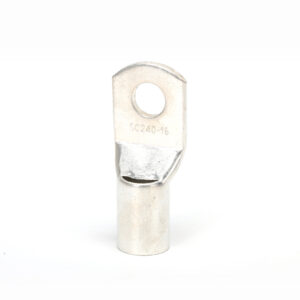 Copper Tube Terminals are often used where compact cable connections and reliable crimping performance are required. Copper Terminal Lugs are commonly applied in power distribution systems where cables need to be securely connected to equipment terminals or grounding points.
Professional manufacturers use high-quality copper materials and controlled production processes to ensure consistent dimensions, conductivity, and mechanical performance. These manufacturing standards provide industrial buyers with reliable components for different electrical systems.
2.3 When to Use Copper Tube Lug or Cable Lug
Selecting between a Copper Tube Lug and Cable Lug depends on factors such as cable size, installation space, connection method, and electrical load requirements.
Copper Tube Lug designs are suitable for applications requiring strong crimp connections and enclosed conductor protection. Cable lugs are commonly selected for applications requiring bolt fastening to electrical equipment.
Manufacturers provide different terminal designs, sizes, and customization options to support various industrial applications. Choosing the correct terminal type helps improve connection stability and long-term equipment performance.
3. Understanding Copper Tube Terminal Structure and Manufacturing
3.1 Materials and Construction
The material quality of copper terminals directly affects electrical conductivity, corrosion resistance, and mechanical durability. Copper is widely used because of its excellent electrical performance and suitability for high-current applications.
Manufacturers typically use high-purity copper materials and apply processes such as stamping, tube forming, and surface treatment to produce Copper Tube Terminal products. Some applications may require additional surface finishes to improve corrosion resistance and environmental durability.
For industrial procurement teams, evaluating material selection and construction quality helps ensure reliable performance in demanding electrical environments.
3.2 Manufacturing Process and Quality Control
Manufacturing precision plays an important role in the reliability of copper connection components. Incorrect dimensions or inconsistent material quality may affect crimping performance and electrical contact stability.
Professional manufacturers use automated production equipment, precision molds, and inspection procedures to control product consistency. Quality control processes typically include dimensional inspection, material verification, and electrical performance testing.
For industrial customers, working with manufacturers that maintain strict quality control improves product reliability and supports stable supply for large-scale projects.
3.3 Key Specifications
Understanding technical specifications is essential when selecting copper terminals for industrial applications. Important parameters include cable cross-section range, barrel dimensions, mounting hole size, material thickness, and surface treatment requirements.
Manufacturers provide specification tables and customized solutions to meet different cable sizes and installation conditions.
For engineering teams, reviewing these specifications ensures compatibility between terminals, cables, and electrical equipment.
4. Applications and Selection Factors for Copper Terminals
4.1 Common Applications
Copper terminals are widely used in industrial electrical systems where secure and efficient cable connections are required. Common applications include power distribution equipment, control cabinets, renewable energy systems, industrial machinery, and electrical panels.
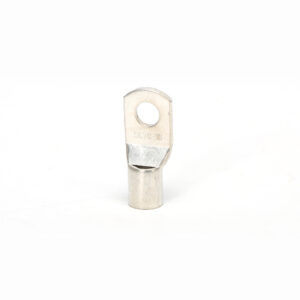 Manufacturers develop different terminal structures according to application requirements, including standard and customized designs. Production capabilities allow suppliers to support various industries with different electrical connection needs.
For industrial buyers, selecting suitable copper terminals helps improve system reliability and simplify installation processes.
4.2 How to Select the Right Copper Terminal Size
Correct sizing is critical for achieving safe electrical connections. The selected Copper Tube Terminal or Copper Cable Lug should match the cable cross-section, conductor type, and equipment connection requirements.
Manufacturers provide detailed sizing information based on conductor dimensions and application standards. Engineering teams should evaluate cable specifications, current requirements, and installation conditions before selection.
Proper size selection improves electrical contact quality, reduces connection risks, and supports long-term system operation.
4.3 Factors to Consider When Choosing Copper Terminal Supplier
Selecting the right Copper Terminal Supplier is an important factor in industrial procurement. A reliable supplier should provide consistent product quality, technical support, customization capability, and stable production capacity.
Experienced manufacturers focus on material control, precision manufacturing, and inspection processes to ensure every terminal meets application requirements.
For industrial project buyers, evaluating supplier capabilities helps ensure reliable sourcing and long-term cooperation.
5. FAQ
What is a Copper Tube Terminal used for?
A Copper Tube Terminal is used to connect electrical cables to equipment or conductors through a crimping process. It provides a secure connection for industrial power and electrical applications.
What Cable Size Fits a Copper Tube Terminal?
The suitable cable size depends on the terminal specification and conductor cross-section range. Manufacturers provide size guides to help match Copper Tube Terminal models with different cable dimensions.
How do I choose the right size Copper Tube Terminal?
Select the correct size based on cable cross-section, conductor material, installation requirements, and electrical load. Confirming specifications with a professional supplier helps ensure proper compatibility.
How are Copper Terminal Lugs installed on electrical cables?
Copper Terminal Lugs are typically installed by inserting the cable conductor into the barrel and applying a suitable crimping process. Proper installation ensures stable mechanical strength and electrical conductivity.
How to Select a Copper Tube Terminal for Electrical Applications?
Select a Copper Tube Terminal based on cable size, current requirements, connection method, material quality, and application environment. Working with an experienced supplier helps ensure the correct solution.
6. Conclusion
Although Copper Tube Terminal and Copper Cable Lug serve similar electrical connection purposes, their structures and applications are different. Selecting the correct terminal requires careful evaluation of cable specifications, installation requirements, material quality, and operating conditions.
For manufacturers, suppliers, and procurement teams, working with an experienced Copper Terminal Supplier ensures access to reliable manufacturing processes, strict quality control, customization options, and stable supply capabilities. High-quality copper connection components help industrial systems achieve safe, efficient, and long-lasting electrical performance.



 EN
EN  PT
PT 