


Selecting the correct Butt Splice Terminal size is essential for ensuring reliable electrical connections in industrial wiring systems. For manufacturers, suppliers, and engineering teams, choosing the proper terminal specification directly affects connection stability, production efficiency, and long-term product performance.
In industrial applications, electrical connections must meet specific requirements related to wire gauge, current capacity, insulation protection, and environmental conditions. A properly selected Butt Splice Connector helps maintain consistent conductivity while reducing the risk of connection failures during operation.
Professional manufacturers typically use precision tooling, automated production equipment, and strict quality inspection processes to ensure that electrical butt splices meet industry requirements. Understanding how to select the right size allows procurement managers and project buyers to work with suppliers more effectively and achieve stable supply solutions.
2. How to Choose the Right Butt Splice Terminal Size
2.1 Understanding Butt Splice Terminal Sizes and Specifications
Understanding terminal sizes and specifications is the first step in selecting suitable wire connection components. Different Butt Splice Terminal models are designed for different conductor sizes, insulation requirements, and electrical performance levels.
Manufacturers usually define terminal sizes according to wire gauge ranges, such as AWG specifications, conductor diameter, and applicable current ratings. During production, precision stamping, forming, and dimensional inspection help ensure that each terminal maintains consistent mechanical strength and electrical contact performance.
For industrial buyers, selecting products with clear specifications reduces assembly problems and improves compatibility with existing wiring systems. A reliable supplier should provide detailed technical documentation, including wire size range, material information, and applicable standards.
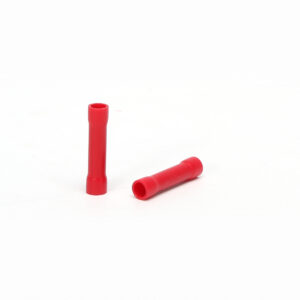
2.2 How Wire Gauge Affects Butt Splice Connector Selection
Wire gauge is one of the most important factors when selecting a Butt Splice Connector because it determines whether the connector can properly secure the conductor and maintain stable electrical performance.
If the connector is too large for the wire, the crimping process may not create sufficient contact pressure. If the connector is too small, the conductor may not fit correctly, which can affect connection reliability. Industrial manufacturers address this issue through precise tooling design and automated quality checks during production.
For procurement teams, matching wire gauge with the correct connector specification helps improve assembly efficiency, reduce material waste, and ensure consistent performance across large-scale manufacturing projects.
2.3 Matching Electrical Butt Splices with Different Applications
Different industrial applications require different types of electrical connection solutions. Automotive systems, industrial machinery, control panels, and outdoor equipment may have different requirements for protection, durability, and installation methods.
Manufacturers develop Electrical Butt Splices with different materials, insulation structures, and sealing methods to support various operating environments. For example, applications exposed to moisture or vibration often require enhanced protection compared with standard indoor wiring systems.
Choosing the correct product according to application conditions allows industrial buyers to improve system reliability while maintaining efficient production processes.
3. Types of Butt Splice Wire Connectors and Their Applications
3.1 Heat Shrink Butt Splice Connector for Waterproof Connections
A Heat Shrink Butt Splice Connector is commonly used in applications where moisture resistance and environmental protection are important. These connectors combine electrical connection performance with heat-shrink insulation technology to create a more sealed connection area.
During manufacturing, suppliers typically apply controlled heat-shrink materials and perform sealing performance inspections to ensure product consistency. Advanced production processes help maintain reliable insulation coverage and mechanical protection.
For industrial customers, heat shrink designs are suitable for outdoor equipment, transportation systems, marine applications, and other environments where additional protection is required.
3.2 Vinyl Insulated Butt Splice for General Electrical Wiring
A Vinyl Insulated Butt Splice is widely used in general electrical wiring applications due to its practical design and easy installation characteristics. The vinyl insulation layer provides basic protection while allowing efficient crimping operations during assembly.
Manufacturers focus on material selection, insulation molding accuracy, and terminal dimensional control to ensure stable product quality. Consistent production standards help suppliers provide reliable components for large-volume industrial orders.
For procurement managers, vinyl insulated solutions can support applications where standard insulation protection and cost-effective assembly processes are required.
3.3 Comparing Different Butt Splice Terminal Materials and Designs
The material and design structure of a connector directly influence conductivity, mechanical strength, and environmental performance. Common materials include copper conductors with different surface treatments and insulation materials selected according to application needs.
Professional manufacturers evaluate factors such as corrosion resistance, crimp performance, and material compatibility during product development. Automated inspection equipment and process control systems help maintain consistent manufacturing quality.
For industrial buyers, understanding these differences helps them select suppliers capable of delivering customized solutions for specific project requirements.
4. Key Factors for Selecting the Right Butt Splice Terminal
4.1 Wire Size, Current Rating, and Connection Requirements
Wire size and current rating determine whether a connection component can safely support the electrical system. Selecting the correct specifications ensures proper conductor engagement and stable current transmission.
Manufacturers use engineering calculations, testing procedures, and quality control systems to verify product performance. These processes help suppliers provide terminals that meet the requirements of different industrial applications.
For purchasing teams, evaluating technical parameters before ordering helps prevent compatibility issues and supports efficient project execution.
4.2 Insulation Type and Environmental Conditions
Environmental factors such as temperature, humidity, chemicals, vibration, and outdoor exposure can influence connector performance. Selecting the appropriate insulation type is essential for maintaining long-term reliability.
Manufacturers develop different insulation solutions, including heat shrink and vinyl insulation designs, based on application requirements. Material testing and production inspections ensure that products maintain consistent quality under specified conditions.
For industrial projects, choosing connectors based on environmental requirements improves system durability and reduces maintenance requirements.
4.3 Quality Standards and Supplier Evaluation Factors
Supplier evaluation is an important part of industrial procurement because connector quality directly affects production reliability. Buyers should consider manufacturing capabilities, quality management systems, production capacity, and customization support.
Reliable manufacturers typically use automated production lines, precision molds, inspection equipment, and traceable quality control processes. These capabilities help maintain consistent output for large-volume orders.
Working with experienced suppliers allows companies to achieve stable supply chains, predictable product quality, and better technical support throughout the project lifecycle.
5. FAQ
What size butt splice connector do I need?
The correct size depends on the wire gauge, conductor diameter, and application requirements. Always match the connector specification with the wire size range recommended by the manufacturer.
How do you choose a butt splice terminal size?
A Butt Splice Terminal size should be selected based on wire gauge, current rating, insulation requirements, and operating environment. Industrial applications should also consider supplier quality and production consistency.
How do you use a butt splice connector correctly?
A butt splice connector is installed by inserting wires into both ends and applying the correct crimping tool. Proper tooling and inspection ensure a secure mechanical and electrical connection.
What is the difference between heat shrink and insulated butt splice connectors?
Heat Shrink Butt Splice Connectors provide enhanced sealing and moisture protection, while insulated butt splice connectors are generally used for standard wiring applications. The choice depends on environmental conditions and protection requirements.
Can one butt splice connector fit different wire sizes?
Most connectors are designed for specific wire size ranges and should not be used outside their rated specifications. Selecting the correct size improves connection reliability and safety.
Are insulated and non-insulated Butt Splice Terminals the same?
No. Insulated terminals include an additional protective layer, while non-insulated versions require separate insulation protection. The appropriate option depends on the installation environment.
What are Heat Shrink Butt Splice Connectors used for?
Heat Shrink Butt Splice Connectors are used for applications requiring additional protection against moisture, vibration, and environmental exposure, such as outdoor equipment and industrial systems.
6. Conclusion
Choosing the correct Butt Splice Terminal requires careful evaluation of wire size, electrical requirements, insulation protection, and application conditions. For industrial manufacturers and procurement teams, selecting suitable connection components is essential for maintaining reliable production and system performance.
Professional suppliers support customers through precision manufacturing, strict quality control, customized solutions, and stable supply capabilities. By working with experienced manufacturers, companies can ensure consistent connector quality and long-term reliability for industrial electrical projects.


 EN
EN  PT
PT 