


Introduction
Selecting the correct copper tube terminal size is essential for achieving safe, reliable, and long-lasting electrical connections. In industrial power systems, control cabinets, battery systems, and heavy-duty electrical installations, an improperly sized terminal can lead to overheating, voltage loss, poor conductivity, or even equipment failure.
A copper tube terminal is designed to connect electrical cables to equipment terminals by creating a secure mechanical and electrical connection through crimping. However, choosing the right size requires more than simply matching the cable diameter. Factors such as cable cross-section area, wire gauge, current capacity, terminal hole size, installation method, and operating environment all influence the final selection.
For industrial buyers, distributors, and electrical contractors, working with a professional copper terminal supplier ensures access to high-quality materials, accurate specifications, and customized solutions for different applications.
This guide explains how to select the correct copper tube terminal size and what factors should be considered when purchasing electrical cable terminals for industrial projects.
How To Choose The Right Copper Tube Terminal Size
Choosing the correct copper tube terminal size involves matching the terminal specifications with the cable requirements and application conditions.
The main selection factors include:
- Cable cross-section area
- Wire gauge (AWG)
- Current rating requirements
- Terminal mounting hole size
- Installation method
- Environmental conditions
A properly selected copper tube terminal provides better electrical conductivity, stronger mechanical strength, and improved system reliability.
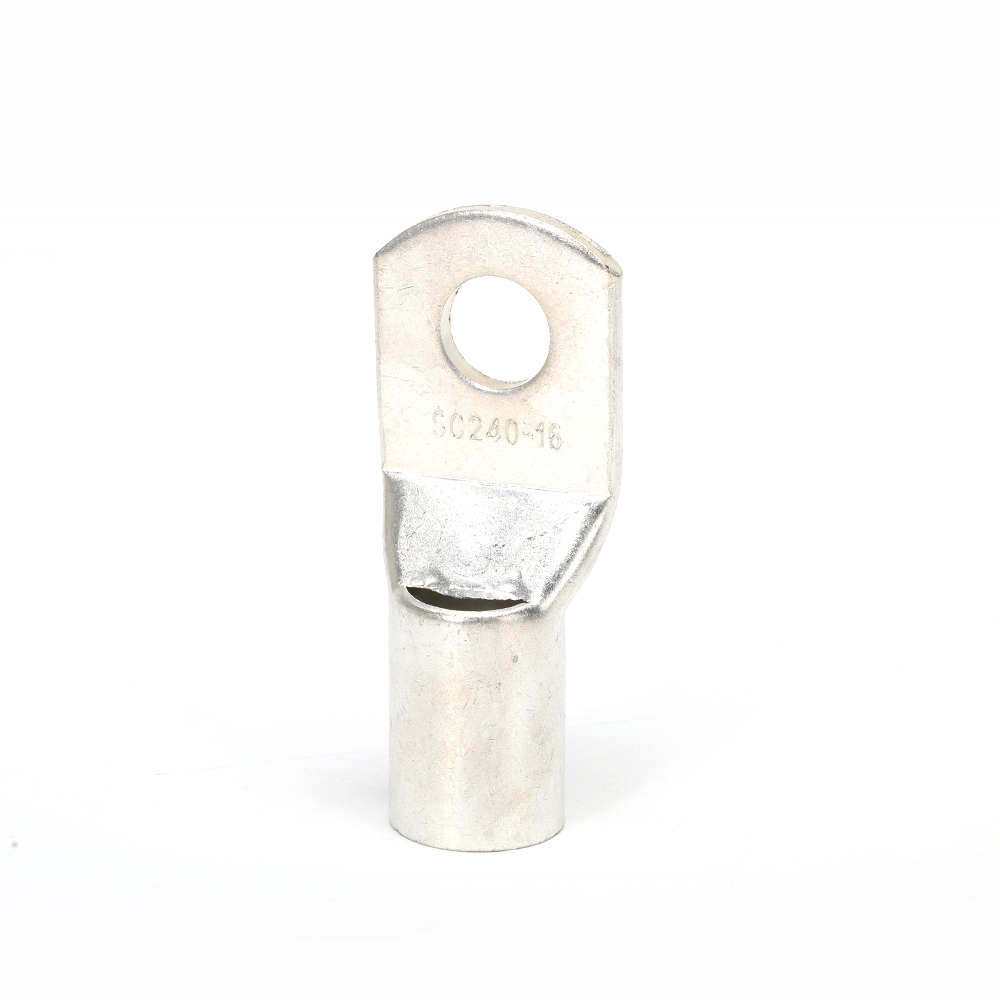
Match Copper Tube Terminal Size With Cable Specifications
The first step when selecting a copper tube terminal is matching the terminal barrel size with the electrical cable specifications.
The copper tube terminal barrel must fit the conductor correctly. If the barrel is too small, the cable cannot be inserted completely or may experience excessive stress during crimping. If the barrel is too large, the crimp connection may become loose and reduce electrical performance.
Professional manufacturers usually provide terminal size charts showing the relationship between:
- Cable cross-section area
- AWG size
- Terminal barrel diameter
- Stud hole diameter
- Current capacity
Using these specifications helps ensure the terminal and cable form a reliable connection.
Cable Cross-Section Area (mm²)
Cable cross-section area is one of the most important parameters when selecting a copper tube terminal.
It represents the conductive area of the cable and is normally measured in square millimeters (mm²). Common cable sizes used with copper tube terminals include:
- 6 mm²
- 10 mm²
- 16 mm²
- 25 mm²
- 35 mm²
- 50 mm²
- 70 mm²
- 95 mm²
- 120 mm²
- 150 mm²
For example:
- A 16 mm² cable requires a copper tube terminal designed for a 16 mm² conductor.
- A 70 mm² cable requires a much larger terminal barrel to accommodate the increased conductor size.
Using the correct cable cross-section matching prevents problems such as:
- Loose connections
- Increased electrical resistance
- Excessive heat generation
- Reduced service life
When purchasing electrical cable terminals in bulk, industrial buyers should always confirm cable size compatibility with the supplier.
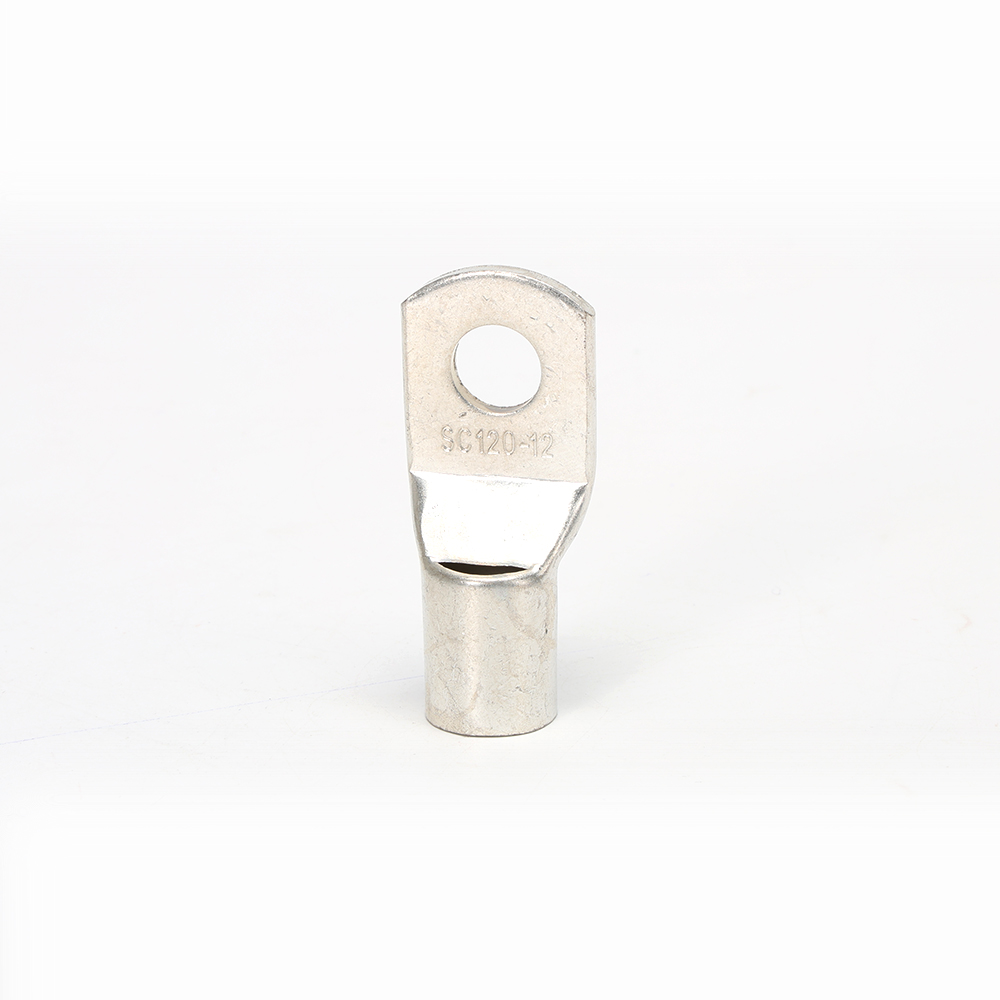
Wire Gauge (AWG)
In North American markets, cable sizes are often specified using the American Wire Gauge (AWG) system.
AWG numbers work differently from mm² measurements:
- Smaller AWG numbers indicate larger cables.
- Larger AWG numbers indicate smaller cables.
Common AWG sizes for copper tube terminals include:
| AWG Size | Typical Application |
|---|---|
| 2 AWG | Industrial power connections |
| 4 AWG | Battery and distribution systems |
| 6 AWG | Electrical equipment wiring |
| 8 AWG | Medium-current applications |
| 10 AWG | Control and power circuits |
A reliable copper terminal supplier should provide compatibility information between AWG cable sizes and terminal models.
For global customers, selecting terminals that support both mm² and AWG standards simplifies purchasing and inventory management.
Consider Current Rating And Electrical Performance
Cable size alone is not enough when selecting a copper tube terminal. The required current rating must also be considered.
The current capacity of a terminal depends on several factors:
- Copper material conductivity
- Terminal cross-sectional area
- Cable size
- Connection quality
- Operating temperature
- Installation environment
High-quality copper tube terminals are typically manufactured from high-conductivity copper to minimize electrical resistance.
A properly crimped copper terminal connection helps:
- Reduce voltage drop
- Improve current transmission efficiency
- Prevent overheating
- Increase equipment reliability
For high-current applications such as:
- Power distribution systems
- Industrial machinery
- Battery storage systems
- Renewable energy equipment
choosing the correct terminal size is especially important.
Select Correct Terminal Hole Size And Installation Method
The terminal hole size must match the equipment stud or bolt size.
Common mounting hole sizes include:
- M5
- M6
- M8
- M10
- M12
- M16
For example:
- An M8 copper tube terminal requires an M8 mounting bolt.
- An oversized hole may create poor mechanical contact.
- A hole that is too small cannot be installed properly.
Besides hole size, the installation method should also be considered.
Most copper tube terminals use crimping installation. A professional crimping tool ensures:
- Uniform compression
- Strong mechanical connection
- Stable electrical contact
For industrial applications, hydraulic crimping tools are often recommended for larger cable sizes.
A professional supplier should provide installation guidance and technical support to help customers select the correct terminal and tooling.
Choose Reliable Copper Terminal Supplier For Quality Assurance
Choosing the right copper terminal supplier is as important as selecting the correct terminal size.
A reliable supplier should provide:
High-Quality Raw Materials
Premium copper materials offer:
- Excellent electrical conductivity
- Strong corrosion resistance
- Long service life
Accurate Manufacturing
Precision manufacturing ensures:
- Correct barrel dimensions
- Consistent product quality
- Reliable crimp performance
Complete Product Range
A professional supplier should offer various:
- Copper tube terminals
- Electrical cable terminals
- Cable lugs
- Custom terminal solutions
Technical Support
Experienced suppliers can help customers select suitable terminal specifications based on:
- Cable type
- Current requirements
- Application environment
Partnering with an experienced manufacturer reduces purchasing risks and improves project reliability.
Common Mistakes When Choosing Copper Tube Terminal Sizes
Selecting an incorrect terminal size is one of the most common causes of electrical connection problems.
Below are several mistakes industrial users should avoid.
Choosing A Terminal That Is Too Small
A terminal that is smaller than the cable size may cause:
- Difficult cable insertion
- Poor crimping results
- Increased electrical resistance
- Overheating during operation
When excessive force is used during installation, the terminal barrel or cable conductor may become damaged.
Always select a copper tube terminal based on the actual conductor cross-section.
Using An Oversized Terminal
An oversized terminal can also create connection problems.
Potential issues include:
- Loose crimp connection
- Reduced mechanical strength
- Increased contact resistance
- Cable movement after installation
The terminal barrel should tightly fit the conductor before crimping.
Correct sizing ensures the crimped connection becomes a solid electrical joint.
Ignoring Application Environment
Different environments require different terminal considerations.
For example:
Indoor Industrial Applications
Standard copper terminals may be suitable.
Outdoor Applications
Additional protection may be required against:
- Moisture
- Oxidation
- Temperature changes
Marine Or Chemical Environments
Corrosion-resistant materials or surface treatments may be necessary.
Industrial buyers should consider the complete operating environment before selecting electrical cable terminals.
Selecting Low-Quality Copper Terminals
Low-quality terminals may use inferior materials or inaccurate dimensions.
Possible consequences include:
- Poor conductivity
- Weak mechanical strength
- Shorter service life
- Increased maintenance costs
Working with an experienced copper terminal supplier helps ensure consistent quality and reliable performance.
Why Choose Westlec Copper Tube Terminals?
Westlec provides professional electrical connection solutions for industrial customers worldwide.
With advanced manufacturing capabilities and strict quality control, Westlec helps customers achieve reliable and efficient electrical connections.
High Conductivity Copper Material
Westlec copper tube terminals are manufactured using high-quality copper materials designed for excellent conductivity and durability.
Advantages include:
- Low electrical resistance
- Stable current transmission
- Strong mechanical performance
- Long operational life
High-quality copper ensures terminals perform reliably in demanding industrial environments.
Wide Range Of Electrical Cable Terminals
Different projects require different connection solutions.
Westlec offers a wide range of electrical cable terminals, including:
- Copper tube terminals
- Cable lugs
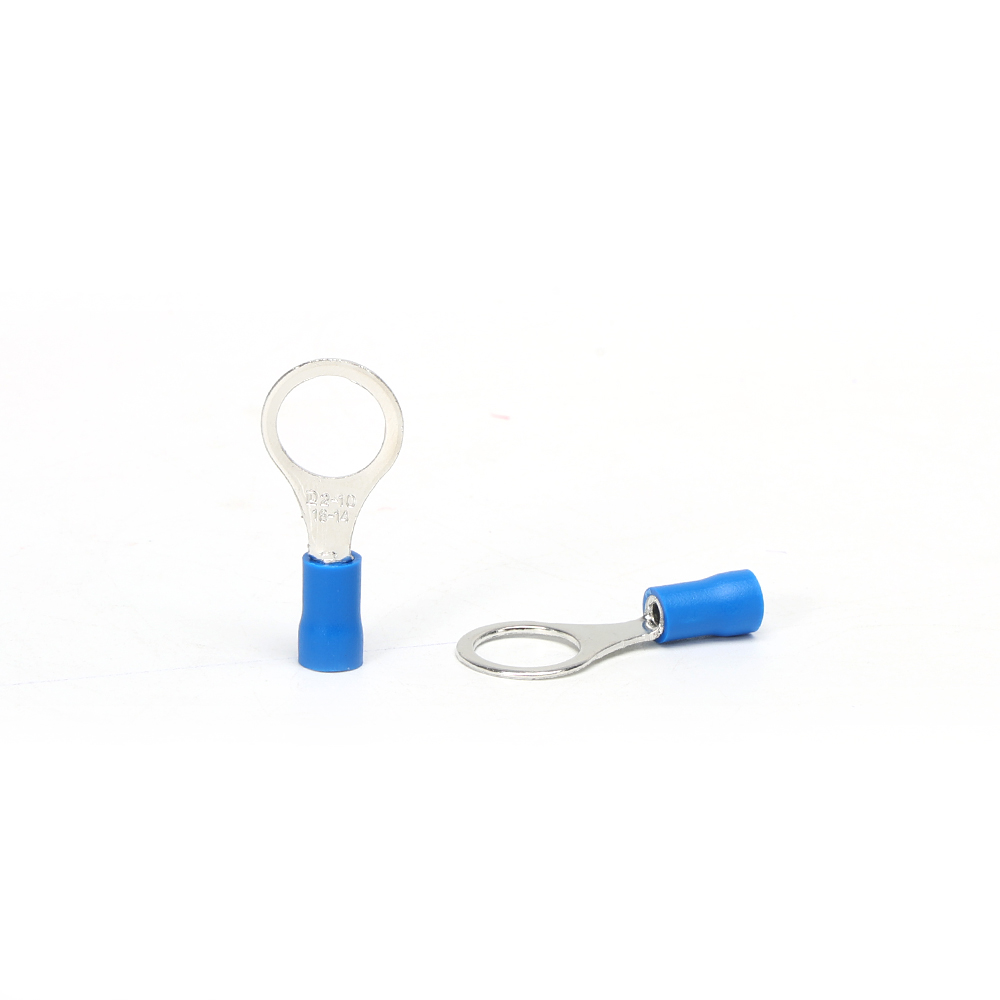
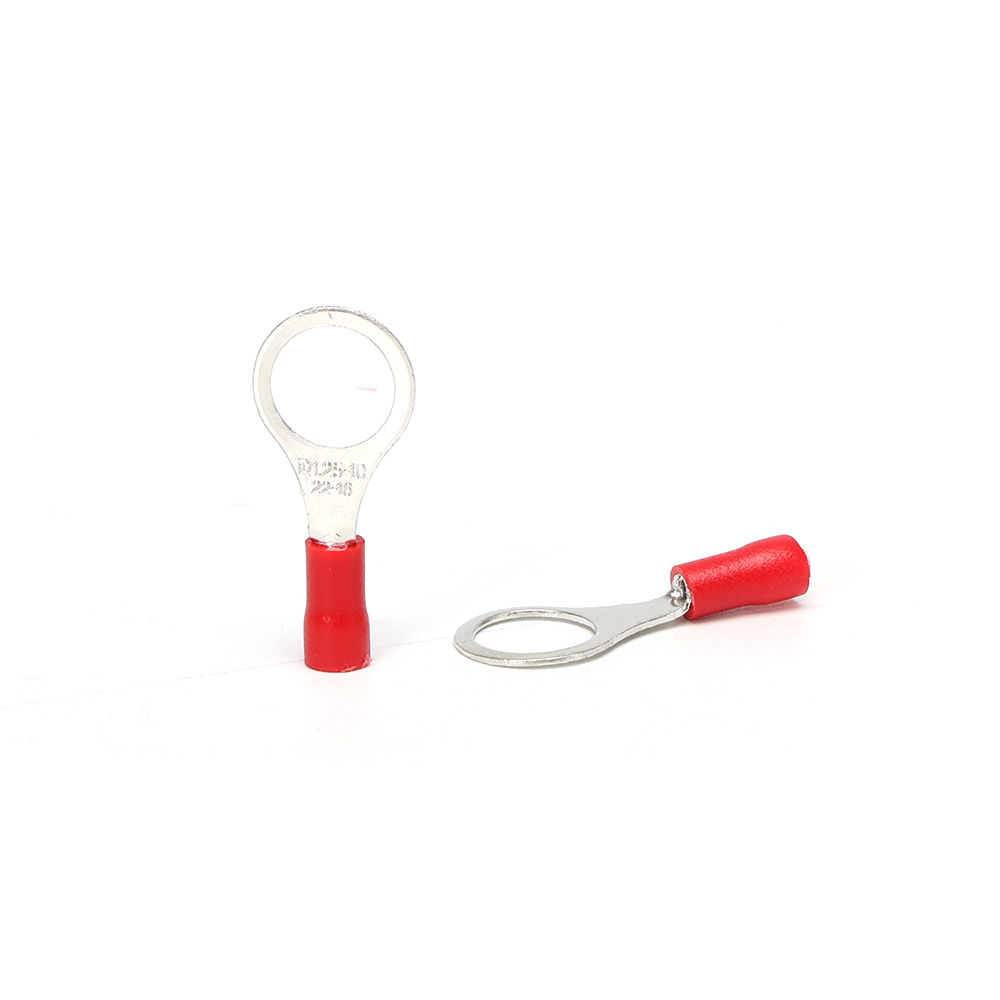
- Ring terminals
- Custom electrical connectors
This extensive product range allows customers to source multiple terminal solutions from one professional supplier.
Customized Solutions For Different Applications
Every industrial application has different requirements.
Westlec supports customized solutions based on:
- Cable specifications
- Terminal dimensions
- Hole sizes
- Material requirements
- Packaging requirements
OEM and customized terminal solutions help distributors and industrial users optimize their supply chain.
Professional Support From An Experienced Copper Terminal Supplier
Selecting the right terminal size can sometimes require technical expertise.
Westlec provides professional support to help customers choose suitable products based on:
- Electrical requirements
- Installation conditions
- Industry standards
As an experienced copper terminal supplier, Westlec focuses on delivering reliable products and long-term cooperation with global customers.
FAQ
What Is A Copper Tube Terminal Used For?
A copper tube terminal is used to connect electrical cables to equipment terminals, busbars, batteries, and power distribution systems. It provides a secure mechanical and electrical connection through crimping.
How Can I Ensure A Reliable Crimp Connection?
Use the correct terminal size, matching crimping tool, and proper installation method. The cable should fit tightly inside the terminal barrel before crimping.
How Do I Match A Terminal Size With Cable Diameter?
Terminal size should be selected according to the cable cross-section area (mm²) or AWG size. Always check the supplier’s terminal specification chart.
What Factors Affect Copper Tube Terminal Selection?
Key factors include:
- Cable size
- Current rating
- Mounting hole size
- Installation method
- Environmental conditions
What Materials Are Copper Tube Terminals Made From?
Most copper tube terminals are made from high-conductivity copper. Some products may include surface treatments such as tin plating for improved corrosion resistance.
Does Westlec Provide Customized Copper Tube Terminals?
Yes. Westlec provides customized terminal solutions based on customer requirements, including dimensions, specifications, and application needs.
How Do I Know What Size Electrical Cable Terminal I Need?
Confirm the cable cross-section area, AWG size, required current capacity, and equipment mounting requirements before selecting a terminal.
Can Copper Tube Terminals Be Used For High-Current Applications?
Yes. Properly selected copper tube terminals are widely used in high-current applications such as power distribution, batteries, industrial equipment, and energy systems.
What Is The Difference Between Copper Tube Terminal And Cable Lug?
Copper tube terminals and cable lugs serve similar connection purposes. Copper tube terminals usually refer to tubular crimp terminals, while cable lugs often describe terminals with a flat palm and mounting hole.
Conclusion
Choosing the correct copper tube terminal size is critical for ensuring safe, efficient, and durable electrical connections.
The right selection requires careful consideration of:
- Cable cross-section area
- AWG size
- Current requirements
- Terminal hole dimensions
- Installation method
- Operating environment
For industrial companies, distributors, and electrical contractors, partnering with a reliable copper terminal supplier ensures access to high-quality electrical cable terminals with consistent performance.
Westlec provides professional copper terminal solutions designed for industrial applications, offering reliable materials, customized options, and technical support to help customers build safer and more efficient electrical systems.
 EN
EN  PT
PT 