


Modern electrical systems are moving fast—literally. Panel builders, OEM manufacturers, and industrial installers are under constant pressure to reduce wiring time while improving safety and consistency. In this context, Quick Connect Terminal Blocks Vs Traditional Screw Connections has become a key comparison for engineers and procurement teams evaluating wiring efficiency and long-term reliability.
In this article, you will explore how Quick Connect Terminal Blocks, including Push In Terminal Block, Spring Clamp Terminal Block, and Screwless Terminal Block solutions, differ from traditional screw-based systems. You’ll also see where each technology fits best, and how to choose the right Electrical Terminal Block Types for your application.
Quick Connect Terminal Blocks Vs Traditional Screw Connections
Definition
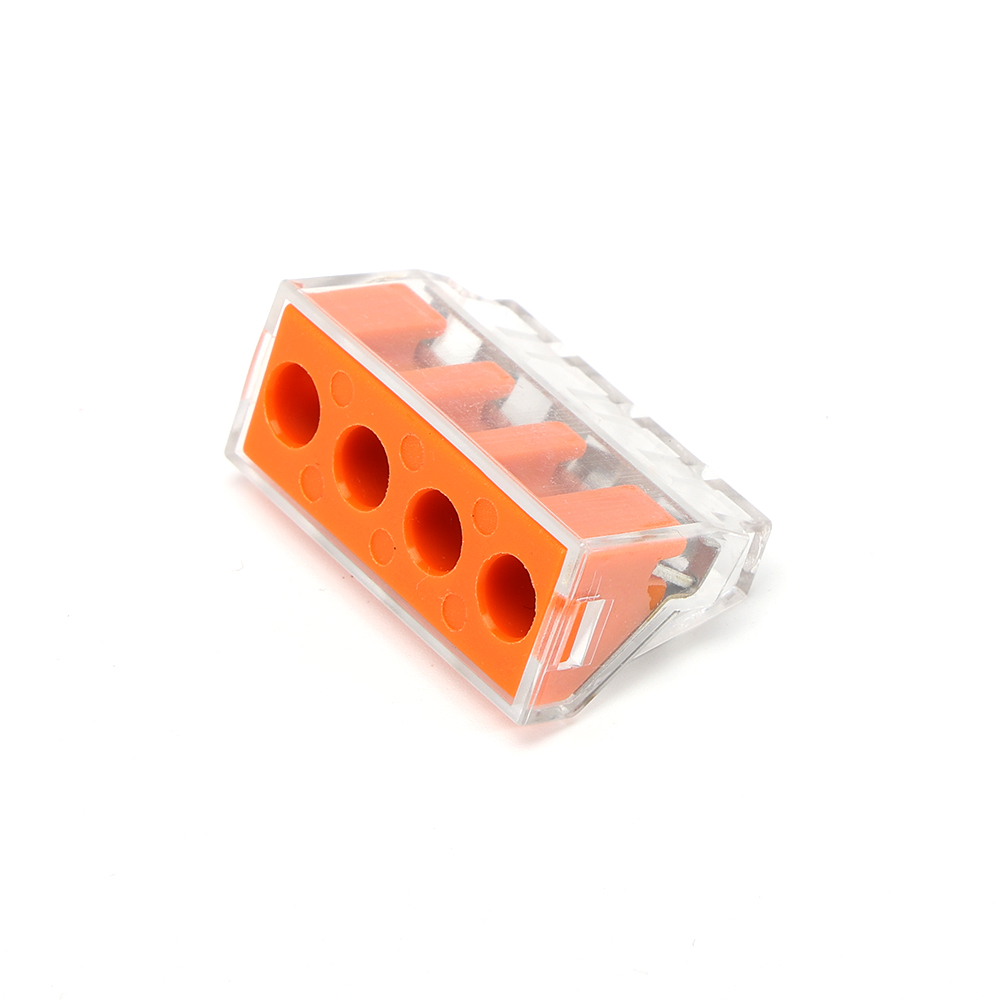
Quick Connect Terminal Blocks are modern wiring components designed for tool-free or low-tool installation. Wires are inserted directly into a spring or cage mechanism, creating a stable electrical connection without tightening screws.
In contrast, Traditional Screw Connections rely on mechanical force. A screw clamps the conductor inside a metal cage, creating contact pressure.
This fundamental difference defines the entire debate between speed vs tradition in Terminal Block Connections.
Working Principle
Quick connect systems use a spring-loaded cage that applies constant pressure on the conductor.
Traditional screw systems depend on torque applied by the installer.
- Spring clamp systems maintain consistent pressure
- Screw systems depend on human torque accuracy
- Contact stability differs under vibration conditions
- Material deformation plays a role over time
- Energy loss may vary slightly depending on connection quality
Installation Process
This is where you immediately feel the difference in real factory environments.
Quick connect systems are designed for speed. You simply insert the stripped wire.
Screw terminals require alignment, tightening, and torque checking.
| Feature | Quick Connect | Screw Connection | Impact |
|---|---|---|---|
| Installation time | Very fast | Slower | Labor efficiency |
| Tools required | Minimal | Screwdriver | Tool dependency |
| Error risk | Low | Medium–High | Human factor |
| Rework speed | Fast | Moderate | Maintenance ease |
| Training required | Low | Medium | Workforce onboarding |
- Faster panel assembly line performance
- Reduced human installation errors
- Less dependency on operator skill level
- More consistent wiring quality
- Better suited for mass production environments
Electrical Performance
From a technical perspective, both systems can perform well—but under different conditions.
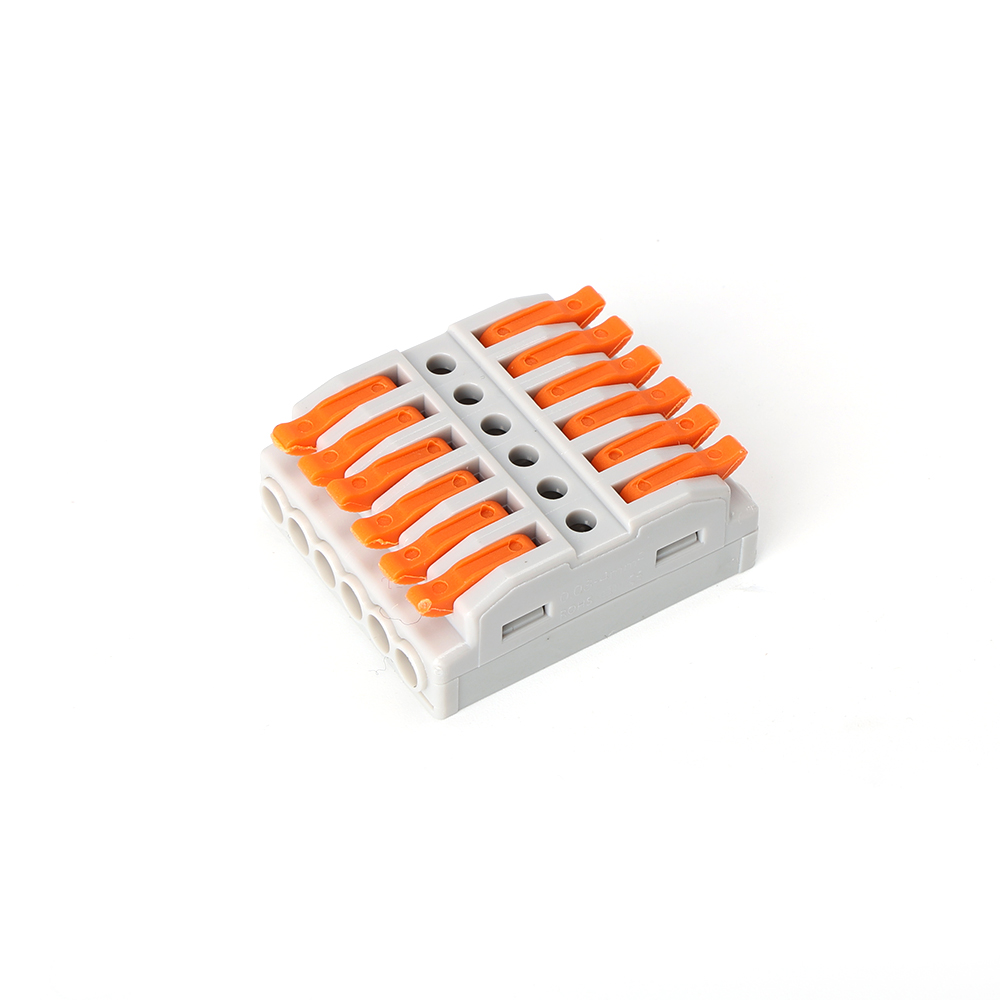 Quick connect systems maintain stable contact pressure due to spring force. Screw terminals rely on torque, which can vary between operators.
- Stable contact resistance in spring systems
- Torque variation in screw systems
- Heat buildup differences under load
- Long-term conductivity stability
- Performance under continuous current flow
In industrial testing environments, engineers often notice that spring-based systems maintain more consistent behavior over time—especially in automated control cabinets.
Reliability And Vibration Resistance
This is where things get interesting.
In real industrial environments—think motors, conveyors, and heavy machinery—vibration is unavoidable.
Quick connect systems (especially Spring Clamp Terminal Block) are designed to self-adjust slightly under mechanical stress.
Screw connections may gradually loosen if not properly torqued or maintained.
- Better vibration resistance in spring systems
- Reduced risk of loosening over time
- Stable performance in mobile equipment
- Lower maintenance intervention frequency
- More predictable long-term behavior
A common OEM case: a European automation cabinet manufacturer reported fewer field failures after switching 40% of wiring points to screwless terminals.
Maintenance Requirements
Maintenance is where lifecycle cost quietly appears.
Screw terminals often require periodic inspection and re-tightening, especially in high-vibration environments.
Quick connect systems are generally maintenance-light.
- No periodic torque checking required
- Easier wire replacement and rewiring
- Lower maintenance labor cost
- Reduced downtime in service operations
- More predictable maintenance planning
For procurement teams, this often becomes a hidden cost advantage over time.
Cost And Efficiency Impact
At first glance, screw terminals are cheaper per unit. But that’s not the full picture.
Quick connect systems reduce labor cost and assembly time significantly.
- Lower assembly labor cost
- Faster production throughput
- Reduced rework rate
- Higher automation compatibility
- Better long-term ROI in large-scale production
In many OEM projects, engineers quietly admit: “the component cost is higher, but the system cost is lower.”
Application Scenarios: When To Use Each Type
Choosing between systems is not about “better or worse”—it’s about context.
Quick connect systems are widely used in:
- Industrial automation control panels
- PLC wiring systems
- High-volume OEM manufacturing
- HVAC electrical systems
- Modular electrical distribution systems
Traditional screw connections still dominate in:
- Budget-sensitive installations
- Legacy electrical systems
- Low-frequency maintenance environments
- Simple wiring applications
- Field repair-heavy setups
You’ll often find both systems coexisting in the same panel design—especially in hybrid industrial equipment.
How To Choose The Right Terminal Block
When you are sourcing from manufacturers like Westlec, your decision usually comes down to balancing performance and cost.
- Consider installation speed requirements
- Evaluate vibration and environmental conditions
- Check current and voltage ratings carefully
- Assess maintenance accessibility
- Compare lifecycle cost, not just unit price
- Match with panel standardization strategy
In practice, many engineers say the decision becomes obvious once production scale increases.
FAQ
Which Terminal Type Has A Longer Lifespan?
Both can last many years, but Quick Connect Terminal Blocks often maintain more stable performance in vibration-heavy environments due to constant spring pressure.
Are Quick Connect Terminal Blocks Reliable?
Yes. In industrial applications, they are widely used in automation systems where consistency and vibration resistance are critical.
Are Screw Terminals Better Than Push-In Terminals?
Not universally. Screw terminals may be preferred in low-cost or legacy systems, while push-in systems are better for speed and consistency.
Maintenance Differences Between Terminal Block Types
Screw terminals may require periodic tightening. Quick connect systems typically require minimal maintenance, reducing long-term labor cost.
Which Terminal Type Provides Better Electrical Safety?
Quick connect systems reduce human error during installation, while screw systems depend heavily on correct torque application.
Are Screwless Terminal Blocks Replacing Traditional Screw Connections?
They are increasingly replacing them in automation and OEM industries, but screw terminals are still widely used in traditional installations.
Are Quick Connect Terminal Blocks Faster To Install Than Screw Terminals?
Yes—installation speed can be significantly higher because no tools are required.
Which Is Better: Quick Connect Terminal Blocks Or Traditional Screw Terminals?
It depends on your application. High-volume production favors quick connect systems, while cost-sensitive or legacy environments may still prefer screw connections.
Conclusion
When comparing Quick Connect Terminal Blocks Vs Traditional Screw Connections, you are really comparing two philosophies: speed and consistency versus cost and tradition.
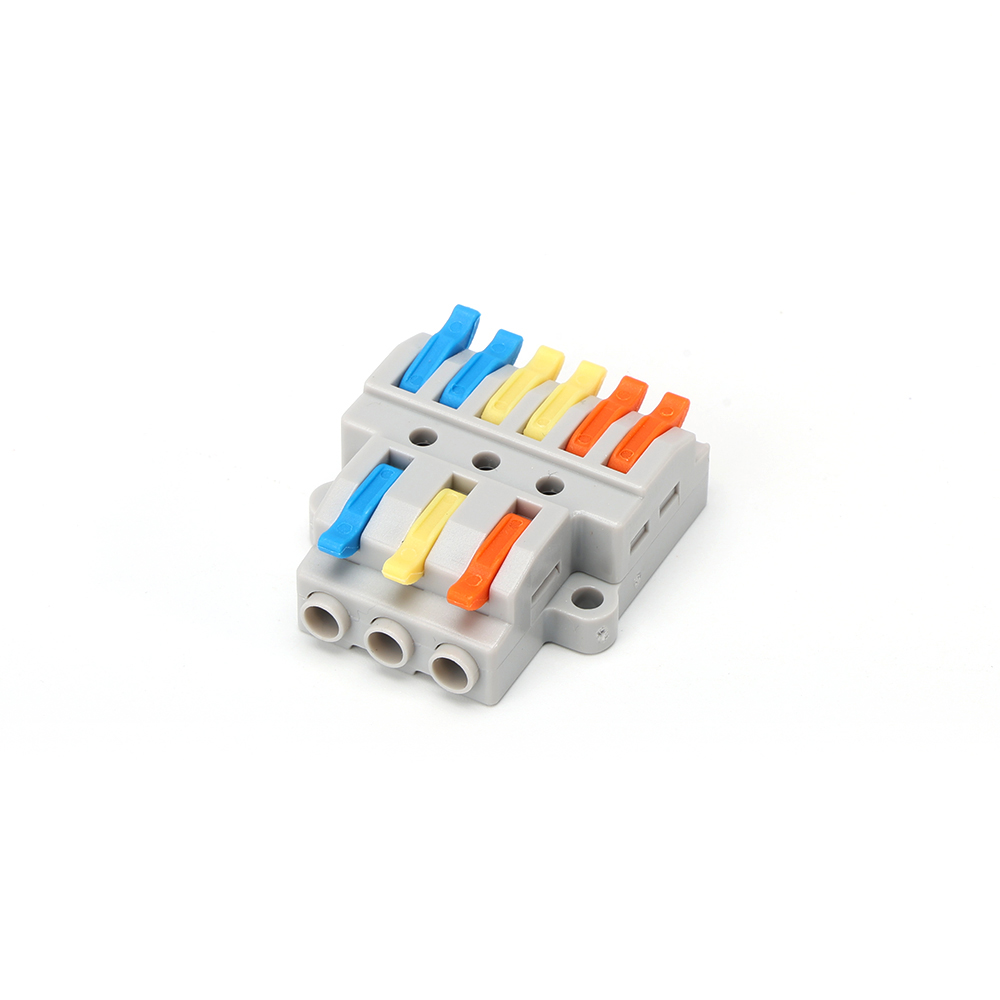
Quick connect systems—such as Push In Terminal Block, Spring Clamp Terminal Block, and Screwless Terminal Block solutions—offer clear advantages in installation speed, vibration resistance, and maintenance reduction. Traditional screw connections still hold value in simple, low-cost, or legacy electrical systems.
If you are working on industrial automation, OEM manufacturing, or modern control panel design, the long-term efficiency gains of quick connect systems often outweigh the initial cost difference.
Westlec provides industrial-grade terminal solutions designed for reliability, consistency, and scalable production needs. If your goal is to improve wiring efficiency and reduce assembly time, it may be worth considering a transition toward modern screwless connection systems in your next project.
 EN
EN  PT
PT 