

Escolhendo o direito fabricante de terminais de crimpagem is one of the highest-impact procurement decisions in any wiring project. A crimp terminal forms a permanent, cold-welded connection between a conductor and a connector, and its quality directly determines contact resistance, vibration resistance, and long-term electrical safety. Get it wrong, and you are not just buying a cheap component — you are accepting a hidden risk of overheating, intermittent failures, and compliance problems further down the line.
This guide gives you a practical supplier scorecard: 10 questions to ask before choosing a crimp terminal manufacturer, plus a framework for comparing suppliers, the most common sourcing mistakes, and a pre-order checklist for bulk purchases. Whether you are buying non-insulated crimp terminals, fork crimp terminals, or cable crimp terminals for distribution boards, this checklist will help you qualify suppliers with confidence.
WESTLEC is a factory-direct manufacturer of low-voltage electrical components based in Yueqing, Zhejiang, China — one of the world’s major low-voltage electrical hubs. We produce crimp terminals, DIN rail terminal blocks, quick connectors, cable glands, busbars, and junction boxes for distributors and OEMs across the global market.
10 Questions To Ask Before Choosing Crimp Terminal Manufacturer
Use the ten questions below as your supplier evaluation checklist. Walk through them with every candidate manufacturer, and record the answers — you will be able to compare them objectively in the next section.
1. Does Manufacturer Have Experience Producing Different Types Of Crimp Terminals?
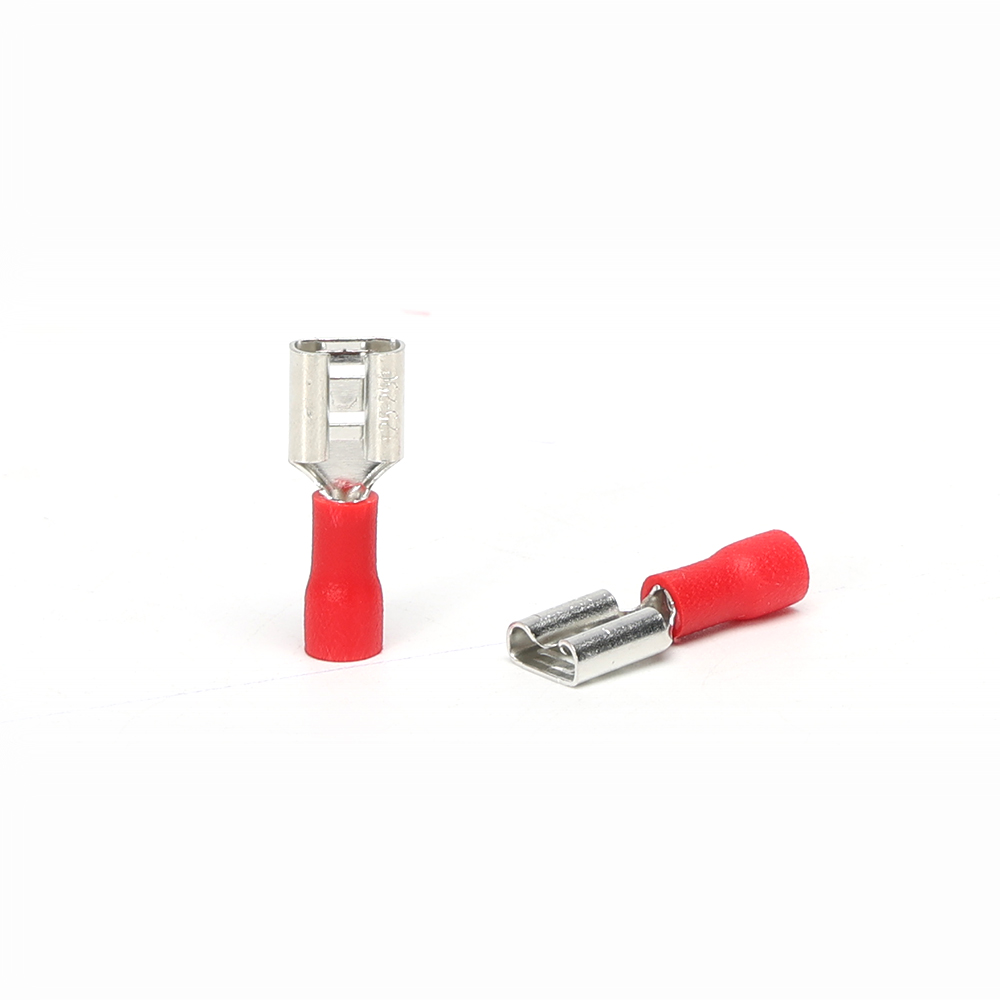
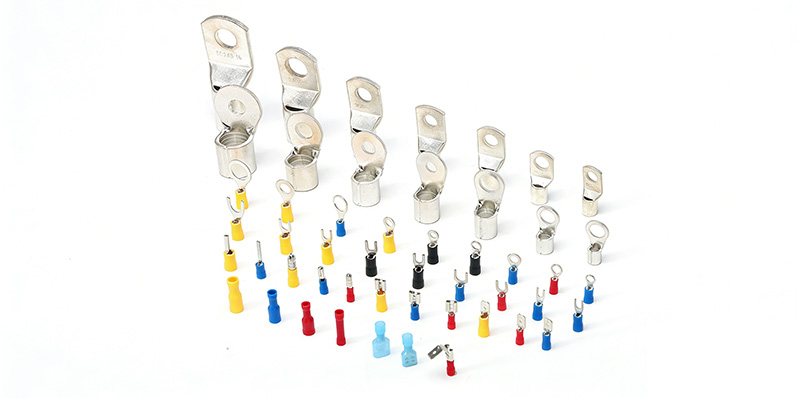
Crimp terminals are not a single product. They come as ring terminals, fork (spade) terminals, pin terminals, bullet terminals, butt splice terminals, and disconnectors — each available in insulated, non-insulated, and heavy-duty versions, plus copper tube terminals for large cable cross-sections. A manufacturer with broad experience across these types understands the subtle differences in tooling, die design, and crimping behavior, which usually translates into more consistent quality.
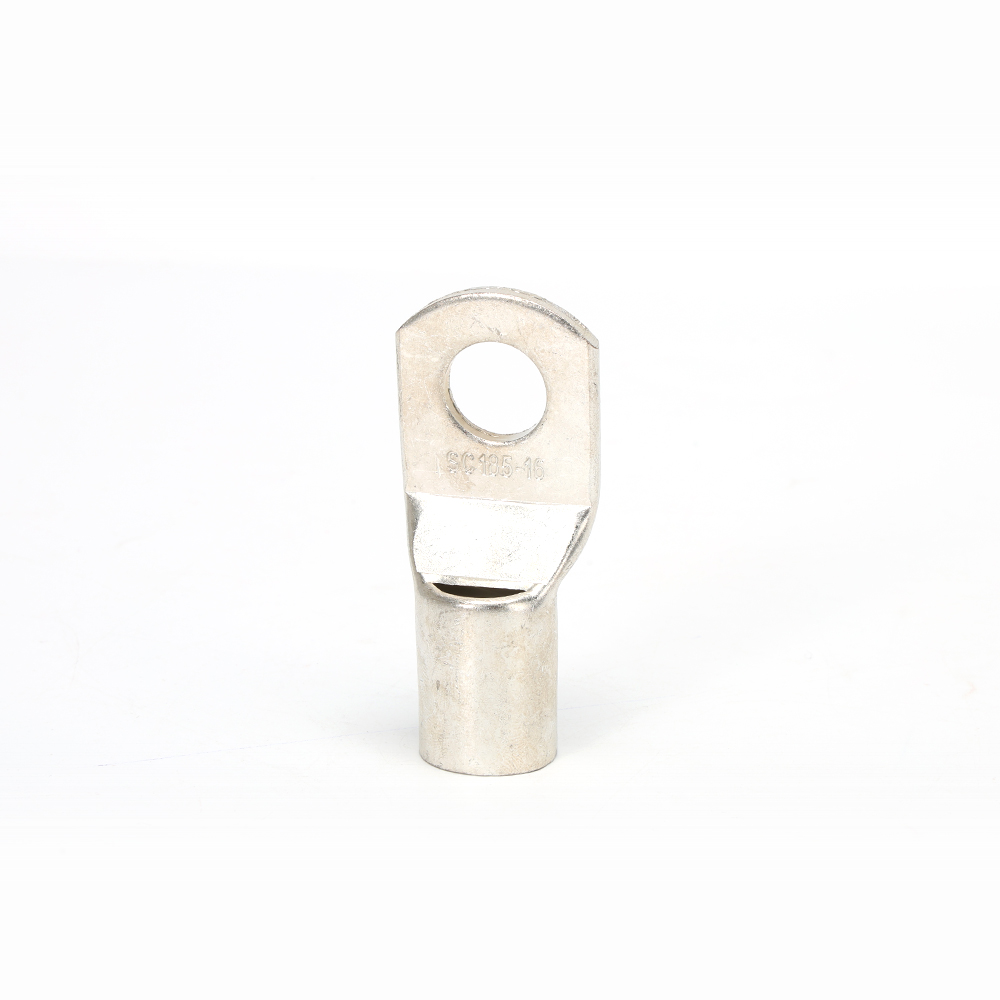
Ask to see the full product range and request samples from several families. If a supplier can only offer one or two types, consider whether they will be able to support your future product mix. A full-range crimp terminal manufacturer can be a long-term single source, which simplifies qualification and reduces supply-chain complexity.
2. Can Manufacturer Provide Custom Crimp Terminal Solutions?
B2B projects frequently need more than a standard catalog item: longer barrel lengths, specific stud or hole sizes, custom insulation colors, laser marking, special packaging (reel, strip, or boxed), or performance tweaks for demanding environments. Ask whether the manufacturer supports OEM and ODM customization, what the tooling cost and lead time are, and what the minimum order quantity is for custom parts.
Factory-direct manufacturers can usually adapt faster than trading companies, because the tooling, stamping, and plating lines are in-house. A clear answer to this question tells you how much engineering flexibility you can expect over the lifetime of the partnership.
3. What Materials And Surface Treatments Does Manufacturer Use?
Material quality is the foundation of crimp terminal performance. High-quality terminals are typically stamped from electrolytic copper (99.9% purity) or brass, with tin plating applied to a controlled thickness to protect against corrosion and keep contact resistance low. Cheap alternatives may use lower-purity alloys or thin, uneven plating that fails in humid or vibrating environments.
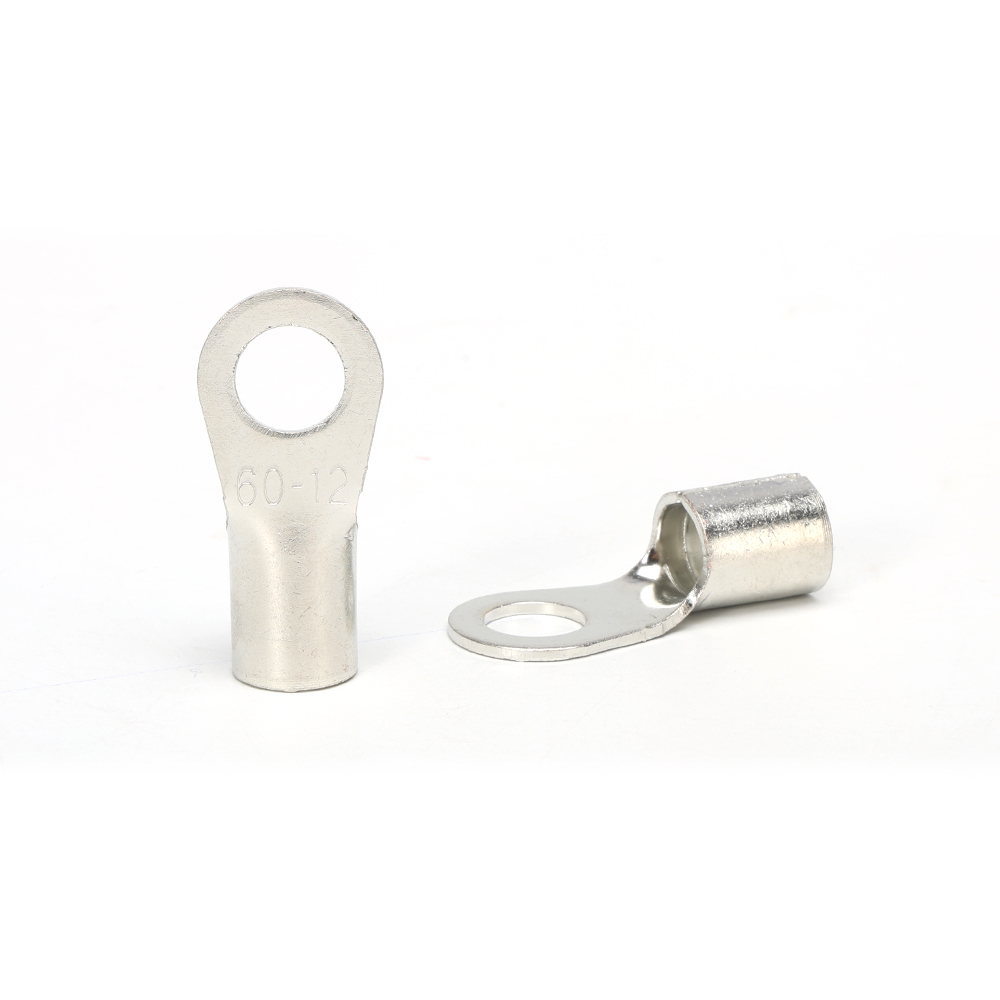
Ask for material certificates and plating specifications, and confirm that materials comply with RoHS and REACH requirements. For example, WESTLEC’s tin-plated non-insulated ring terminals are designed for cables from 6 to 185 mm², rated 62A to 395A, for heavy industrial power applications such as distribution cabinets, photovoltaic systems, and battery connections.
4. Does Manufacturer Have Strict Quality Control Processes?
Ask for the manufacturer’s quality control flow: incoming material inspection, in-process checks during stamping and forming, 100% visual inspection or sampling plans, and finished-goods testing. Key tests to look for include pull-out (tensile) testing of crimped connections, salt-spray corrosion testing to ISO 9227 or ASTM B117, and conductivity checks.
A manufacturer with documented QC procedures — ideally aligned with ISO 9001 — will share defect-rate data and test reports openly. Vague answers or refusals to share test documentation are red flags regardless of how good the price looks.
5. Can Manufacturer Meet International Standards And Certifications?
For North American and European markets, certification is not optional. The relevant benchmarks for crimp terminals include UL 486A-486B (wire connectors for copper conductors), IEC 61238-1 (compression and mechanical connectors), CE (LVD 2014/35/EU and RoHS 2011/65/EU), and ALCANÇAR compliance. Manufacturing systems should be ISO 9001 certified at minimum.
Ask for certificate numbers and verify them online — for example, through the UL Online Certifications Directory. Never accept a logo image as proof. For a deeper breakdown of what to verify and how, see our guide to crimp terminal certifications.
6. Does The Manufacturer Support Large Volume Production?
Your needs will grow, and the manufacturer’s capacity must grow with them. Ask about monthly output, the number of high-speed stamping and forming machines, mold ownership, and how production is planned for repeat orders. A supplier with real factory capacity can commit to volume, hold buffer stock, and keep lead times stable when demand spikes.
If a manufacturer’s production line is small or outsourced, ask how they guarantee capacity during peak seasons. Reliability at volume is one of the biggest differences between a professional manufacturer and a middleman.
 7. Can Manufacturer Provide Reliable Delivery And Supply Chain Support?
Late delivery stops your production line — the cost of a delay almost always exceeds the savings from a slightly cheaper unit price. Ask about standard lead times, export experience, Incoterms, packaging for sea and air freight, and whether the manufacturer can hold consignment stock for scheduled releases.
Also check how they handle rush orders and what their track record is on on-time delivery. A professional manufacturer treats delivery reliability as part of the product.
8. Does Manufacturer Offer Solutions Beyond Crimp Terminals?
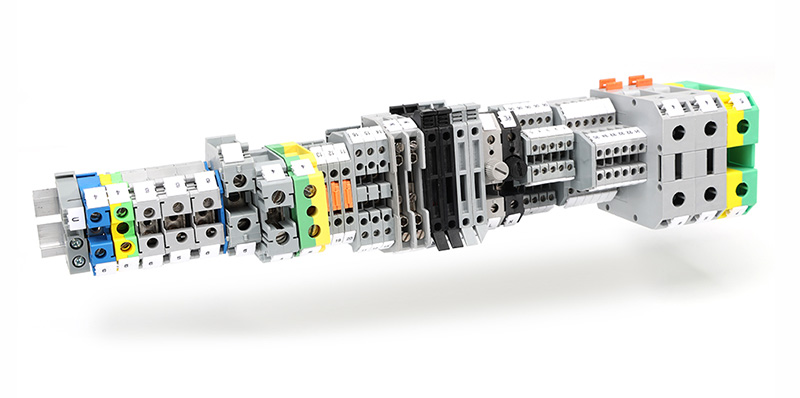
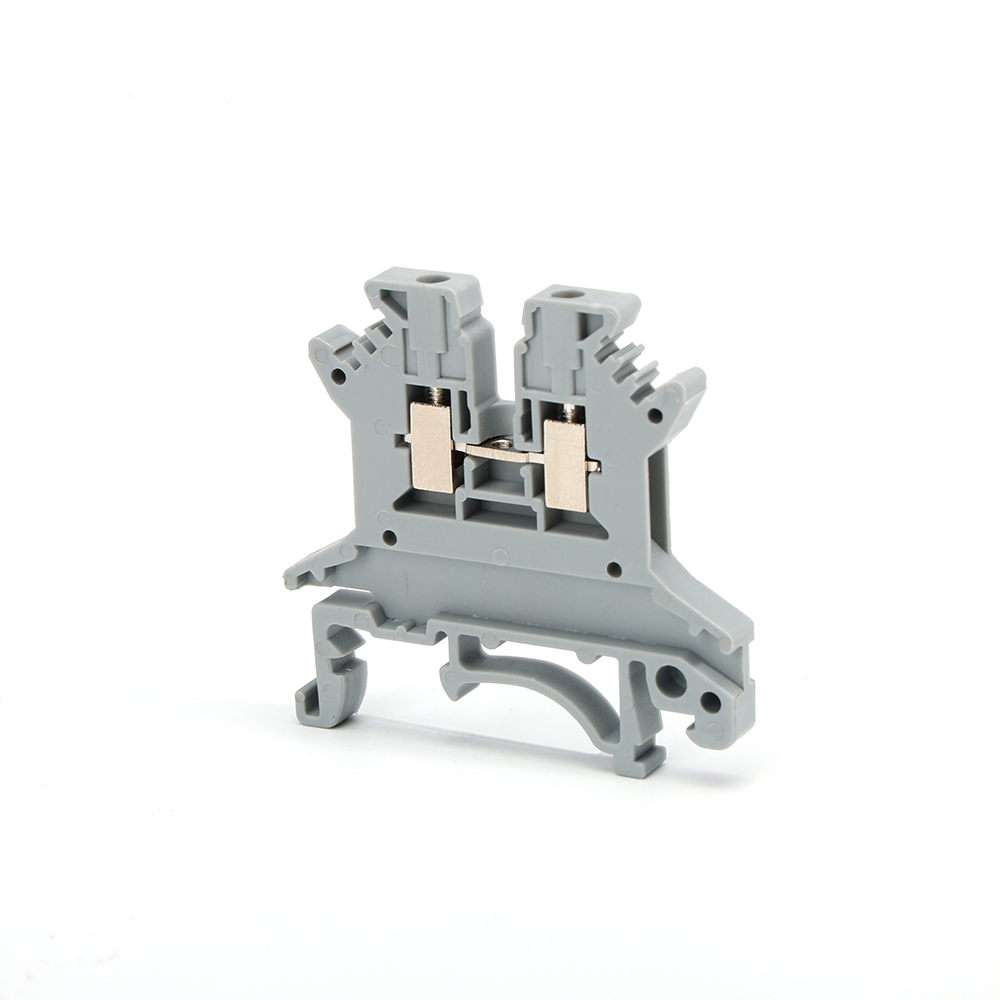
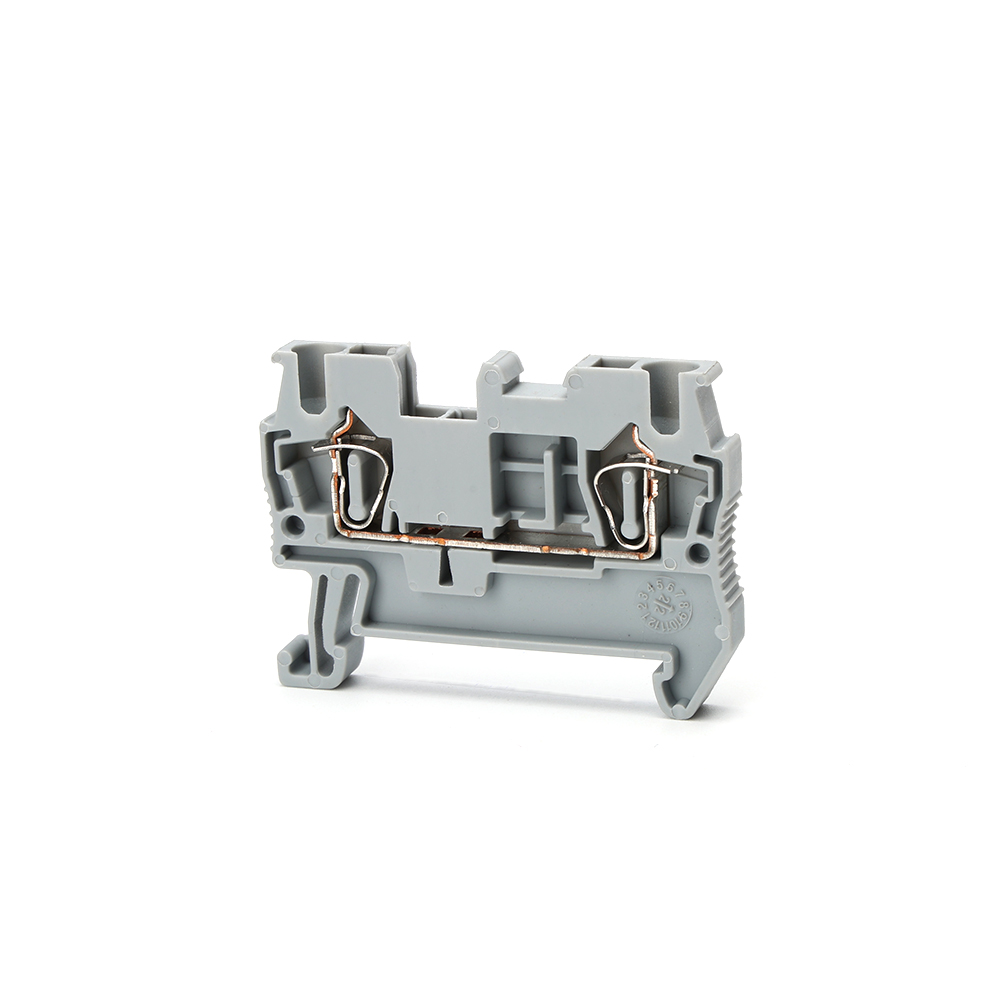
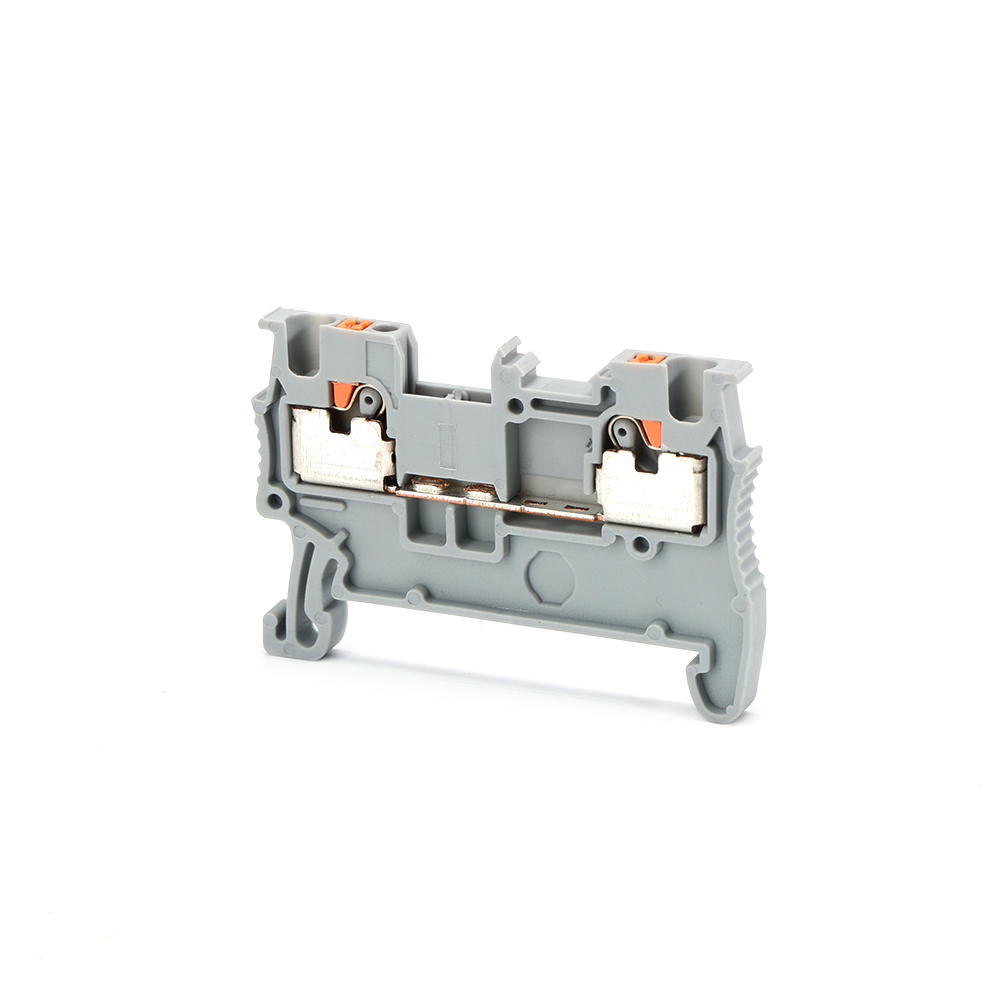
Control cabinets and distribution panels rarely need crimp terminals alone. If one supplier can also provide DIN rail feed through terminal blocks, cable glands, busbars, and quick wire connectors, you reduce supplier count, simplify qualification and inspection, and often qualify for better pricing through consolidated orders.
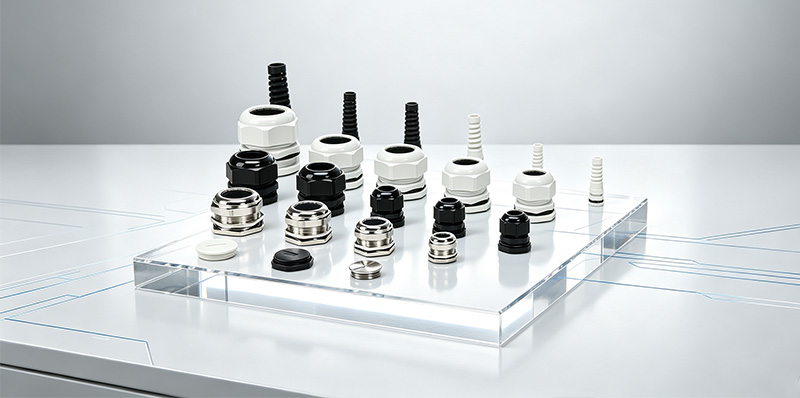
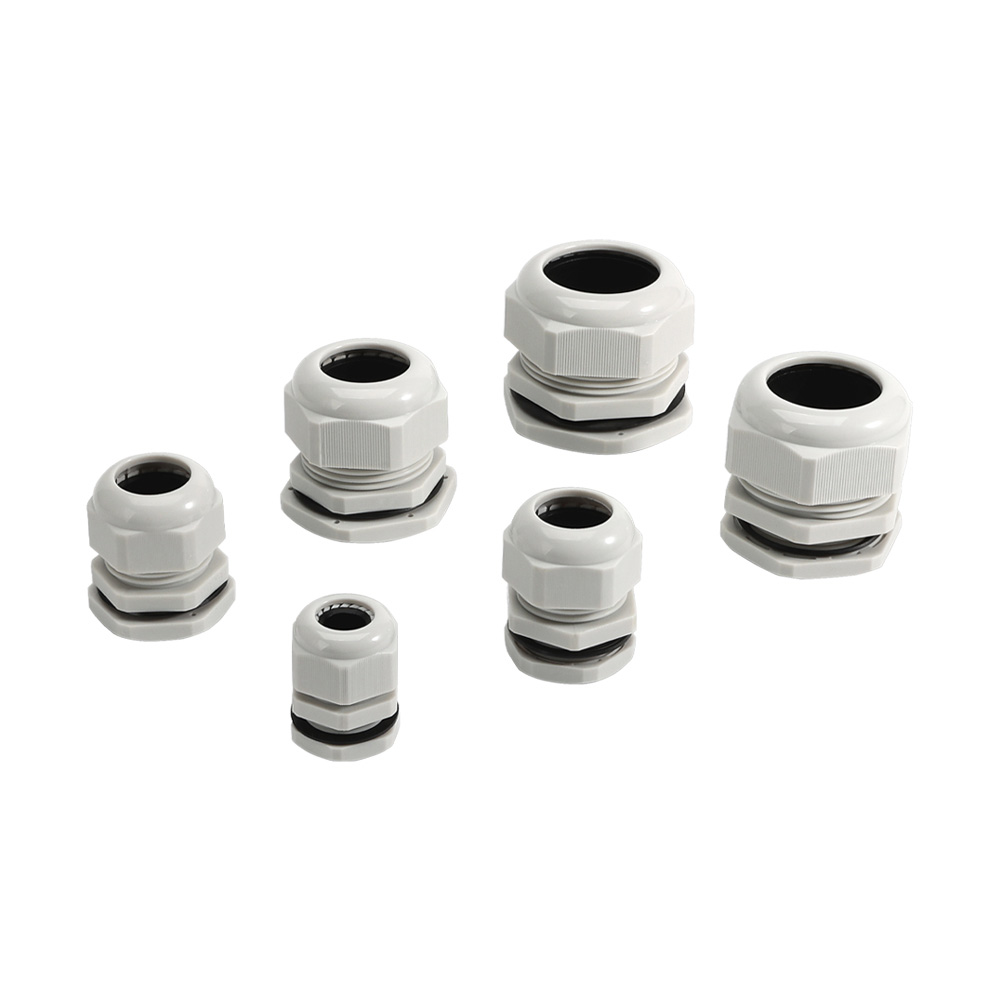
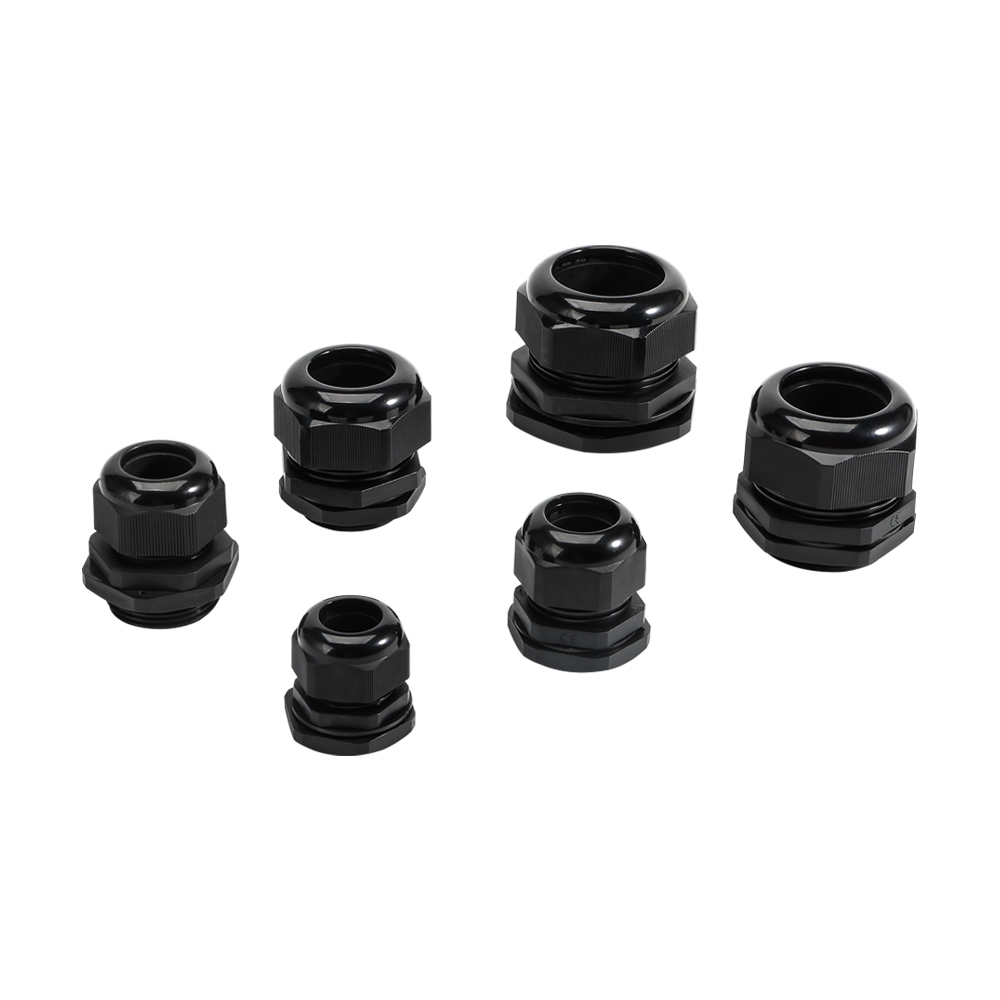
WESTLEC’s range covers quick wire connectors, PCB terminal blocks, DIN rail terminal blocks, junction boxes, crimp terminals, cable glands, electrical insulators, and industrial power sockets — a practical one-stop source for panel builders and distributors.
9. What Is Manufacturer’s Pricing Structure And Cost Advantage?
Ask for a transparent price structure: unit price by volume tier, tooling costs, packaging costs, and freight. Factory-direct manufacturers can offer genuine cost advantages because there is no trading company markup — but the lowest unit price is meaningless if quality, delivery, and support are weak.
Evaluate total cost of ownership (TCO) rather than unit price alone. A slightly higher price from a certified, reliable manufacturer frequently costs less over the product’s lifetime once rejects, returns, and downtime are counted.
10. Can Manufacturer Provide Long-Term Technical Support?
Beyond the sale, you want engineering support: help with terminal selection, crimping tool recommendations, application guidance, documentation, and fast responses when issues arise. Ask how the manufacturer handles technical inquiries, whether samples and datasheets are readily available, and how they support product changes and re-qualification.
Long-term support matters most for OEMs and distributors who carry a crimp terminal series in their catalog for years — the relationship is part of the product.
Need a Reliable Crimp Terminal Manufacturer?
Talk to WESTLEC engineers for factory-direct pricing, free samples, and certified crimp terminals for your project.
How To Compare Different Crimp Terminal Manufacturers?
Once you have answers from two or three candidate suppliers, compare them systematically. The table below summarizes what to check and which signals should disqualify a supplier immediately.
| Critérios de Avaliação | What To Check | Bandeiras Vermelhas |
|---|---|---|
| Certificações | Valid certificate numbers, verifiable online | Logo images only, expired certificates, no numbers |
| Sample quality | Consistent plating, clean forming, no burrs | Inconsistent samples across batches |
| Test data | Pull-out and salt-spray test reports from third parties | No test reports, or internal-only data with no methodology |
| Factory capacity | Real production lines, equipment list, monthly output | Vague answers about capacity or outsourced production |
| Capacidade de resposta | Fast, technical answers to your questions | Sales-only replies with no engineering input |
| Total cost | TCO: price + freight + rejects + downtime | Price far below market with no explanation |
Then run a structured shortlist process: request samples from each candidate, crimp them with the tooling you will use in production, and perform a simple pull-out test. Compare the feel, finish, and dimensional consistency side by side. Finally, ask for two or three customer references in your industry and follow up with them.
Common Mistakes When Choosing A Crimp Terminal Supplier
- Choosing purely on price. The cheapest unit price often hides lower material purity, thinner plating, and weaker QC — costs that reappear as field failures.
- Skipping sample testing. Never place a bulk order without crimping and testing samples with your own tools. A 30-minute test can prevent a 30-day production stop.
- Ignoring certifications. Missing UL or CE compliance can block your product from entire markets or void insurance coverage.
- Not checking materials. Plating thickness and copper purity are invisible to the eye but decisive for contact resistance and corrosion life.
- Underestimating lead times. A supplier who promises the impossible will eventually force expedited freight costs or line stoppages onto you.
- Overlooking packaging and labeling. Mixed or damaged packaging on a reel or boxed line creates rework and disputes in your own warehouse.
Why Working With Professional Crimp Terminal Manufacturer Matters
A crimp terminal is a small component with a large responsibility: every connection it makes carries current, and every failure it causes interrupts equipment, production, or power delivery. Professional manufacturers invest in precision tooling, controlled plating, documented QC, and certified materials because they understand that connection reliability is safety-critical.
Working with a professional manufacturer also protects your commercial position. You get consistent product across batches, test documentation that supports your own compliance files, stable lead times that protect your schedules, and engineering support when applications get demanding. These are not extras — they are the difference between a component supplier and a strategic partner.
Key Factors To Consider Before Placing A Bulk Order
- Confirm specifications in writing: wire range (AWG / mm²), stud or hole size, insulation type and color, and current rating.
- Agree on MOQ and tier pricing: volume breaks, tooling costs, and whether packaging options (reel, strip, box) change pricing.
- Lock delivery terms: lead time, Incoterms, freight method, and the process for rush orders.
- Define quality acceptance: inspection standard, sampling plan, test reports required with each shipment.
- Require compliance documentation: certificates, material declarations, and RoHS/REACH statements in your naming and format.
- Set payment and warranty terms: payment schedule, defect claims window, and replacement or credit process.
- Plan for repeat orders: confirm the manufacturer can hold the tooling and maintain consistent quality for reorders.
Planning A Bulk Crimp Terminal Order?
Send WESTLEC your specifications and target quantity — get a transparent factory-direct quote within one business day.
Perguntas frequentes
Can Crimp Terminals Be Customized?
Yes. Most professional crimp terminal manufacturers support customization of barrel length, stud size, insulation color and material, laser marking, and packaging (reel, strip, or box). Custom tooling usually involves a one-time cost and a minimum order quantity, so discuss the details with the manufacturer before ordering.
How Do I Choose Cable Crimp Terminals?
Match the terminal’s wire range to your conductor cross-section (in AWG or mm²), choose the right connection type for the application — ring for permanent high-vibration connections, fork for easy disassembly — and confirm the current rating covers your load. For heavy cables above 6 mm², non-insulated or copper tube terminals are typically the better choice, and they must be crimped with the correct die.
Are Fork Crimp Terminals Better Than Ring Terminals?
Neither is universally better — it depends on the application. Fork (spade) terminals are faster to remove and reinstall, which suits terminal blocks and equipment that needs periodic maintenance. Ring terminals provide a 360-degree grip around the stud and hold more securely under high vibration. Many installers use both: fork crimp terminals for serviceable connections and ring terminals for permanent, demanding ones.
What Materials Are Commonly Used For Crimp Terminals?
Electrolytic copper (around 99.9% purity) is the standard for high-quality terminals because of its conductivity, followed by brass for pin-type contacts. Most copper terminals receive a tin plating for corrosion resistance and stable contact resistance; aluminum is used mainly for weight-sensitive or specific utility applications. Insulation sleeves are typically PVC or nylon, often rated UL94 V-2 or V-0 for flame resistance.
How Do I Evaluate Reliable Electrical Terminal Supplier?
Start with the 10 questions in this article: certifications, materials, QC process, sample quality, test data, capacity, delivery record, and technical support. Verify certificate numbers online, test samples with your own crimping tools, and ask for customer references in your industry. A reliable supplier is transparent about all of these — hesitation is a warning sign.
Can One Supplier Provide Both Crimp Terminals And Din Rail Terminal Blocks?
Yes. Many full-range electrical component manufacturers produce both product families. Ordering crimp terminals together with DIN rail feed through terminal blocks and other panel components from a single factory simplifies qualification, reduces supplier management, and often improves overall pricing.
Conclusão
Choosing the right crimp terminal manufacturer comes down to asking the right questions and verifying the answers. Check experience across terminal types, customization capability, materials and plating, quality control, certifications, production capacity, delivery reliability, product range, honest pricing, and long-term support. Then compare candidates on a level playing field — samples, test data, references, and total cost of ownership.
For B2B buyers looking for a factory-direct partner, WESTLEC combines a full crimp terminal range with DIN rail terminal blocks, cable glands, busbars, and quick connectors — backed by transparent pricing and engineering support. Start the conversation with your specifications, and our team will help you select the right terminal for every connection.
Find Your Crimp Terminal Solution With WESTLEC
Factory-direct crimp terminals, free samples, and certified quality — contact our team today.
Recursos relacionados
- Quais certificações um fabricante de terminais de crimpagem deve fornecer?
- Tipos de terminais de crimpagem: conector de garfo, conector de espada, comparação de conector de anel
- Guia de tamanho do conector de crimpagem fêmea: compatibilidade com AWG, passo e fio
- Terminal de emenda de topo vs conector de topo: Qual é a diferença?
- Como selecionar um bloco terminal para trilho Din
 PT
PT  EN
EN