

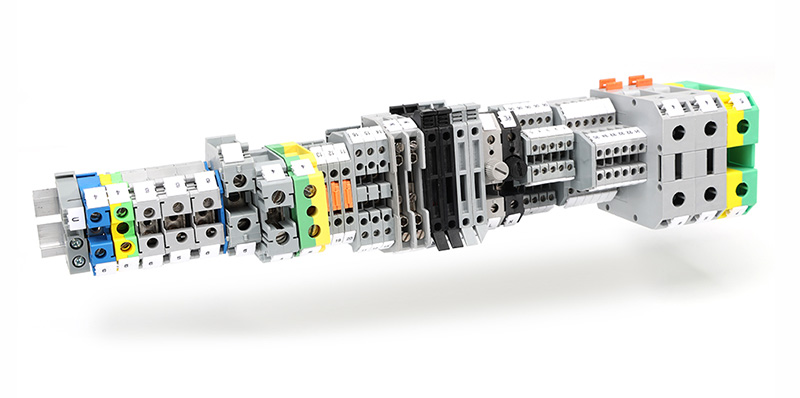
If you’re sourcing components for your industrial electrical systems, understanding Terminal Block Types is crucial. Westlec offers a wide range of high-quality Industrial Terminal Blocks, designed to simplify wiring, enhance safety, and optimize maintenance. This guide will walk you through each type, key specifications, installation considerations, and applications, so you can make informed decisions for your projects.
Industrial Terminal Block Types
Industrial systems demand reliable and flexible connections. Choosing the right terminal block ensures safety, efficiency, and long-term performance. Let’s explore the main types of Westlec terminal blocks.
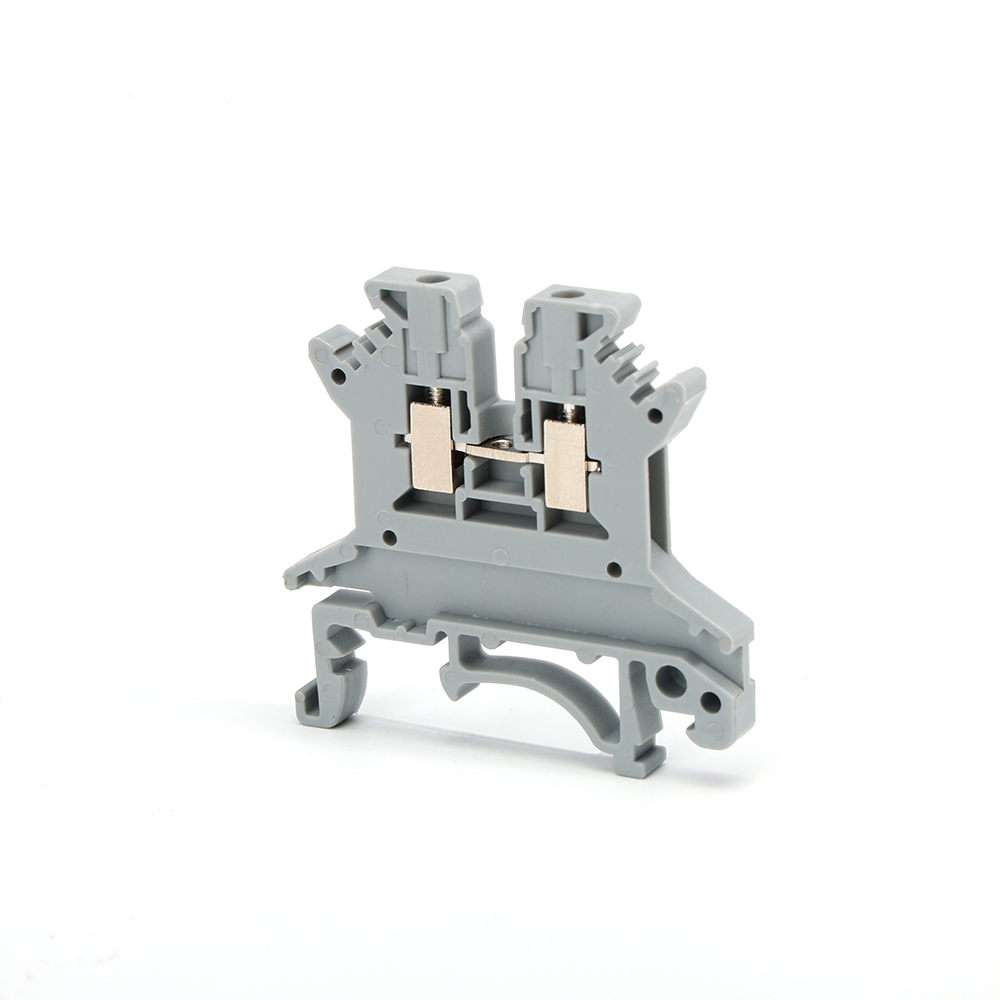
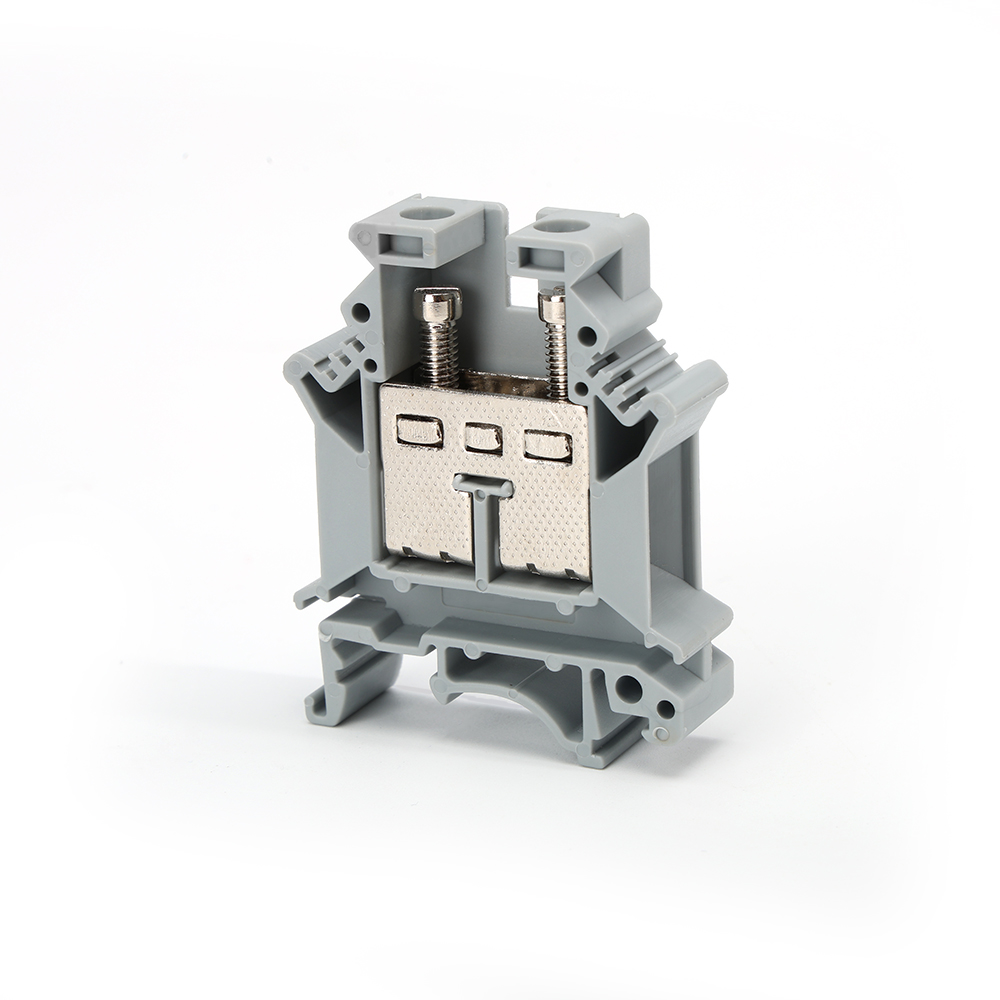
Screw Terminal Blocks
Screw terminal blocks are a classic choice for many industrial applications. They secure wires by tightening a screw that clamps the conductor firmly.
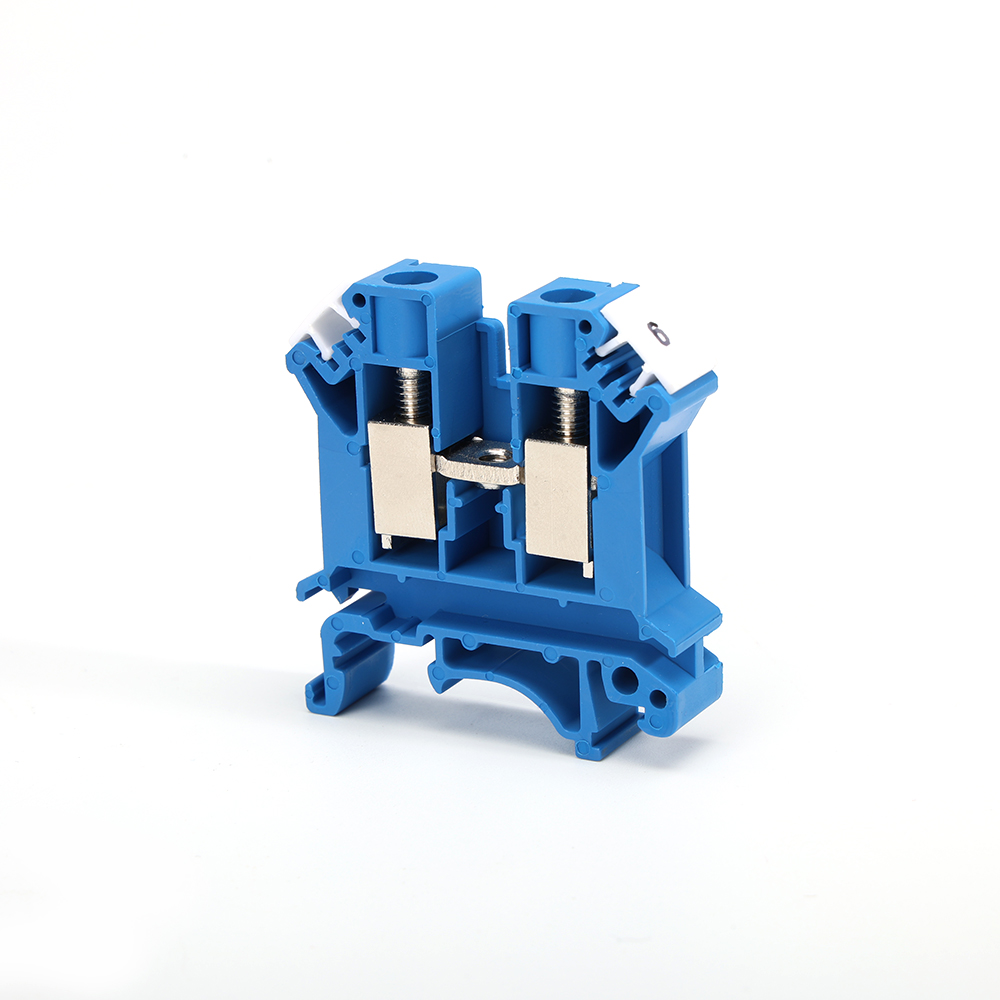
- Ideal for high-current connections and heavy-duty wiring
- Compatible with stranded or multi-core wires
- Excellent for vibration-prone environments
- Reliable and long-lasting connection
- Easy to maintain and inspect
For a control panel in a manufacturing plant, screw terminals can handle multiple wire connections with high current loads without loosening over time.
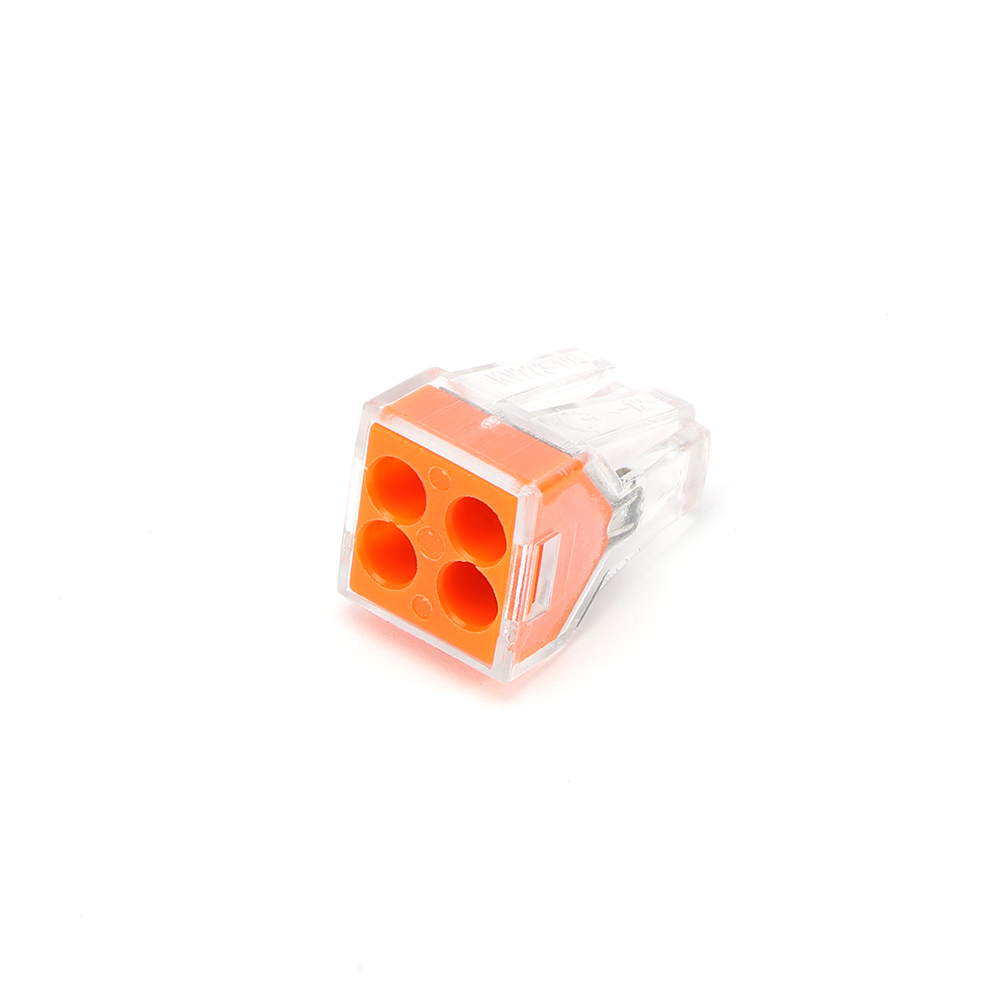
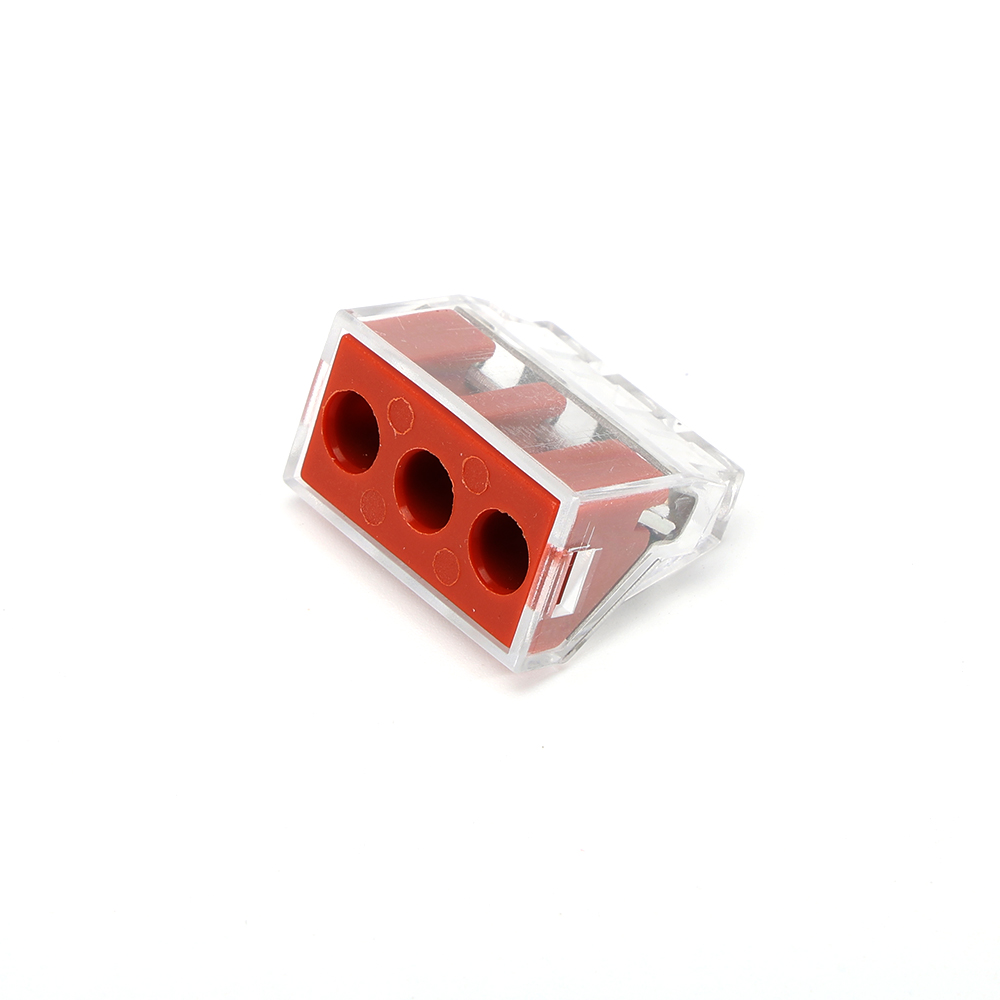
Push In Terminal Blocks
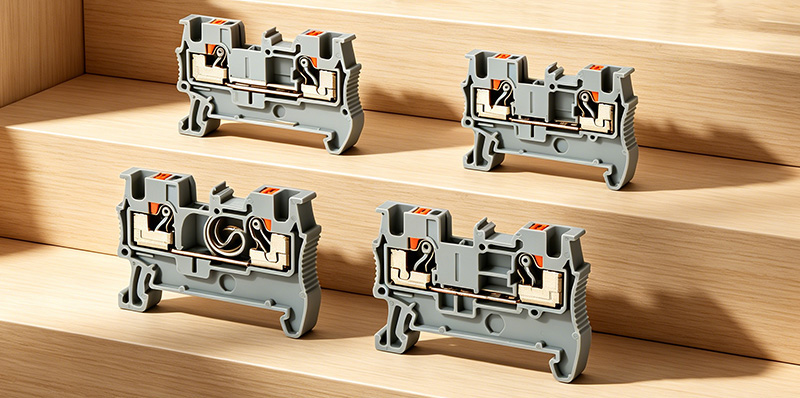
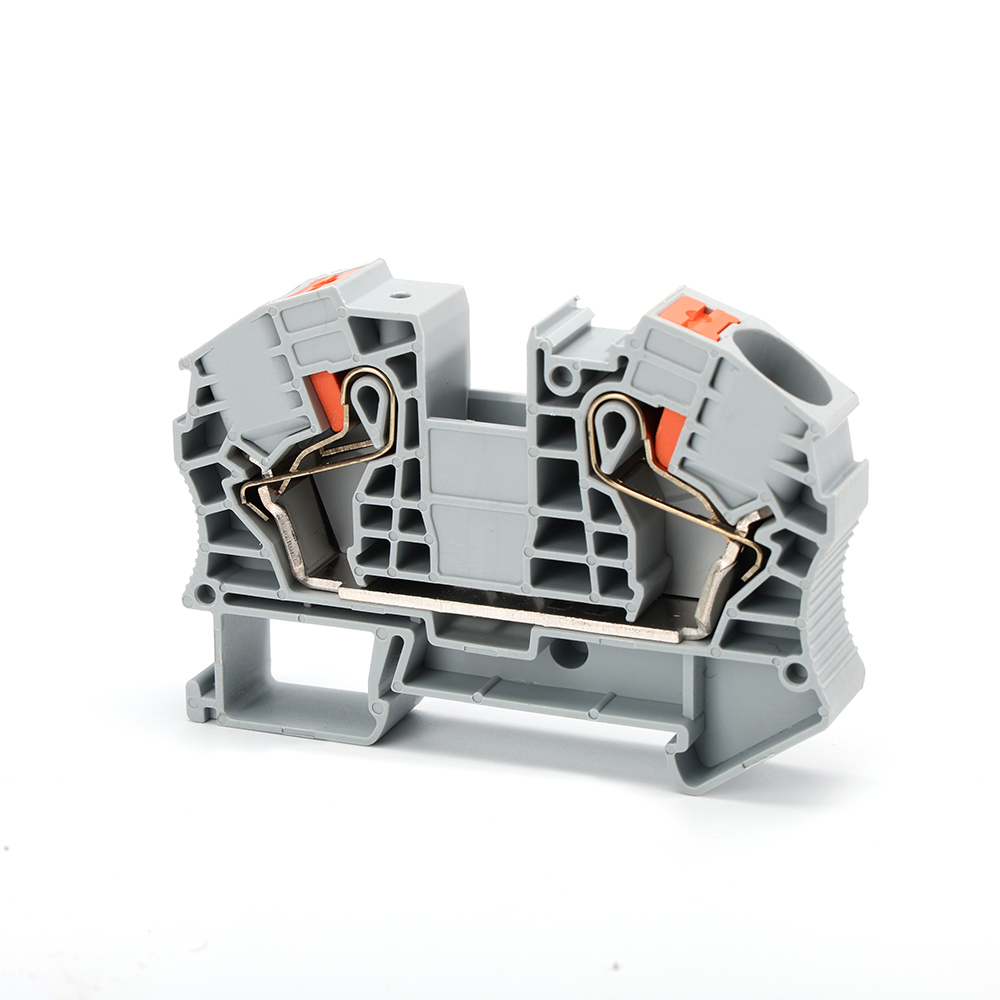
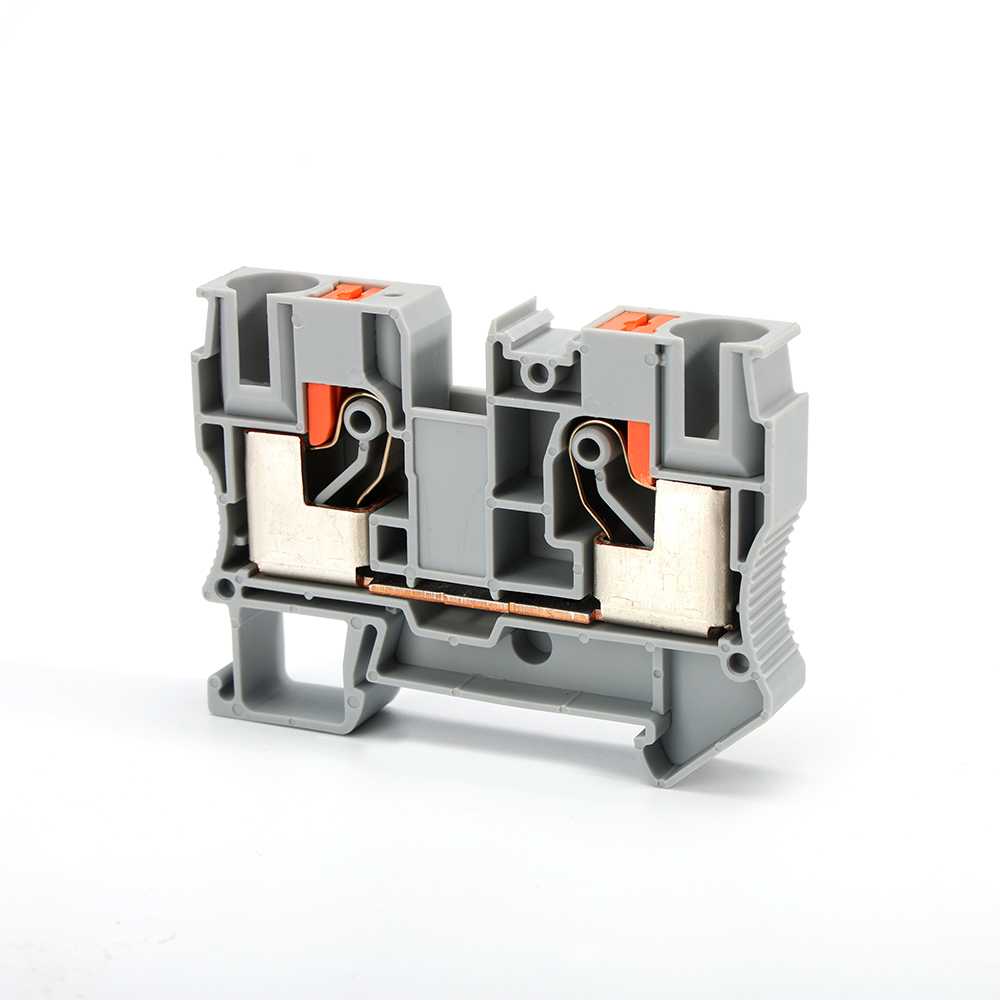
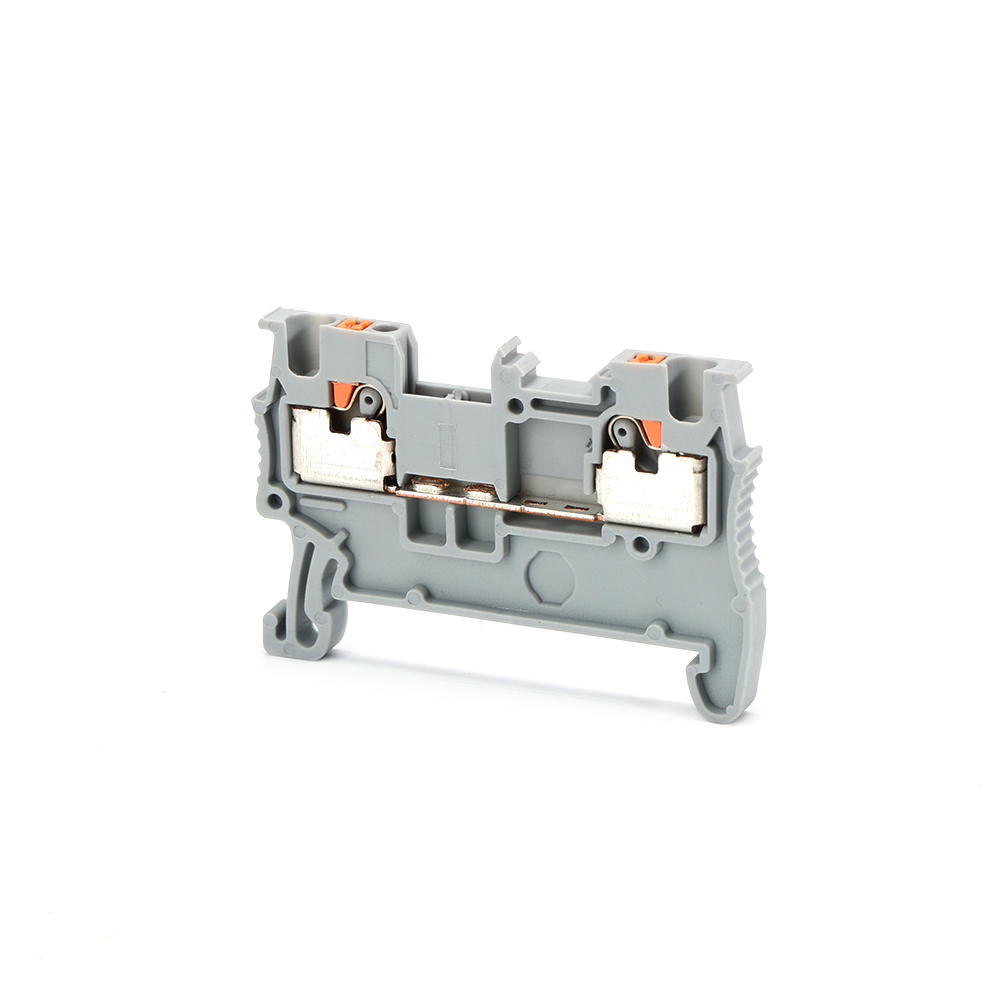
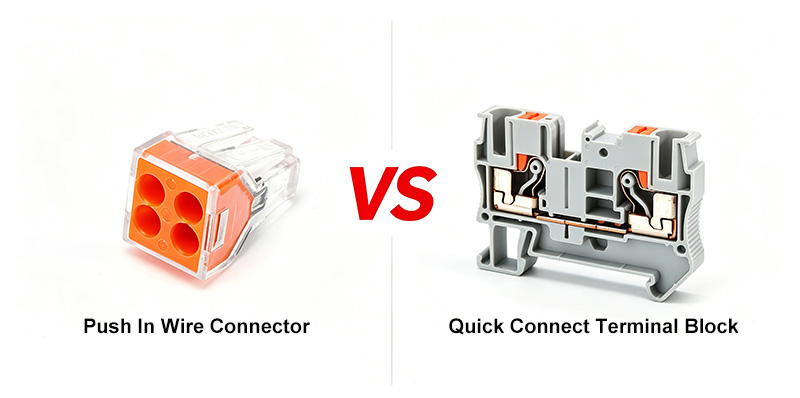
Push in terminal blocks use spring-loaded clamps for quick wire insertion, eliminating the need for screws. They’re perfect if you need rapid assembly or frequent wire changes.
- Tool-free installation saves labor time
- Supports thin designs while handling moderate currents
- Works well in marine or chemical plant applications
- Easy to remove or replace wires without tools
- Compatible with single-core wires
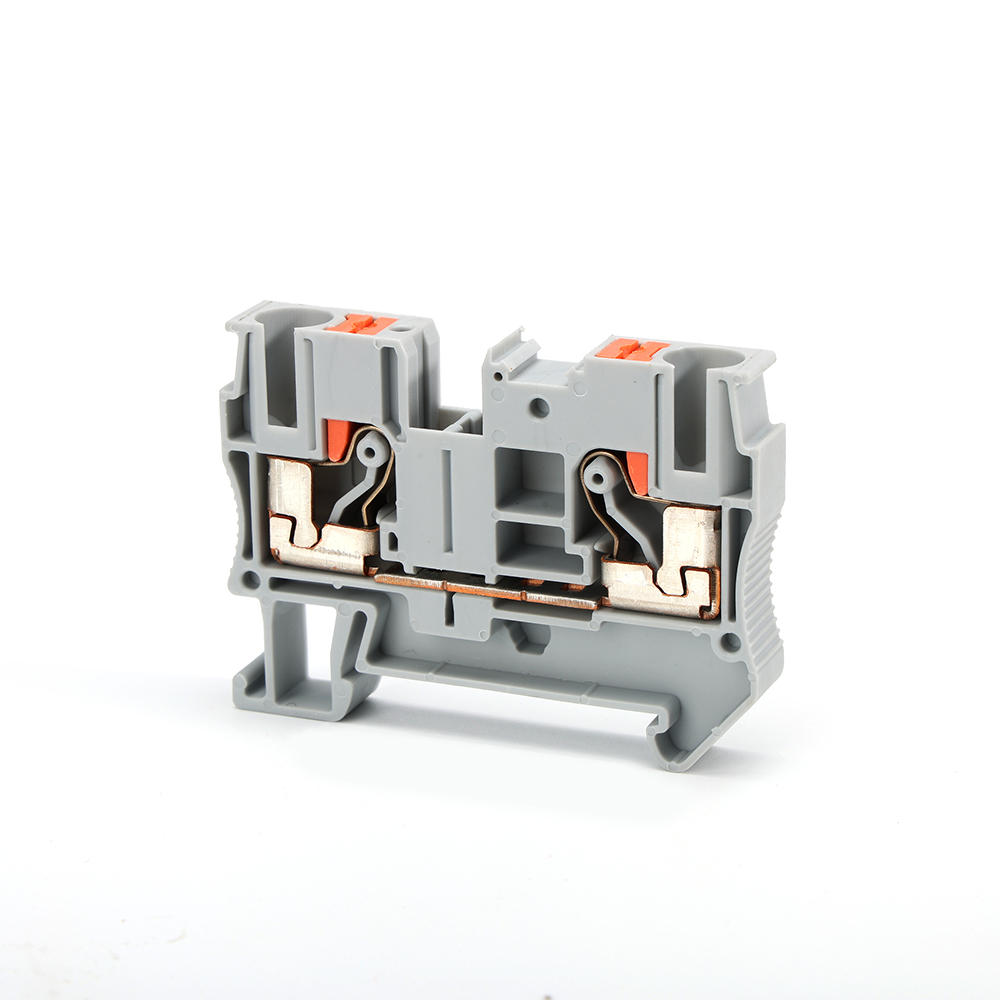
A chemical processing facility benefits from push-in terminals for quick adjustments and maintenance, reducing downtime during routine inspections.
Spring Cage Terminal Blocks
Spring cage blocks offer a similar ease of use as push-in types but excel in high-vibration settings. They maintain consistent tension via a preloaded spring mechanism.
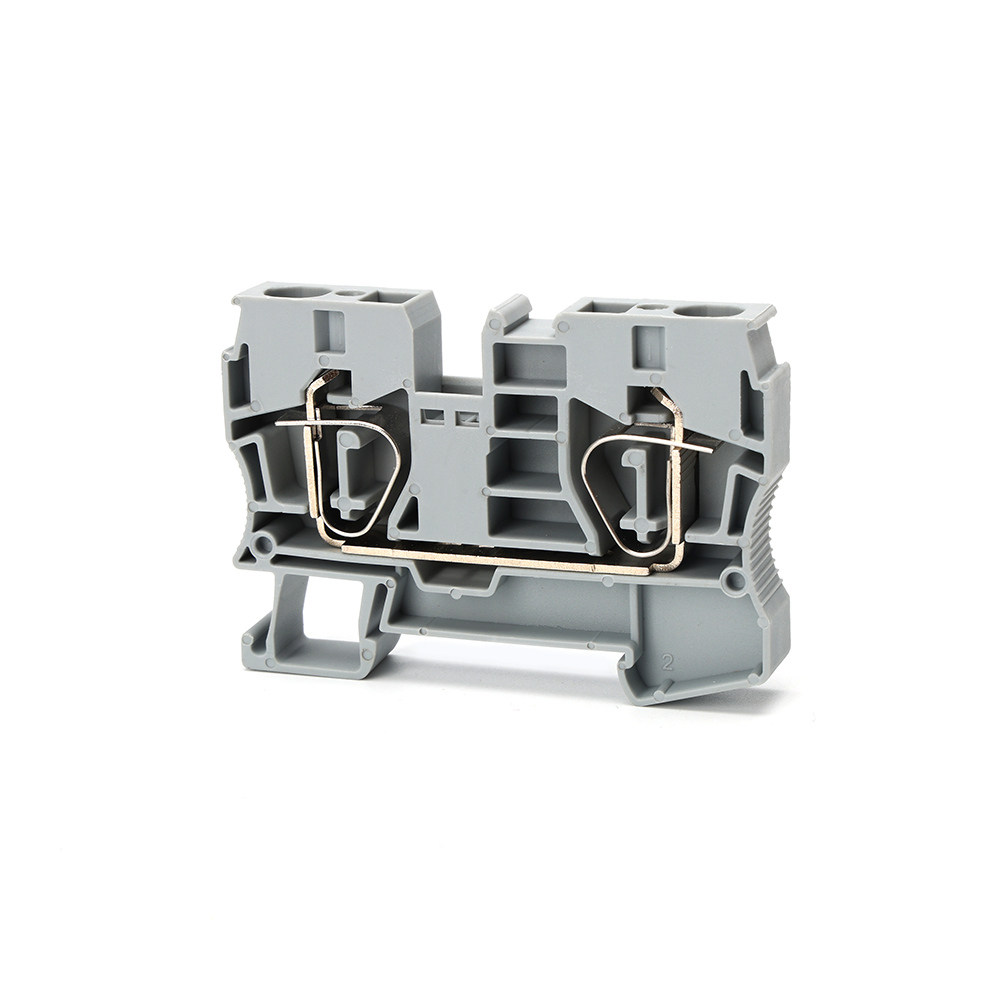
- Secure connections even in mobile or vibrating equipment
- No torque-controlled screws required
- Ideal for frequent connection changes
- Reduces assembly time and errors
- Durable and low-maintenance
A mobile crane control panel uses spring cage terminals to maintain stable electrical connections despite constant vibration and movement.
PCB Mount Terminal Blocks
PCB mount terminal blocks, also called Eurostyle or wire-to-board blocks, are designed to connect wires directly to printed circuit boards.
- Single, dual, or multi-level modules for flexible designs
- Secure wires via clamps and solder to PCB
- Compact and space-saving
- Ideal for low- to medium-current applications
- Can be used with pluggable designs for hot-swapping
A Westlec automation controller uses PCB mount terminals to efficiently connect multiple control signals while keeping the PCB footprint minimal.
Thermocouple Terminal Blocks
Specialized thermocouple blocks are designed to avoid voltage errors caused by dissimilar metals, ensuring precise temperature measurements.
- Matches thermocouple wire types for accuracy
- Prevents unwanted voltage generation
- Suitable for high-temperature or sensor applications
- Available in single, dual, or multi-level modules
- Often color-coded for easy identification
An industrial oven monitoring system relies on thermocouple terminals to deliver accurate temperature readings critical for quality control.
Key Electrical Specifications To Consider
| Specification | Description | Recommended Approach | Common Values |
|---|---|---|---|
| Current Rating | Max current the terminal block can safely carry | Select at least 150% of system max | 10A–125A |
| Voltage Rating | Max voltage the block can handle | Consider surge and insulation | 250V–600V |
| Pole Count | Number of individual circuits in the block | Match your circuit requirements | 1–24+ |
| Pitch | Center distance between poles | Influences insulation and current capacity | 2.54mm, 3.81mm, 5mm, 7.62mm |
| Wire Size/Type | Compatible wire gauge and type | Ensure physical fit and conductor type | 14–24 AWG |
Mechanical And Installation Considerations
- Wire Entry Orientation: Horizontal (90°), Vertical (180°), or 45° depending on design constraints
- Wire-Securing Methods: Screw, Push In, Spring Cage—choose based on environment and ease of maintenance
- Module Type: Interlocking for flexible pole counts or single-piece for rugged applications
- Pluggable Terminal Blocks: Enable quick disconnects without handling individual wires
Tip:Using color-coded housings can simplify complex wiring layouts, reducing errors and improving maintenance efficiency.
Applications Of Westlec Industrial Terminal Blocks
- Control Panels: Neat, organized connections for complex circuits
- PLC & I/O Modules: Reliable connections for automation and control
- Power Distribution: Handle high currents safely with screw terminals
- High-Temperature or Vibration-Prone Environments: Spring cage and thermocouple types ensure stable performance
- Industrial Wiring Components: Facilitate modular, scalable, and maintainable designs
How To Choose The Right Terminal Block Type
When selecting a terminal block, consider:
- Current and voltage requirements for your system
- Environmental factors like vibration, temperature, and chemical exposure
- Wire size, type, and pole count
- Maintenance and expansion needs for futureproofing
- Brand reliability and supply consistency
FAQ
Which terminal block type is best for high-vibration environments?
Spring cage and push-in terminal blocks maintain tension without screws and are ideal for vibration-heavy applications.
How do you determine the correct wire size for terminal block?
Check the block’s wire size rating (AWG or mm²) and ensure it matches your wire gauge and type (stranded, multi-core, or single-core).
Can push-in terminal blocks handle high currents?
They work best with moderate currents; for high-current applications, screw terminals are more reliable.
What are the safety standards for industrial terminal blocks?
Look for UL, IEC, and CSA certifications. Specialized environments may require ATEX or RoHS compliance.
Difference between screw and spring cage terminal blocks?
Screw terminals use torque-controlled screws for secure connections; spring cage terminals use preloaded springs for fast, vibration-resistant installation.
Are PCB mount terminal blocks suitable for high-power applications?
PCB mount blocks are typically used for low- to medium-current applications. High-power circuits generally require screw or feed-through terminals.
Can push-in terminal blocks be reused?
Yes, most push-in types allow wire removal and reinsertion without tools, making maintenance easier.
What is pluggable terminal block, and when should it be used?
Pluggable blocks allow hot-swapping or frequent disconnects without handling individual wires. Ideal for modular systems.
How do I choose the right pitch for a terminal block?
Pitch depends on voltage, current, and insulation needs. Common sizes include 2.54 mm, 3.81 mm, 5 mm, and 7.62 mm.
Are there color-coded terminal blocks, and why are they useful?
Yes, colors simplify identification, reduce wiring errors, and help organize complex systems.
Which terminal block type is easiest for quick assembly?
Push-in and spring cage terminals are the fastest to install and require minimal tools.
Can terminal blocks be used in outdoor or harsh environments?
Yes, industrial-grade blocks are rated for temperature extremes, vibration, moisture, and chemical exposure.
What wire types are compatible with screw terminals?
Stranded, multi-core, and ferruled wires are suitable; single-core can also work depending on the design.
Can I mix screw and spring cage terminal blocks in the same panel?
Yes, but ensure current, voltage, and mechanical compatibility. Mixing types may simplify wiring layout but requires planning.
What maintenance considerations should I keep in mind for terminal blocks?
Regular inspection for corrosion, loose wires, or damaged insulation is critical. Spring cage and push-in types require less ongoing torque checking than screw terminals.
Conclusion
Choosing the right Terminal Block Types ensures your industrial wiring is safe, reliable, and efficient. Westlec offers a variety of Industrial Terminal Blocks—from screw and push-in to thermocouple and PCB mount solutions—to fit any application. Explore Westlec products today and make your electrical systems safer, smarter, and easier to maintain.
 EN
EN  PT
PT