

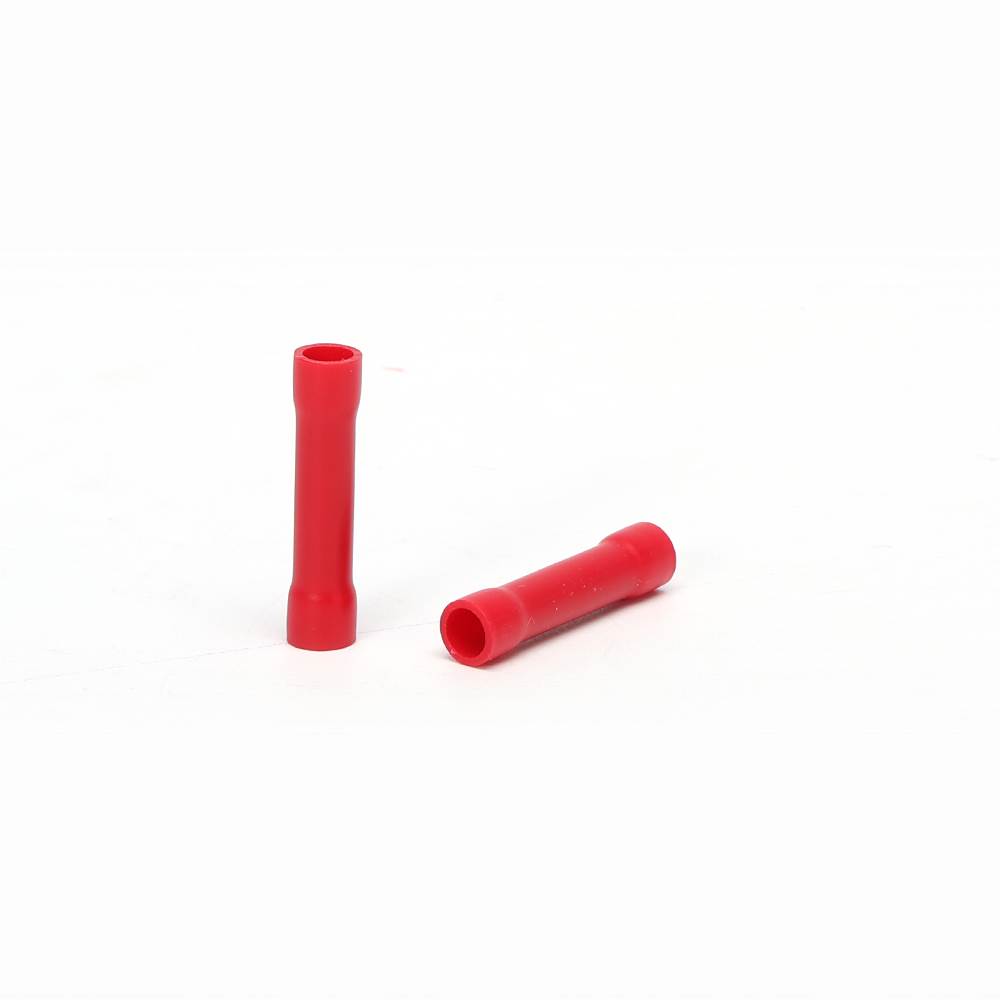
A Butt Splice Terminal is a widely used electrical connector designed to join two wires securely while maintaining stable electrical conductivity. It is commonly applied in automotive wiring, industrial control systems, marine equipment, power distribution systems, and electrical installation projects.
Although Butt Splice Terminals provide a convenient and reliable solution for wire connections, problems can occur when incorrect terminals, improper installation methods, or unsuitable application environments are involved. Issues such as poor conductivity, overheating, corrosion, and wire pull-out can affect system performance and even create safety risks.
Understanding common failure causes and solutions helps engineers, installers, and electrical buyers select the right Butt Splice Wire Connectors and improve long-term connection reliability.
This article explains the most common Butt Splice Terminal problems, their causes, and practical solutions to ensure safer and more efficient electrical connections.
Common Butt Splice Terminal Problems And Solutions
Poor Electrical Connection Caused By Improper Crimping
One of the most common problems with a Butt Splice Terminal is poor electrical contact caused by incorrect crimping.
The crimping process creates a mechanical and electrical connection between the terminal barrel and the conductor. If the crimping force is insufficient, the wire may not be securely fixed inside the terminal, increasing electrical resistance.
Common symptoms include:
- Intermittent electrical signals
- Voltage drops
- Loose wire connections
- Increased heat generation
- Electrical system failures
Main Causes Of Improper Crimping
Several factors can lead to unreliable crimp connections:
- Using the wrong crimping tool
- Applying insufficient or excessive crimp pressure
- Incorrect wire positioning inside the terminal
- Using terminals that do not match the wire size
For example, a terminal designed for 2.5 mm² wire should not be used with a much smaller conductor because the crimp area cannot provide enough mechanical strength.
Solutions
To avoid poor electrical connections:
- Use professional ratchet crimping tools
- Match the terminal size with the wire gauge
- Ensure the conductor reaches the correct position inside the barrel
- Perform pull tests after crimping for critical applications
High-quality Butt Splice Wire Connectors are designed with optimized barrel structures to provide consistent crimping performance.
Incorrect Butt Splice Terminal Size Selection
Selecting the wrong size is another major cause of Butt Splice Terminal failure.
Every terminal has a specific wire range and current capacity. If the terminal size does not match the cable specification, the connection performance will be affected.
Problems Caused By Incorrect Size Selection
Using an undersized terminal may result in:
- Excessive resistance
- Overheating
- Insulation damage
- Terminal deformation
Using an oversized terminal may cause:
- Loose wire positioning
- Weak mechanical connection
- Increased risk of wire movement
How To Select The Correct Terminal Size
When choosing a Butt Splice Terminal, consider:
Wire Cross-Section Area
The terminal should match the conductor size, such as:
- 0.5–1.5 mm²
- 1.5–2.5 mm²
- 4–6 mm²
- Larger industrial cable sizes
Current Requirements
Applications with higher current loads require terminals with:
- Larger conductor contact areas
- Better thermal performance
- Higher-quality conductive materials
Application Environment
Outdoor, automotive, and industrial applications may require specialized terminals such as heat shrink butt splice connectors.
Overheating And Melting Issues During Operation
Overheating is a serious problem that can reduce the service life of electrical connections.
When current passes through a connection with excessive resistance, electrical energy is converted into heat. Over time, this can damage insulation materials and cause terminal failure.
Common Causes Of Overheating
A Butt Splice Terminal may overheat due to:
- Loose crimp connections
- Incorrect terminal size
- Excessive current load
- Poor-quality conductive materials
- Damaged wire strands
Signs Of Overheating
Users may notice:
- Discolored terminal barrels
- Melted insulation
- Burning smell
- Electrical equipment shutdown
Solutions
To prevent overheating:
- Select terminals according to rated current requirements
- Use high-conductivity copper materials
- Avoid exceeding recommended operating limits
- Ensure proper installation quality
For demanding environments, choosing high-quality Butt Splice Terminals with reliable insulation materials can significantly improve safety.
Corrosion And Moisture Damage In Electrical Connections
Moisture and corrosion are common challenges in outdoor and harsh industrial environments.
When water or humidity enters an electrical connection, oxidation can occur on the metal surface. This increases resistance and reduces electrical performance.
Applications Where Corrosion Is Common
Corrosion problems often appear in:
- Marine electrical systems
- Outdoor lighting
- Automotive wiring
- Agricultural equipment
- Industrial machinery
Effects Of Corrosion
Corroded connections may cause:
- Reduced conductivity
- Increased resistance
- Signal instability
- Complete connection failure
Solutions
For moisture-sensitive applications:
- Use sealed or heat shrink Butt Splice Terminals
- Choose corrosion-resistant materials
- Apply proper insulation protection
- Avoid exposing terminals to direct water contact
Heat shrink designs provide additional protection by creating a sealed barrier around the connection area.
Wire Pull-Out And Mechanical Failure Problems
A reliable electrical connection requires both electrical conductivity and mechanical strength.
Wire pull-out occurs when the conductor is not properly secured inside the terminal barrel.
Causes Of Wire Pull-Out
Common causes include:
- Incorrect crimping pressure
- Wrong terminal size
- Excessive cable movement
- Poor terminal design
This problem is especially common in applications exposed to vibration, such as:
- Vehicles
- Industrial machines
- Automation equipment
Solutions
To improve mechanical reliability:
- Select terminals matching the conductor diameter
- Use quality crimping equipment
- Perform mechanical pull testing
- Choose terminals with strong barrel designs
Reliable Butt Splice Wire Connectors should maintain stable performance even under vibration and repeated movement.
Using The Wrong Type Of Electrical Splice Connector
Different applications require different connector designs. Choosing the wrong Electrical Splice Connector Types can reduce connection reliability.
Common splice connector options include:
- Standard insulated butt splice terminals
- Non-insulated butt splice terminals
- Heat shrink butt splice connectors
- Solder seal wire connectors
- Waterproof splice connectors
Standard Butt Splice Terminals
Suitable for:
- Indoor electrical wiring
- General equipment connections
- Control panels
Heat Shrink Butt Splice Terminals
Better for:
- Outdoor applications
- Automotive systems
- Moisture-prone environments
Non-Insulated Butt Splice Terminals
Often used for:
- Professional electrical assemblies
- Applications requiring additional insulation protection
Choosing the correct connector type improves electrical safety, durability, and maintenance efficiency.
How To Prevent Common Butt Splice Terminal Failures
Preventing terminal problems requires proper product selection and installation practices.
Use Correct Terminal Specifications
Always verify:
- Wire size compatibility
- Current rating
- Temperature rating
- Environmental requirements
Use Professional Installation Tools
Proper crimping tools ensure:
- Uniform pressure
- Strong mechanical connection
- Stable electrical performance
Inspect Connections Regularly
For industrial applications, regular inspection helps identify:
- Loose connections
- Heat damage
- Corrosion
- Insulation problems
Choose Reliable Terminal Suppliers
Working with experienced manufacturers ensures consistent:
- Material quality
- Production standards
- Dimensional accuracy
- Electrical performance
How To Choose Reliable Terminals For Different Applications
Selecting the right Butt Splice Terminal depends on the working environment and electrical requirements.
Automotive Applications
Recommended features:
- Vibration resistance
- Heat resistance
- Compact design
- Moisture protection
Industrial Control Systems
Recommended features:
- High conductivity
- Stable mechanical strength
- Long service life
Outdoor Electrical Installations
Recommended features:
- Waterproof protection
- Corrosion resistance
- UV-resistant insulation materials
High-Current Applications
Recommended features:
- Thick copper conductor barrel
- Excellent heat dissipation
- Higher current capacity
A professional supplier can help customers select suitable Butt Splice Wire Connectors according to project requirements.
Why Choose Westlec Butt Splice Terminals
Westlec provides reliable electrical connection solutions designed for industrial and commercial applications.
Our Butt Splice Terminals are manufactured with strict quality control to ensure stable electrical performance and long-term durability.
Key advantages include:
High-Quality Conductive Materials
Westlec terminals use reliable conductive materials to achieve:
- Low electrical resistance
- Stable current transmission
- Improved connection reliability
Wide Range Of Terminal Sizes
Different wire sizes and application requirements can be supported, helping customers select suitable solutions for various projects.
Reliable Manufacturing Standards
Westlec focuses on:
- Consistent product dimensions
- Reliable crimping performance
- Stable production quality
OEM And Custom Solutions
For distributors and industrial buyers, Westlec supports customized requirements including:
- Product specifications
- Packaging solutions
- Application-specific designs
Choosing a trusted Butt Splice Terminal manufacturer helps reduce installation risks and improve electrical system reliability.
FAQ
Why Does My Butt Splice Terminal Overheat?
A Butt Splice Terminal may overheat due to improper crimping, incorrect terminal size, excessive current load, or increased electrical resistance. Selecting the correct terminal specification and ensuring proper installation can prevent overheating.
Are Heat Shrink Butt Splice Terminals Waterproof?
Heat shrink Butt Splice Terminals provide excellent moisture resistance when properly installed. They are commonly used for outdoor, automotive, and marine applications, but waterproof performance depends on product design and installation quality.
How Do I Choose The Correct Butt Splice Terminal Size?
Choose a Butt Splice Terminal according to the wire cross-section area, wire gauge, current requirements, and application environment. The terminal barrel size must match the conductor size.
Can Butt Splice Terminals Be Used For Outdoor Applications?
Yes. For outdoor applications, it is recommended to use waterproof or heat shrink Butt Splice Terminals that provide better protection against moisture and corrosion.
How Can I Ensure A Reliable Butt Splice Terminal Connection?
Use the correct terminal size, professional crimping tools, proper installation methods, and high-quality terminals from reliable manufacturers.
Difference Between Insulated And Non-Insulated Butt Splice Terminals?
Insulated Butt Splice Terminals include protective insulation sleeves, while non-insulated versions require additional insulation protection after installation.
Are Heat Shrink Butt Splice Wire Connectors Better Than Standard Connectors?
Heat shrink Butt Splice Wire Connectors provide additional sealing and environmental protection, making them better for outdoor and moisture-sensitive applications.
How Do Electrical Splice Connector Types Affect Electrical Performance And Safety?
Different Electrical Splice Connector Types provide different levels of conductivity, insulation protection, mechanical strength, and environmental resistance. Selecting the correct type improves system safety and reliability.
Conclusion
A reliable Butt Splice Terminal plays an important role in maintaining safe and stable electrical connections. Problems such as poor crimping, incorrect sizing, overheating, corrosion, and mechanical failure can significantly affect electrical system performance.
By selecting the correct Butt Splice Terminals, using proper installation methods, and choosing suitable Electrical Splice Connector Types, businesses can improve connection reliability and reduce maintenance costs.
For distributors, OEM manufacturers, and industrial customers, partnering with an experienced supplier like Westlec ensures access to high-quality Butt Splice Wire Connectors designed for different electrical applications.
 EN
EN  PT
PT