

Among the numerous connection solutions available, traditional wire nuts and modern push-in wire connectors present a stark contrast. As a professional purchasing decision-maker, you need to thoroughly understand the characteristics and application scenarios of both to make an informed choice.
What’s Better, Wire Nuts Or Push-In Wire Connectors?
Push in wire connector vs wire nut?Choosing a terminal block is not simply a matter of selecting one of two options, but requires evaluation from multiple perspectives to match the specific needs of the project. The following will provide an in-depth comparison across five key aspects.
Connection Reliability And Safety
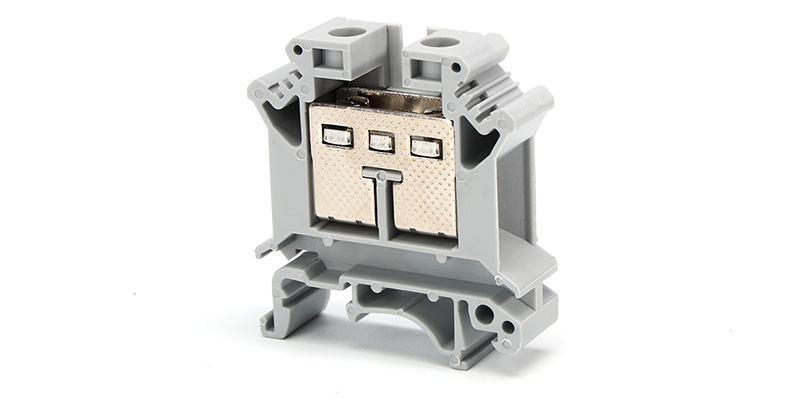
Wire nuts rely on mechanical pressure generated by tightening the threads and the clamping force of a metal spring to ensure a secure connection. Their reliability largely depends on the installer’s skill – they must be tightened to the appropriate degree; overtightening can damage the wire core, while undertightening can lead to poor contact and overheating. In vibrating environments, high-quality wire nuts can still maintain stable contact thanks to their spring structure.
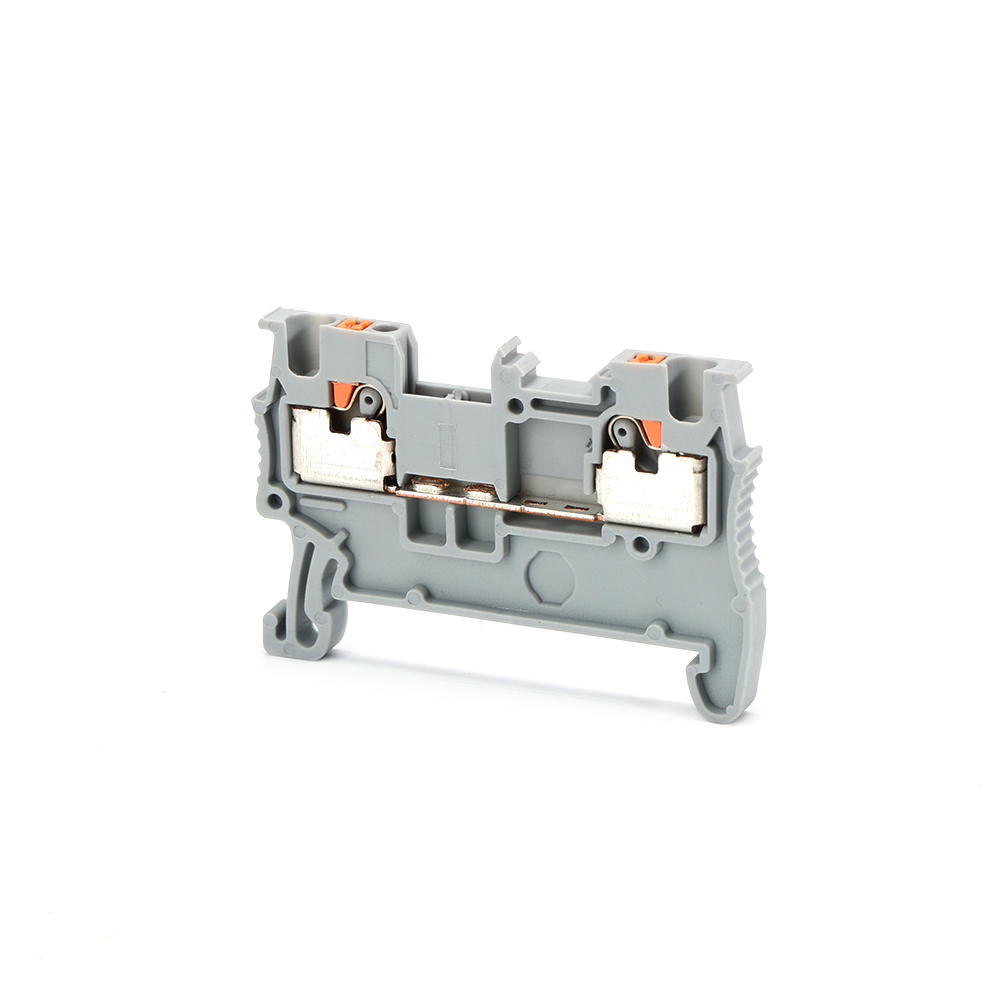
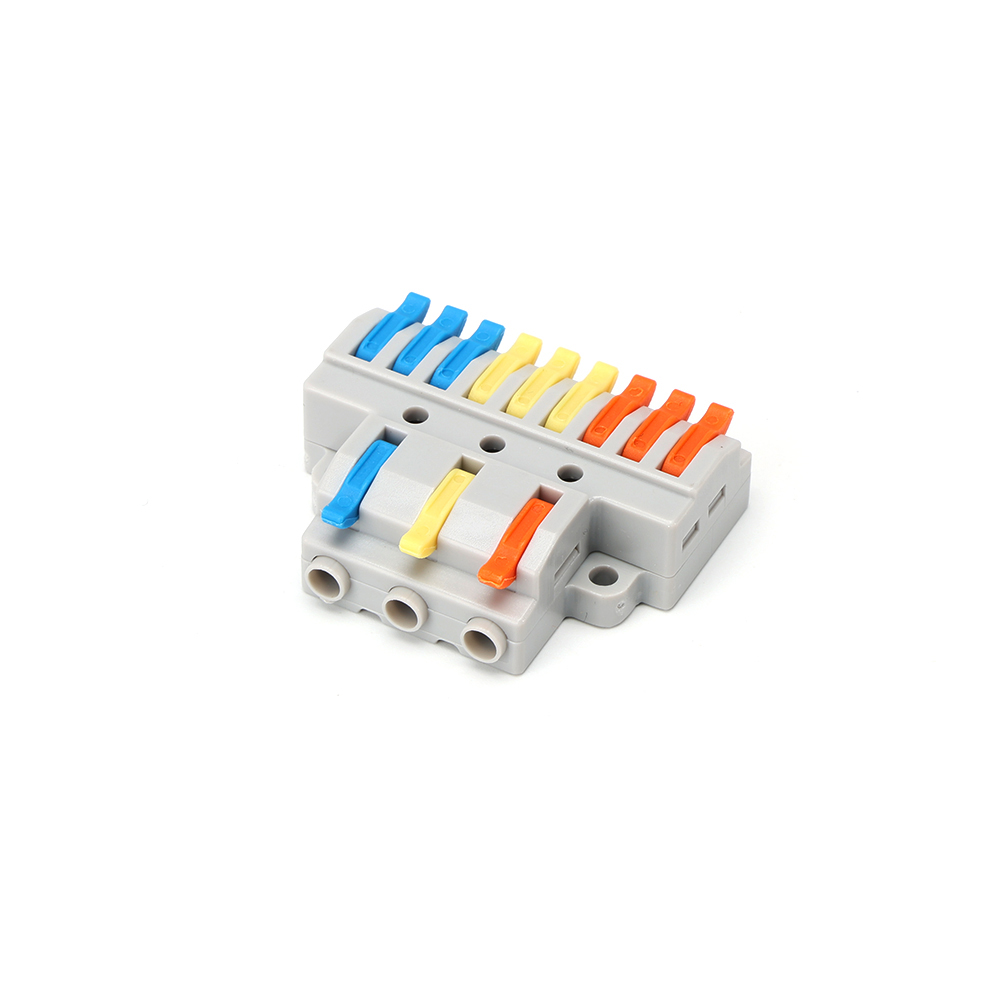
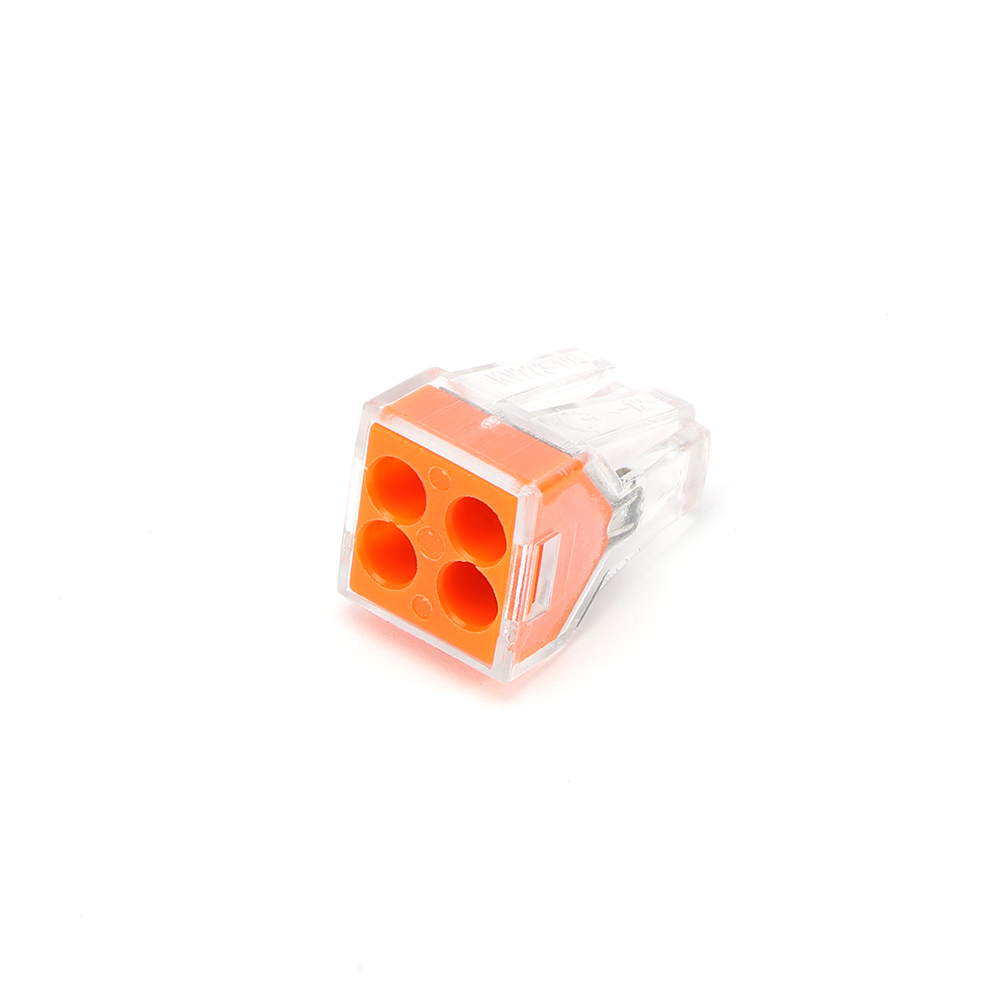
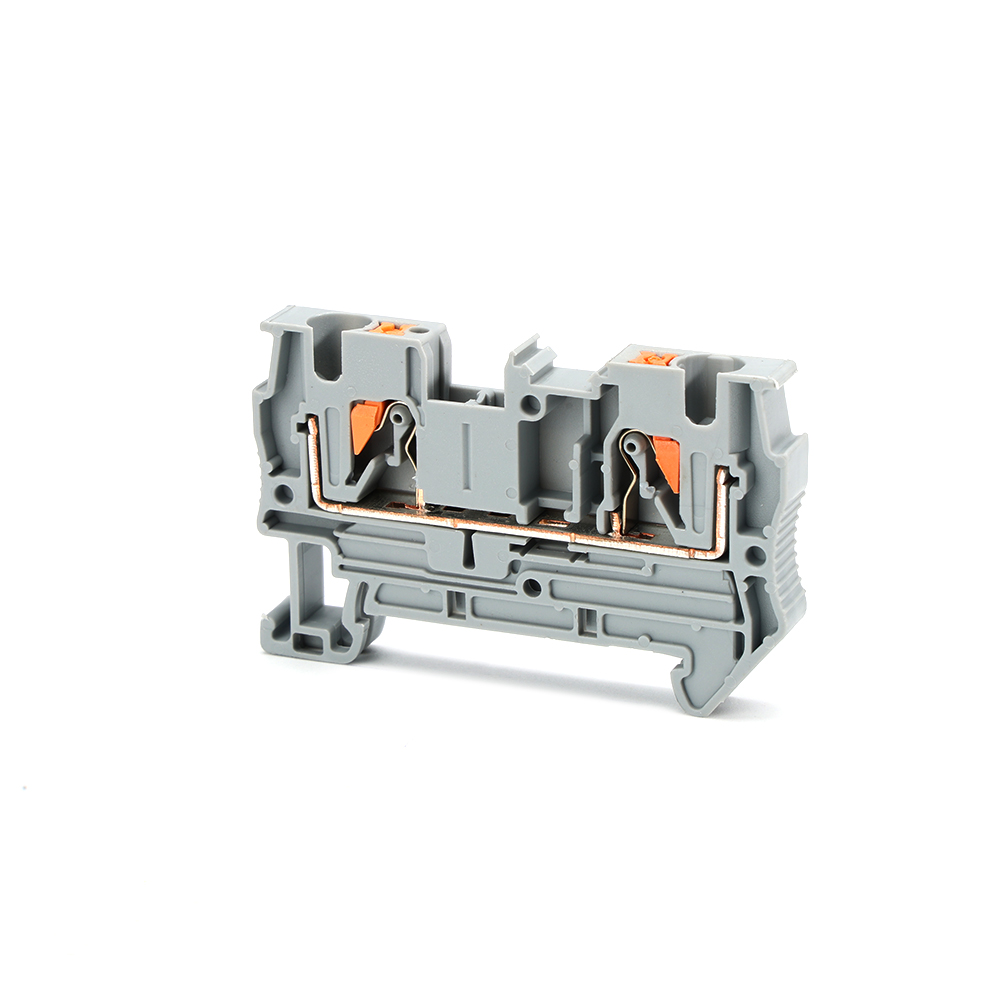
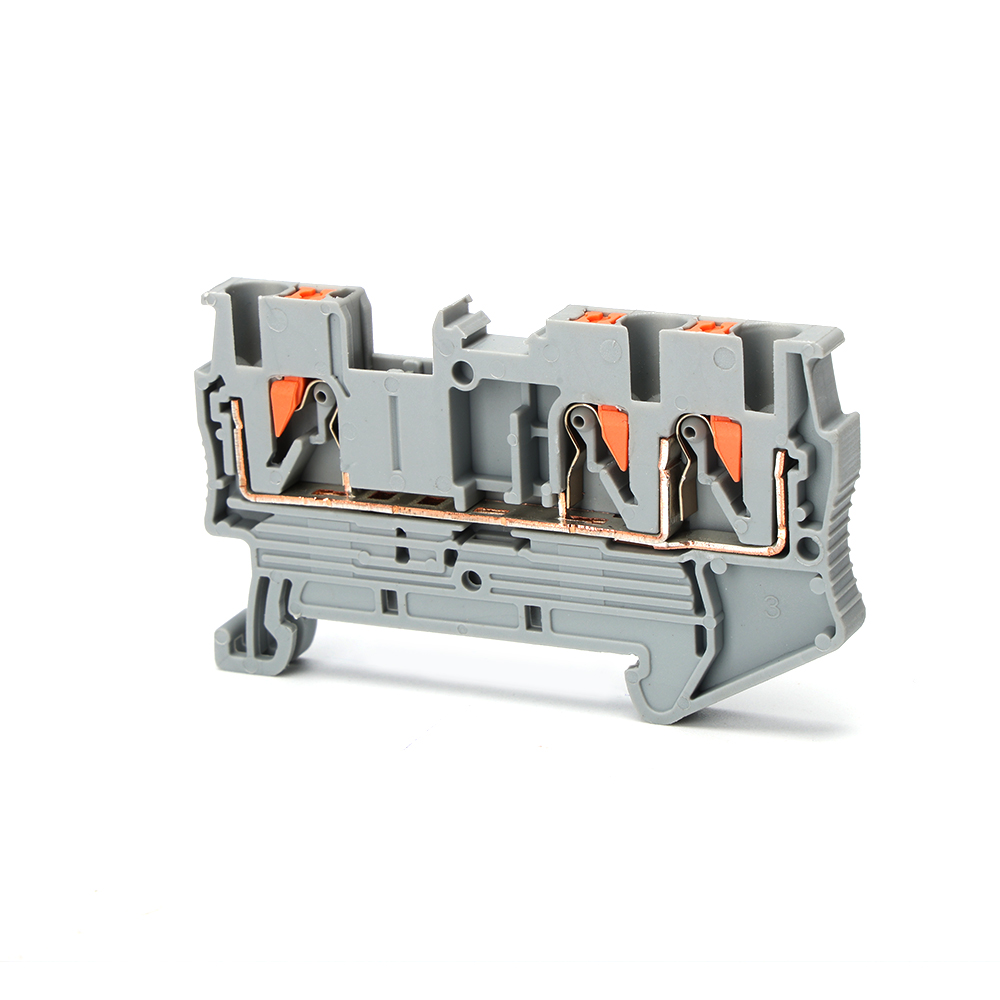
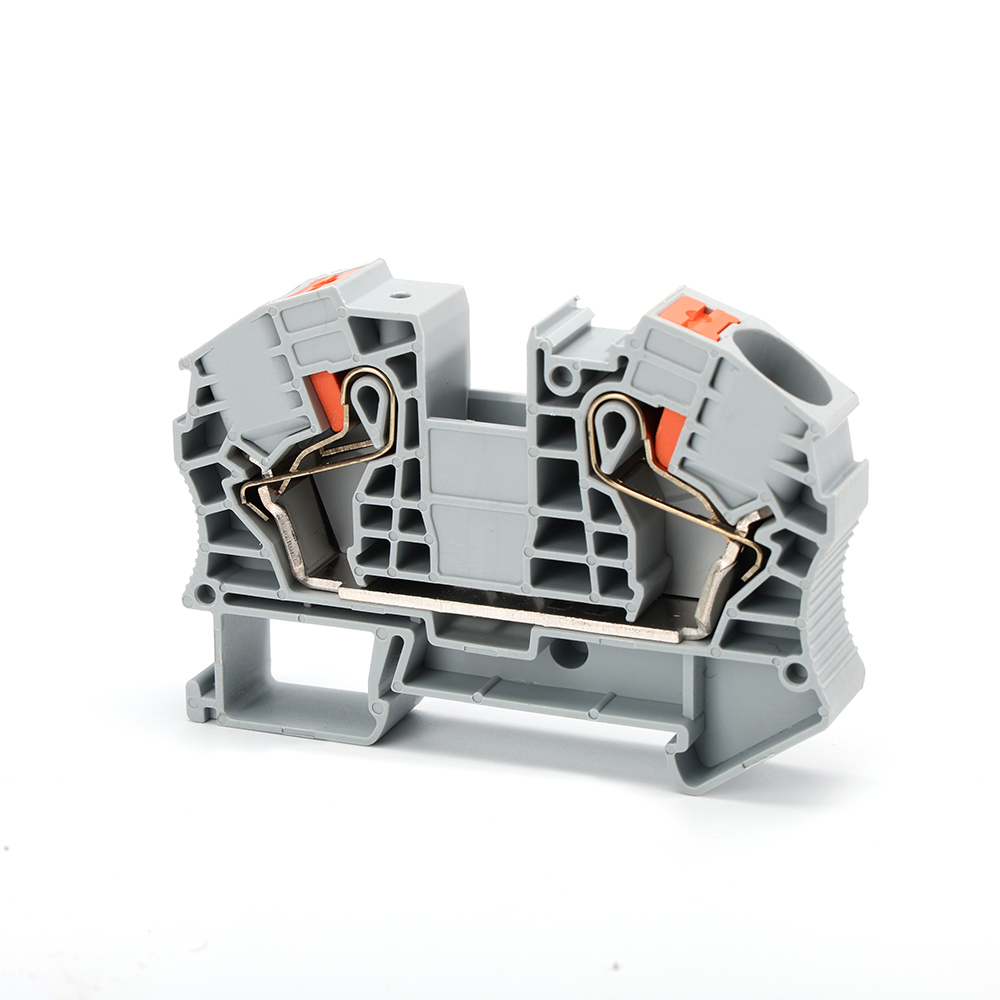
Push-in wire connectors, such as the Westlec Push-in connection series, utilize advanced tension spring clamping technology. Wires are simply inserted to achieve a constant and durable clamping force, eliminating the uncertainty caused by human torque factors.
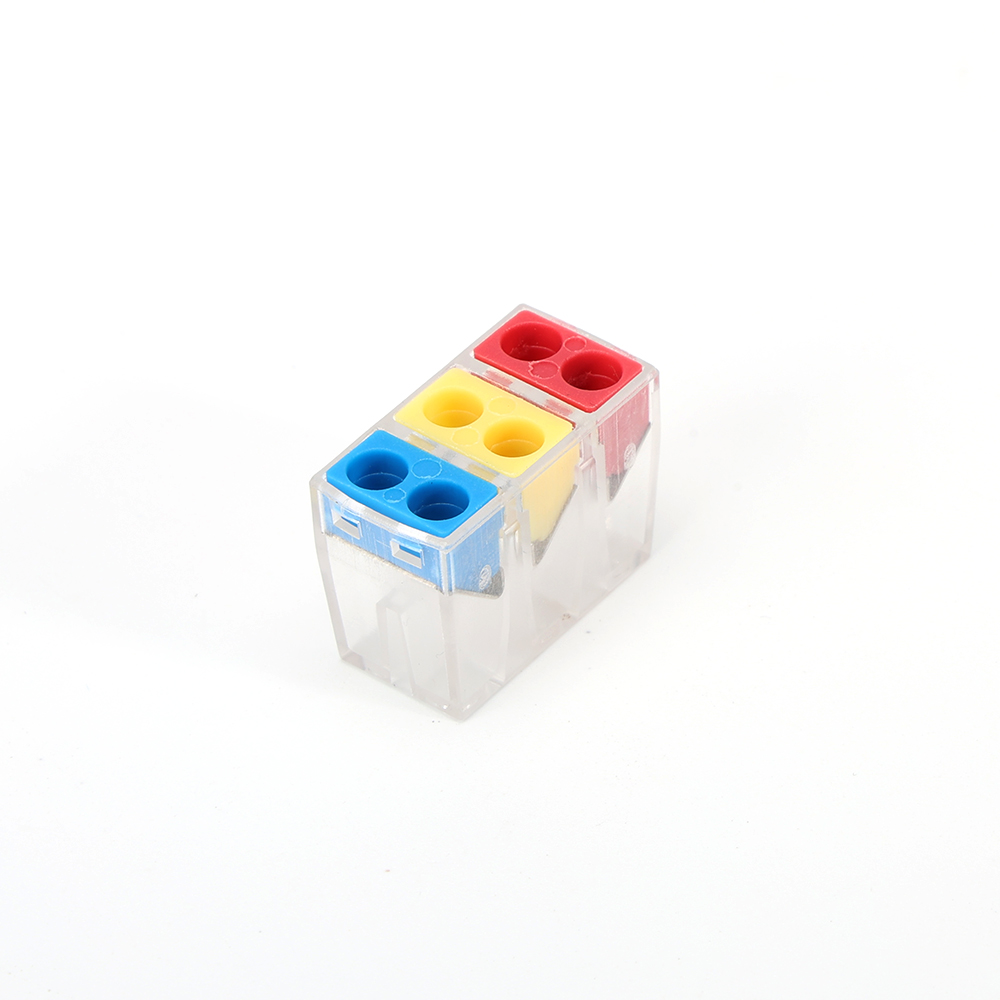
Westlec’s terminals feature a transparent housing, allowing for visual inspection to ensure the wires are properly inserted, thus fundamentally improving connection consistency and safety. They have obtained multiple international safety certifications (such as UL and CE), ensuring stable performance under long-term load and slight vibration environments.
Ease Of Installation And Efficiency
Traditional wire nuts require multiple steps during installation, including stripping wires, aligning them, and twisting them together. This can be time-consuming and laborious, especially in cramped junction boxes or when dealing with a large number of connections.
Push-in connectors offer a significant advantage in speed, especially for mass wiring applications (such as switches and sockets throughout a house). After stripping the wires, they can be inserted directly without twisting, making them particularly convenient for use in confined junction boxes.
What are the most common installation errors?
Terminal Blocks:
① Wires not pre-twisted (unless using “twist-free” type);
② Screwed too loosely or too tightly;
③ Wire insulation not fully inserted into the terminal.
Push-in Connectors:
① Inaccurate wire stripping length (too long or too short);
② Bent wire ends not straightened with wire straightening pliers, resulting in incomplete insertion;
③ Attempting to insert wires that do not meet specifications (e.g., fine stranded wire).
6. Are special tools required?
Terminal Blocks: Usually only hand tightening is required. Some electricians prefer to use a dedicated torque screwdriver to ensure consistency, but this is not essential.
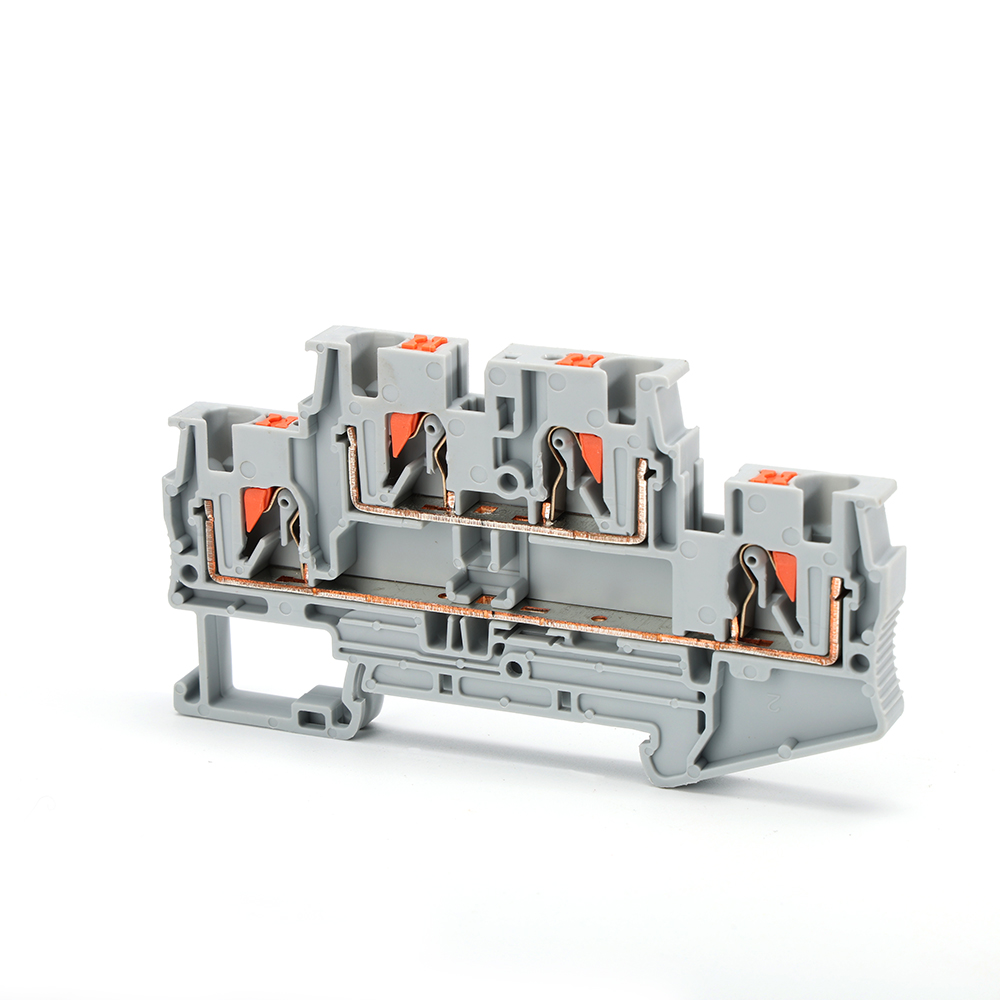
Push-in Connectors: No tools are required for installation. However, a special release tool (usually included in the packaging) is needed for removal, or the wires must be cut.
7. Are there any requirements for wire types?
Terminal Blocks: Wide compatibility, suitable for solid wires, stranded wires, and mixed connections of both.
Push-in Connectors: Usually only recommended for standard solid copper wires. The clamping force may be insufficient for fine stranded wires, and the instructions usually prohibit mixed wire type connections.
Cost Considerations
From a single-product unit price perspective, traditional wire nuts typically have an advantage. However, purchasing decisions should be based on total cost of ownership.
Direct material costs: Push-in connectors have a slightly higher unit price, but Westlec, through large-scale production and optimized design, offers competitive pricing, and the price difference is continuously narrowing.
Installation labor costs: As mentioned earlier, the installation time saved by push-in technology directly reduces the largest cost item of a project—labor costs.
Rework and maintenance costs: Reliable connections reduce the costs of subsequent failures, troubleshooting, and repairs caused by poor contact. Westlec products’ high reliability and easy-to-inspect design provide long-term value in this respect.
For large projects, the overall cost reduction resulting from increased efficiency often far outweighs the price difference of the materials themselves.
Applicable Scenarios And Wire Types
Wire nuts are highly versatile and can flexibly connect varying numbers and gauges (within their specified range) of solid conductors, and even stranded wires in some models. They are suitable for almost all standard residential and commercial wiring applications.
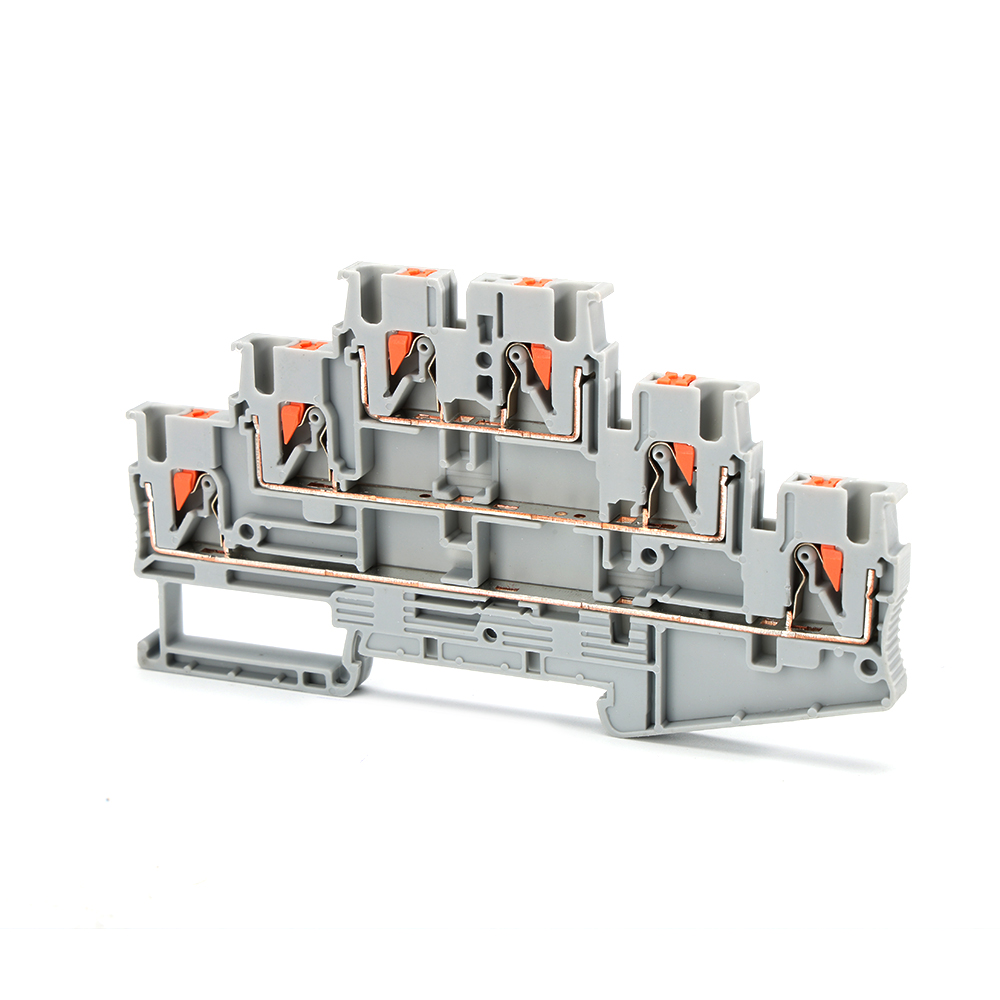
Push-in connectors are primarily designed for solid conductors and are particularly suitable for:
Standard branch connections for light switches and outlets.
Circuit connections within distribution panels.
Any situation requiring fast and neat wiring.
However, caution is advised for circuits that require frequent modifications, multi-strand stranded wires (unless explicitly stated as compatible), or wire gauges outside their rated specifications.
Professional Electricians VS Diy Enthusiasts
Professional electricians prioritize efficiency, consistency, and project profitability. Many professional teams have switched to using Westlec push-in terminals to improve work speed and project aesthetics. At the same time, they also skillfully use wire nuts depending on the specific situation (such as renovation projects or special wire types).
DIY enthusiasts may prefer the simplicity and low skill requirements of push-in connectors, which reduces the risk of installation errors. Westlec products’ clear labeling and intuitive operation make home electrical maintenance safer and easier.
3. Important Considerations And Common Misconceptions
Current Carrying Capacity and Specification Matching: Regardless of the type of connector, it is crucial to strictly adhere to its nominal voltage, current, and wire specifications.
The Misconception of “Install and Forget”: While Push-In Connectors are convenient to install, this does not mean that specifications can be ignored. Ensuring accurate wire stripping length, complete insertion, and performing a slight pull test are necessary steps.
Rewiring: High-quality Push-In Connectors allow for safe removal of wires using a dedicated tool or a small screwdriver for reconfiguration, correcting the outdated notion of them being “single-use” devices.
Environmental Adaptability: In special industrial environments with high temperatures, high humidity, or chemical corrosion, products with the appropriate protection rating must be selected.
FAQ
Which Is More Convenient For Future Maintenance?
The transparent housing and re-wireable design of the push-in terminals make future wiring inspections and modifications more intuitive and convenient.
Where Should Push-In Wire Connectors Absolutely Not Be Used?
It must absolutely not be used with cable types outside of its rated specifications (such as excessively thick wire gauges or unlisted stranded wires), or with unsecured cable segments subject to extreme mechanical vibration or tension.
What Are The Most Common Mistakes During Installation?
The most common errors are stripping the wire too long or too short, and failing to fully insert the wire. Clear markings and a transparent design can help prevent these problems.
Conclusion
Wire nuts and push-in wire connectors each have their own advantages.
Push in wire connector vs wire nut?Wire nuts are known for their flexibility, wide applicability, and economical unit price; while push-in connectors demonstrate superior value in installation efficiency, connection consistency, long-term reliability, and reduced overall project costs, making them particularly suitable for standardized, large-scale modern electrical installations.
We sincerely invite you to learn more about the Westlec product range and let our professional solutions become the reliable and efficient foundation for your next project.
 EN
EN  PT
PT